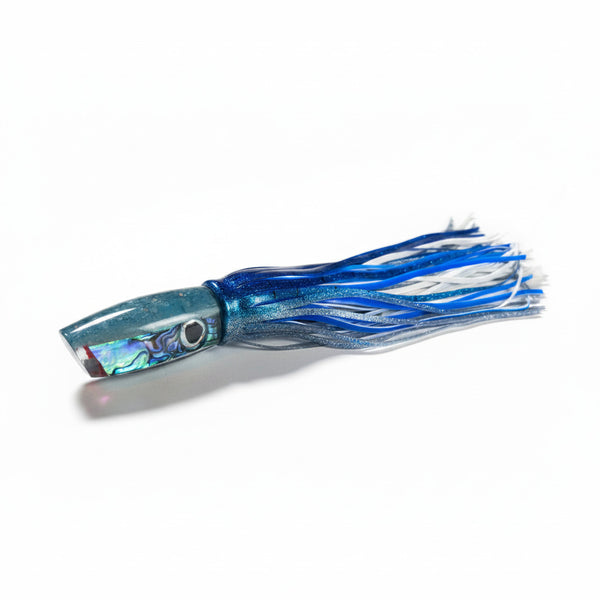
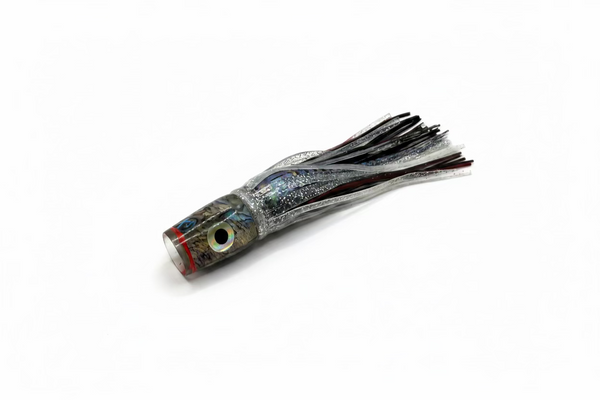
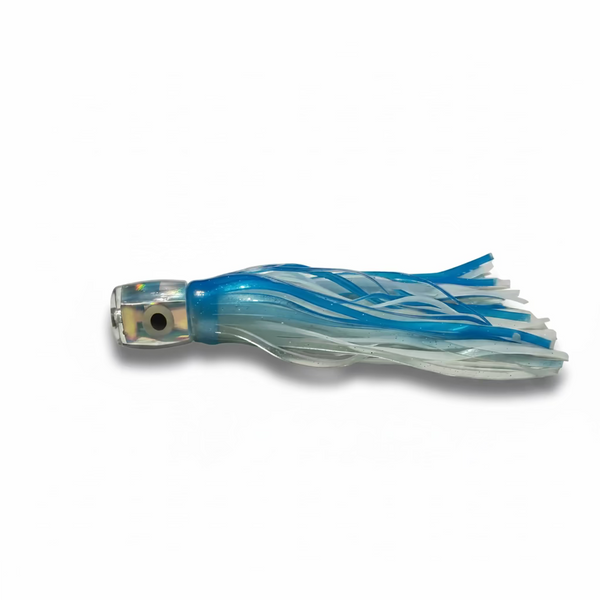
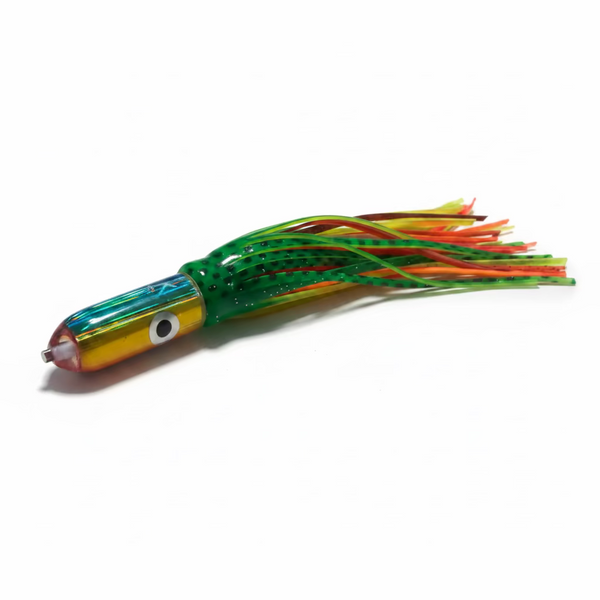
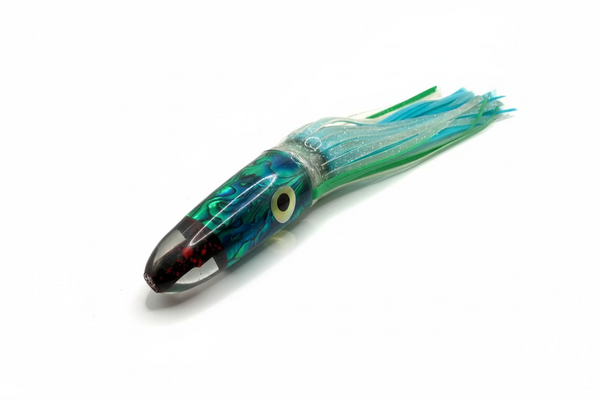
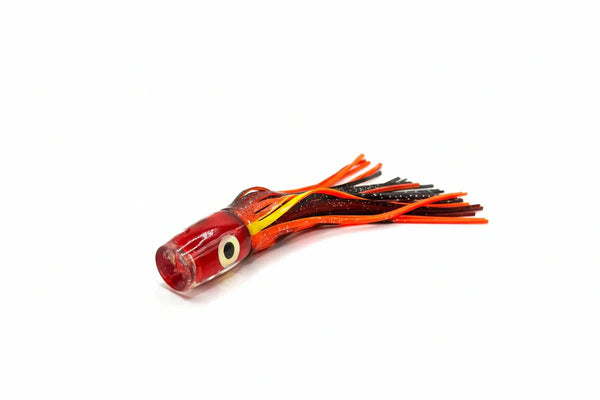
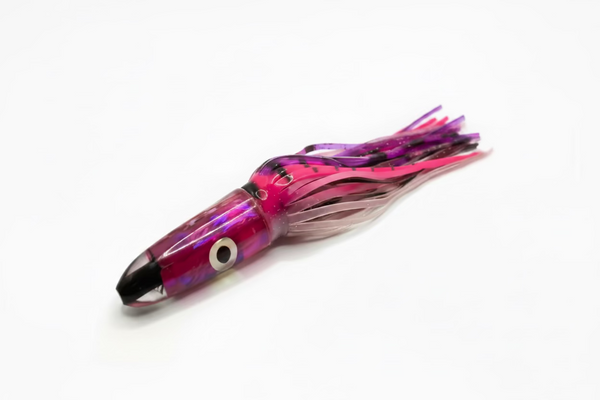
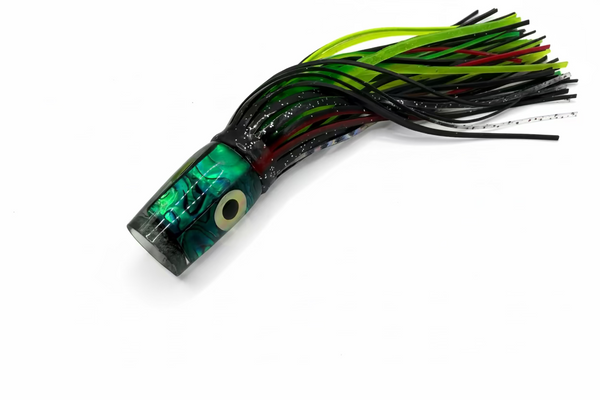
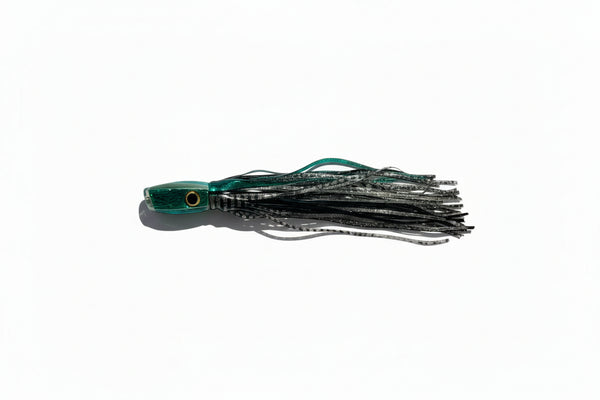
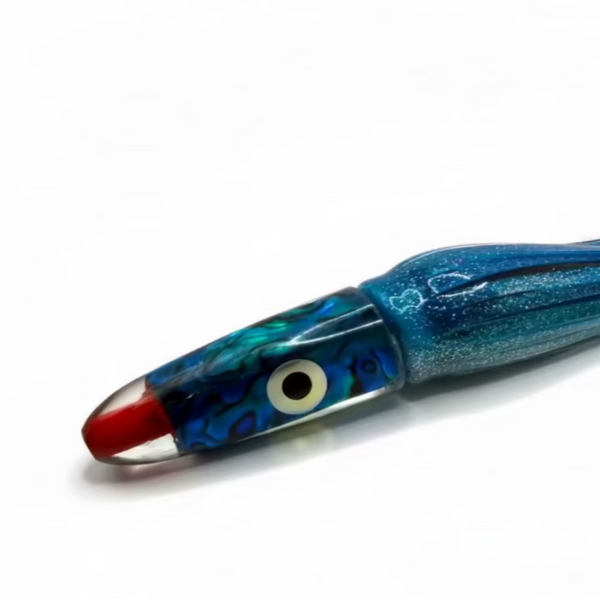
A lure can have the right head shape, the right flash, and the right position in the spread - and still miss fish if the hook rig is off. That is why a solid trolling hook rigging guide matters offshore. Hook size, stiffness, leader length, and hook placement all affect lure tracking, strike conversion, and how much pressure the rig can take once a tuna, wahoo, or marlin is on.
Most rigging mistakes are not dramatic. They are small errors that show up at trolling speed. A hook rides too far back and kills the lure’s action. A leader is too soft and lets the hook foul. A hook is oversized for the head and turns a proven lure into dead weight. Offshore, those details cost bites.
What a trolling hook rig needs to do
A trolling rig has two jobs. First, it has to let the lure swim the way it was built to swim. Second, it has to hold under real pressure when a fish eats at speed and turns hard.
That sounds simple, but there is always a trade-off. A heavier hook can add holding power, but it can also dampen action on a smaller lure. A stiffer leader can keep the hook tracking straight, but too much stiffness on the wrong lure can make it run poorly in rough water. Good rigging is not about one universal setup. It is about matching the rig to the lure head, the target species, the trolling speed, and where that lure is running in the pattern.
For most offshore anglers, the best rig is the one that stays clean, tracks true, and gives the fish a hook point that finds purchase fast. Fancy rigging does not make up for poor balance.
Trolling hook rigging guide basics
If you want a clean starting point, build around a few fundamentals. The hook should sit in line with the lure, not twist off to one side. The bend should generally ride just behind the skirt, not hanging way back where it can spin or foul. The leader should be heavy enough for the target species and stiff enough to support clean tracking through the lure.
Single hooks are the standard choice for many serious offshore crews because they are simple, strong, and clean in the water. They also tend to be easier on lure action, especially with bullets, smaller resin heads, and medium trolling lures. A properly sized single hook rigged stiff often gives you the best blend of lure performance and hookup reliability.
Double hook rigs still have a place, especially when anglers are looking for extra bite coverage on larger marlin lures or specific big-game applications. But they need to be built right. Poorly aligned doubles can spin, snag skirts, or throw the lure out of rhythm. They also add drag and weight, which is not always what you want on a lure that needs to stay active in a specific sea state.
Matching hook size to lure size
This is where a lot of rigs go wrong. Anglers often overhook a lure because bigger looks stronger. Offshore, bigger is only better when the lure can carry it.
A hook should match the head diameter, skirt profile, and intended speed range. On smaller tuna and mahi lures, too much hook can choke the lure and make it slide instead of smoke. On larger marlin heads, an undersized hook may keep the lure swimming well but leave you short on gap and holding power when a big fish eats.
A good rule is to size the hook so the point and bend are exposed cleanly behind the skirt, without the hook dominating the lure. You want enough steel to stick and hold, but not so much that the head loses its designed action. Premium lure designs are built around balance. The rig has to respect that balance.
Leader length and stiffness matter more than most anglers think
Hook rigs are not just about hooks. The leader is what controls the relationship between the lure head and the hook. If that relationship is sloppy, the lure is sloppy.
Shorter, stiffer hooksets are usually the better call for high-speed or aggressive trolling applications where clean tracking matters most. They help prevent fouling and keep the hook aligned. This is especially useful with bullet-style lures, strikers, and streamlined heads that need to stay tight and straight in the pattern.
Longer or softer leaders can work when you need a little more freedom of movement, but they also increase the chance of fouling or inconsistent action. For tuna and wahoo lures fished at speed, too much looseness is usually a mistake. For larger marlin presentations, there may be more room to tune the rig based on the lure’s position and sea conditions.
Crimps, chafe gear, and connections need the same attention. A strong hook means very little if the crimp is poor or the line exits the sleeve at a bad angle. Every component in the chain needs to be built for the same level of load.
Single hook or double hook?
In a practical trolling hook rigging guide, the right answer is usually this: run singles unless you have a clear reason not to.
Single hooks are easier to rig consistently, they foul less, and they preserve lure action better across more lure styles. For tuna, mahi, and wahoo trolling, a single stiff-rigged hook is hard to beat. It keeps the profile clean and does not ask the lure to pull extra hardware it does not need.
Double hook rigs make more sense when the lure is large enough to carry them and the target species justifies the added steel. They are common in heavier marlin applications, but alignment matters. The rear hook should not crowd the lure or sit so far back that it destabilizes the skirt. Hook orientation should be fixed and intentional, not left to chance.
If your hookup ratio is poor, do not assume doubles are the answer. More often than not, the issue is lure position, speed, or a badly balanced single rig.
Hook position and lure action
The hook should support the lure, not fight it. When a lure is working right, it should track clean, breathe consistently, and recover after each cycle. If it starts blowing out, spinning, or running dead, the rig is one of the first places to look.
A hook set too far aft can drag the tail and interrupt the lure’s breathing pattern. A hook that is too heavy can make the head sit wrong in the water. A hook that swings too freely can foul the skirt on turns, especially in quartering seas.
This matters even more with premium offshore trolling lures designed for a specific action window. Abalone resin flash, head shape, and skirt profile are all built to trigger a response. If the rigging kills the swimming attitude, you are giving away the advantage the lure was built to provide.
Species-specific rigging adjustments
Tuna usually reward clean, fast, straightforward rigs. A properly sized single hook on a stiff leader is a strong baseline, especially for medium and smaller trolling heads. You want the lure to stay active and stable at speed, with minimal drag from the hook rig.
Wahoo demand strength and clean tracking. They hit hard, cut tackle, and expose weak rigging fast. That does not mean every wahoo lure needs to be overbuilt, but it does mean your hook, leader material, and rigging hardware need to match the violence of the bite.
Mahi are less likely to expose marginal tackle than wahoo, but they still punish sloppy lure action. If the lure is skipping badly or fouling, the rig is leaving fish on the table.
Marlin are where double hook conversations become more common, especially on larger lures. Even then, the rig has to fit the lure. A large head can carry more hook, but it still needs to swim. If it will not stay in its lane, the extra steel is not helping.
Common rigging mistakes
The biggest mistake is treating all trolling lures the same. Bullet heads, slant heads, and larger cupped faces do not carry hooks the same way. The rig that works on one may ruin another.
The next mistake is overbuilding small and medium lures. Serious anglers like strong gear, and for good reason. But too much hook and too much hardware can flatten the action that gets bit in the first place.
Another common problem is poor consistency. Two lures in the same pattern may look similar, but if one hookset is stiff and aligned and the other is loose and crooked, they will not run the same. Offshore success comes from repeatable systems, not random setups.
How to test a rig before it costs you fish
Do not wait for a strike to tell you whether your hook rig is right. Put the lure in clean water and watch it. See how it breathes, how it tracks in turns, and whether the hook remains centered behind the skirt. Test it at your normal trolling speed, not just at idle.
If a lure is inconsistent, make one change at a time. Adjust hook size, hook position, or stiffness, then run it again. When anglers change three things at once, they never learn what fixed the problem.
This is also where premium, purpose-built lures separate themselves. A well-designed lure with quality rigging should not require endless tinkering to become fishable. It should be built to get strikes, then refined to your exact spread and target species.
Good trolling hook rigging is not about adding complexity. It is about removing weak points and preserving action. When the hook, leader, and lure are balanced, the whole system works harder. You get cleaner tracking, better bite-to-hookup conversion, and more confidence every time that rod loads up.
Skip the guessing, watch what the lure actually does in the water, and rig for performance first. Offshore, that is usually what separates a good-looking spread from one that produces.