Wahoo do not give you much time to be wrong. If your spread tracks poorly at speed, your leader is too light, or your lure blows out when the boat bumps up, the bite window is gone before you fix it. The best wahoo trolling setups are the ones that stay clean, run hard, and keep getting bit when the pace is fast and the water is rough.
Wahoo are built for speed, and your gear needs to match that. That does not mean every setup has to be a high-speed program with heavy leads and oversized hardware. It means every rod in the spread needs a job. Some days that job is running a bullet head way back in clean water. Other days it is holding a swimming lure tight off the corner where a fish can crash it in prop wash. Good setups are less about theory and more about control.
What the best wahoo trolling setups have in common
Across different boats, lure brands, and fisheries, productive wahoo spreads tend to share the same traits. They run straight at speed, they present a clear target, and they use rigging that survives the first hit. Wahoo will slash a bait, circle back, and hit again. Weak hooks, soft leaders, or poor lure tracking cost fish fast.
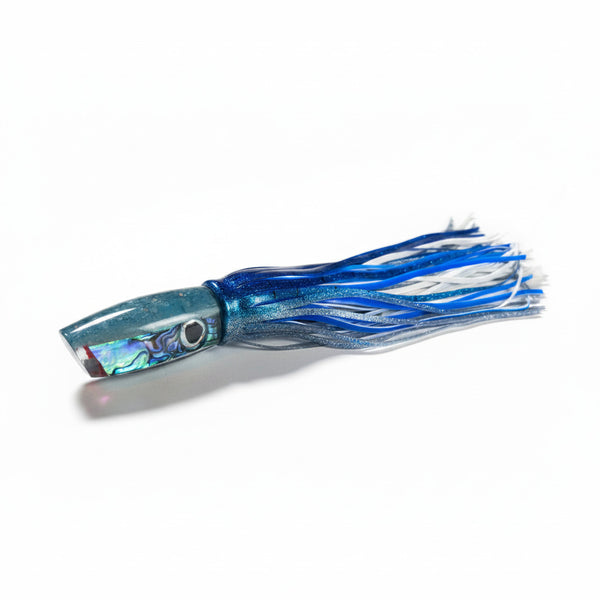
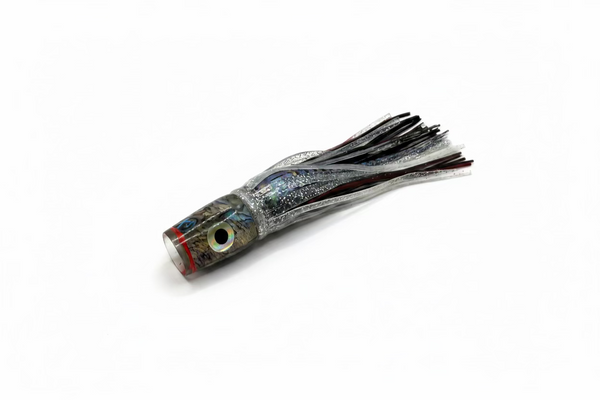
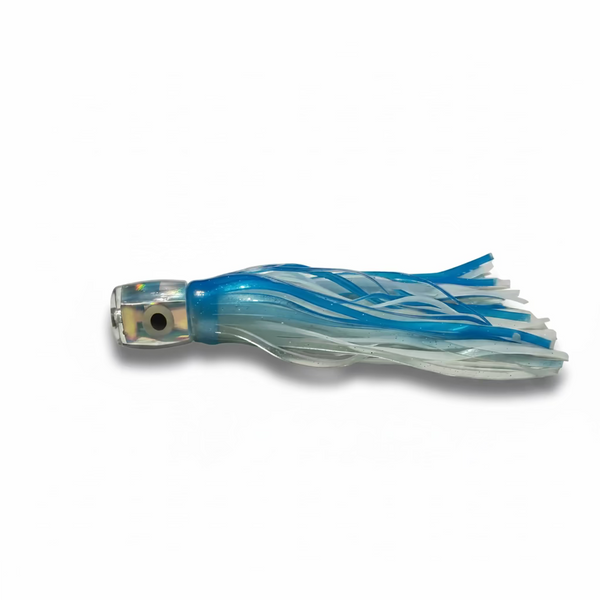
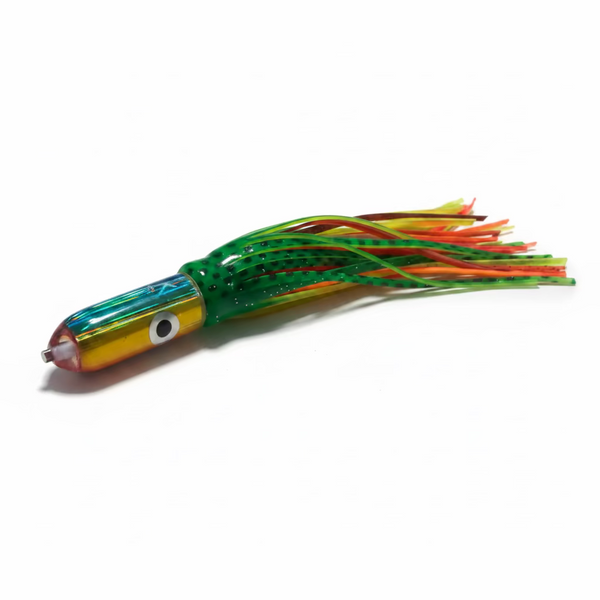
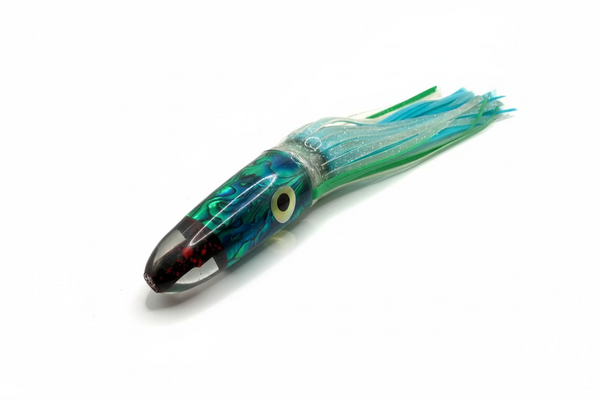
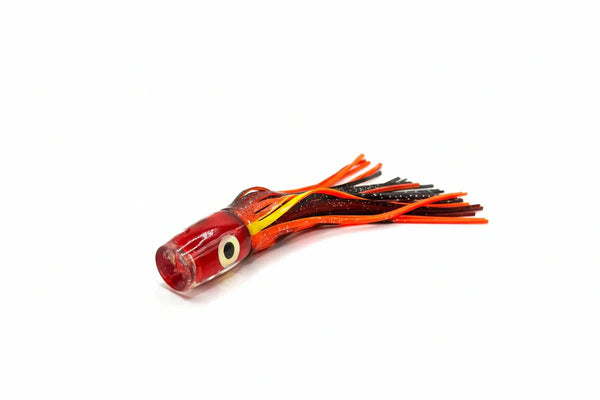
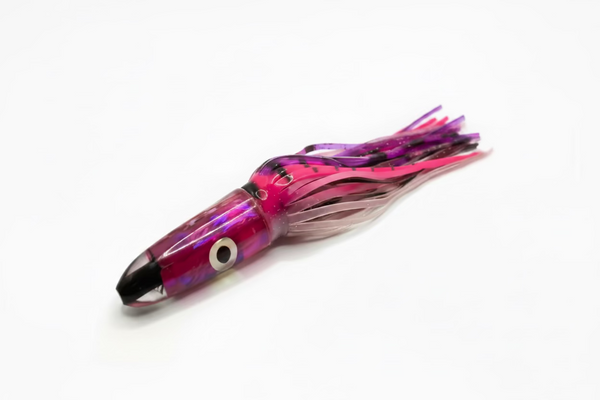
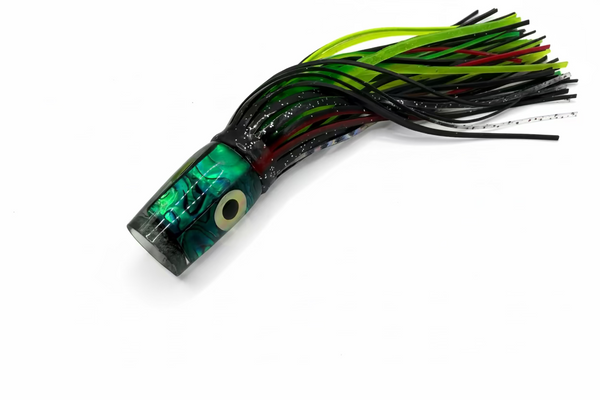
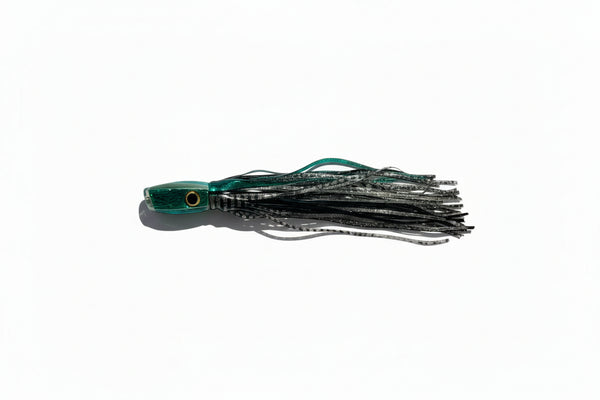
A strong setup starts with the lure head and skirt combination. Bullet-style lures, weighted jet heads, and hard-tracking resin heads are all proven wahoo lures because they hold position and keep smoking without washing out. Flash matters too. Wahoo key on speed, profile, and sudden visual contrast. A lure with clean action and hard flash is often more valuable than one with exaggerated movement.
Leader choice is where a lot of anglers get sloppy. You need enough bite protection to survive those teeth, but too much cable or too much visible hardware can kill the look of the lure, especially in clear water. That is why there is no single perfect answer. It depends on water clarity, trolling speed, lure size, and how aggressive the fish are feeding.
1. The short corner swimming lure setup
This is one of the most dependable rods in a mixed-speed spread. Run a medium or large lure with enough head weight to stay planted in the white water, usually on the short corner where it can dig and smoke without jumping. A lure that tracks straight here gives wahoo a target they can find even when the spread is busy.
This setup works well at moderate trolling speeds around 8 to 12 knots, especially when you are covering edge lines, current rips, or bait-rich structure. Keep the lure close enough to stay in the action but far enough back that it is not getting buried by prop turbulence. If the lure is constantly blowing out, it is either too light, too soft in the head design, or set in the wrong lane.
A lot of experienced crews like a single hook rig here for clean tracking and solid hookup placement. If your lure is rigged right and the head shape is stable, this is one of the highest-percentage rods on the boat.
2. The long corner bullet lure setup
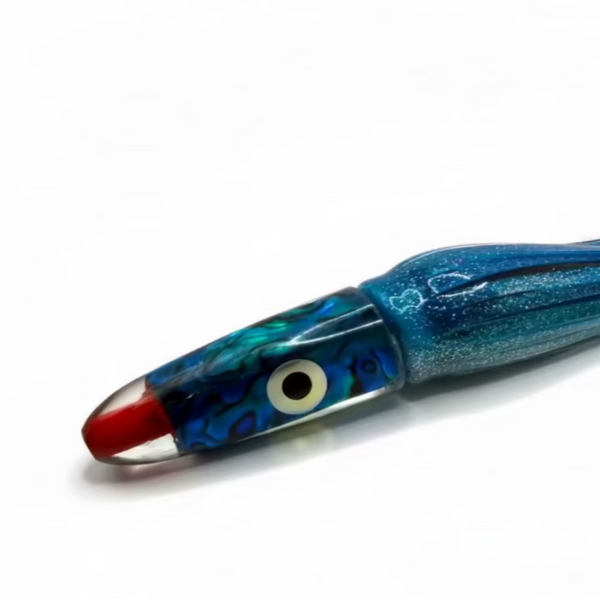
If the short corner is your bruiser, the long corner is your cleaner look. A bullet-style lure with a streamlined head and tight skirt profile runs well here because it holds water and tracks with less commotion. This is a strong position for a lure with heavy flash, especially in blue water where wahoo are feeding by sight.
This rod shines when fish are keyed on speed but do not want an oversized target. It is also a good place for an abalone flash lure that throws a hard, sharp signal without overworking. That kind of presentation is built to get strikes because it stays natural while still standing out.
For serious offshore anglers, this is one of the best wahoo trolling setups when you want something dependable in a mid-range speed program. It also plays well in a spread targeting tuna and mahi, which matters if you are not running a dedicated wahoo-only day.
3. The long rigger high-speed bullet setup
When you bump the boat up and start covering water fast, the long rigger becomes prime real estate for a lure that can handle pace. A heavy bullet striker or weighted resin head is a smart choice here because it stays in the water and leaves a clean smoke trail instead of cartwheeling.
High-speed trolling for wahoo can mean anything from the low teens up to the upper teens, depending on sea conditions and how your boat carries the spread. The mistake is assuming every lure marketed for wahoo can actually run there. Many cannot. If the lure skips, spins, or tracks sideways, pull it. A mediocre lure at 16 knots is dead weight.
Keep the profile compact, the leader strong, and the hook rig simple. This is not the place for excess drag or oversized skirt material. You want a lure that eats water cleanly and stays visible at speed.
4. The shotgun setup for pressured fish
The shotgun is not always the hottest rod, but when wahoo are boat-shy or sliding off the prop wash, it can be the difference maker. A smaller bullet or jet-style lure run way back in clean water often gets bit by fish that would not commit closer in.
This setup is especially effective in clear conditions and on days when you are seeing followers but not getting solid attacks. The extra distance gives the lure a more natural window. It also helps when your boat has a loud wake or you are fishing around traffic.
The trade-off is practical. Long shotgun bites can be harder to clear around, especially with multiple anglers or a short-handed crew. If your cockpit routine is not tight, a hot shotgun fish can become a crossed-up mess in a hurry.
5. The planer or trolling weight setup
When fish are holding deeper, a planer or inline trolling weight setup gets your lure below the surface chaos. Wahoo are comfortable feeding down in the column, and a lure that tracks beneath the white water can look completely different from everything on top.
This is one of the most effective setups around ledges, drop-offs, and temperature breaks where fish are stacked but not willing to rise. A compact lure with strong flash works well here because the added weight or planer already creates enough disturbance. You do not need a giant head. You need something that tracks true and stays visible.
Rigging matters more here than anglers sometimes admit. If your release is inconsistent or your weight system is dragging the lure out of alignment, you lose the whole advantage. Test it before the bite starts. A deep rod that is not running correctly is just taking up space.
6. The wire leader reaction-bite setup
There are days when wahoo are so aggressive that clean wire gets more bites than anglers expect, especially at higher speeds where they have less time to inspect. A short wire leader paired with a bullet head or hard-running resin lure can be a smart reaction setup when bite-offs are costing you fish.
This works best when the wire section is neat, compact, and matched to the lure. Long, clumsy wire rigs kill action. Short, well-built wire in front of a lure that already runs straight is a different story. It gives you insurance without turning the whole presentation into hardware.
If the water is slick calm and ultra-clear, you may still get better results with a more discreet bite section. That is the trade-off. Wire improves survival, but not always your first-look appeal.
7. The mixed-spread crossover setup
Not every offshore day is a pure wahoo mission. A lot of crews are trolling for whatever wants to eat, and that means balancing speed and lure style so the spread still appeals to tuna, mahi, or marlin. In that case, your best setup is often a crossover rod built around a stable medium lure with enough speed tolerance to stay in the game when you push the throttles.
This is where lure quality starts separating itself. A well-built, resin-coated trolling lure with premium rigging can handle a broader range of conditions than a generic skirt with inconsistent balance. That matters when the day changes by the hour and you do not want to rerig the whole spread every time you shift focus.
For brands built around tested offshore performance, this is the real value - tackle that does not force you into one narrow program just to get proper action.
How to choose the right setup for your boat
Boat size, wake shape, and trolling speed all change what your spread can support. A setup that runs perfectly behind a stepped center console may need major adjustment behind a heavier inboard boat with a different wake. That is why copying someone else’s exact distances rarely works on its own.
Start with lure behavior, not lure hype. Watch each bait. It should track straight, hold smoke, and recover cleanly after turns or speed changes. If it cannot do that consistently, move it, retune it, or replace it.
Then look at your bite pattern. If fish keep showing up short on the corners, your long positions may be too weak. If the only bites come way back, your close baits may be too noisy. Wahoo tell you a lot if you pay attention for more than one pass.
Speed, leader, and hook details that matter
Speed is not just a number. It is lure-specific. Some lures are comfortable at 9 knots and start failing at 12. Others are built for high-speed work and barely wake up below that. Match the lure to the pace, not the other way around.
Leader length should protect you without ruining action. Hook rigs should be strong enough for violent strikes but not so heavy that they kill the lure. Crimps, heat shrink, hook orientation, and skirt length all matter because wahoo punish weak points immediately.
That is why experienced crews put so much value on USA-rigged tackle that has already been tested under pressure. It saves time, cuts guesswork, and gives you a spread you can trust when the bite is hot.
The best wahoo trolling setups are not complicated. They are disciplined. Run lures that stay in the water, leaders that survive teeth, and positions that make sense for your boat. Then keep the spread clean enough that when a wahoo finally shows up angry and fast, there is nothing left to fix.
Ready to rig up? Shop our wahoo trolling lures — bullet heads and resin lures built to hold speed, with metal leader options for toothy fish.