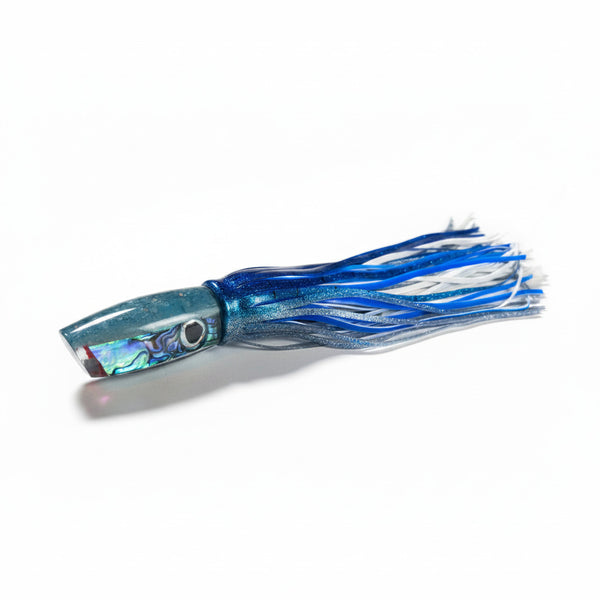
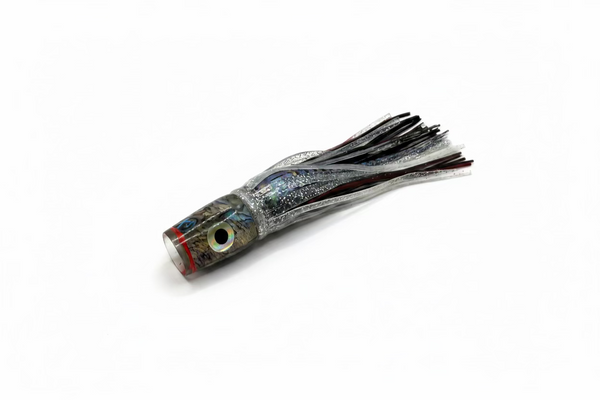
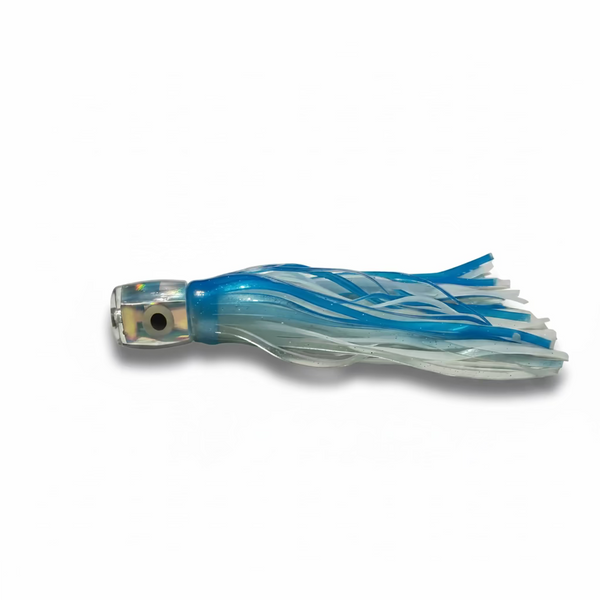
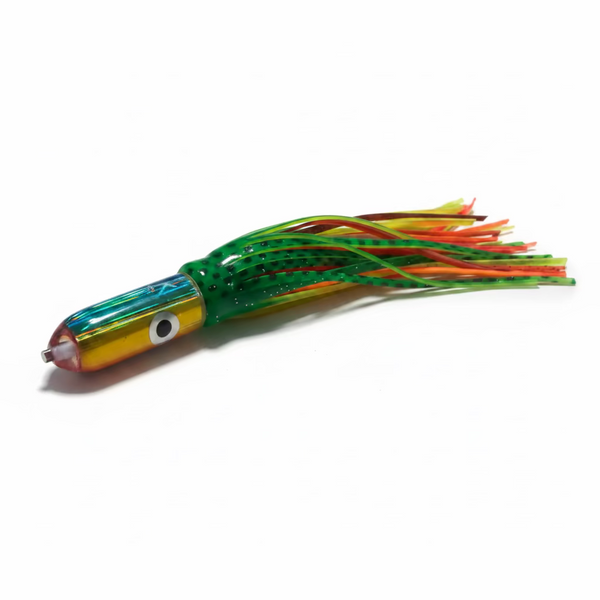
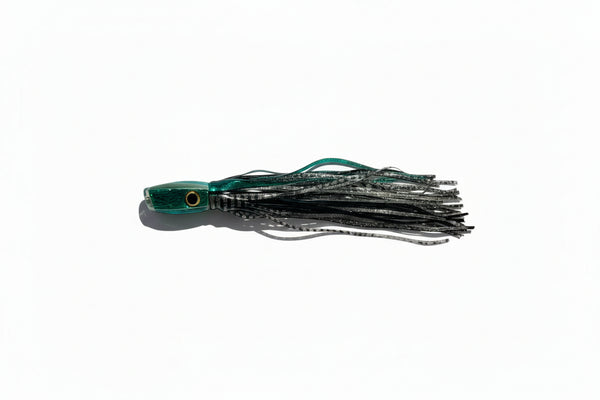
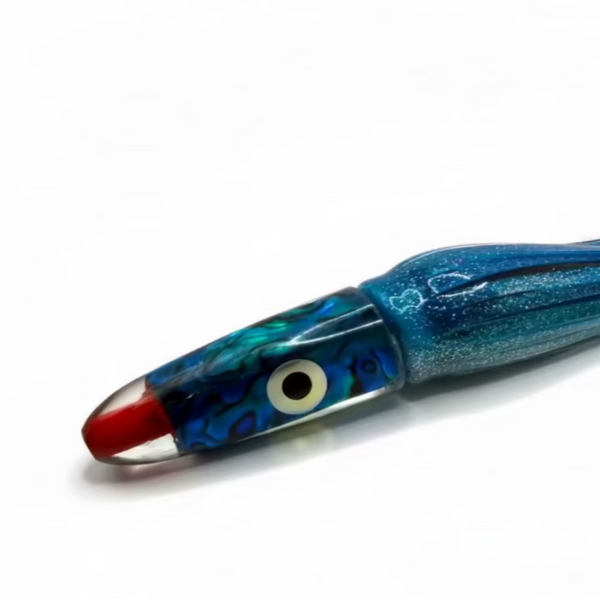
You do not need a dozen theories when tuna are up, moving fast, and only giving you short windows. You need a lure that runs clean, holds speed, and stays in the water where fish can track it. That is exactly why a bullet striker lure for tuna earns a permanent place in a serious offshore spread. It is built for one job - getting bit at trolling speed without wasting time on inconsistent action.
Tuna do not always want a lure that throws a big, wild surface show. There are days when that works, especially with aggressive yellowfin or school fish pushing bait high. But when fish are keyed in on tighter profiles, cleaner tracks, and fast-moving forage, a bullet-style head starts making more sense. It gives you a disciplined presentation instead of a sloppy one.
Why a bullet striker lure for tuna works

A proper bullet striker is a speed-friendly lure. The head shape keeps it tracking straight, reduces blowout, and lets it stay composed in rougher water or higher trolling speeds. That matters with tuna because speed changes are often part of the game. You may be covering water looking for life, pulling through temperature edges, or adjusting pace around bird piles and scattered foamers.
The biggest advantage is consistency. A lot of lures look good in flat water behind the boat and fall apart once the chop builds or the boat starts quartering. A bullet head is less likely to wander, tumble, or lose its position in the spread. When the lure is where it should be and swimming the way it should, your odds go up.
There is also the profile. Tuna feed on everything from small saury and flying fish to juvenile tuna, mackerel, and hard-bodied bait. A bullet striker matches that clean, direct silhouette better than a lure with a lot of extra commotion. It does not need to overperform on splash. It needs to stay believable.
What separates a good tuna bullet from a bad one
Not every bullet lure deserves space in a tuna spread. The shape may be simple, but the details are not. Head balance, resin quality, skirt material, rigging, and overall finish all affect how the lure runs and how long it holds up.
A good tuna bullet tracks true at a range of speeds. It should not need constant babysitting. If you are checking it every few minutes because it is spinning, skipping, or washing out, that lure is costing you time. Offshore, time matters.
Construction matters just as much. Tuna put pressure on everything. Cheap resin cracks. Weak skirts foul or tear. Poor hooksets and bad rigging lose fish after the strike. Serious anglers know the difference between a lure that looks good in a package and one that is built to get strikes and stay together once a fish is on.
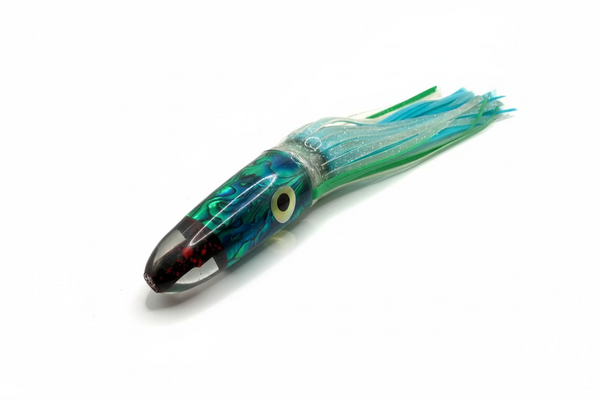
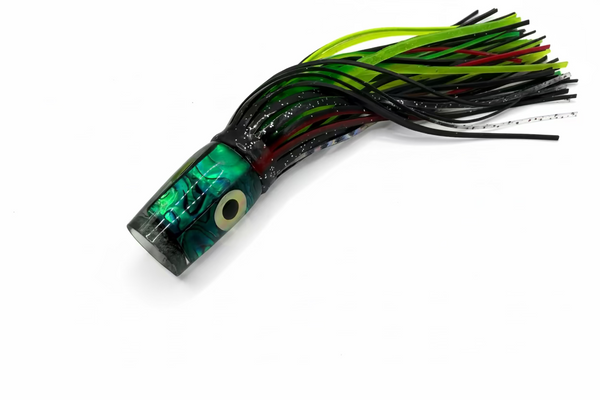
Flash is another factor, but it has to be the right kind. Too much gaudy material can kill the clean profile that makes a bullet effective in the first place. Done right, reflective finish adds life without ruining the shape. Abalone-style flash, for example, gives off a natural broken-light effect that reads well in blue water without turning the lure into a gimmick.
Where to run a bullet striker for tuna
This is where a lot of anglers either get extra bites or waste a good lure. A bullet striker lure for tuna usually shines in positions where a stable lure has room to work. Long rigger, short rigger, and shotgun are all productive depending on sea state, boat size, and the rest of your spread.
The shotgun is a classic home for a bullet. Way back in cleaner water, it gives the lure space to stay in a tight lane and show fish a straightforward target. This is especially effective when tuna are reluctant to commit to noisier lures closer to the transom.
On the riggers, a bullet can be deadly when you need a contrast piece in the spread. If your short positions are running more active heads or heavier smoke trails, the bullet gives fish a tighter, more controlled bait profile to key on. Often that is the lure that gets the bite from a fish that came up behind the boat and did not like the bigger show.
It depends on conditions, though. In steep chop, some boats can still run bullets effectively from closer positions because the lure remains composed. In flatter water, you may want it farther back where tuna have more time to line it up. There is no fixed answer, but there is a pattern - bullets do best when they are allowed to run clean.
Best trolling speeds for tuna bullets
One reason anglers keep bullets in rotation is speed tolerance. Tuna trolling does not always happen at one perfect number. You may be dragging baits at a moderate pace one hour and covering ground faster the next. A solid bullet handles that better than many broader or more active heads.
For most tuna applications, bullets are comfortable in the general range where offshore trolling naturally lives. The exact speed depends on lure size, sea state, leader stiffness, and where the lure is positioned, but the point is simple: a good bullet should not fall apart the moment you push the throttles a little.
That does not mean faster is always better. If the lure starts riding too high or loses its clean smoke trail, back it down. Tuna are efficient feeders. They do not need a lot of chaos to trigger. Often the best presentation is the one that looks easy to catch.
Rigging matters more than anglers like to admit
A well-shaped lure cannot save a poor rig. If your hook is oversized, misaligned, or stiff in the wrong way, you can ruin the lure’s action and hurt your hookup ratio at the same time.
For tuna, most anglers want a single-hook rig or a clean stiff-rigged setup that matches the lure size and target class. The goal is straightforward - keep the lure tracking correctly and put the point where it can find purchase on a slashing strike. Too much hardware creates drag and kills action. Too little backbone invites failure when a better fish shows up.
Leader choice also matters. Heavy enough to handle abrasion and pressure, but not so heavy that it chokes the lure. There is a balance. Big bluefin tackle is different from school yellowfin tackle, and your rig should reflect that. Skip the guessing and match the rig to the fishery, not just the lure.
When tuna prefer a bullet over a bigger-headed lure
This is where experience shows. There are days when tuna absolutely crush lures with more face, more smoke, and more surface disruption. There are also days when those same lures raise fish that never commit.
A bullet is often the better call when bait is small, water is clean, and fish are tracking but not finishing. It also shines when the ocean has enough texture to move the spread around but not enough to demand oversized heads. If fish are window-shopping behind your transom, a tighter-running lure can close the deal.
Pressure can play a role too. In areas that see a lot of trolling traffic, tuna get a long look at common lure actions. A bullet with the right flash and a disciplined track often looks less artificial than a lure trying too hard. It is not magic. It is just a cleaner presentation.
Color, flash, and size for tuna applications
There is no single best color for every tuna day, and anybody telling you otherwise is selling certainty that offshore fishing does not offer. Water color, light angle, bait profile, and depth of fish all matter.
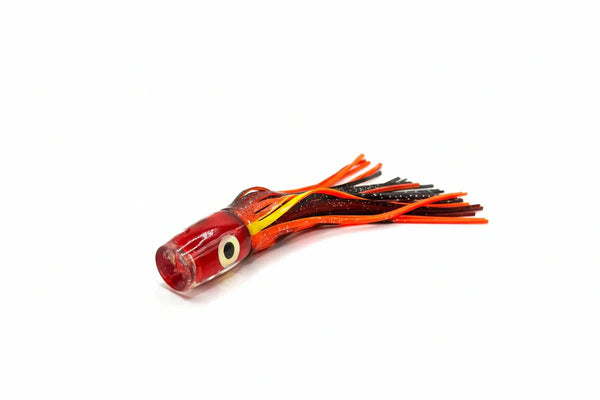
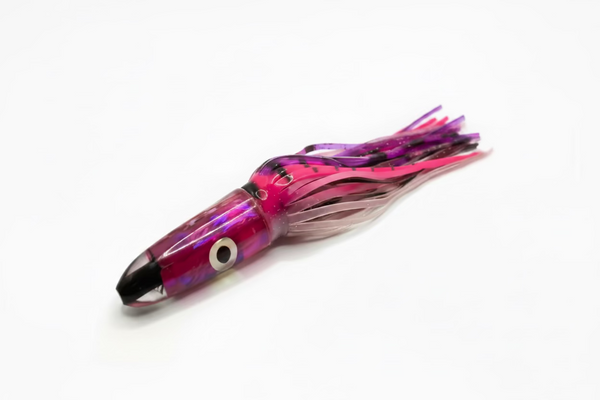
That said, productive tuna bullets usually stay within proven lanes. Dark over light combinations give contrast. Natural bait tones work when fish are focused. Luminous accents can help in low light or dirty water. Reflective shell or abalone-style finishes add a high-end flash pattern that changes with angle instead of just blasting one flat color.
Size should match both the fish and the forage. Smaller bullets are excellent when tuna are keyed in on tight bait schools or when you need a less intimidating profile. Larger bullets belong in mixed spreads where bigger yellowfin or bluefin are in play, or when sea conditions call for a lure with more presence.
Building a tuna spread around a bullet striker
The smartest way to fish a bullet striker is not to make it do everything. Let it do what it does best. Pair it with lures that create contrast in the spread.
If your close positions are running more aggressive heads, use the bullet farther back as your cleaner target. If your pattern is already subtle, the bullet can serve as a dependable backbone lure while one or two other positions add extra surface action. You are not just pulling individual lures. You are building a system that gives tuna different but believable options.
That is where a premium, tested lure lineup matters. Serious offshore tackle should fit into an actual trolling program, not sit in a tackle bag because it looked good online.
A bullet striker lure for tuna is not about hype. It is about control, speed, and a profile that keeps getting eaten year after year. When the lure runs right, the rig is right, and the position is right, it becomes one of the easiest calls in the spread. Put it where it can track clean, let it work, and pay attention to what the fish tell you next.