The difference between a long day and a box full of fish usually is not luck. In offshore fishing, it is almost always spread quality, lure action, boat speed, and whether your gear is built for the species you are actually targeting. Good water helps. Bird activity helps. But if your presentation is wrong, you can troll through life all day and never get paid.
That is why serious bluewater anglers stop guessing. They build a spread with purpose, run tackle that holds together at speed, and choose lures that track clean, flash hard, and stay in the zone. Whether you are pulling for yellowfin, hunting wahoo on the edge, or setting a pattern for blue marlin, the fundamentals still decide the outcome.
What offshore fishing really demands
Offshore fishing is unforgiving on tackle. Lures get pounded by wash, pulled at speed for hours, and then asked to stay straight when a fish piles on. Weak skirts, poor rigging, and inconsistent head shapes get exposed fast. The result is familiar - blown-out action, missed bites, and gear that looked good in the package but never belonged in the spread.
This is why experienced crews put so much weight on lure design and rigging quality. A productive trolling lure does not just look flashy in your hand. It has to swim correctly in clean water, smoke when it should, pop when it should, and recover without spinning out. That sounds simple until you are running mixed conditions, changing speed, or trying to keep a full spread working through quartering seas.
The same goes for spread components. Teasers, bird chains, squid chains, and dredges are not decoration. They create commotion, build a target, and help position predators where your hook baits can do their job. When the system is built right, every piece supports the next.
Building an offshore fishing spread that works
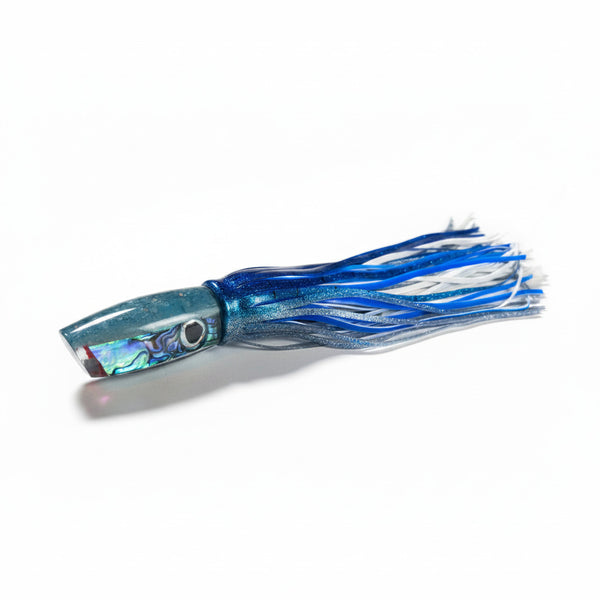
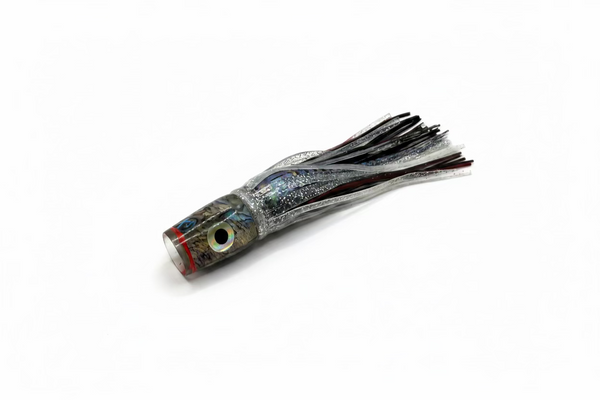
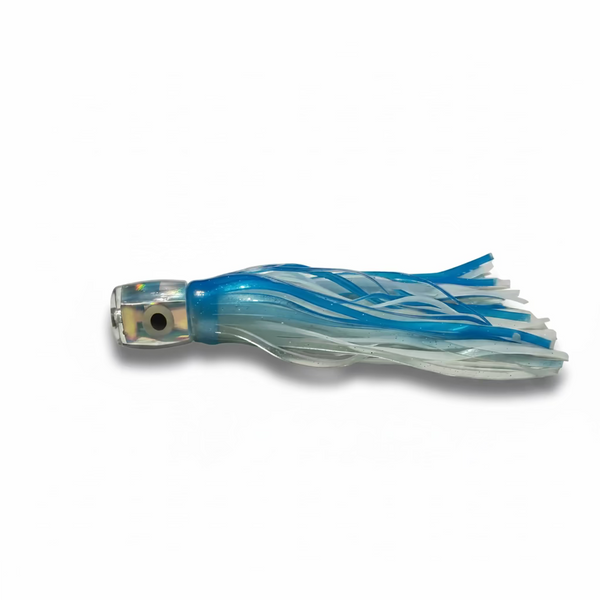
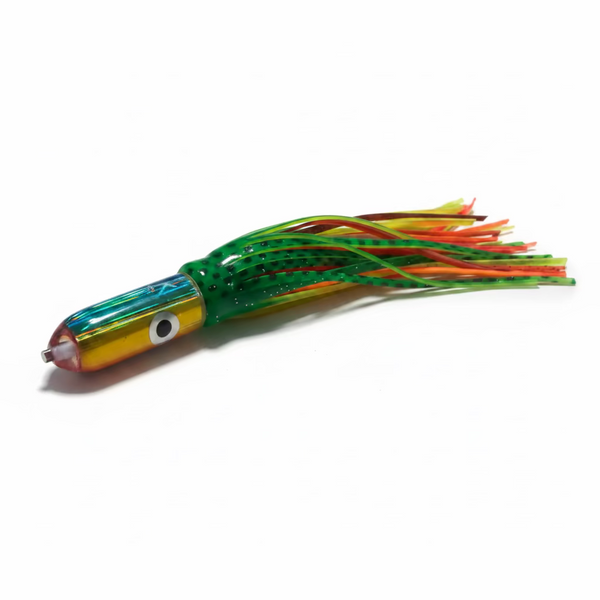
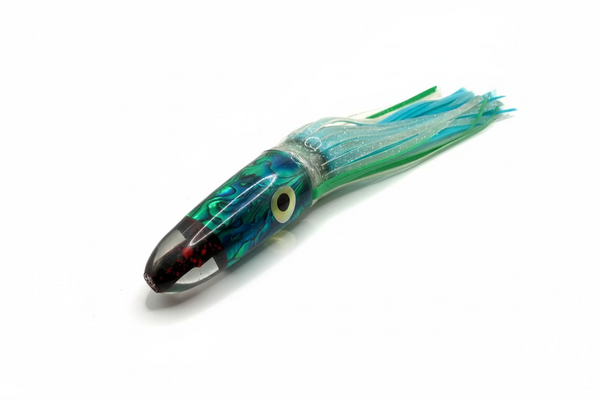
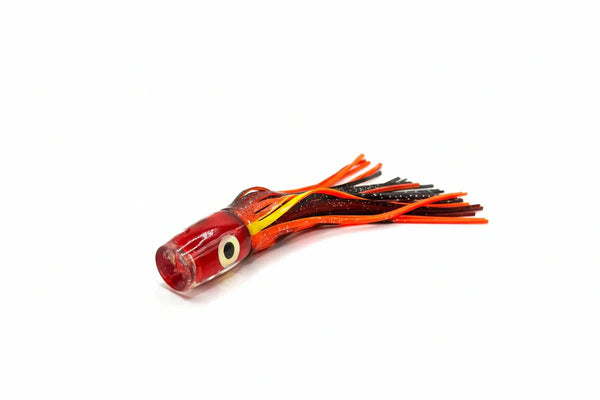
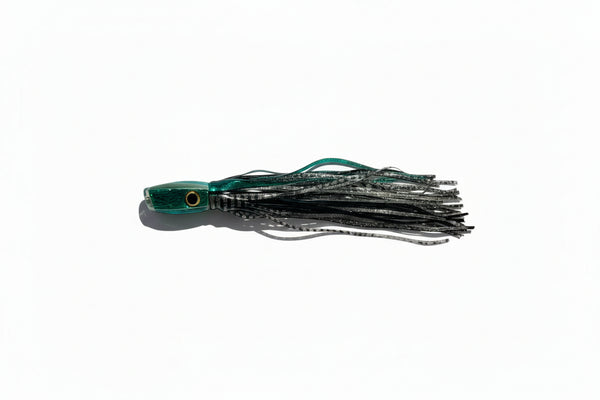
A strong offshore fishing spread is less about how many rods you can fit in the wake and more about giving each bait a role. You want contrast in position, profile, and action. That means one lure may be tracking tight and clean in the short corner while another has more smoke and surface disruption farther back. A bullet may hold straight for tuna or wahoo at higher speed, while a larger cup-faced or slant-style bait gets used where you want a bigger cycle and more water displacement.
Too many anglers make the spread either too uniform or too random. Uniform spreads can look neat, but they do not always give fish enough variation to key on. Random spreads create tangles, inconsistent tracking, and wasted time. The better approach is controlled variety.
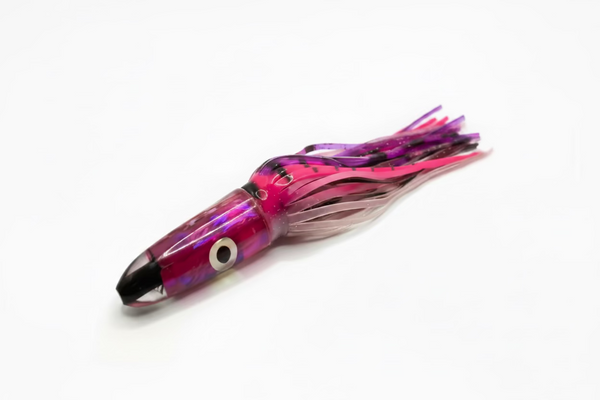
For tuna, many crews favor smaller to mid-size profiles with consistent action and enough flash to stand out without looking unnatural. Bullet-style lures earn their keep here because they hold in clean water and tolerate speed changes well. For wahoo, speed and durability matter more, and the lure has to stay true under pressure. For marlin, profile and position become more critical, especially when you are trying to raise fish into a pattern rather than just pick off opportunistic bites.
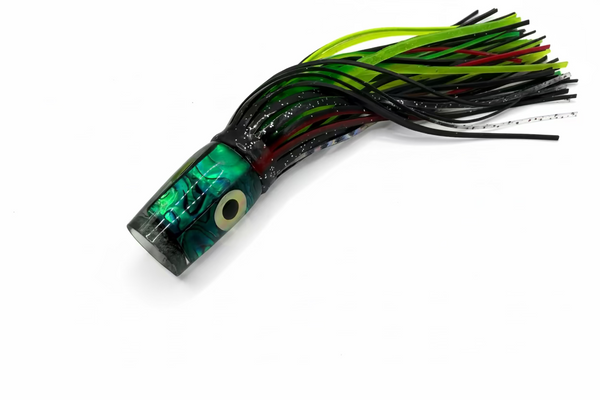
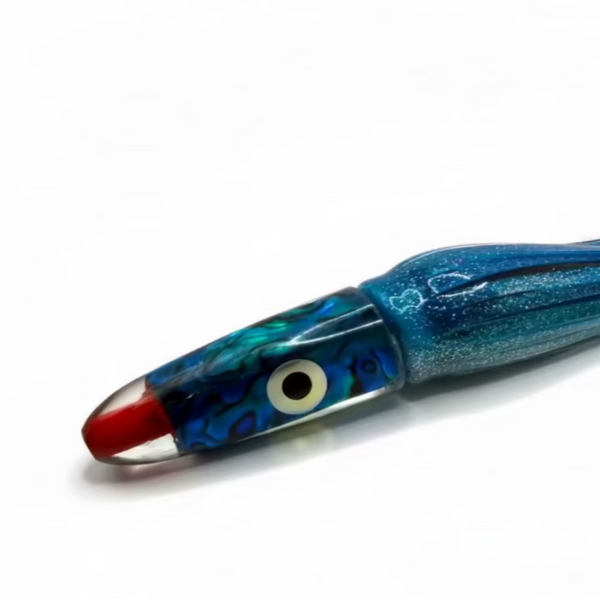
That is where material choice starts to matter. Abalone resin, for example, gives a harder, more natural flash signature than a lot of mass-produced finishes. In clear bluewater and bright conditions, that flash can separate one lure from the rest of the spread. It is not magic. It just shows better, especially when the lure is already doing the right work in the water.
Speed changes everything
Ask ten offshore crews what speed they troll, and you will get ten answers that all sound right. That is because speed depends on sea state, lure design, target species, and how your boat pushes water. Still, the principle is simple - your lures need to run properly at the speed you are fishing, not the speed printed on a label.
This is where many spreads fall apart. A lure that looks good at five knots may wash out at seven and a half. One that tracks straight in flat water may start skipping badly once the chop builds. If you are running a mixed spread, every bait needs to be checked in real conditions, not assumed to be fine because it swam correctly for thirty seconds behind the dock.
Good offshore fishing crews watch the spread constantly. They adjust drop-back distance, move lures into cleaner lanes, and swap out heads that are not matching the day. Sometimes the fix is as simple as changing a corner bait to a more stable profile. Sometimes you need to tighten the whole pattern because the boat is losing clean water behind the transom.
The anglers who catch consistently are not stubborn about this. They know action is not theoretical. Either the lure is running right or it is not.
Matching the lure to the fish
There is no single best offshore lure because pelagic species do not feed the same way. Tuna often reward consistency. They like baits that stay in rhythm, hold their position, and show enough flash to pull attention in the spread. Wahoo are more speed-driven and slash-oriented, so straight tracking, hard vibration, and durable rigging become more important. Mahi-mahi are less rigid, but that does not mean lure quality stops mattering. When fish are fired up, almost anything can get bit. When they are not, action and presentation separate producers from passengers.
Marlin add another layer. Sometimes they eat the biggest target in the pattern. Other days they fade in, window-shop the spread, and only commit to the bait that breathes right. That is why head shape, smoke trail, and lure position matter so much. A lure can be perfectly built and still be wrong if it is fished in the wrong place.
For serious anglers, this is the advantage of a curated tackle system over a pile of random offshore gear. You do not need fifty lures that all do the same thing. You need proven shapes, dependable rigging, and enough range in profile and action to cover your target species and trolling style.
Why rigging quality is not optional
A lot of offshore tackle fails before the fish ever shows up. Leaders chafe. Hooks ride poorly. Crimps are inconsistent. Skirts slide, twist, or get torn up long before they should. That is expensive, and worse, it costs fish.
Rigging quality matters because strike conversion matters. If a lure runs straight but the hook set is wrong, you are still losing the battle. If a fish hits hard and the hardware fails, the head design does not matter anymore. This is one of the biggest differences between premium offshore tackle and generic shelf filler. Better tackle is not just about appearance. It is about staying fishable, staying consistent, and keeping your chance alive when the rod finally folds over.
That is also why experienced crews value USA-rigged construction and tested components. It cuts down on unknowns. In offshore fishing, there are already enough variables you cannot control.
Reading conditions without overthinking them
Water color, temperature breaks, bait presence, current lines, and bird activity still drive the search. None of that changes. But anglers sometimes overcomplicate what happens after they find good water. They mark life, set a spread, and then keep changing lures every twenty minutes without giving any one pattern time to work.
There is a balance here. If your spread is clearly not swimming right, fix it fast. If you are in dead water, move. But if you are around bait, seeing flyers, marking tuna, or getting window-shopped by billfish, stay disciplined long enough to learn something. Productive offshore fishing is part decision-making and part pattern recognition. You do not get the second part if you never let the first one settle.
Confidence helps, but only if it is earned. Run tackle that has been tested across real bluewater fisheries, not just talked up. K2Fishing is built around that idea - handcrafted trolling lures and spread components made to fish hard, hold speed, and get noticed where it counts.
The gear that saves trips
Offshore trips are too expensive to waste on weak gear. Fuel is high, weather windows are short, and the fish you are chasing do not offer many free chances. That makes durability part of performance, not a side benefit.
A lure that tracks all day, keeps its finish, and stays rigged correctly is worth more than a cheap replacement cycle. The same goes for chains, teasers, and dredges that can handle repeated use without turning into maintenance projects. Premium tackle costs more up front, but for serious crews the math is simple - fewer failures, better action, and more confidence in the spread.
That confidence changes how you fish. You spend less time second-guessing gear and more time dialing in the pattern, reading the water, and reacting when the bite window opens. That is where offshore days turn.
If you want better results offshore, start with the part you can control. Run a spread with purpose, choose lures built for your target species, and pay close attention to how every bait behaves in the water. The ocean will still make you earn it, but at least your tackle will be pulling in the right direction.