At 7 knots, one lure smokes clean and another blows out every third wave. That is why the question of what speed for trolling lures never has a one-number answer offshore. The right speed is the one that keeps your lure tracking true, holding its lane, and showing the exact action that gets a pelagic fish to commit.
Serious offshore anglers already know this, but it still gets missed: speed is not just about the boat. It is about the lure head shape, leader length, rigging, sea state, where the lure sits in the spread, and what you are trying to raise. Skip the guessing and you waste less time dragging dead water.
What speed for trolling lures depends on
The short answer is that most offshore trolling lures fish well somewhere between 5 and 9 knots, with some setups running slower and some designed to handle more speed. That range sounds broad because it is. A small bullet can stay clean at speeds that make a larger cup-faced lure tumble. A lure that is deadly in the short corner at 6.5 knots may lose its rhythm if you bump up to 8 in a head sea.
The first thing to watch is lure action. A good trolling lure should dive, smoke, pop, or surface in a repeatable pattern. If it spins, skips wildly, or blows out of the water and never resets, the speed is wrong, the position is wrong, or the rigging is off. Speed is usually the easiest variable to adjust first.
The second factor is species. Tuna, mahi, marlin, and wahoo will all eat trolled lures, but they do not always respond best to the same pace. Your target fish should influence your starting speed, then the lure itself tells you whether to stay there.
A practical speed range by target species
For tuna, many crews start in the 6 to 8 knot range. That is fast enough to cover water and keep most medium offshore lures working with a clean smoke trail. Blackfin and yellowfin will often climb on a lure spread run at those speeds, especially when the bait is moving and the ocean is not too rough. If you are seeing fish on the meter but not getting clean bites, dropping half a knot can change the cadence enough to convert lookers.
For marlin, 6.5 to 8.5 knots is a common working zone for skirted lures. Large pusher heads, slant heads, and aggressive surface lures often need enough speed to breathe and leave a smoke trail, but too much speed can make them lose that cycle. Blue marlin crews often run faster than anglers targeting a mixed bag, especially when the spread is built around larger resin and head-shaped lures meant to stay stable in rougher water.
For mahi, 5.5 to 7.5 knots is usually productive. They are not typically as picky about exact speed as lure visibility and placement around weed lines, current breaks, and floating debris. That said, smaller lures often look more natural when they are not being overdriven.
For wahoo, speeds commonly climb into the 8 to 12 knot range when the gear is built for it. This is where lure design matters a lot. Not every offshore lure is made for high-speed work. True high-speed wahoo trolling demands heads, hooksets, and rigging that stay straight under heavy water pressure. Pulling a standard trolling lure too fast usually gives you bad action, line twist, or a lure that just spins uselessly.
Start with the lure, not the number
If you want the cleanest answer to what speed for trolling lures, start by watching each lure in the water before you ever lock in on a GPS number. A quality lure should tell you what it wants.
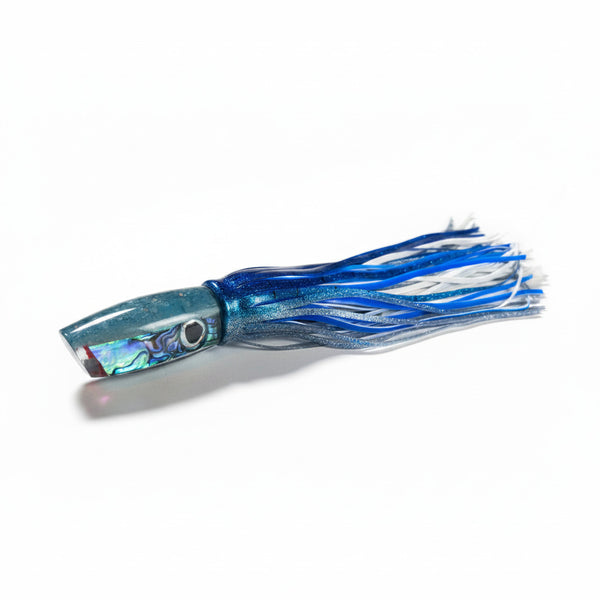
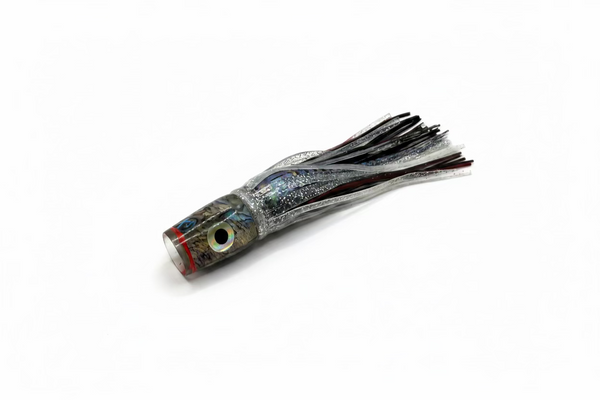
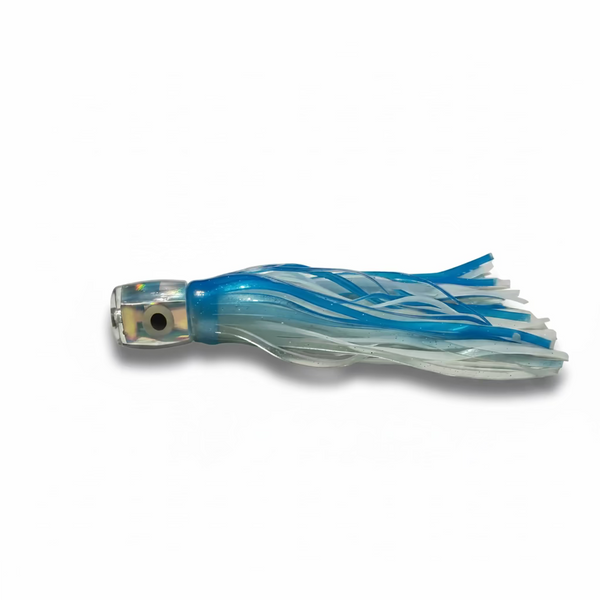
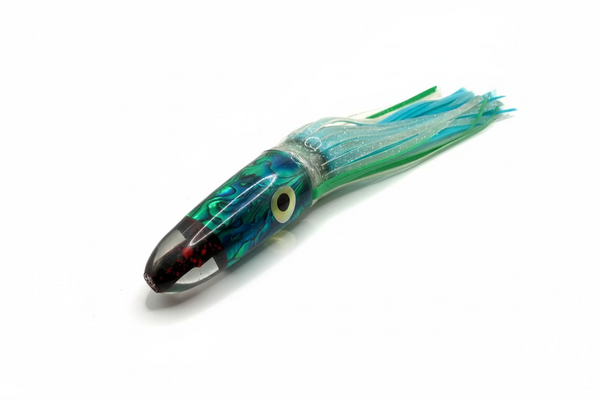
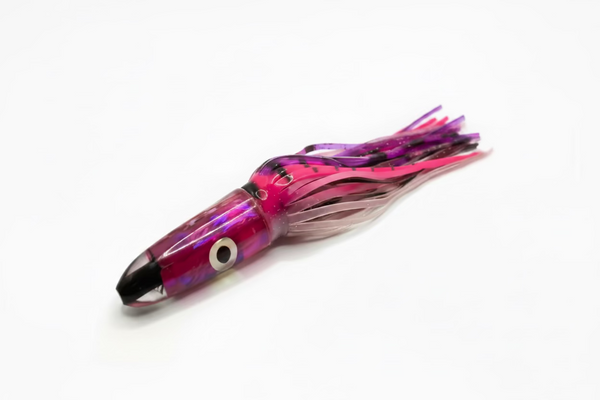
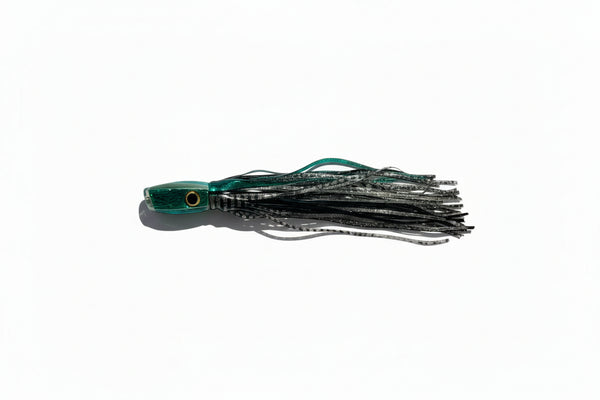
Bullet-style lures generally tolerate more speed and track well in cleaner water positions. They are a strong choice for tuna and wahoo applications because they stay down, run straight, and do not need a dramatic surface cycle to get bit. They are built for efficiency.
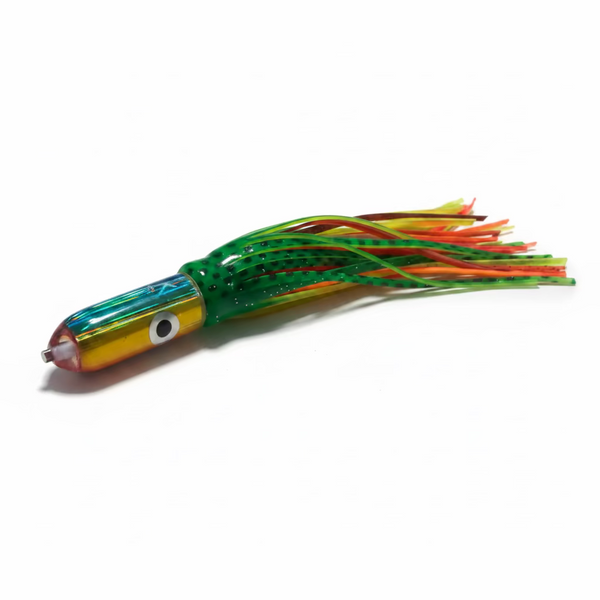
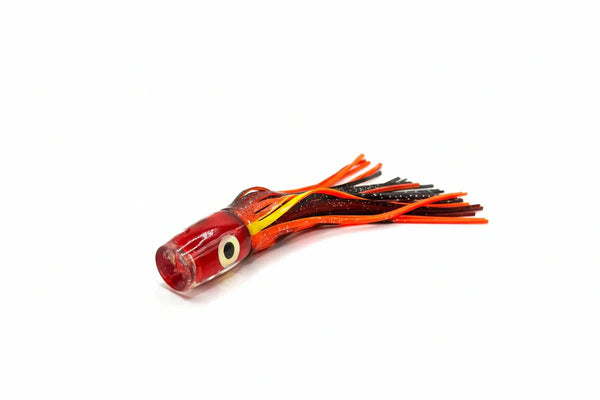
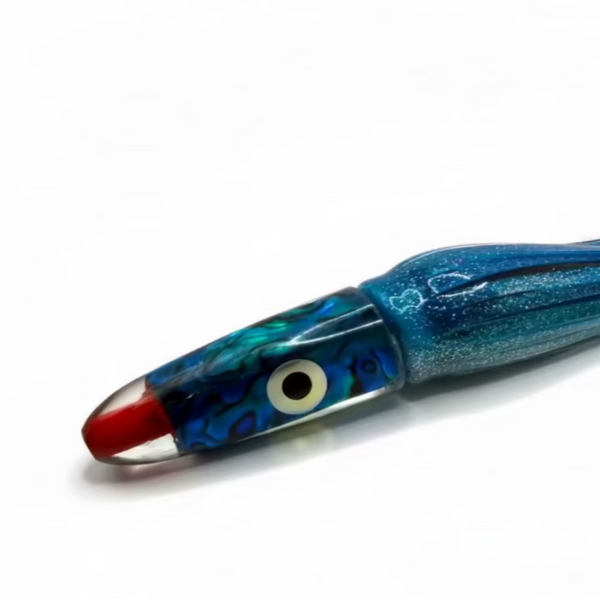
Slant heads, chuggers, and larger aggressive marlin-style lures often need a specific rhythm. Too slow, and they just drag. Too fast, and they pop out, tumble, or lose their smoke trail. The productive zone is where the lure dives, surfaces, and breathes consistently without blowing out.
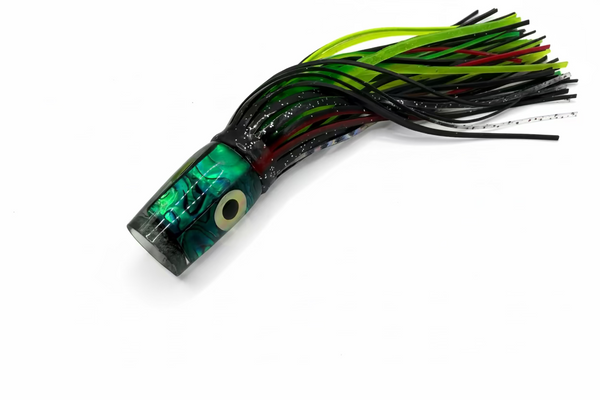
Resin trolling lures with balanced heads and clean rigging tend to hold speed better than cheap, inconsistent builds. That matters when the sea gets stacked up and every wave changes pressure on the spread. Premium construction is not cosmetic offshore. It is what keeps the lure fishing instead of failing.
Spread position changes lure speed
This is where a lot of anglers miss fish. Two lures in the same spread are not really fishing at the same speed, even if the boat speed is constant. The short corner gets worked harder in disturbed water. The long rigger usually runs in cleaner water with a different entry angle. A shotgun lure may behave better at a higher speed simply because it has cleaner water and a flatter line angle.
That means a lure that blows out in the short rigger might run perfectly on the shotgun. It also means slowing the boat is not always the best fix. Sometimes you just need to move the lure.
Short positions usually favor heavier, more stable heads that can hold in wash. Longer positions often let smaller or more sensitive lures show their best action. If one lure is not running right, change one variable at a time: speed, then position, then drop-back distance.
Sea conditions matter more than anglers want to admit
Flat calm water lets you run a lure spread very differently than a quartering sea with a hard wind chop. In calm conditions, you can often get away with more speed because the lure is not getting launched by every second wave. In rough water, the same lure may need less speed to stay in the water and complete its cycle.
Current also changes effective lure speed. If you are trolling with the current, your lures may look slower in the water than your GPS suggests. Troll into the current and they may suddenly look overworked. This is why experienced crews trust their eyes as much as their electronics.
If your spread looks perfect at 7.5 knots going east and terrible at 7.5 coming back west, the issue is not mystery fish behavior. It is lure speed through the water. Adjust accordingly.
Signs your trolling speed is wrong
When the speed is too fast, the lure often spins, skates, blows out, or leaves the water without resetting cleanly. You may also see leaders chafing faster or hooks riding poorly because the lure is under too much pressure.
When the speed is too slow, the lure can look dead, with no smoke trail, no kick, and no consistent dive-and-surface pattern. It may simply drag behind the boat with very little life.
The strike pattern gives clues too. Short bites, swats, or raised fish that never eat can mean the lure is visible but not convincing. Sometimes a half-knot change fixes that faster than swapping colors.
Best practice for dialing in what speed for trolling lures
A smart starting point for a mixed offshore spread is around 6.5 to 7.5 knots. That speed keeps a lot of tuna and marlin lures fishing well while still covering ground. From there, watch every lure. If the long rigger looks lazy, bump up slightly. If the short corner starts blowing out in the chop, back off or move it.
Do not tune your whole day around the lure that runs worst. Tune the spread around your primary target and best-performing baits. Then adjust the outlier. Offshore fishing is always a trade-off.
If you are targeting wahoo specifically, build around a higher-speed system instead of forcing standard lures to do a job they were not designed for. If you are targeting tuna and marlin on the same pass, focus on clean action, smoke, and stability first. Speed is there to support the presentation, not replace it.
One thing experienced crews do well is test every lure close to the boat before setting the spread. That quick look tells you whether the lure is breathing correctly, tracking straight, and handling the current sea state. A lure that looks wrong 20 feet behind the transom will not fix itself 80 yards back.
Well-built offshore lures, including premium resin and bullet-style designs, give you a wider operating window because the head shape, balance, and rigging are made to stay consistent. That is exactly why serious anglers lean on proven tackle systems instead of generic lures that only look good in the package.
The best trolling speed is the one that makes your lure act alive, stay clean, and keep getting bit. Watch the lure, trust what the water is telling you, and make the small adjustments that turn a pretty spread into a productive one.