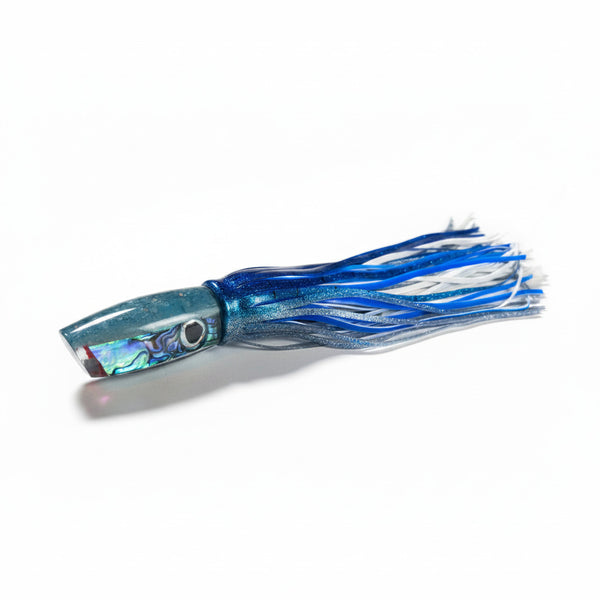
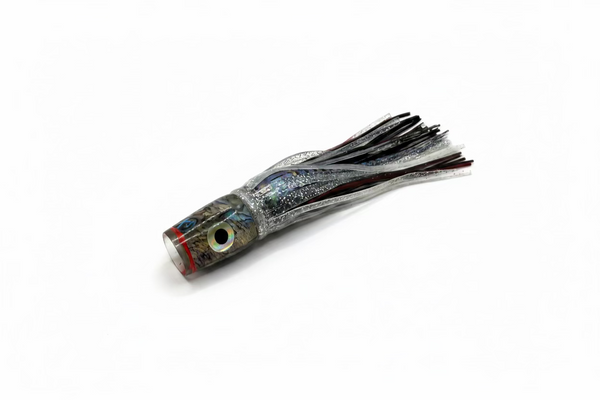
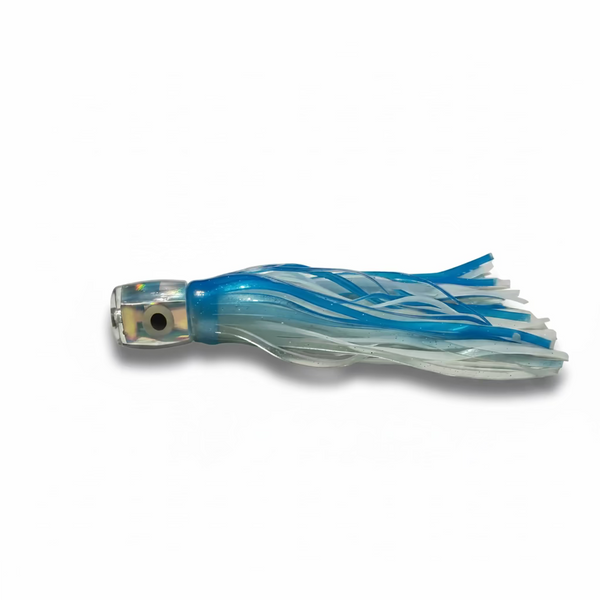
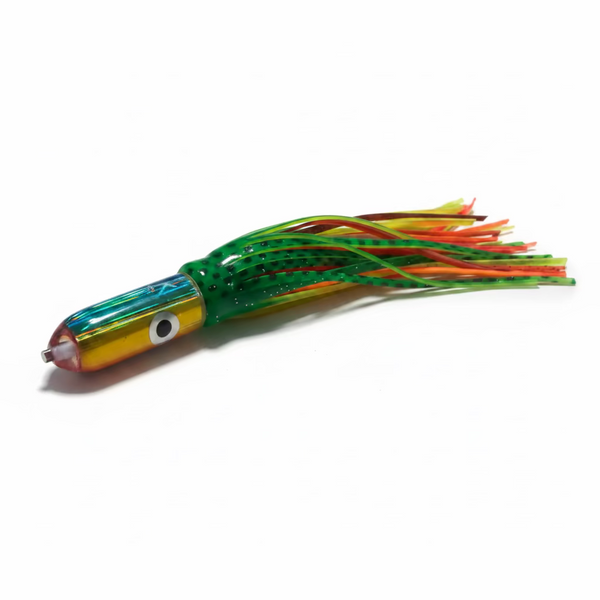
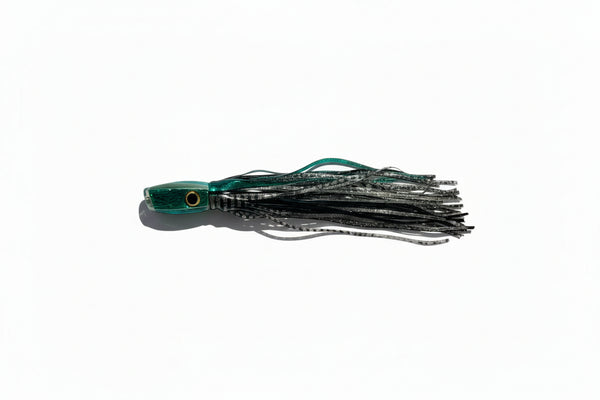
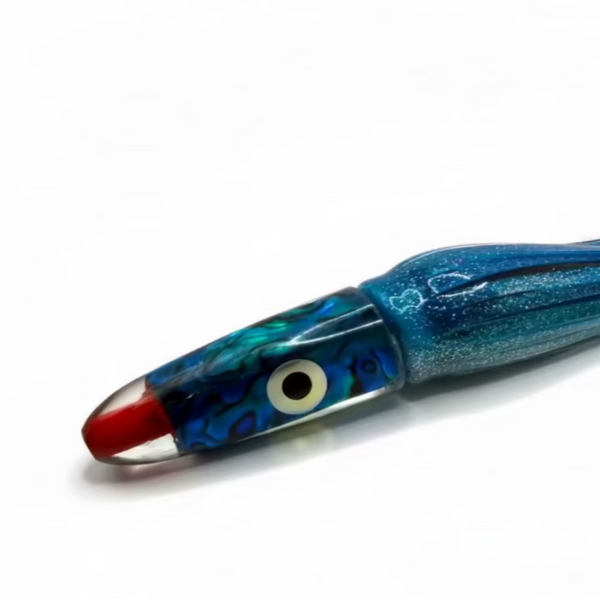
When a blue marlin climbs on a bait-and-lure pattern and ignores the smaller heads in your spread, the message is usually clear - it wants a bigger target with more presence. A large trolling lure for marlin is not just about throwing the biggest head in the box. It is about matching lure size, head shape, rigging, and position so the lure stays clean at speed and gives a fish a reason to commit.
Offshore anglers already know that marlin are not shy fish. They will crash a teaser, light up behind a long rigger, or track a short corner lure for long seconds before making a decision. That is why large marlin lures earn their place. They push more water, show more profile, and hold their place in rougher conditions where smaller lures can get lost. But bigger is not automatically better. The wrong large lure can blow out, spin, or simply look dead in the water.
What a large trolling lure for marlin should do
A good large trolling lure for marlin has one job before anything else - it has to run right. If the lure does not smoke, pop, dive, and surface in a clean cycle, color and flash do not matter much. Marlin respond to a lure that looks alive and vulnerable, not one that skates sideways and tangles itself.
For most offshore crews, a large marlin lure means something in the 12-inch to 16-inch class, sometimes bigger if the sea state, target species, and spread call for it. That size range gives you enough profile to raise blue marlin and large striped marlin while still staying practical for everyday trolling. Once you move beyond that, lure choice becomes more specialized and spread balance matters even more.
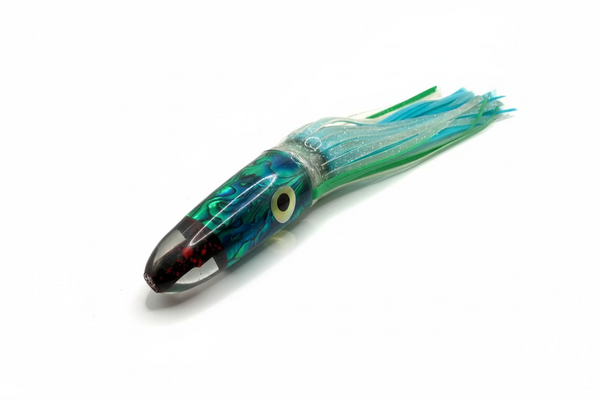
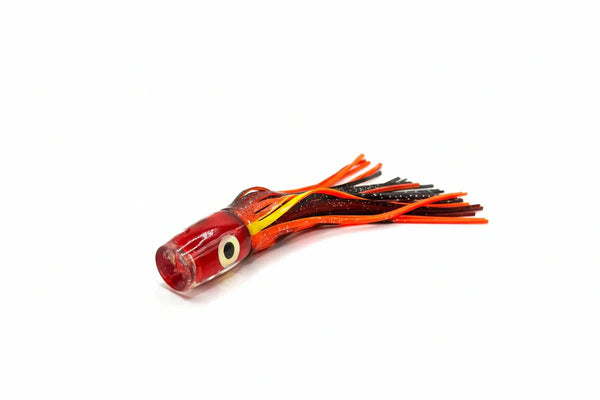
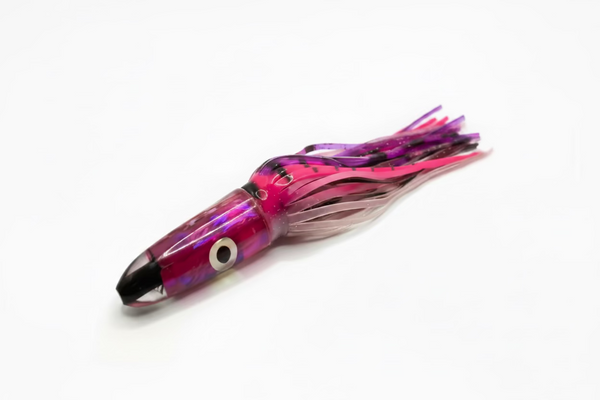
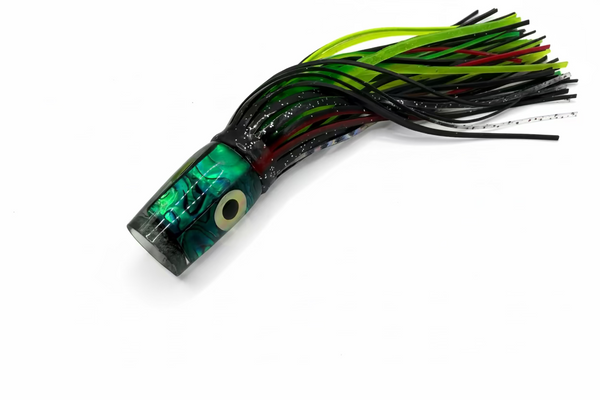
Head shape is where many anglers either dial it in or waste a day guessing. Bullet-style heads track clean in calmer water and at higher speed, but they usually produce a more subtle action. Slant heads, plungers, and cup-faced designs create more aggression in the water. They dig, throw smoke, and surface with more drama. On a marlin spread, that extra movement often matters, especially when you are trying to raise fish in mixed conditions.
Size matters, but only in the right water
There are days when marlin want a heavy footprint in the spread. Choppy bluewater, overcast skies, or areas loaded with larger bait can all favor a bigger lure. A large profile gives the fish something easy to see, and a lure with real flash helps it stand out even more. Resin heads with strong internal flash, including abalone-style finishes, can make a noticeable difference when fish are tracking from below or behind.
Still, there is a trade-off. In flat calm water or when fish are finicky, an oversized lure can become too much. It may push too hard, run too high, or create a silhouette that does not match what the fish are feeding on. That is why experienced crews do not build an entire spread around giant heads unless the bite has told them to. They use one or two large lures with purpose, then let the rest of the spread support the picture.
If you are targeting blue marlin specifically, large lures make the most sense on the short corner and long corner where they can work in heavier water. Those positions let a bigger head dig in and breathe without being forced to run too clean. On the riggers, many crews step down slightly in size but keep enough action and flash to stay competitive.
Where to run a large marlin lure in the spread
Spread position changes everything. A lure that runs perfectly on the short corner may look terrible on the long rigger. Bigger marlin lures generally do their best work where they can grab solid water and cycle naturally.
The short corner is the classic home for your largest, most aggressive lure. This is the zone with the most prop wash and turbulence, and a properly designed lure can use that dirty water to create a big smoke trail and a hard diving cycle. If a large lure can hold there without blowing out, it is built to get strikes.
The long corner is also a strong position for a large trolling lure for marlin, especially if the head has a slightly cleaner running attitude. This lure often gets a better look from fish that have come in on the short pattern and are moving across the spread. It should still have enough presence to compete, but it needs to stay disciplined in cleaner water.
On the long rigger, a large lure can work when seas are up or when you are specifically hunting larger blues. In calmer conditions, many anglers are better off dropping one size to keep the lure from overworking. The short rigger can go either way depending on your wake, your speed, and how the lure breathes.
Rigging makes or breaks lure performance
A premium head means nothing if the rig is wrong. This is where serious offshore anglers separate themselves from casual setups. Hook size, hook orientation, leader stiffness, and overall balance all affect how a large lure runs and how well it converts bites.
For marlin, a stiff single hook or a properly aligned twin hook rig is common, but the right choice depends on local regulations, crew preference, and the way the lure is intended to fish. A hook that is too large can deaden the action. Too small and you may lose authority on the bite. The lure needs to track straight, and the hook set needs to sit in line with the head rather than fighting it.
Leader choice matters too. Heavy leader is standard for marlin, but if the leader is too thick for the lure size or too stiff for the head design, it can kill the breathing cycle. Good USA-rigged offshore lures are built with this balance in mind. They are not just assembled to look clean in a package. They are rigged to run at trolling speed and stay there.
Color, flash, and when visibility wins
Marlin are visual predators. That does not mean there is a magic color every day, but it does mean visibility and flash count. Dark patterns can throw a strong silhouette in bright conditions. Blue, silver, and purple stay consistent in clear bluewater. Black and orange, lumo accents, and baitfish-style finishes all have their windows.
What often gets overlooked is how flash works inside the lure head itself. High-grade resin construction with strong internal reflection can give a lure another layer of visibility without making it look gaudy. That is especially true when the lure is surfacing and diving in a clean cycle. The fish sees movement, profile, and flash together, not as separate features.
That is one reason experienced crews lean toward lures built from performance-first materials rather than generic offshore heads. A lure should hold its finish, keep its shape, and keep producing after repeated strikes. Cheap skirts and weak heads do not last in marlin fishing.
Speed, sea state, and why testing matters
Most large marlin lures are fished somewhere around 7 to 9 knots, but no serious crew treats that as a fixed rule. Hull design, wake shape, current, and lure head style all change the sweet spot. Some large bullets like more speed. Some plungers need a little less to stay in rhythm. The lure tells you what it wants if you watch it long enough.
Sea state is the other half of the equation. A lure that is perfect in two-foot chop may be useless in stacked head seas. Bigger lures usually help in rougher water because they hold position and push enough water to stay visible, but only if the design is right. Testing across real offshore conditions matters more than tackle-shop hype.
That is where a focused tackle lineup has real value. Brands like K2Fishing build around proven offshore applications instead of trying to be everything to everyone. For anglers who want to skip the guessing, that matters.
When to fish big and when to scale back
A large marlin lure is a smart choice when you are specifically targeting blue marlin, trolling in rougher water, running a teaser-heavy spread, or fishing areas with larger forage. It also makes sense when you need one or two lures in the spread to command attention and raise fish from a distance.
Scale back when fish are window-shopping but not eating, when the water is slick and calm, or when the local bait is smaller. There is no prize for running oversized tackle if it makes your pattern less natural. Better crews adjust early instead of forcing yesterday's program into today's conditions.
The best large marlin lure is not the one with the wildest finish or the heaviest head. It is the one that runs clean, stays in the water you assign it, and gives big fish a target they trust long enough to eat. Start there, tune from there, and let the ocean tell you the rest.