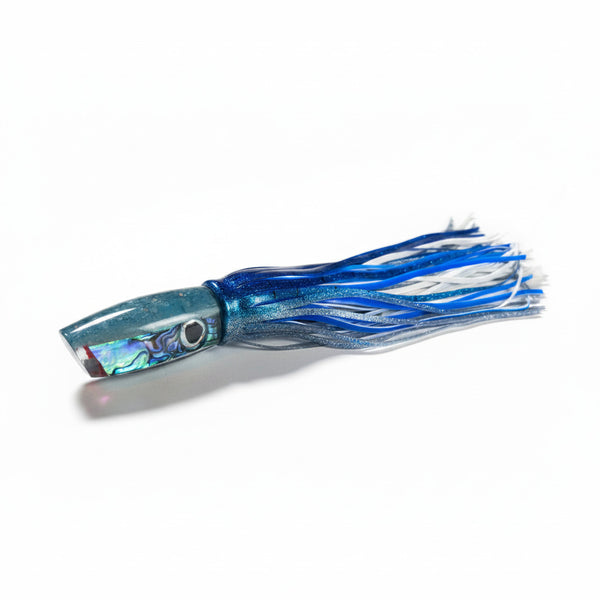
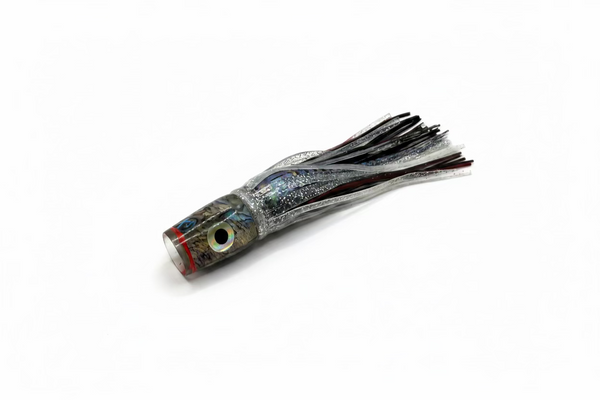
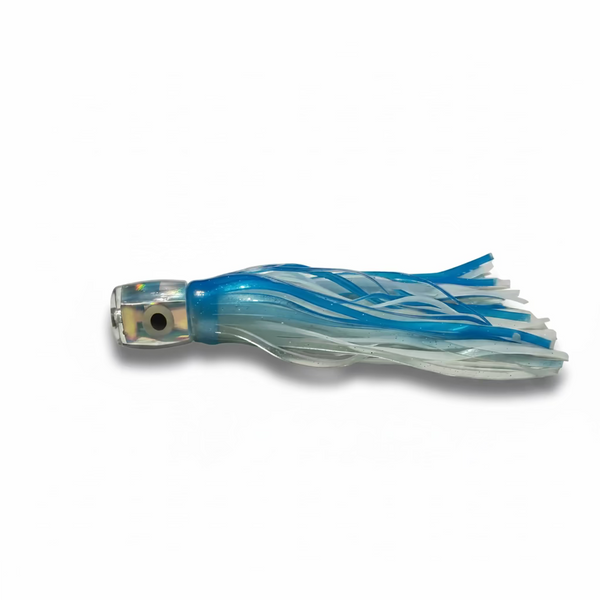
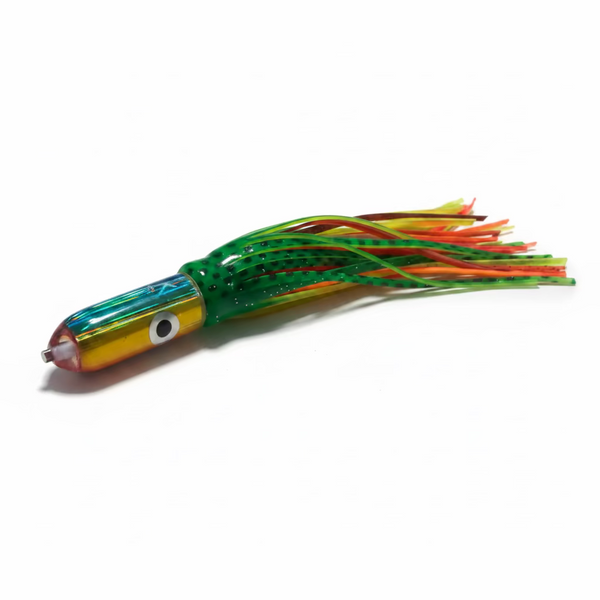
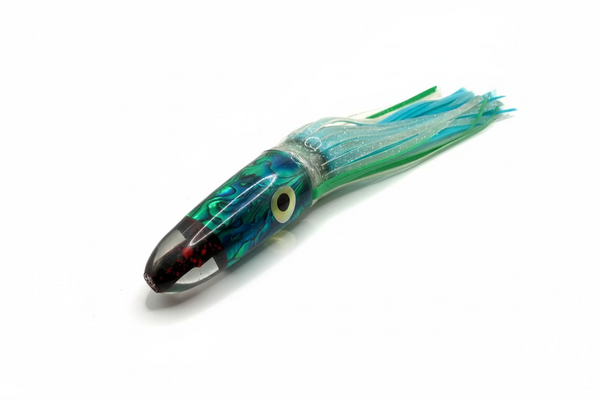
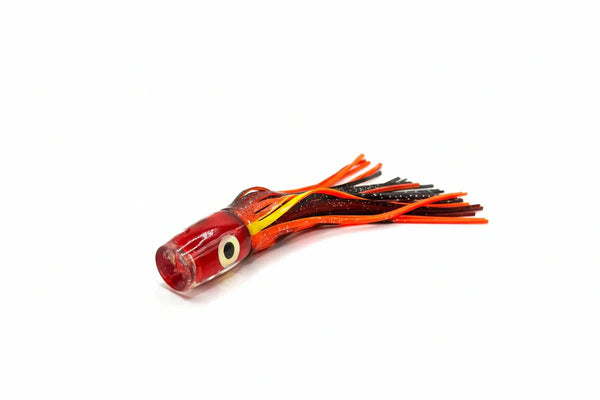
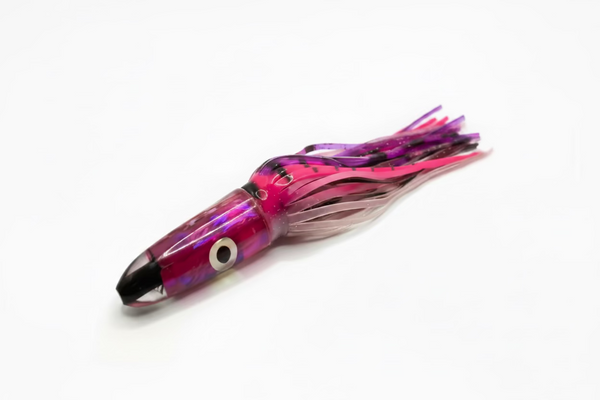
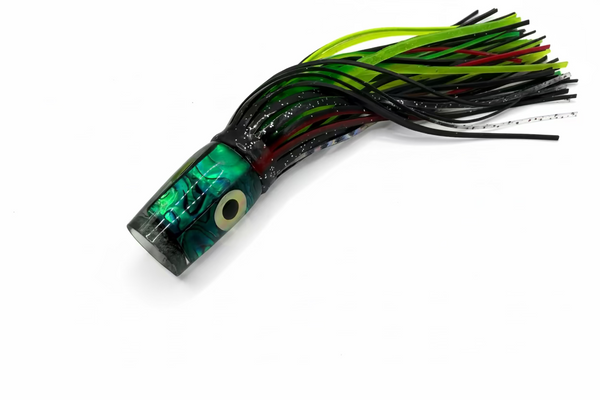
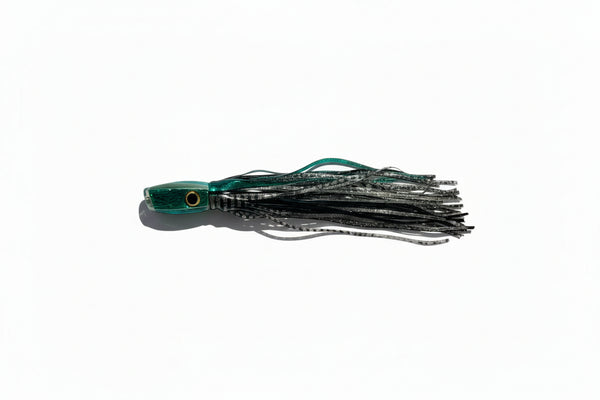
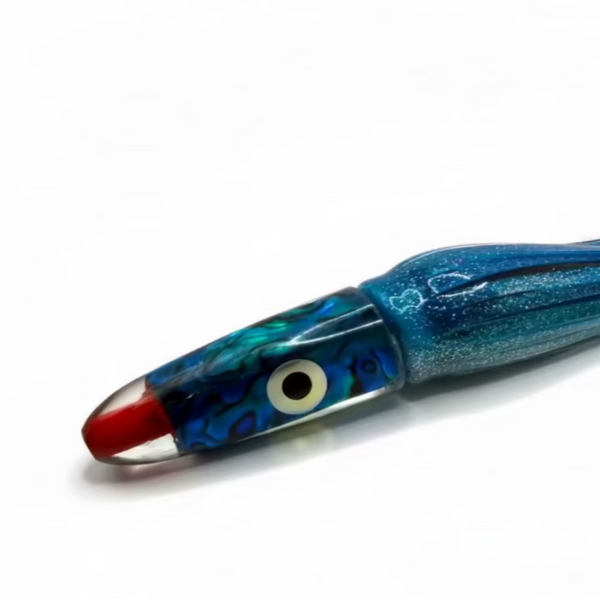
A trolling lure can have the right head shape, the right color, and all the flash in the world, then still miss fish because the rig is wrong. If you want to know how to rig trolling lures so they track clean, hold speed, and convert strikes, start with one rule: the rig has to match the lure, the target species, and the way you plan to fish it.
That sounds basic, but it is where most offshore problems start. Anglers buy a good lure, then hang the wrong hook in it, run a leader that is too stiff or too light, or set the hook too far back and kill the action. Good rigging is not decoration. It is part of the lure.
How to rig trolling lures for real offshore use
The cleanest way to think about rigging is to treat the lure head, skirt, leader, hook, and hook position as one system. Change one part, and you change the way the lure swims, smokes, breathes, and hooks fish.
For tuna and mahi, you can usually get away with a lighter, faster rig if the lure is staying in clean water and the fish are feeding aggressively. For marlin, the rig often needs more backbone, especially on larger heads that are meant to stay stable in rough water. For wahoo, speed changes everything. A lure that tracks perfectly at 7 knots may blow out at 14, and a hookset that works for tuna may not hold up when a wahoo hits at speed with hard lateral pressure.
That is why there is no single best rig. There is only the right rig for the job.

Start with the lure head size and style
Small bullet-style lures, straight runners, and smaller resin heads are usually the easiest to rig. They do best with a clean single-hook setup and a leader that does not overpower the lure. Too much hardware on a small head makes it sluggish and kills the subtle, high-speed tracking that gets bites.
Medium and large trolling lures give you more room to build around the head. You can run heavier leader, larger hooks, and more aggressive hooksets without ruining the action, but balance still matters. If the hook is oversized or the rig is too heavy for the skirt profile, the lure may tail-walk, spin, or lose its smoke trail.
Head shape matters too. Bullet heads are made to run straight and handle speed. Slant heads, plungers, and more active chuggers create more movement but are also more sensitive to drag from the rig. If a lure is designed to dive, pop, and surface, a stiff or oversized setup can make it inconsistent.
The core rigging components that matter most
Leader choice is where serious anglers separate themselves from guesswork. Mono is still the standard for many offshore trolling applications because it gives you shock absorption, clean presentation, and enough stiffness to keep the hook from fouling the skirt. Fluorocarbon has its place, but for most skirted trolling lures, premium mono is the practical choice.
Leader size depends on species, lure size, and spread position. Smaller lures for tuna and mahi often fish well on 150- to 250-pound mono. Medium all-around offshore lures commonly step into the 300- to 400-pound range. Large marlin lures or heavy-duty wahoo applications may justify more. Go too light and you lose control and abrasion resistance. Go too heavy and the lure can look dead.
Crimps need to match the leader exactly. That sounds obvious, but mismatched crimps are still one of the most common failure points offshore. A clean crimp should hold without cutting into the mono, and the tag end should be finished neatly so it does not catch weeds or foul the lure.
Hooks matter just as much. In many skirted trolling lures, a single stiff-rigged hook is the cleanest and most reliable choice. It tracks straighter, is easier to size correctly, and usually interferes less with the lure’s action. Double hooks still have a place, especially on larger lures and in fisheries where crews want a more traditional marlin setup, but doubles add drag, add complexity, and can absolutely ruin a lure if the spacing or orientation is wrong.
Single hook vs double hook setups
For many bluewater anglers, single-hook rigs are the better default. They are cleaner in the water, easier to rig consistently, and often safer to handle at the boat. A well-positioned single hook riding point up gives you strong hookup potential without overloading the lure.
Double hooks can improve your chances in some situations, but only when they are sized and pinned correctly. The rear hook should not extend so far back that it grabs the skirt material or swings wildly in the wash. The front hook should support the set without forcing the lure to run sideways. If the hooks are too large or too far apart, the lure can lose the exact action you bought it for.
If you are not sure, start with a single. It is usually the fastest path to a lure that actually swims right.
Hook position is where a lot of rigs go wrong
A good hookset should sit with the bend and point just at or slightly beyond the end of the skirt, depending on the lure style and target species. Too short, and short-striking fish can miss the steel. Too long, and the hook drags the tail, catches the skirt, or destabilizes the lure.
This is especially important with bullet strikers and other straight-running heads. These lures are built to run hard and clean. If the hook hangs too far back or the leader is too stiff through the head, you can take a proven lure and make it blow out for no good reason.
Hook orientation matters too. Most serious crews prefer the hook riding point up in a fixed position. That improves tracking and keeps the hook presented where many fish are most likely to find it on the attack. Free-swinging hooks have their place, but on many offshore lure rigs they create more variables than benefits.
Keep the rig aligned with the lure
When the hookset exits the back of the lure, everything should be centered. If the hook cocks off to one side, the lure often tells you right away by pulling unevenly, spinning, or surfacing wrong. Offshore anglers sometimes blame lure color or spread position when the real problem is simple misalignment.
The best rigged lures look clean before they ever hit the water. The hook is centered, the skirt lays naturally, the leader exits straight, and nothing looks forced.
Match the rig to the species and trolling speed
Tuna rigs are usually about clean swimming action and solid hookup efficiency. Most tuna lures do not need excessive hardware. A balanced single-hook setup with the right leader gives you a lure that stays active and keeps fishing through changing water.
Marlin are different. Larger lures in rougher water often need heavier leader and a hookset that holds position under more violent strikes. That does not mean overbuild everything. It means the rig has to support the lure’s intended action while still standing up to the fish.
Wahoo are hard on gear and often demand speed. If you are high-speed trolling, every weak point shows up fast. The lure head must run true, the hook rig must stay pinned, and the leader setup has to handle shock and abrasion. Not every skirted lure belongs in a true high-speed role, even if it looks good in the spread.
Mahi are less demanding on tackle, but they still expose bad rigging. A lure that skips, fouls, or tracks out of rhythm gets ignored. A smaller, clean-rigged lure with the right profile is usually the better play.
Test every lure before you commit it to the spread
The final step in how to rig trolling lures is the one too many anglers skip. Pull the lure next to the boat and actually watch it. Do not assume a clean bench rig is a clean water rig.
At trolling speed, the lure should run the way that head was designed to run. Maybe that means a tight smoke trail. Maybe it means a regular dive-and-pop cycle. Maybe it means straight, high-speed stability with very little wandering. Whatever the intended action is, you should see it immediately.
If the lure is blowing out, spinning, or surfacing at the wrong interval, check the easy stuff first. The hook may be too large. The hook may be set too far back. The leader may be too heavy or too stiff. The lure may also just be in the wrong position in the spread for the sea state and speed. Good captains adjust before they blame the lure.
That is also where premium rigged lures earn their keep. A well-built lure with the right materials, tested balance, and clean rigging takes a lot of guessing out of the equation. K2Fishing builds around that principle because offshore tackle should perform under pressure, not ask you to fix basic design problems at the transom.
Small rigging details that pay off
Use chafe gear where it makes sense, especially on heavier tackle and larger fish. Keep skirt length and hook placement in proportion. Do not force a giant hook into a smaller lure because it looks tougher. Tough is worthless if the lure stops swimming.
Pay attention to how each lure fits its position in the spread. Long rigger, short rigger, shotgun, flat line, and center positions all put different demands on a lure. Sometimes a perfectly rigged lure still needs to be moved to cleaner water to come alive.
And do not ignore wear. Leaders get nicked, skirts get torn, hooks corrode, and crimps get stressed. Offshore fish find weak points fast. A lure that was right last trip may need attention before it goes back in.
The goal is not to build the most complicated rig on the boat. It is to build one that runs clean, stays durable, and gives the fish the fewest chances to beat you. When a lure is rigged right, you see it in the water long before you see it in the rod tip.