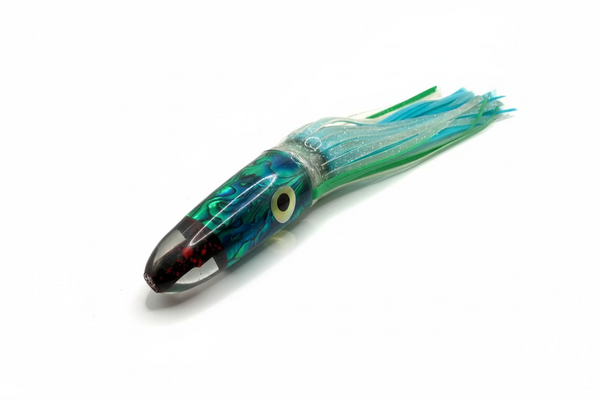
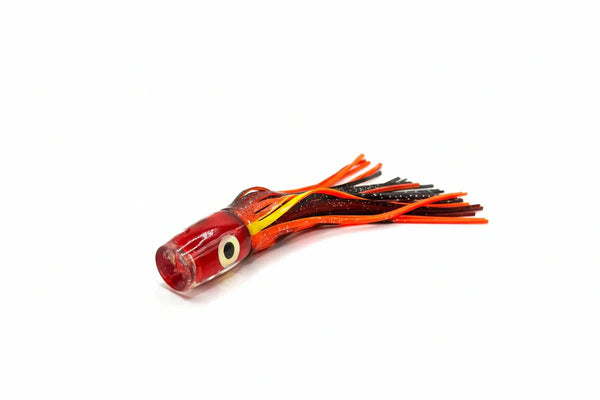
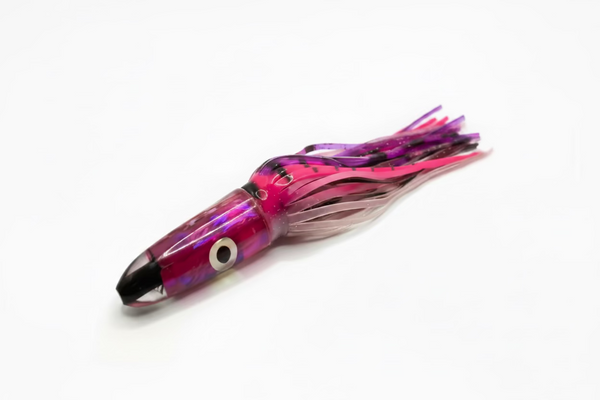
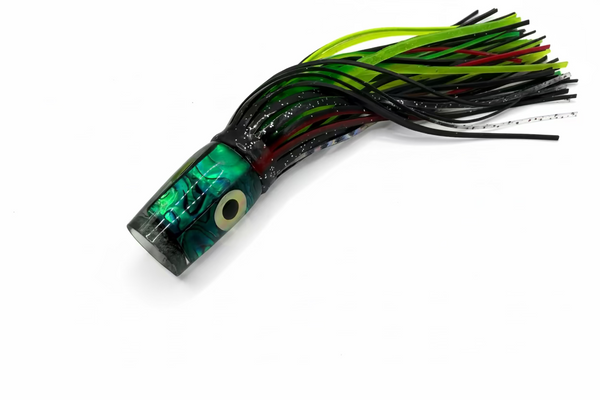
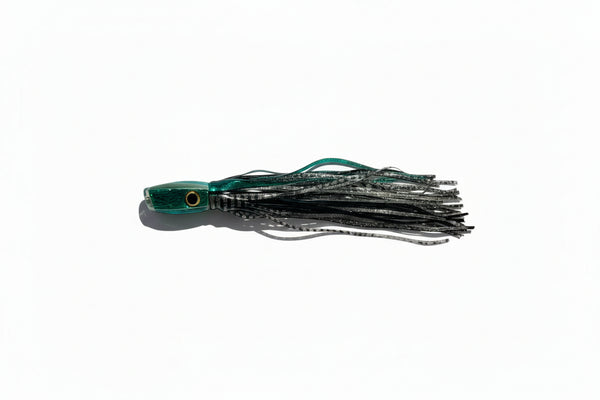
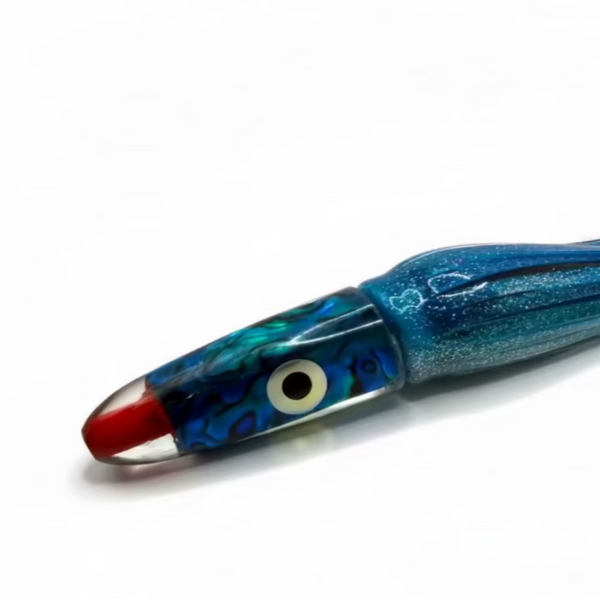
A lure that looks good in the package and a lure that stays right after a week offshore are not the same thing. Resin trolling lure durability shows up where it counts - in the spread, in rough water, at trolling speed, and after repeated hits from tuna, wahoo, and marlin. If the head cracks, the finish clouds, or the lure tracks poorly after a few hard bites, it was never built for serious offshore work.
Durability is not just about surviving abuse. It is about holding shape, flash, balance, and action long enough to keep producing. Bluewater anglers do not need tackle that simply lasts on a shelf. They need lure heads that stay clean at speed, hold their rigging correctly, and keep drawing strikes after hours of wash, pressure, UV exposure, and violent impact.
What resin trolling lure durability really means
When offshore anglers talk about durability, they usually mean more than whether a lure head chips or breaks. A durable resin lure has to resist cracking, keep its finish, and maintain the action it was designed to run with. Those are related, but they are not identical.
A lure can look fine and still lose performance. If the head gets minor distortion around the through-hole, if the skirt position slips, or if the balance changes from damage or poor construction, the lure may stop smoking, tracking, or breathing correctly. That is the part many anglers learn the hard way. Cosmetic wear is one thing. Lost action is what costs bites.
This is why resin construction has to be judged as a fishing system, not just a material. The head, insert, finish, bore, and rigging all work together. If one part is weak, the whole lure becomes disposable.
Why some resin lures last and others fail fast
The biggest difference is not marketing language. It is build quality and how the lure was designed to handle actual offshore use.
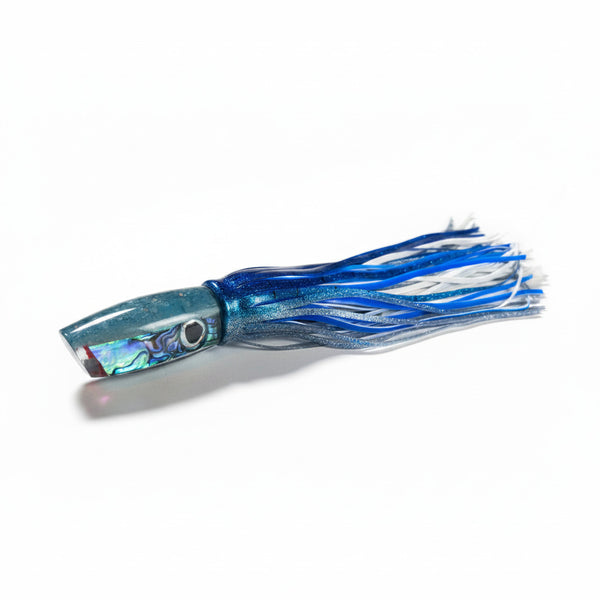
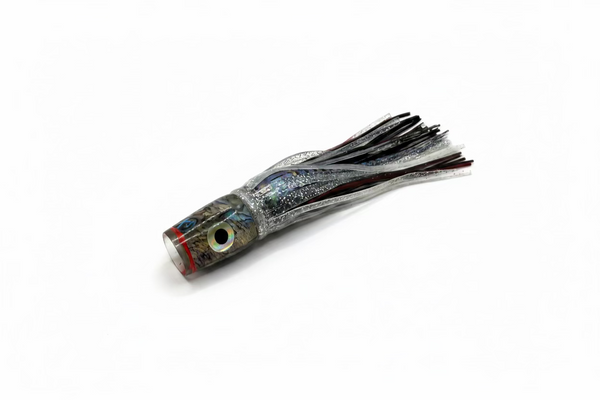
Resin itself can be an excellent head material. It allows detailed finishes, strong encapsulation, and a clean, consistent shape. It also gives builders room to create abalone flash effects and other high-visibility patterns that stay protected under the outer body. But resin has to be poured, cured, finished, and rigged correctly. A poorly made resin lure can crack under impact or start showing failure around stress points much faster than a properly built one.
The through-hole is a common weak point. Every strike, every speed change, and every hard turn puts force through that channel. If the bore is rough, undersized, misaligned, or not finished cleanly, the lure can wear unevenly and compromise both lifespan and tracking. The same goes for the nose and shoulder areas. Those parts take repeated impact from wash, leader pressure, and fish aggression.
Heat and UV matter too. Offshore tackle lives in a punishing environment. Lures sit in direct sun, bounce in hatches, get slammed into gunwales, and spend long hours in salt. A durable resin head needs to handle that without yellowing quickly, softening, or becoming brittle over time. There is always some wear in real use, but good construction slows that process down.
Resin trolling lure durability and lure action
This is where the conversation gets more serious. Resin trolling lure durability is not only about how long a lure survives. It is about whether it keeps swimming the way it should.
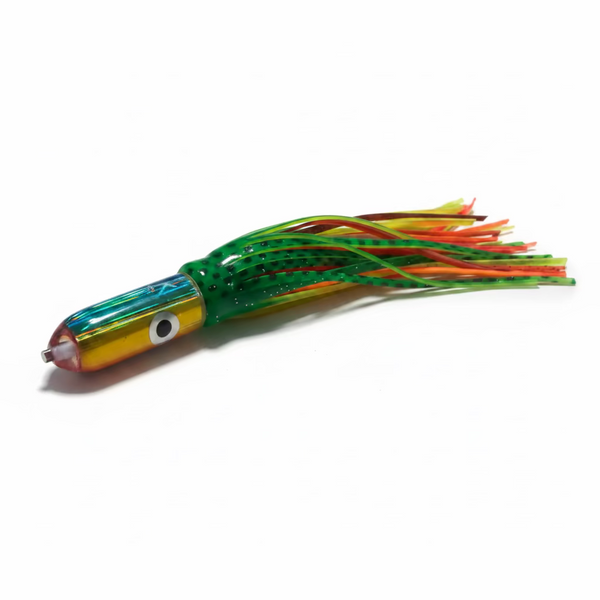
Offshore trolling lures are speed tools. A bullet striker has to stay clean and run hard where it belongs. A cupped or slant-style head has to dig, pop, and smoke in a repeatable way. A medium pusher that worked on tuna at 7.5 knots does not help much if it starts blowing out after a few trips because the head geometry has degraded or the rigging no longer sits right.
Durability protects consistency. Consistency is what lets anglers tune a spread with confidence instead of guessing every time they clear lines. When a lure head holds its shape and fit, it is easier to repeat the same productive pattern, same placement, and same speed band day after day.
That matters even more in tournament fishing or on charter schedules, where tackle gets cycled hard and there is no patience for gear that becomes unreliable halfway through a bite.
What to look for in a durable resin trolling lure
Start with the head finish. A quality resin lure should have a clean, even body without obvious voids, rough seams, or sloppy transitions. Small flaws in finish are not always fatal, but they can signal rushed production. Clean shaping usually reflects better control over the whole build.
Next, check how the insert or flash material is encapsulated. If the lure uses abalone or printed finish work under resin, it should look integrated into the head, not trapped in a way that appears loose or uneven. Good encapsulation protects the visual effect while keeping the outer body smooth and fishable.
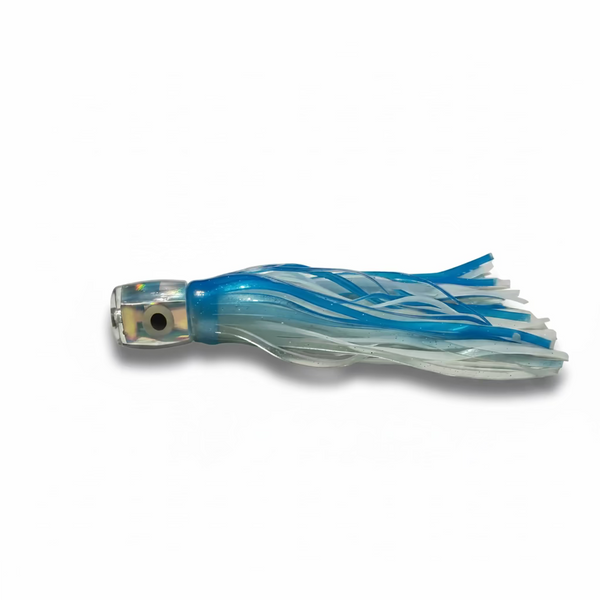
Then look at the hole through the head. It should be centered and finished cleanly so leader material can pass without creating unnecessary abrasion. On a trolling lure, that detail is not cosmetic. It directly affects wear and long-term reliability.
Skirt fit also matters. A tough head paired with weak skirt positioning still creates problems. If the skirt bunches, slips, or fails to support the intended profile, the lure can lose action even if the resin body remains intact. Durable performance comes from the full assembly, not just the head material.
Finally, consider whether the lure was actually built for offshore species and speeds. A lure intended for occasional use on school fish is not the same as one meant to handle repeated wahoo strikes or a spread targeting marlin and big tuna. Purpose-built tackle tends to show it in the details.
The trade-off between hardness and toughness
There is no perfect lure material, and serious anglers know that. With resin, one of the trade-offs is hardness versus impact tolerance.
A hard, polished resin head can hold crisp shape and finish extremely well. That is a big advantage for flash, visibility, and consistent hydrodynamics. But if the construction is too brittle, impact resistance can suffer. On the other hand, a lure built to absorb abuse better may not have the same finish clarity or visual depth.
The right balance depends on application. If you are pulling a spread all season, running high speeds, and targeting fish that hit like freight trains, toughness matters. If you are focused on visual appeal but the build quality underneath is average, that polish will not mean much after real use.
The best resin trolling lures are not simply hard. They are built to stay fishable.
How offshore anglers kill lures early
Sometimes the problem is not the lure. It is how it gets handled.
Loose storage is one of the fastest ways to shorten lure life. Resin heads banging together in a tackle box, rolling around in a hatch, or getting stepped on in the cockpit will wear faster than they should. Even premium heads can get chipped when they are treated like sinkers.
Poor rigging does damage too. If the leader diameter does not match the bore, if crimps are oversized, or if the lure is forced into a setup it was not designed for, stress builds in the wrong places. That can create premature wear around the hole and affect how the lure tracks.
Heat exposure is another one. Leaving rigged lures in extreme heat for long periods can accelerate aging in both the resin and the skirts. You may not notice it immediately, but over time you get brittleness, fading, and reduced performance.
Rinse-down matters as well. Salt left to dry around the lure, hook set, and leader hardware adds abrasion and corrosion to the system. A fast freshwater rinse and proper dry storage go a long way.
Is a durable resin lure worth the higher price?
For offshore anglers, usually yes.
Cheap lures are expensive when they wash out at speed, crack after a few fish, or stop tracking properly just when a pattern starts producing. You are not only paying to replace a lure. You are paying in lost confidence, wasted spread time, and missed opportunities on fish that do not give many second chances.
A well-made resin lure earns its keep by staying in rotation longer and running the way it was designed to run. That matters more than bargain pricing, especially for anglers who put real hours on the water. Captains and serious private crews know this already. Reliable tackle reduces variables.
That is one reason premium handcrafted systems from brands like K2Fishing stand out. The point is not decoration for its own sake. It is proven offshore performance backed by construction that is built to get strikes and keep working.
The bottom line on resin trolling lure durability
If you troll often, durability is part of lure performance, not a separate feature. A resin lure that keeps its shape, flash, and tracking after repeated punishment is doing exactly what offshore tackle should do.
Skip the guessing. Judge resin lures by how they are built, how they are rigged, and whether they stay right in real bluewater conditions. The fish will sort out the rest.