Wahoo do not give you much room for mistakes. If your lure tracks wrong, your speed is off, or your rigging is weak, they will show you fast. That is why learning how to troll for wahoo is less about piling gear on the boat and more about running a clean, purposeful spread that holds together at speed.
Wahoo are built for violence. They hit hard, they cut tackle, and they often show up when everything in your pattern is moving fast and true. If you want consistent bites, skip the guessing and think in terms of speed, lure stability, wire, and spread discipline.
How to troll for wahoo: start with speed
Speed is the first big decision because it controls everything else - lure choice, spread shape, and hook-up ratio. Most wahoo trolling happens in the 12 to 18 knot range, with 14 to 16 knots being a strong starting point for many offshore setups. That range covers a lot of productive water and keeps your lures working with the aggressive, fleeing action wahoo respond to.
That said, there is no magic number that fits every day. Sea state, current, lure head shape, and boat wash all matter. A lure that is perfect at 15 knots on a flat morning may start blowing out in a quartering sea. If your lures are skipping cleanly with a tight smoke trail and not tumbling, you are in the zone. If they are spinning, grabbing air, or tracking sideways, your speed or placement needs work.
Some crews troll slower with weighted baits or planers. That can produce, especially around structure or when you want to mix in other species. But if the goal is specifically wahoo, high-speed trolling stays one of the most reliable ways to cover ground and trigger reaction bites.
Find the water before you set the pattern
Wahoo are not randomly scattered across the ocean. They relate to temperature edges, current breaks, steep drop-offs, offshore humps, bait concentrations, and reef corners where water movement pushes feed. If you are dragging lures through dead water, even a perfect spread will not save the day.
Look for areas where blue water meets structure or current. Offshore ledges, island corners, seamounts, and contour changes are prime. So are rip lines with clean color change and visible bait. On many days, the best passes are not directly over the highest spot but along the edges where bait gets pinned and predators can ambush.
Electronics matter here. If you mark bait stacked high or see repeated marks streaking through it, slow decisions and tighter turns can pay off. Wahoo often travel in packs, and one bite can turn into multiple strikes if you stay organized and get the spread back in quickly.
The best lures for trolling wahoo
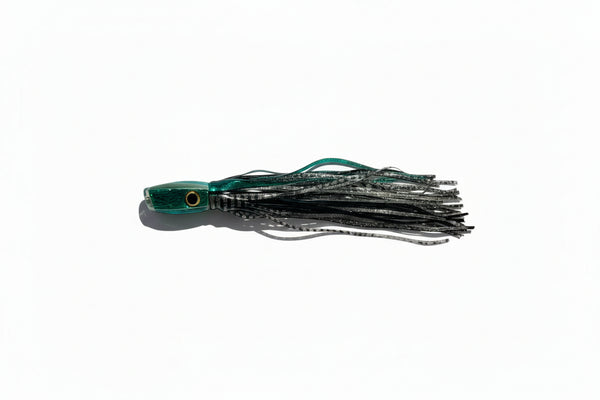
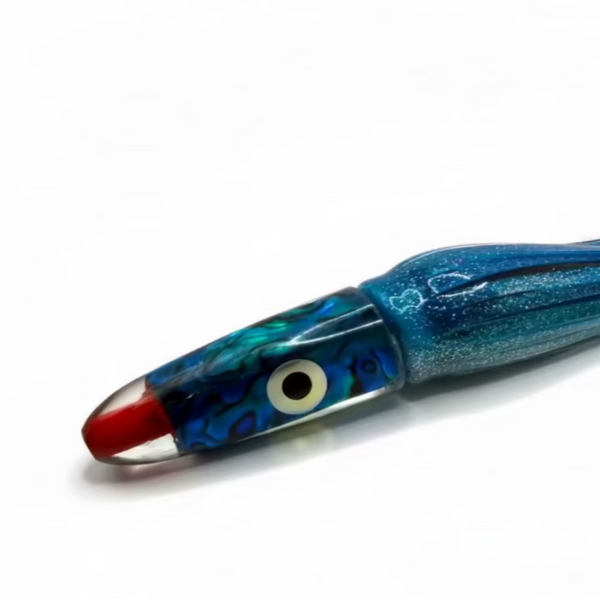
Wahoo lures need to do one thing above all else - run true at speed. Flash matters. Profile matters. Color matters some days. But if a lure cannot stay clean in the water at trolling speed, it is not built to get strikes.
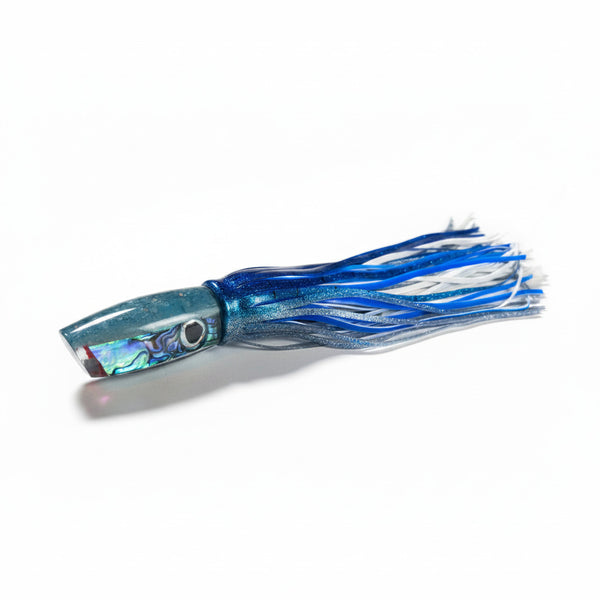
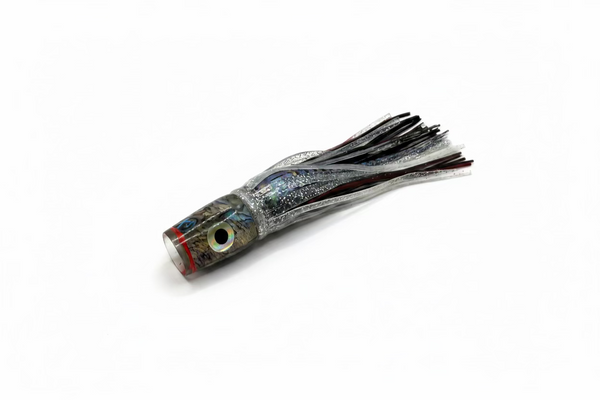
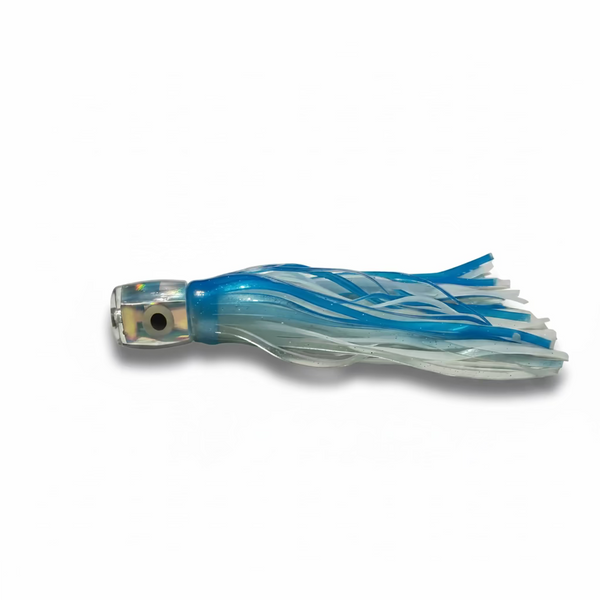
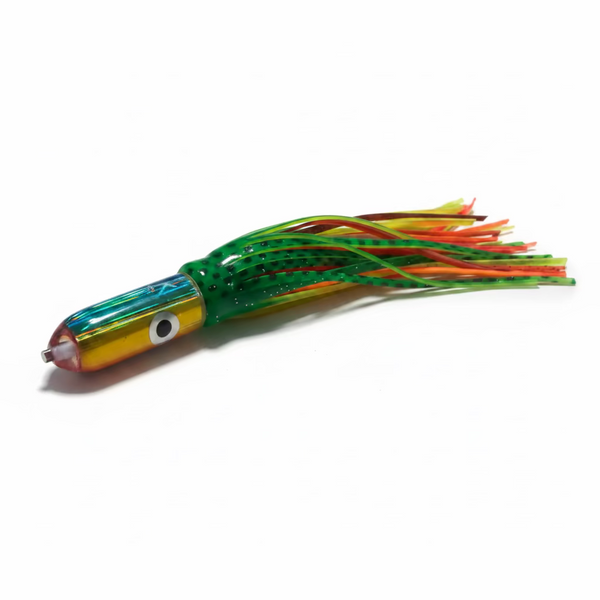
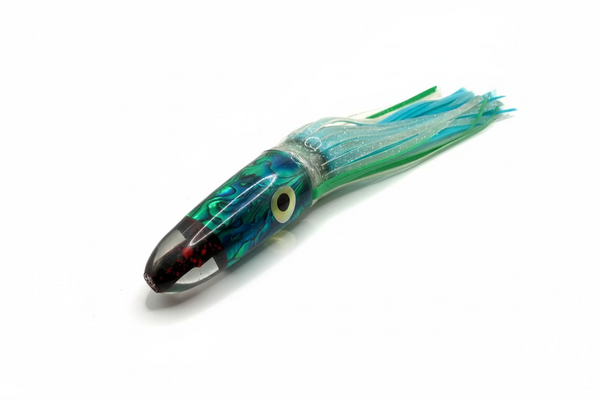
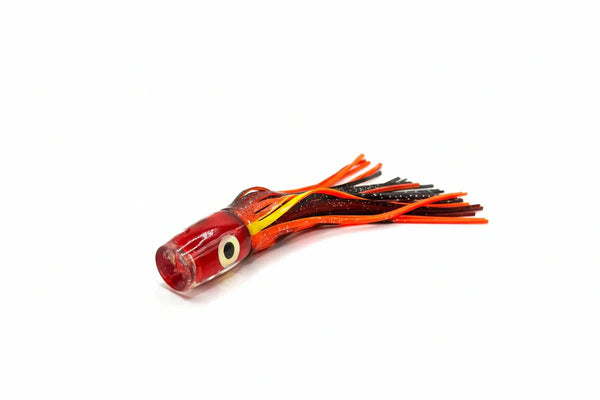
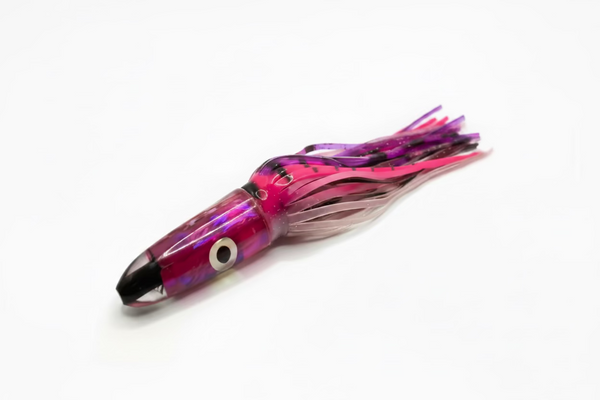
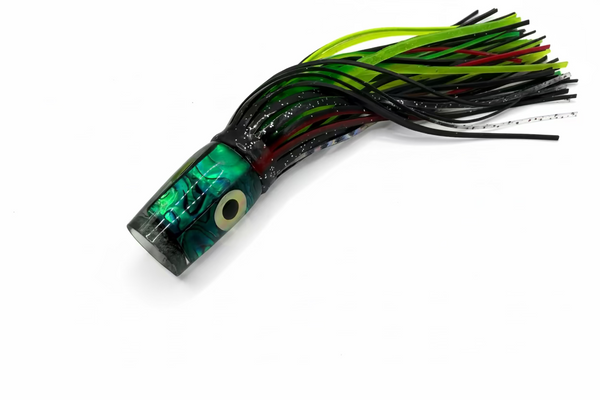
Bullet-style heads are a standard for a reason. They hold well at speed, smoke cleanly, and keep tracking consistent in rougher conditions. Jet heads, weighted heads, and select resin lures can also be strong options if they are balanced properly. A lure with real flash, especially abalone-style flash that kicks under sun and speed, can give you an edge when fish are keyed on movement and light.
Color is usually a secondary adjustment after action and placement. Productive wahoo colors often include blue and white, black and red, purple and black, pink, and chrome-style flash patterns. Dark lures can show well in low light, while brighter and reflective combinations can be strong in cleaner midday water. If one color gets bit twice, do not overthink it. Adjust toward what the fish are telling you.
Rigging for wahoo: wire is not optional
Wahoo have no problem cutting mono or fluorocarbon on the strike. If you are specifically trolling for them, wire belongs in the system. Short wire leaders are the standard because they protect against cutoffs without killing lure action the way poorly matched heavy hardware can.
Single-strand wire gives a clean presentation and is still favored by a lot of experienced crews, but it requires proper haywire twists and more care. Multi-strand cable is durable and easier for some anglers to rig consistently. Either can work if the connections are right and the size matches the lure.
Keep the leader system clean. Heavy crimps, oversized swivels, and sloppy rigging can make even a good lure run badly. Hooks should be sharp, aligned, and matched to the lure head and skirt length. Many crews favor a single hook rig for cleaner tracking and solid corner-of-the-jaw hookups, while others stay with doubles on specific lure sizes. It depends on the lure and your confidence in the setup, but whatever you run has to stay straight under speed.
A lot of missed wahoo are not missed because the fish did anything unusual. They are missed because the lure was out of tune before the strike ever happened.
Spread setup that makes sense
You do not need a complicated spread to catch wahoo. You need separation, stable lure positions, and enough variety to show fish a target in clean water. Four to six lines is plenty on many recreational boats.
Your short positions should be far enough back to get out of the prop wash but still close enough to hold in a controlled lane. Long positions can run farther back in cleaner water. Shotgun lines can be effective, especially when fish are pressured or the sea is flat and clear, but they need to be monitored closely at higher speeds.
If you are high-speed trolling, many crews simplify the spread around durable, straight-tracking lures run from flat lines, outriggers, or weighted positions depending on the boat. If you are using planers or trolling weights, pay attention to drag, release systems, and how hard the boat turns. Wahoo bites often come when a lure changes angle slightly, but too much turn can foul the entire side.
One of the best things you can do is stagger lure distances so each bait works in its own lane. Tangled spreads do not catch fish. Clean lanes do.
How to troll for wahoo without blowing out your spread
The biggest spread killer is forcing every lure to do the same job. Different head shapes handle different positions. A lure that runs great on the long rigger may be useless in a shorter, dirtier position. Match the lure to the lane instead of trying to force a favorite bait into every spot.
Watch each lure before you lock it in. You want a consistent cycle - a clean swim, a controlled surface break if that is the design, and no spinning. If one lure is washing out, first adjust where it sits in relation to the wake. Then adjust speed. If it still misbehaves, pull it. A bad lure in the spread costs more than one line. It can kill the pattern.
This is where quality construction matters. Well-rigged, balanced trolling lures save time and hold up better under real offshore speeds. That matters when you are making long passes and every minute of clean presentation counts.
Boat handling on the bite
When a wahoo hits, the first mistake many crews make is yanking the throttles back too hard. In most cases, keep the boat moving long enough to let the fish turn on the hook and keep pressure steady. Sudden slack costs fish. Controlled forward motion often leads to better hookups and can trigger a second bite from another fish in the pack.
Once the fish is solid and the cockpit is under control, you can back down or ease speed as needed. Clear only the lines that are truly in the way. If the fish is staying outside the pattern, there is no reason to turn the deck into chaos. Wahoo are fast, but the fight is usually more about staying tight and avoiding a pulled hook than brute-force lifting.
At color, be disciplined. Their teeth are the problem all the way to the gaff. Keep hands clear, keep the fish under control, and do not rush the finish.
Small adjustments that raise your odds
The crews that consistently catch wahoo usually do the small things well. They sharpen hooks. They replace chafed leaders. They tune every lure in the water. They make repeat passes where bait and current intersect instead of wandering.
They also pay attention to bite windows. First light can be excellent, but plenty of wahoo are caught under bright sun when the water is right and the spread is moving correctly. If you get a bite on one side during a certain turn, remember it. If fish show on a specific contour edge, stay on it.
There is also a trade-off between covering water fast and fishing a tight area thoroughly. If you know fish are stacked on a hump or ledge, tighter laps may beat a long roaming pattern. If you are searching broad bluewater, speed and distance can be your best tools.
For serious offshore anglers, that is really the point. Wahoo fishing rewards precision more than excess. Run lures that hold at speed, rig them clean with wire, fish active water, and keep the spread disciplined. Do that consistently, and the next bite usually feels less like luck and more like the result you set up for.