The Pursuit of High-Speed Predators
A wahoo can strike a lure at speeds exceeding 60 miles per hour, a fact that immediately separates casual fishing from a true bluewater pursuit. This incredible velocity makes the wahoo a premier ambush predator, and it means your gear selection is not a matter of preference but a tactical necessity. An ordinary setup simply will not withstand the explosive force of a wahoo strike. The intense speed demands lures and rigging built for stability, durability, and specific visual triggers.
Success in this environment requires more than just dropping a line in the water. It demands a deep understanding of how lure design, color, and rigging work together to create a presentation that can both attract and withstand these powerful fish. This guide provides a clear path for selecting the right wahoo trolling lures, mastering color patterns, and implementing the rigging and trolling techniques essential for a successful wahoo fishing setup.
Matching Lure Type to Trolling Style
Selecting the right lure is about matching its mechanical design to your trolling strategy. Wahoo fishing generally falls into two categories: covering vast areas at high speed or precisely targeting fish marked on your sounder. Each approach requires a different tool for the job. The lure's shape and weight are what dictate its performance in the water, determining whether it tracks true at 18 knots or dives to a specific depth.
High-Speed Trolling with Skirted Lures
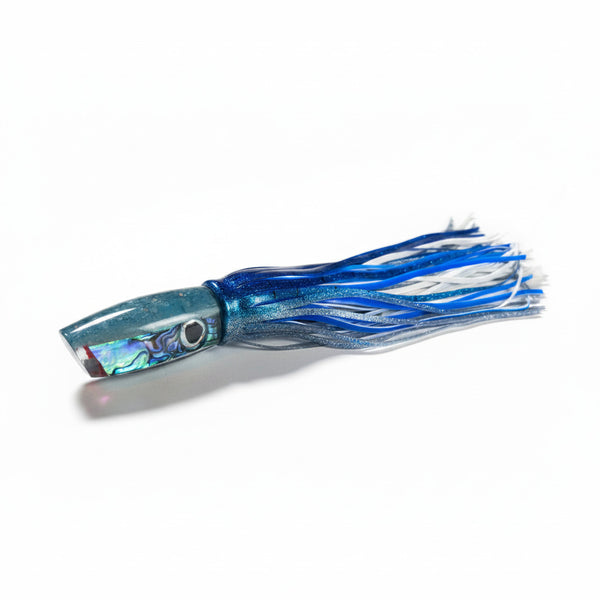
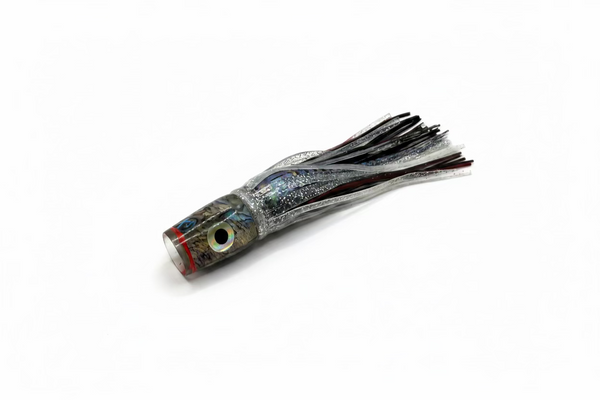
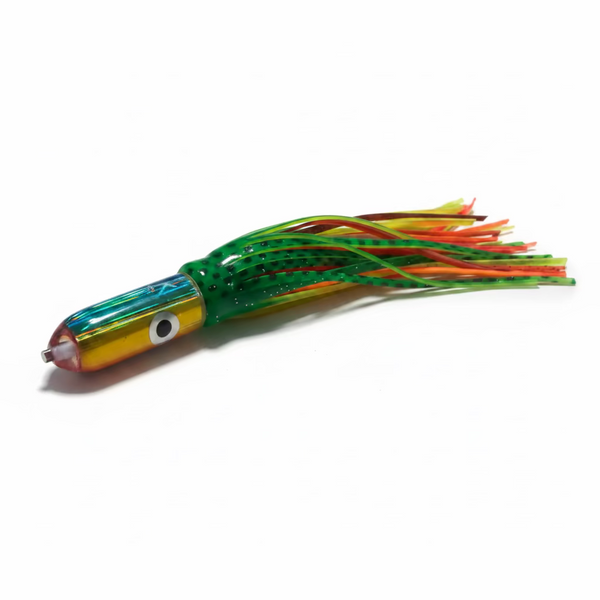
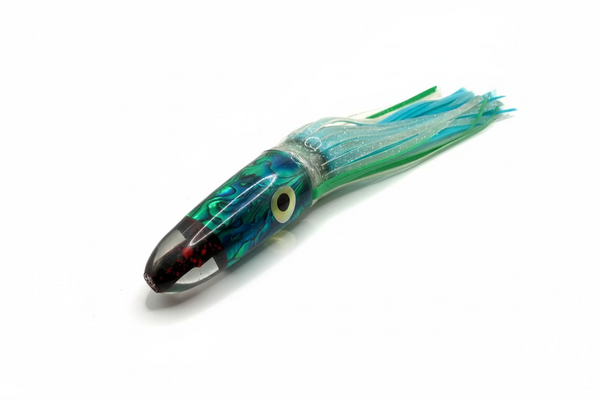
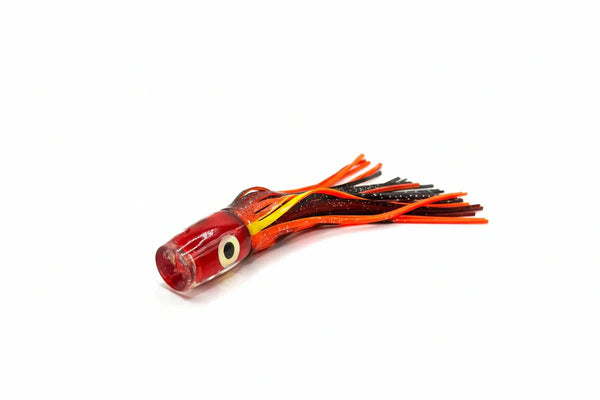
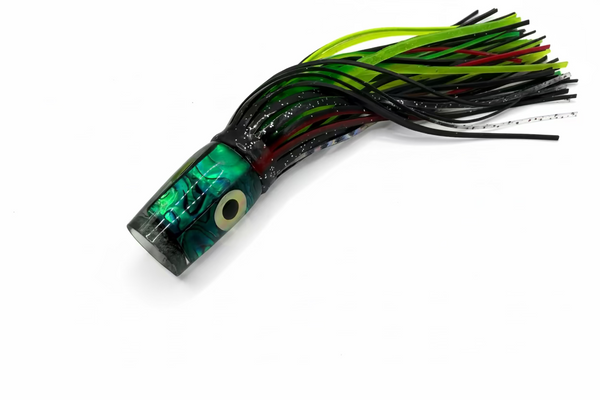
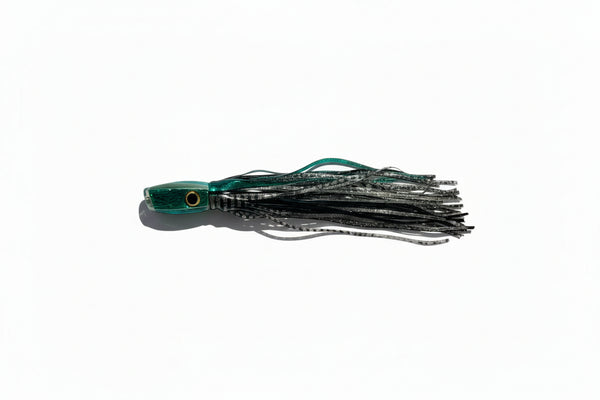
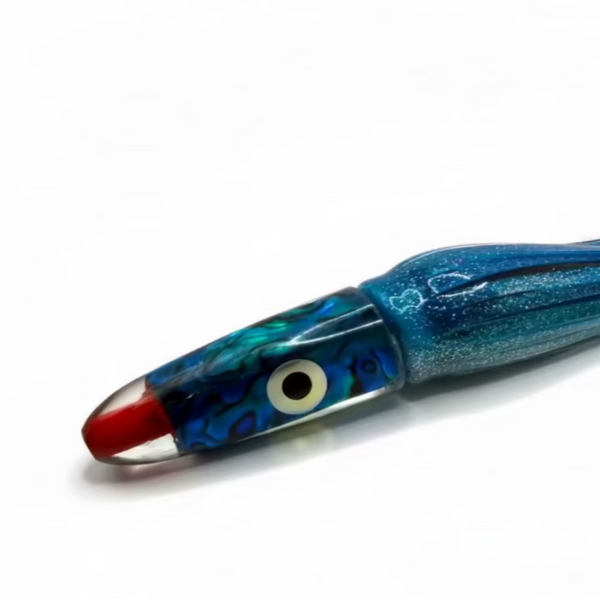
For high speed wahoo trolling, typically between 12 and 18 knots, weighted skirted lures are the undisputed standard. Their design is all about stability. Bullet, jet, and resin heads are heavy enough to keep the lure in the water, preventing it from skipping or blowing out of the wake. A jet head adds another layer of attraction by forcing water through channels to create a distinct bubble trail that mimics a fleeing baitfish. Resin heads offer a perfect combination of weight for stability and intricate designs for visual appeal, and a well-crafted lure like those in our collection of large resin lures ensures both stability and attraction at speed.
Precision Targeting with Swimming Plugs
In contrast, when you have located wahoo holding at a specific depth near structure, swimming plugs or bibbed hardbaits become the superior choice. These lures are designed for slower trolling, usually from 6 to 10 knots. The bib, or lip, on the front of the plug forces it to dive and swim with a side-to-side action at a predetermined depth. This allows you to present an offering directly in the strike zone with precision that high-speed methods cannot match.
| Lure Type | Primary Trolling Style | Optimal Speed | Key Advantage |
|---|---|---|---|
| Skirted Lures (Resin/Jet Head) | High-Speed Coverage | 12-18 knots | Covers vast areas to find active fish; triggers reaction strikes. |
| Swimming Plugs (Bibbed Hardbaits) | Precision Targeting | 6-10 knots | Reaches specific, known depths where fish are holding. |
| Bullet Head Lures | High-Speed Straight Tracking | 14-20+ knots | Maximum stability in rough seas and at top speeds. |
| Dredges & Teasers | Attraction & Schooling Simulation | 8-15 knots | Draws fish into the spread without hooks, increasing strikes on hooked lures. |
Effective Lure Colors for Wahoo

While lure shape dictates action, color determines visibility. The best colors for wahoo lures are not universal; they depend entirely on the ambient light and water clarity. A wahoo typically attacks from below, viewing its target as a silhouette against the bright surface. Your color choice should be a strategic decision to either blend in with natural forage or stand out dramatically against the background.
Thinking about the conditions you'll be fishing in is the first step. Is the sun high and the water gin-clear, or is it an overcast day with stained water? Each scenario calls for a different approach to maximize your lure's visibility and trigger a predatory response. We believe that a versatile lure collection is built on understanding these principles, not just on owning popular patterns.
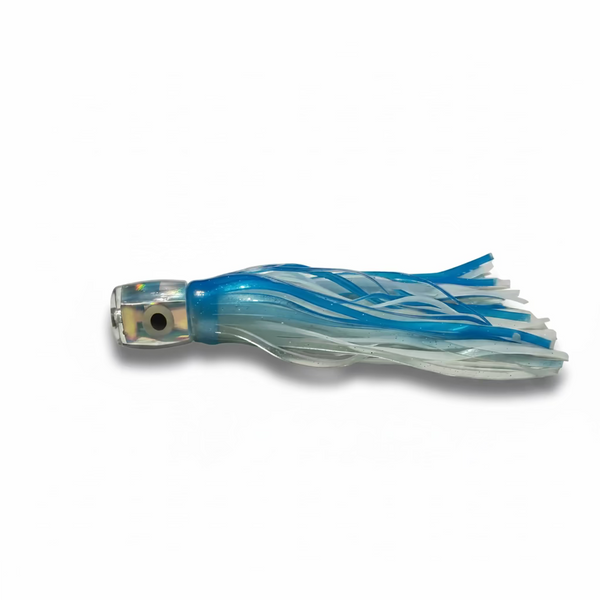
- Clear Water/Sunny Days: In bright conditions, focus on high-contrast and natural patterns. Colors like blue and white, purple and black, or mackerel patterns create a sharp, defined silhouette that is easy for a wahoo to spot against the bright sky.
- Low-Light/Stained Water: When visibility is reduced, prioritize dark, solid colors. Red and black, black and purple, or solid black provide the strongest possible silhouette. These dark shapes are more visible to a wahoo looking up from the depths in dim conditions.
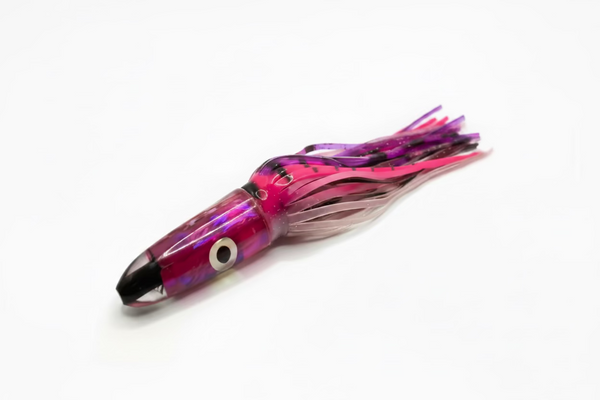
- Murky or Deep Water: This is where fluorescent colors excel. Options like fluorescent pink and chartreuse absorb and reflect ambient UV light, which penetrates deeper into the water column. This makes them appear to "glow," remaining highly visible when other colors look gray or muted. A proven option like our Flamingo Abalone Bullet Lure leverages this principle with its vibrant pink and reflective shell.
Rigging to Withstand Razor-Sharp Teeth
A premium lure is useless if your rigging fails. A wahoo's dental hardware is legendary for its ability to slice through monofilament and fluorocarbon leaders in an instant. This makes a bite-proof leader not just a recommendation but a non-negotiable component of your setup. Knowing how to rig for wahoo correctly is the difference between a memorable catch and a story about the one that got away.
Your terminal tackle must be built with durability as the primary focus. Every connection point is a potential point of failure, so using premium components is essential. Here are the core elements of a reliable rig:
- Leader Material: You need wire, period. Single-strand wire offers a stealthier presentation but can kink, while multi-strand cable is more durable but also more visible. For most applications, a leader with a test strength between 270 and 480 pounds provides the right balance of strength and performance.
- Hook Configuration: Use heavy-duty stainless steel hooks in sizes from 9/0 to 11/0. The professional standard is a double-hook rig, which significantly increases the hookup ratio on high-speed strikes where a wahoo may slash at the lure.
- Connections: This is where many anglers cut corners and pay the price. Use only premium ball-bearing swivels to prevent line twist and high-quality crimps applied with the correct tool to ensure your connections are stronger than the leader itself.
For additional insights on tackle setups for various species, our guide provides further details.
Mastering Trolling Speed and Depth

Once your lure and rigging are selected, success hinges on presentation. The optimal wahoo trolling speed is generally between 12 and 18 knots. This pace serves two purposes: it allows you to cover vast stretches of water to locate active fish, and it triggers an instinctual reaction strike. Wahoo do not have time to inspect a lure moving at this velocity; they simply attack.
However, speed alone is not enough. You must also control the depth of your presentation. Wahoo often patrol depths of 15 to 50 feet, ambushing prey from below. To get your lures into this strike zone at high speeds, you need to use either inline trolling weights or a high-speed planer. Trolling weights, ranging from 16 to 48 ounces, are clipped onto the line ahead of the leader to pull the lure down. A planer works like an underwater wing, diving deep and tripping upon a strike to allow you to fight the fish directly.
Consistent boat handling is the final piece of the puzzle. Maintain straight trolling lines whenever possible. When you need to turn, make wide, gradual arcs. Sharp turns can cause the outside lines to speed up and surface while the inside lines slow down and sink, tangling your spread and ruining the lures' action. Consistency in speed and depth is what keeps your lures working effectively in the strike zone.
Advanced Wahoo Trolling Techniques
Serious anglers can refine their approach by incorporating advanced strategies that turn a good day into a great one. These techniques are about creating a more enticing and efficient presentation that maximizes your opportunities.
- Staggering the Spread: Instead of running all lures at the same distance, create a staggered formation. Set lures at different positions like the short corner, long rigger, and a "shotgun" lure way back in the spread. This mimics a disorganized bait school and covers multiple water columns, all while minimizing the chance of tangles during turns.
- Regular Lure Checks: At high speeds, even a small piece of seaweed can completely ruin a lure's action. It is essential to check your lines frequently for any debris. A lure that is not swimming correctly is not fishing.
- Targeting Structure: Wahoo are ambush predators that relate to underwater structure. As experts at SaltWater Sportsman highlight, focusing your efforts along reef edges, wrecks, current rips, and temperature breaks will dramatically increase your chances of finding fish. These are natural feeding stations where wahoo wait for prey.
By combining the right gear with these proven techniques, you transform your trolling spread from a random assortment of lures into a calculated hunting strategy. To build a versatile and effective spread for your next trip, we encourage you to explore our full range of handcrafted lures.