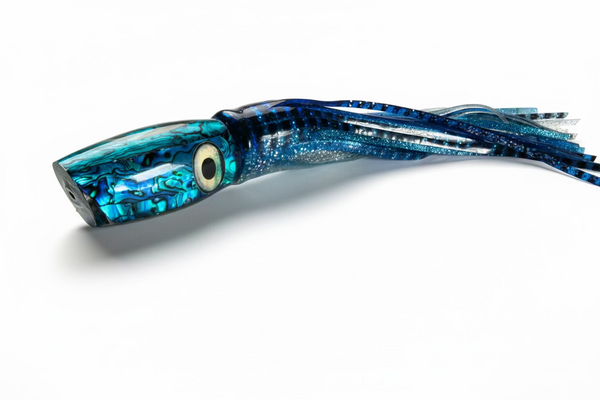
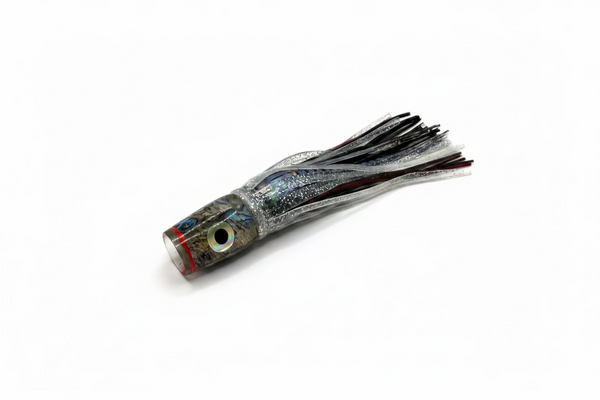
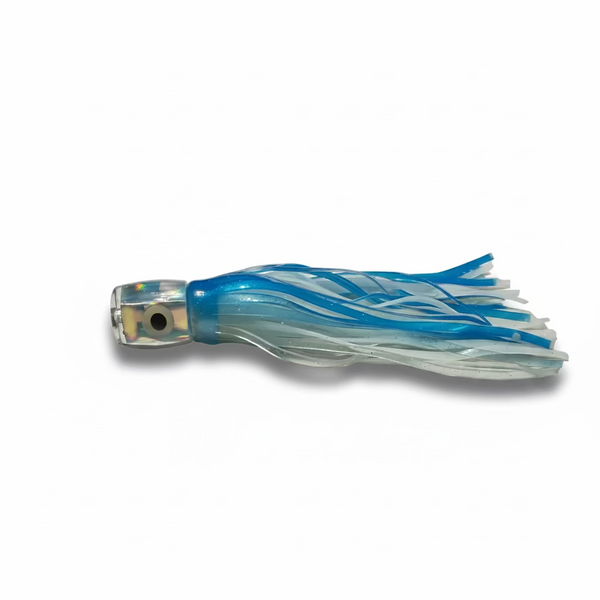
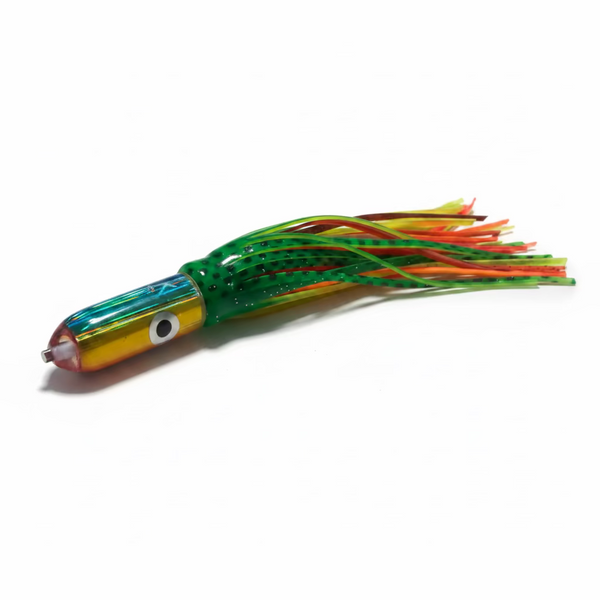
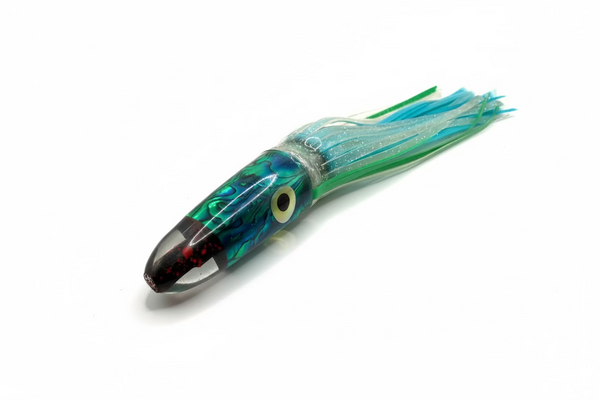
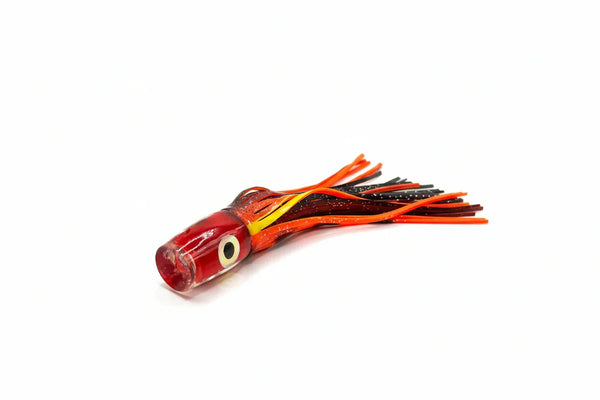
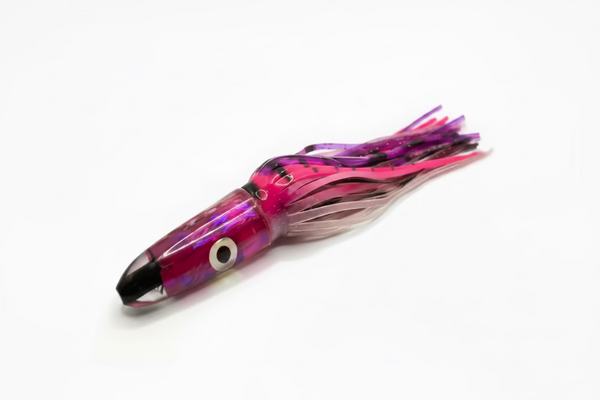
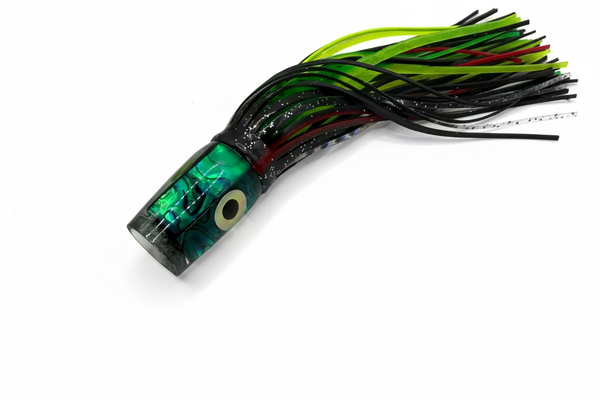
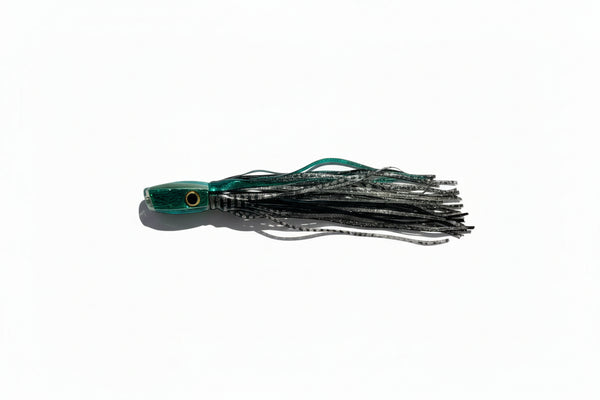
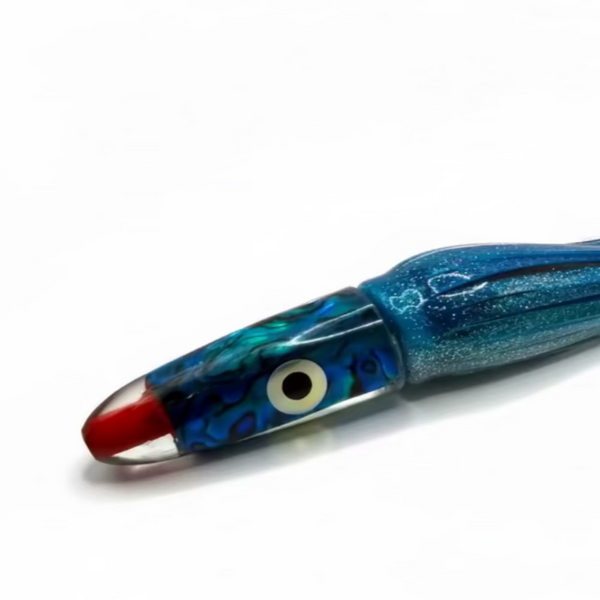
Since the pioneering development of molded resin heads in Hawaii during the mid twentieth century, synthetic skirted designs have largely replaced natural dead baits in tournament sportfishing. Yet the difference between an empty wake and a billfish crash comes down to the exact hydrodynamic calibration between head geometry and skirt material. High performance skirted trolling lures command offshore spreads because of the structural synergy between a rigid head geometry and a dynamic, pliable skirt material.
The Hydrodynamic Mechanics of Skirted Trolling Lures
Head Geometry as the Mechanical Engine
The forward resin head functions as the primary mechanical engine of the entire lure assembly. A cupped face captures surface water to generate violent turbulence and a rhythmic popping action at moderate speeds. Conversely, an angled or slanted face digs into the current and darts erratically from side to side across the wake. When higher vessel speeds are required, a tapered bullet profile slices directly through the water column to track straight without blowing out. Throughout each of these distinct mechanical cycles, the pliable rear skirt acts as both an essential hydrodynamic stabilizer and the primary visual silhouette.
Collar Integration and Drag Reduction
Achieving maximum swimming action requires a flush, seamless transition between the machined head collar and the rubber skirt saddle. Poorly fitted skirts introduce erratic parasitic drag that dampens the natural cadence of the head and causes lures to tumble out of the water in choppy seas. Our handcrafted lures establish the industry benchmark for precision head to skirt integration, detailed thoroughly in our guide to mastering abalone resin designs. Genuine internal abalone shell inlays and high flash glitter skirts operate as a single aerodynamic and hydrodynamic unit. Ultimately, projecting an effective underwater acoustic and visual footprint relies on balancing forward head weight against rear skirt resistance.
| Head Profile | Primary Mechanical Action | Optimal Trolling Speed | Ideal Skirt Pairing |
|---|---|---|---|
| Cupped Face (Chugger) | Surface popping and aggressive digging | 6 to 9 knots | Thick vinyl strands for wide flare and heavy drag stabilization |
| Slanted / Angled Face | Darting lateral sweep with dive cycles | 7 to 10 knots | Medium gauge pliable skirt to accentuate side to side swimming |
| Bullet / Cone Profile | Straight tracking with minimal subsurface lift | 8 to 14 knots | Streamlined single layer skirt to minimize high speed drag |
How Skirts Generate Action and Bubble Trails
The Breathing Phenomenon Under Water Pressure
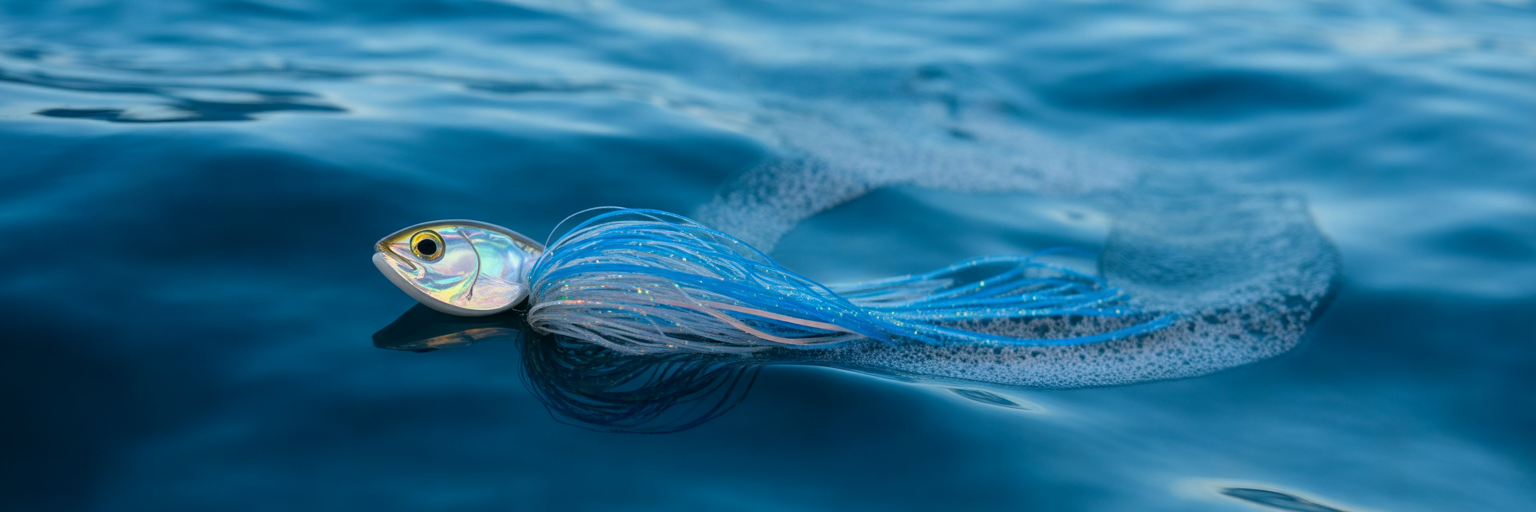
Once a precision head and skirt assembly enters the prop wash, fluid dynamics dictate how the presentation triggers predatory strikes. High performance skirted lures undergo a continuous hydro-mechanical cycle known among bluewater captains as breathing. As the lure dips down, surfaces briefly to gulp air, and dives back into solid water, shifting water pressure alters the skirt profile. Forward surge acceleration compresses the individual strands tightly together into a streamlined cone. Moments later, brief subsurface stalls allow the material to flare outward. This pulsing oscillation directly mimics the flared gills and pectoral fins of a panicked baitfish attempting to evade an apex predator.
Micro Bubble Physics and Hook Stabilization
That exact breathing rhythm also drives the creation of acoustic smoke trails. Surface air captured by the leading face is forced backward and funneled down the narrow channels between individual skirt strands. This high pressure ejection leaves a lingering corridor of white micro bubbles that deep feeding pelagic predators track upward toward the boat. Simultaneously, the flexible tentacles act as a rear rudder to stabilize the terminal tackle. Proper skirt tension prevents violent axial spinning at high speeds while concealing heavy monofilament leaders and USA rigged hooksets. Reading this action from the cockpit is straightforward, and reviewing our resource on optimal trolling speeds helps crews fine tune their presentation. A crisp, rhythmic smoke cycle confirms ideal skirt tension, whereas washed out turbulence indicates a mismatch between vessel speed and lure weight.
Evaluating Skirt Material, Length, and Layering
Heavy Duty PVC Vinyl Versus Silicone Compounds
Generating consistent subsurface turbulence requires polymers engineered to survive brutal pelagic environments. When comparing offshore trolling skirts on the rigging bench, captains must distinguish between heavy duty PVC vinyl and soft silicone compounds. While silicone works well for slow inshore bass spinnerbaits, high grade PVC vinyl is vastly superior for offshore trolling. Toughened vinyl resists shredding from abrasive billfish bills and razor sharp pelagic dentition. Furthermore, quality vinyl retains structural memory and stiffness so the strands do not collapse or mat together when pulled at 7 to 12 knots. Precision die cutting and calibrated strand thickness ensure individual tentacles separate cleanly under intense water pressure.
Trimming Geometry and Layering Configurations
Material durability must be paired with exact physical dimensions. An untrimmed, overly long skirt creates excessive tail drag that deadens head oscillation and causes short strikes behind the hook point. Anglers should always trim the skirt just past the bend of the trailing hook to keep hydrodynamics crisp and maximize hookup ratios. Serious crews also manipulate profile bulk through single or double skirt layering, known as under skirting. Keeping a versatile K2 trolling skirts set on board from our complete tackle catalog allows deckhands to replace chewed skirts immediately or construct custom double layered profiles infused with high flash glitter accents.
- Slide the primary replacement skirt over the lure collar until the rubber neck seats flush against the machined retention lip.
- Wrap waxed rigging floss tightly around the skirt saddle using three concentric half hitches, or cinch a low profile marine grade zip tie into the collar groove.
- Trim the excess tag ends of the waxed floss or zip tie completely flush so no protruding edges catch weeds or create water disturbance.
- Lay the rigged leader flat on the rigging table, measure the trailing hook against the tentacles, and follow our lure maintenance guide to keep the assembly performing across multiple seasons.
Color Selection Strategies for Pelagic Conditions
Matching Local Forage Versus High Contrast Attractors
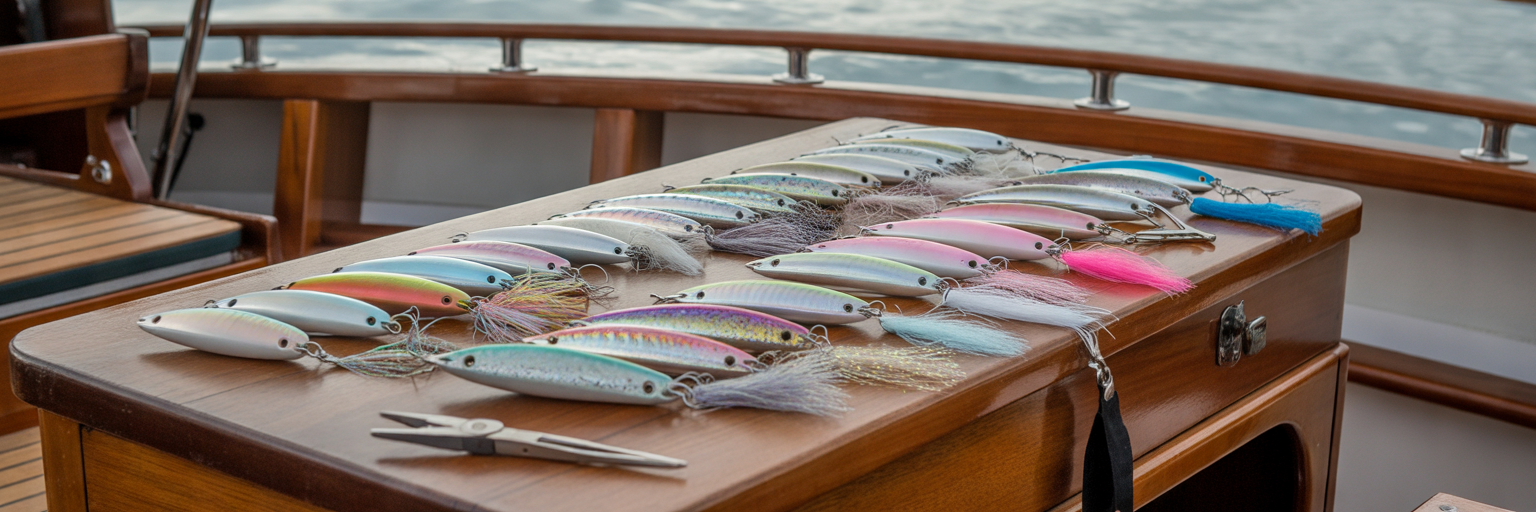
With the mechanical rigging secured, captains must address bluewater optical physics. Offshore color theory rests on two foundational pillars: matching primary pelagic forage like flying fish, squid, skipjack, or tinker mackerel, versus deploying high contrast attractor patterns that provoke territorial aggression. Ambient sky conditions and water clarity govern which approach succeeds. Bright, reflective combinations such as blue and white or pink and silver infused with high flash glitter excel in sunny, cobalt water where solar rays penetrate deep. Conversely, dark, solid silhouettes like purple and black create the strongest upward contrast against overcast skies or during low light dawn patrols.
Optical Synergy with Abalone Resin Heads
Visual strike triggers multiply when translucent glitter skirts are paired with handcrafted abalone resin lures. This optical synergy is immediately apparent when running our Blue Large Resin Abalone lure alongside the high visibility profile of our Flamingo Pink Striker. Natural, multi directional light refractions bouncing off the genuine abalone shell insert inside the resin head travel backward through the translucent glitter skirt strands. This internal light pipe effect amplifies flash intensity each time the lure rolls in the wake. For optimal spread management, captains should position realistic forage colors in the clean water on the short riggers while running high visibility attractor combinations in the long rigger or shotgun positions.
| Ambient Light and Sea Clarity | Recommended Skirt Color Palette | Optical Function | Target Forage Imitation |
|---|---|---|---|
| Bright Sun / Cobalt Blue Water | Blue, White, and Silver Glitter | Reflects intense solar rays to flash across deep thermoclines | Flying fish and sardines |
| High Sun / Offshore Green Edges | Fluorescent Pink, Gold, and Chartreuse | Cuts through suspended particulates with high wavelength visibility | Squid and juvenile pelagics |
| Overcast / Dawn and Dusk Low Light | Black, Purple, and Dark Magenta | Casts a solid opaque silhouette against a dim sky for upward looking predators | Skipjack tuna and deepwater squid |
Matching Skirted Lures to Trolling Speeds and Species
Tailoring Lure Profiles to Marlin and Tuna
Synthesizing head mechanics, polymer durability, and optical physics allows captains to deploy big game trolling lures tailored to specific apex predators. Hunting trophy marlin requires large profile cupped or slanted heads paired with thick, pulsing vinyl skirts. These heavy assemblies push substantial water and project low frequency vibrations that call billfish up from the depths into the prop wash. In contrast, targeting schooling yellowfin, bluefin, or blackfin tuna demands compact, streamlined bullet and smaller resin heads matched with tight skirt profiles. As outlined in our guide to selecting lures for marlin and tuna, these smaller silhouettes imitate fast moving baitfish without spooking line shy pelagics.
Adjusting for Sea State and Complete Spread Integration
Sea state and vessel speed dictate real time hardware adjustments across the deck. Calm, glassy conditions favor lighter heads with supple, active skirts that swim effortlessly at lower speeds. Rough, windswept seas and steep quartering troughs demand heavy, keeled or cupped heads that dig in and hold the water without blowing out across whitecaps. Individual lures perform best when integrated into a unified presentation alongside our squid and bird chains, teasers, and dredges, a system detailed in our article on building the perfect offshore spread. Because wake turbulence, outrigger halyard height, and line entry angle alter how identical lures swim, disciplined crews constantly evaluate their wake.
- Drop long rigger lures back two additional wave faces in rough seas to keep angled heads submerged in clean water on the back of the swell.
- Lower outrigger halyard clips closer to the gunwale during high crosswinds to reduce line bow and prevent lightweight bullet lures from skipping across the surface.
- Swap single layer skirts for double layered vinyl skirts on flat corner lures when accelerating past 9 knots to increase rear drag stabilization.
- Stagger heavy cupped chuggers directly behind subsurface squid dredges so the breathing smoke trail intersects the visual flash of the teaser spread.