The Performance Edge of Abalone Resin Lures
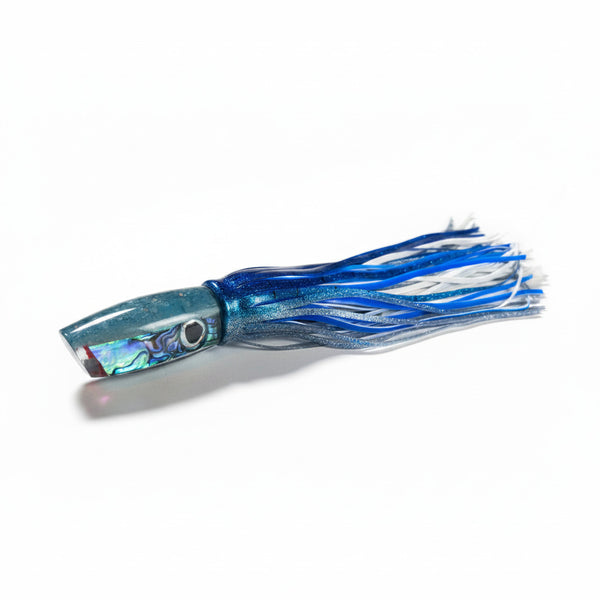
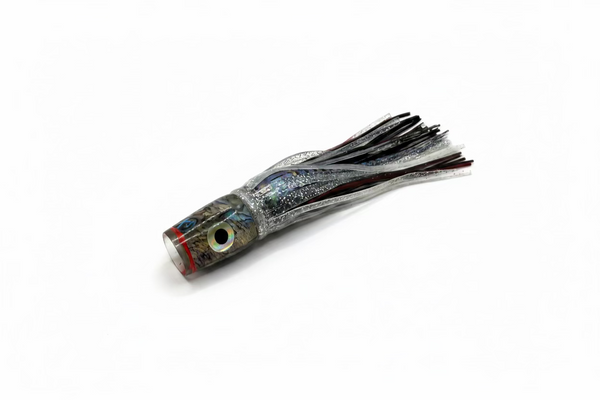
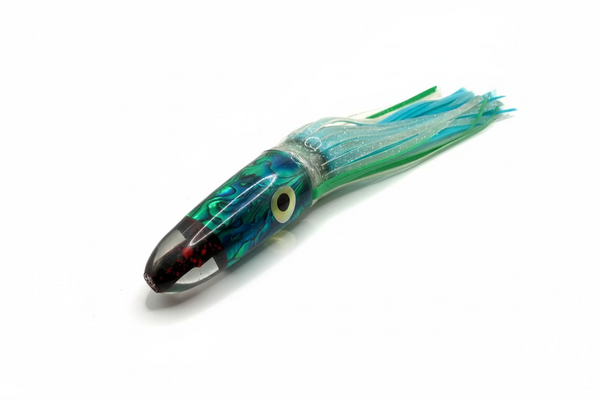
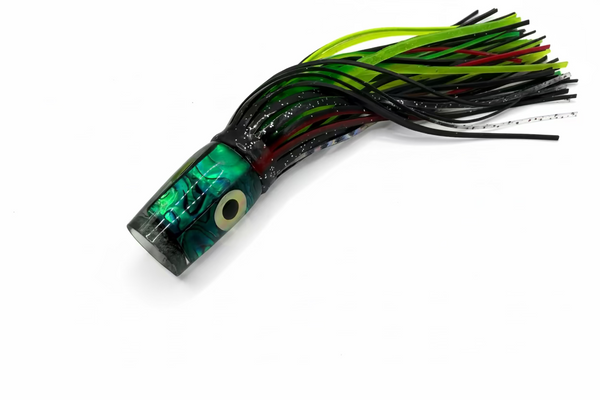
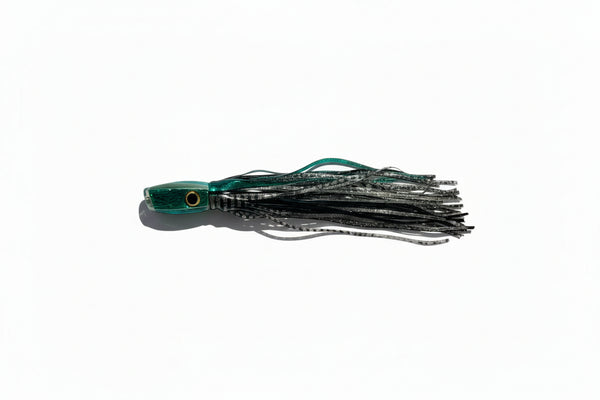
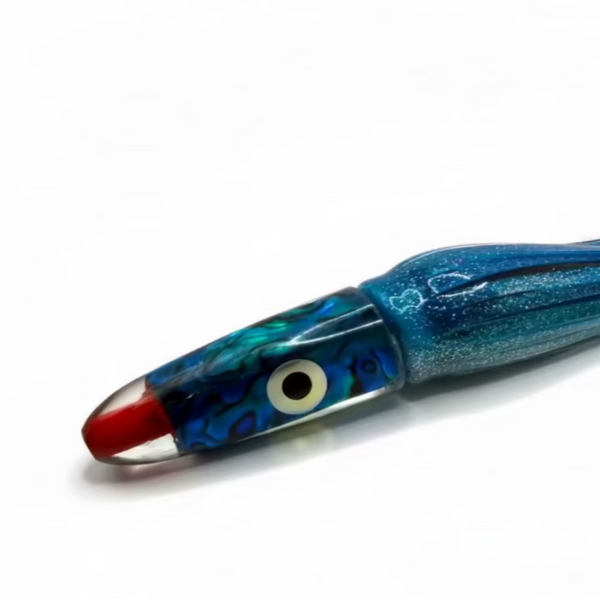
In the vast expanse of the open ocean, where light penetration diminishes with depth, visibility becomes the critical factor in triggering predatory responses. The effectiveness of any lure is measured by its ability to project a compelling visual signature through the water column. This is the core principle behind the superior performance of Abalone Resin Lures. Unlike the static, one-dimensional reflection from synthetic foils or paints, natural abalone shell produces an iridescent, multi-layered flash that shifts organically with every change in light angle and water movement. This dynamic shimmer is a near-perfect imitation of light scattering off the scales of a distressed baitfish, a powerful biological trigger that large game fish are programmed to attack.
The construction of these advanced offshore trolling lures integrates this potent natural attractant with robust engineering. The genuine abalone shell is meticulously encased in a high-impact, optically clear resin. This casing serves a critical dual purpose. It provides the lure’s specific hydrodynamic profile, which dictates its action in the water, while simultaneously offering exceptional durability. This protects the delicate shell from the immense stress of high-speed trolling and the violent strikes of powerful species like marlin and tuna. This synthesis of natural allure and engineered resilience gives these big game fishing lures a distinct and measurable performance advantage in the most demanding offshore conditions.
Selecting the Optimal Lure for Target and Conditions
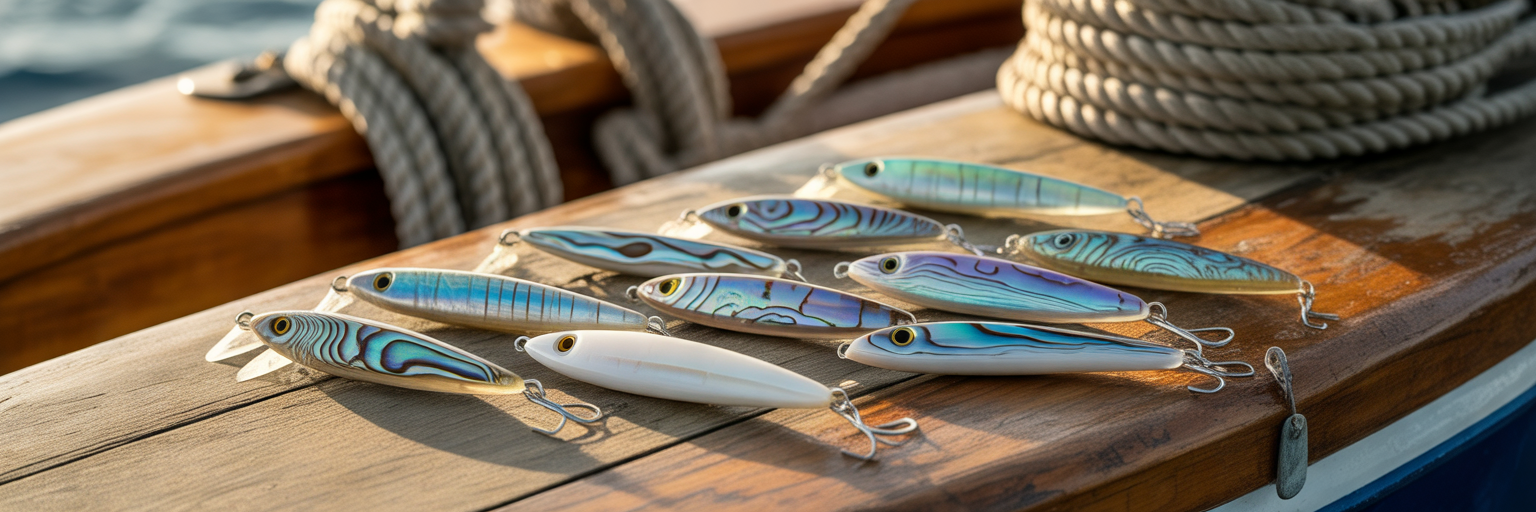
With an understanding of the abalone resin's inherent advantages, the next step is selecting the correct lure for the specific application. This decision-making process is guided by target species, sea conditions, and the desired water action.
Matching Head Shape to Water Action
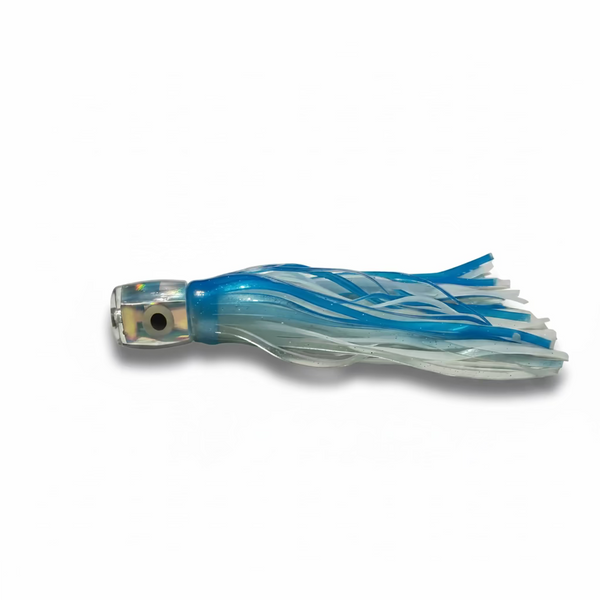
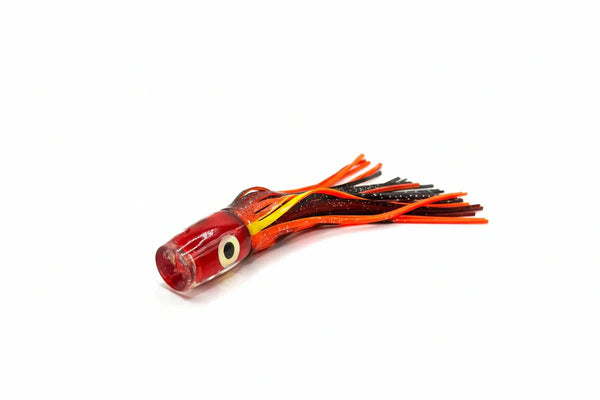
A lure's head shape is the primary determinant of its behavior in the water. Each design creates a different presentation to attract specific predators. Slant heads produce an aggressive side-to-side diving motion, while cup-faced or chugger heads create significant surface commotion and a dense bubble trail. For a more subtle approach, bullet heads are engineered for a straight, high-speed track just below the surface.
Connecting Lure Design to Target Species
These distinct actions are directly linked to the feeding habits of different game fish. The erratic, aggressive action of a slant head is highly effective for provoking reaction strikes from marlin, a key consideration in any strategy for how to troll for marlin. Conversely, the stable, straight-running profile of a bullet head is ideal for high-speed trolling, making it one of the most effective wahoo fishing lures and a top choice for tuna. A high-performance example of a versatile design is our K2Fishing Blue Large Resin Abalone lure, which combines a proven shape with the powerful flash of abalone. For a more focused guide on this topic, we have detailed the best trolling lures for marlin and tuna in our technical articles.
Strategic Sizing and Color Selection
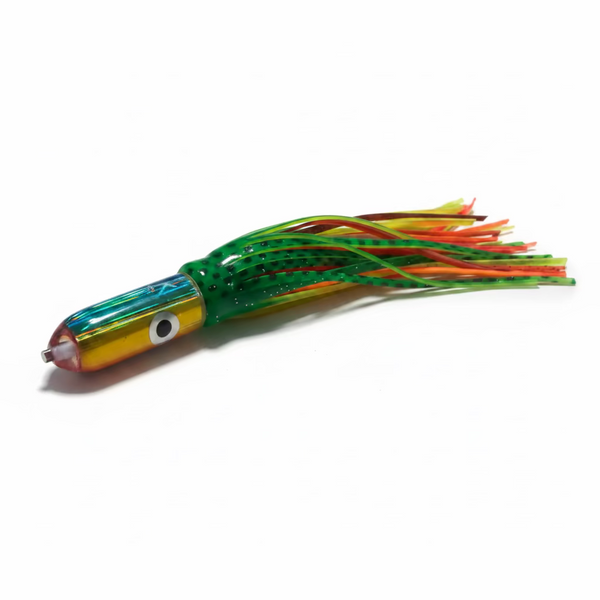
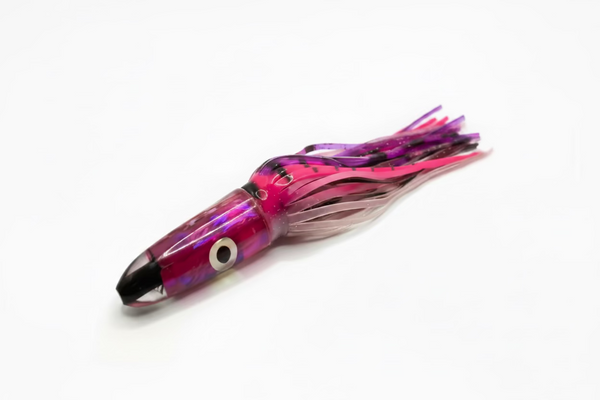
Final selection involves matching lure size and color to the prevailing conditions. Larger profiles create a more significant presence in clear, blue water, while smaller lures are used to "match the hatch" when local baitfish are small. Color selection is also a strategic choice. Darker silhouettes, such as black and purple, are highly visible against the bright surface on overcast days. In bright sun, vibrant colors like pink, blue, and green reflect more light, enhancing the abalone's natural flash.
| Head Shape | Water Action | Optimal Trolling Position | Primary Target Species |
|---|---|---|---|
| Slant Head | Aggressive, side-to-side dive and swim | Short Corner, Short Rigger | Blue Marlin, Black Marlin, Striped Marlin |
| Cup/Chugger Head | High surface commotion, loud splash, bubble trail | Short Corner, Long Corner | Tuna, Mahi-Mahi, Sailfish |
| Bullet Head | Straight, stable, high-speed tracking | Long Rigger, Shotgun | Wahoo, Tuna, Spearfish |
| Jet Head | Straight tracking with bubble trail via jet holes | Any position, especially Long Rigger | Tuna, Wahoo, various pelagics |
This guide outlines the direct relationship between a lure's head design, its behavior in the water, and its effectiveness for specific big-game species. Selections are based on established offshore trolling principles and lure performance characteristics.
Strategic Placement in a Trolling Spread
Selecting the right lure is only part of the equation. Its position within the trolling spread is equally critical for success. A well-designed spread presents a coordinated and irresistible bait school illusion, and the high-visibility flash of abalone resin lures makes them an excellent focal point. Each position in the spread is chosen to maximize a specific lure’s action.
The standard trolling positions include:
- Short Corner: Closest to the transom, in the clean water just outside the prop wash. Ideal for aggressive, high-action lures like large slant heads.
- Long Corner: Further back on the next wave, this position also suits lures with strong action that can draw attention.
- Short Rigger: Run from the outrigger, this position places the lure in undisturbed water, perfect for chuggers or medium slant heads.
- Long Rigger: Further out and back, this spot is excellent for straight-running lures or smaller designs that might be obscured closer to the boat.
- Shotgun: The longest position, straight down the middle. It is the prime spot for straight-tracking bullet heads targeting wary fish like tuna and wahoo.
The guiding principle is to place high-action lures in the clean water of the short positions, where their movement is most visible. Straight-tracking lures perform best further back, where they can be seen by fish hesitant to approach the boat's wake. The intense flash of an abalone lure can be used to draw predators into the spread, where complementary teasers like squid chains or dredges create the appearance of a larger feeding opportunity. A successful spread is about creating synergy, where the action and position of all your offshore trolling lures work cohesively. For a comprehensive guide on this tactical skill, we cover building the perfect offshore trolling spread in detail.
Fine-Tuning Speed and Presentation
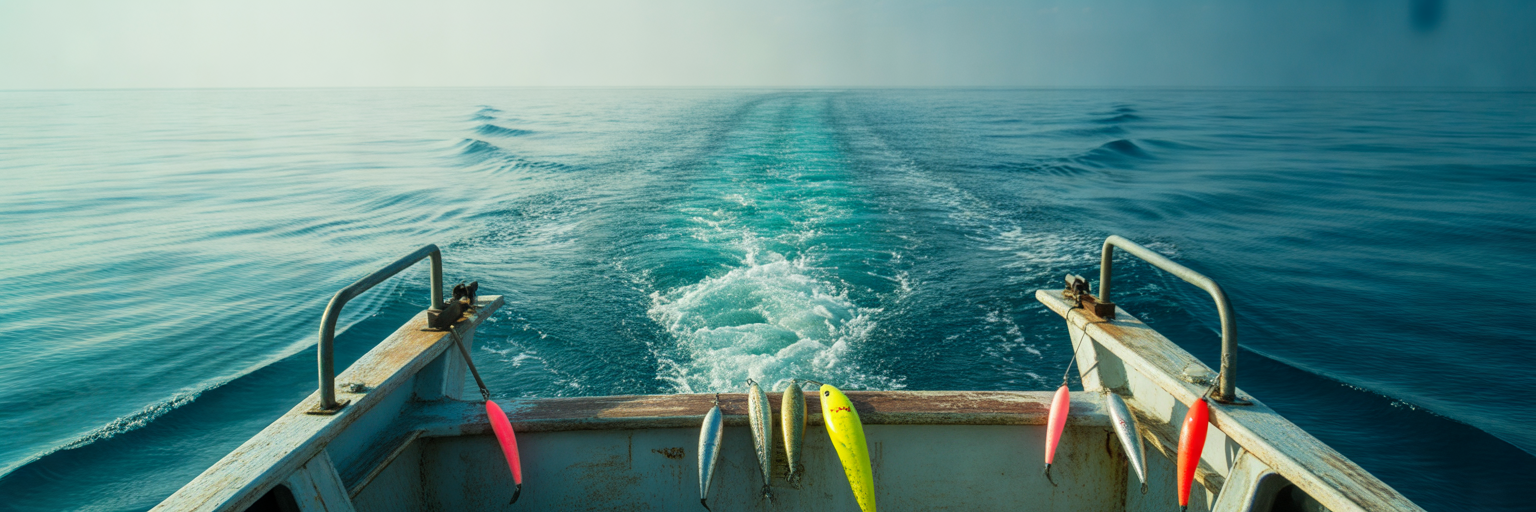
A perfectly selected and positioned lure still requires precise boat handling and speed control to perform at its peak. These dynamic adjustments separate proficient anglers from the rest. The optimal trolling speed for most pelagic species is typically between 6 and 9 knots, but this is merely a starting point. The true goal is to find the speed at which each lure in the spread is "working" correctly.
Visually confirm that each lure is swimming as designed. A slant head should be diving and surfacing rhythmically, not tumbling. A bullet head should track straight without blowing out of the water. If a lure is not performing, a slight adjustment in speed, often just a few tenths of a knot, can bring it to life.
Environmental factors demand constant adaptation. Consider changing your trolling direction to maximize the abalone's flash relative to the sun's angle. Trolling with the sun behind you can create a blinding reflection that attracts fish from a distance. Rougher seas may require heavier lures or more stable head shapes, like bullets or jets, to maintain proper action and prevent them from leaving the water. These adjustments are central to effective tuna trolling techniques, where maintaining a consistent presentation at the right depth and speed is paramount. The abalone lure is a high-performance instrument, and its effectiveness is amplified by expert boat handling. We explore the nuances of optimal trolling speeds for offshore species in another one of our guides.
Care and Maintenance for Peak Performance
Premium big game fishing lures are an investment in performance, and proper care is essential to protect that investment. Consistent maintenance ensures your abalone resin lures remain in tournament-ready condition trip after trip, preserving their visual appeal and structural integrity.
Follow these essential steps after every outing:
- Rinse Thoroughly: Use fresh water to rinse each lure completely, removing all corrosive salt residue from the head, skirts, and hook rig.
- Inspect for Damage: Carefully check the resin head for any chips or cracks that could compromise its integrity. Examine leaders for abrasion and hooks for any signs of rust or dulling.
- Store Properly: Protect the lure’s finish by storing it in a dedicated lure bag or wrap. This prevents the resin head from being scratched and keeps the skirts from being crushed or tangled.
Remember that components like skirts, leaders, and hooks are consumables. They are designed to be replaced to maintain peak performance. A frayed leader or a dull hook can be the point of failure on a fish of a lifetime. Regular inspection and timely replacement are non-negotiable for the serious angler. For more in-depth guidance, we have outlined how to maintain trolling lures for extended life.