The Critical Role of Trolling Speeds in Success
The widespread adoption of GPS technology gave offshore anglers precise speed measurements, but it also introduced a critical variable that must be managed. Trolling speed is not a static figure. It is a dynamic factor that requires constant calibration. The most important distinction to understand is the difference between speed over ground (SOG) and speed through water. While your GPS displays SOG, your lures are performing based on their velocity through the water, which is heavily influenced by current and wind. Failing to account for these elements can dramatically alter a lure’s action, rendering even a premium lure ineffective. Understanding and controlling big-game fishing speeds is fundamental to success.
Every lure is engineered to perform within a specific velocity window. Trolling too slow may prevent a lure from achieving its intended action, while trolling too fast can cause it to spin, skip, or blow out of the water entirely. This makes speed control one of the most powerful tools an angler has for mastering presentation. Proper speed ensures your lure swims correctly, creating the visual and harmonic signature necessary to trigger a predatory strike. It is the foundation upon which all successful trolling presentations are built.
Calibrating Speed for Pelagic Predators
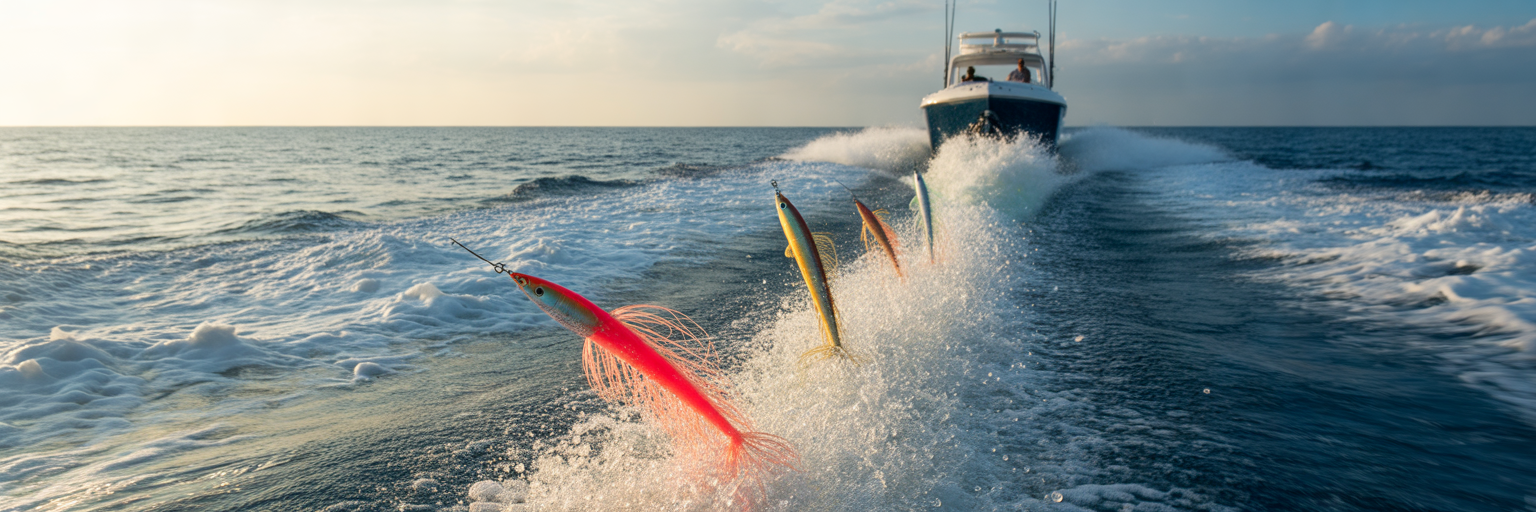
Achieving the correct presentation for different pelagic species requires precise speed calibration. The optimal velocity is not universal; it is dictated by the target species' feeding behavior and the specific action of the lures in your spread. As analysis from Sport Fishing Magazine confirms, experienced captains consistently rely on established speed ranges to maximize their results. Understanding these nuances is essential for turning a day of fishing into a day of catching.
Marlin: The Pursuit of an Aggressive Strike
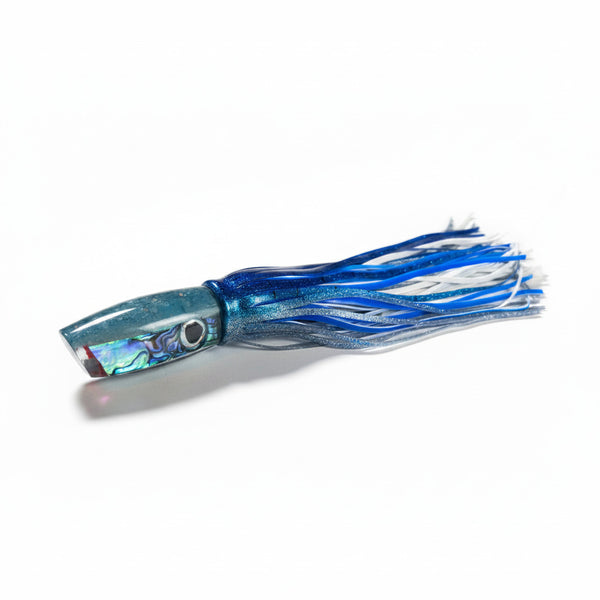
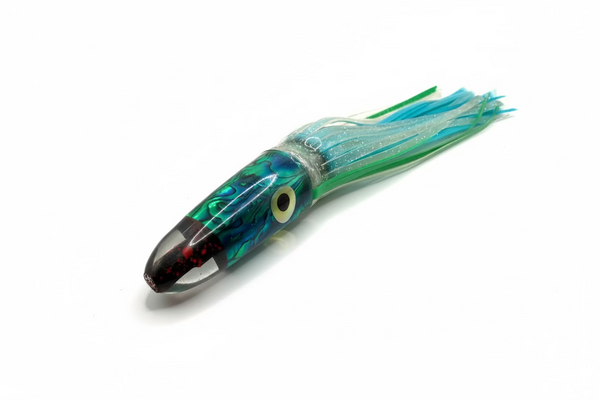
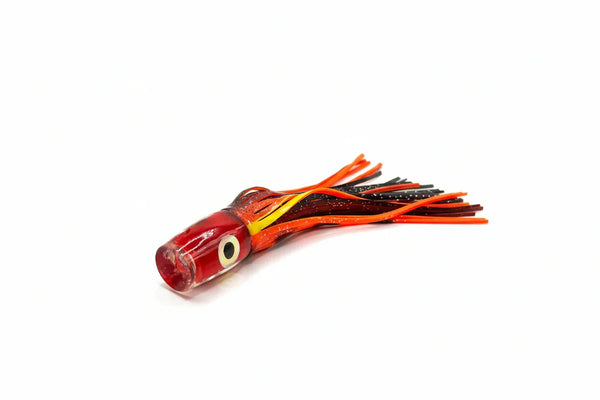
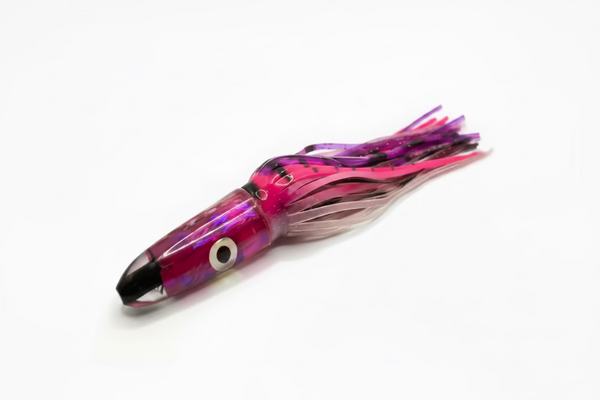
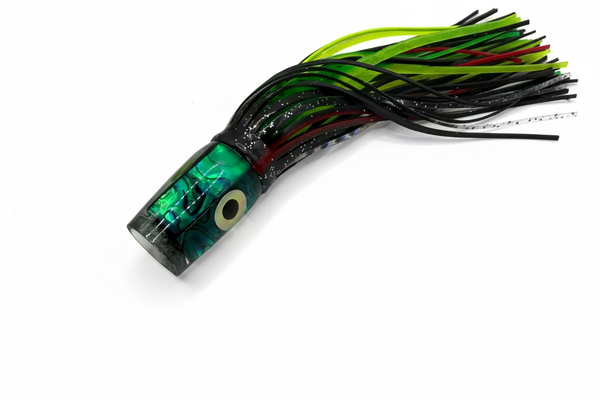
When targeting blue and black marlin, the goal is to trigger an aggressive, instinctual reaction. The optimal marlin trolling speed is typically between 7 and 9 knots. This faster pace makes lures appear as fleeing baitfish, giving a pursuing marlin little time to inspect the offering before committing to a strike. This velocity range is ideal for activating large, aggressive lures like slanted or cup-faced heads, which create significant surface commotion and smoke trails.
Tuna: Versatility for Varied Feeding Moods
Tuna are known for their varied feeding behaviors, which is why effective trolling speeds for tuna range from 5 to 9 knots. The lower end of this spectrum is effective when tuna are feeding on smaller bait or are less aggressive, allowing for a more natural presentation with spreader bars and squid chains. The higher end of the range, from 7 to 9 knots, is used for covering ground and eliciting reaction strikes from actively hunting fish. The key is to match your speed to the conditions and observed feeding activity.
Mahi-Mahi: Capitalizing on Opportunistic Behavior
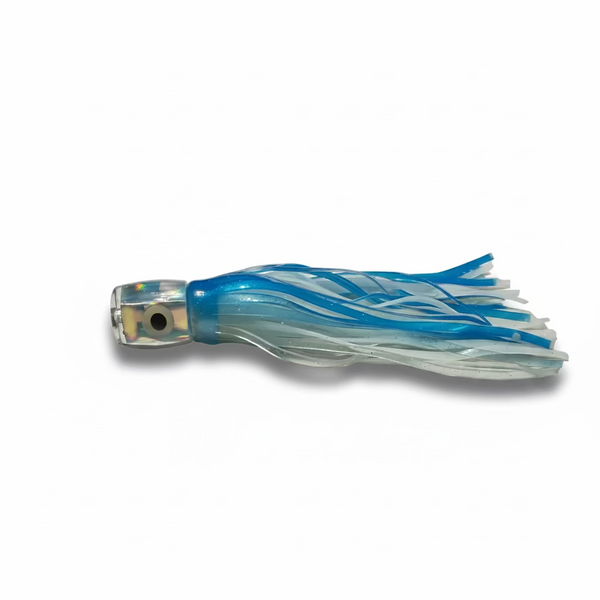
Mahi-mahi are opportunistic predators that are often attracted to the same speeds used for tuna and marlin, typically between 5 and 9 knots. They are drawn to the commotion of a spread and will readily attack small to medium-sized skirted lures, feathers, and ballyhoo combinations. Maintaining a consistent speed within this range keeps the lures working properly and appeals to the competitive feeding nature of schooling mahi.
Sailfish: The Finesse of a Slower Presentation
In contrast to marlin, sailfish often require a more finessed approach. The ideal trolling speed for sailfish is slower, generally between 4 and 6 knots. This pace allows for a more natural presentation, especially when using natural baits like naked or dink ballyhoo. A slower speed ensures the baits swim correctly without washing out and gives sailfish ample opportunity to track and strike the offering, which is critical given their bill-slashing feeding technique. Knowing how to choose the best trolling lures for marlin and tuna is just as important as dialing in the correct speed.
| Target Species | Optimal Speed Range (Knots) | Primary Rationale | Common Lure Pairing |
|---|---|---|---|
| Blue & Black Marlin | 7 – 9 knots | Triggers aggressive, instinctual strikes | Large cup-faced or slanted-head lures |
| Yellowfin & Bluefin Tuna | 5 – 9 knots | Covers active searching and reaction bites | Squid chains, spreader bars, medium resin lures |
| Mahi-Mahi | 5 – 9 knots | Appeals to opportunistic feeding habits | Small skirted lures, feathers, ballyhoo |
| Sailfish | 4 – 6 knots | Ensures a natural, subtle presentation | Naked or dink ballyhoo, small dredges |
High-Speed Trolling Tactics for Wahoo
While wahoo are often caught incidentally at conventional trolling speeds, targeting them specifically requires a specialized technique known as high-speed trolling (HST). This method involves pulling lures at velocities between 12 and 18 knots, a significant increase over standard spreads. The purpose of this extreme wahoo trolling speed is to elicit a pure reaction strike. Wahoo are among the fastest fish in the ocean, and this high-velocity presentation gives them no time to inspect a lure. It forces an instinctual, aggressive bite.
Successfully executing HST demands specialized equipment designed to withstand immense water pressure and track properly at speed. Failure to use the right gear will result in tangled lines and ineffective presentations. Key components include:
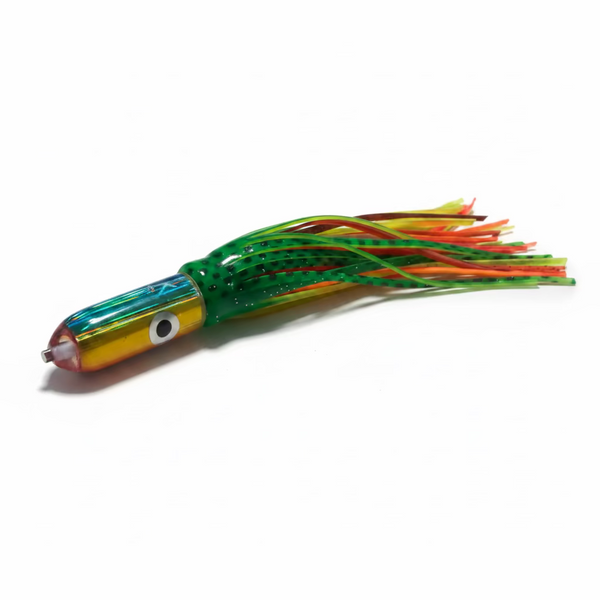
- Heavy, Streamlined Lures: Lures must have significant weight (often 24 ounces or more) and a hydrodynamic, bullet-shaped head to prevent them from skipping on the surface.
- Cable or Wire Leaders: The sharp teeth of a wahoo will sever monofilament or fluorocarbon leaders instantly. A multi-strand cable or single-strand wire leader is non-negotiable.
- Trolling Weights or Planers: To keep lures in the strike zone, heavy inline trolling weights (up to 64 ounces) or high-speed planers are used to achieve the necessary depth and prevent lures from blowing out.
Mastering these advanced wahoo trolling strategies is a high-performance discipline that consistently produces results for dedicated anglers.
Matching Lure Design to Trolling Velocity
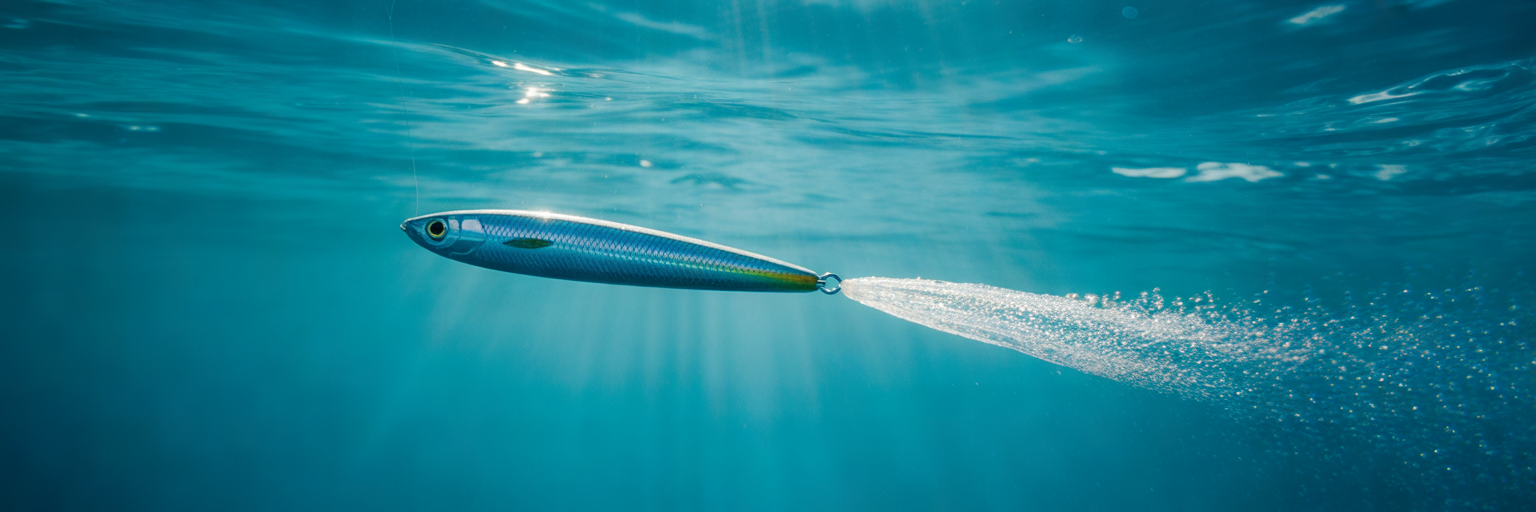
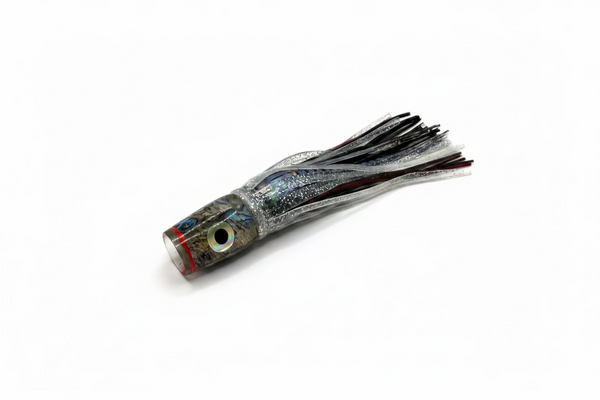
The performance of a trolling lure is directly tied to its design, and each shape is engineered for an optimal velocity range. Understanding this relationship is fundamental to building effective offshore trolling techniques. A lure's head shape, weight, and leader tube placement all dictate how it will behave at different speeds. For example, cup-faced and slanted-head lures are designed to create an aggressive, side-to-side swimming action and are most effective between 7 and 9 knots. In contrast, bullet-head lures are built for stability and are meant to track straight, making them ideal for higher speeds or for running in the clean water of the long rigger position.
An angler must be able to recognize when a lure is not performing correctly. There are several clear indicators that you are trolling too fast for a particular lure:
- Spinning: The lure rotates on its axis instead of swimming, which will twist your leader and repel fish.
- Erratic Skipping: The lure spends more time out of the water than in it, failing to create a consistent smoke trail or action.
- Blowing Out: The lure completely jumps out of a wave face and lands outside the wake, often tangling with other lines.
Before deploying any new lure, it is a professional best practice to test its action alongside the boat at various speeds. This simple step ensures you understand its performance window and can place it in the spread where it will run most effectively, like our large resin lures designed for peak performance.
Adapting Speed to Prevailing Sea Conditions
The final layer of speed mastery involves adjusting trolling speed in response to the immediate sea conditions. A set-it-and-forget-it approach is rarely optimal. In rough seas with significant swell, it is standard practice to reduce speed by 0.5 to 1 knot. This prevents lures from surging down wave faces and then stalling in the trough, which creates an unnatural presentation. A slower, more consistent pace ensures the lures remain in the water and swim correctly despite the challenging conditions. Conversely, exceptionally calm days may permit a slight increase in speed to cover more ground efficiently.
Furthermore, experienced captains use speed variation as a proactive tactic. If you mark a fish on the sounder or see one following a lure, a slight increase or decrease in speed can alter the lure's harmonics and action. This change can be the precise trigger needed to convert a follower into a biter. This principle of adapting to environmental cues is universal in angling, whether you are targeting pelagics or learning about finding winter redfish in Florida. Success comes from continuous observation and a willingness to make micro-adjustments. Ignoring these factors is one of the most common offshore trolling mistakes. True mastery is achieved by constantly monitoring lure performance, sea state, and crew feedback to ensure your spread is always optimized.