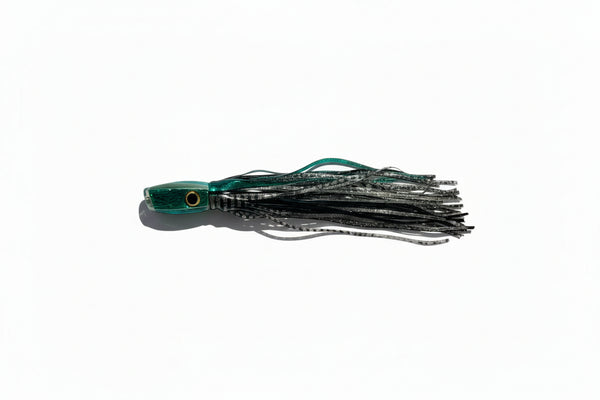
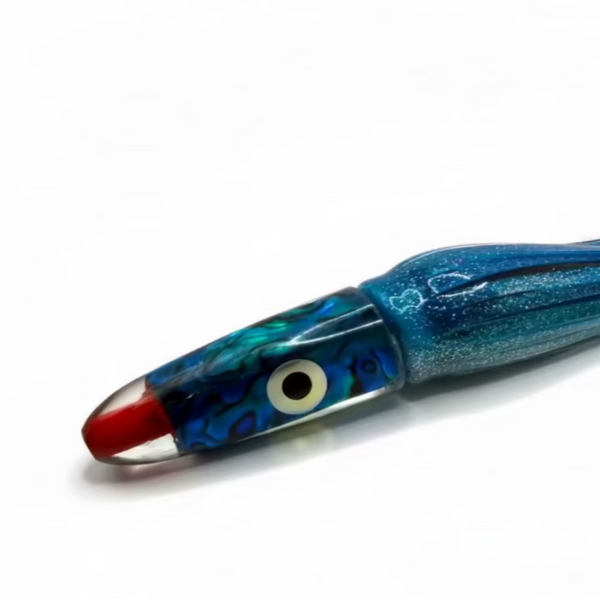
A teaser spread that looks right in clean water can still be dead wrong at trolling speed. That is where a lot of offshore crews waste time. They run too much drag, too little separation, or teaser positions that wash out the lanes where their actual bite baits need to work. If you want to know how to build teaser spread systems that raise fish instead of just adding clutter, start with one rule: every teaser has a job.
That job changes with species, sea state, boat size, and how aggressive you want the presentation to be. A marlin spread built to pull fish up and back is not the same as a tuna spread meant to tighten the bait picture and keep your lures in a defined zone. Wahoo can demand even more discipline because extra hardware and sloppy tracking can cost you clean speed and clean bites fast.
How to build teaser spread systems with purpose
The best teaser spread is not the biggest one. It is the one your boat can pull cleanly, repeatedly, and at the speeds you actually fish. Most crews do better with two well-placed teasers than a wide mess of chains, birds, and dredges dragging through whitewater.
Start by thinking about the spread as three zones. The first is attraction, where teasers create flash, commotion, and the outline of a bait school. The second is transition, where a fish leaves the teaser and starts looking for a clean target. The third is conversion, where your hooked lure or bait sits in a stable lane and gets eaten.
If your teasers overpower the spread, fish stay hot on the commotion but never switch. If the teasers are too weak, they do not raise enough attention to matter. The right build creates a clear handoff from teaser to lure.
Pick the spread style before you pick the hardware
A lot of anglers buy components backward. They stack chains and dredges because they look fishy, then try to figure out placement later. Build the plan first.
For marlin, teaser spreads usually lean on visual aggression. You want profile, smoke, flash, and movement that can raise fish from below or off the side. Bird chains, squid chains, and dredges all have a place here, but the spread still has to leave clean lanes for your short and long positions.
For tuna, the spread usually works better when it stays tighter and more disciplined. Tuna often respond to organized bait impressions rather than oversized chaos. A compact chain or smaller teaser run ahead of productive lure positions can be enough, especially when you are covering water and trolling efficiently.
For wahoo, speed and tracking matter more than spread drama. At higher trolling speeds, a teaser that spins, skips badly, or pulls sideways is not helping. It is adding drag and giving you one more thing to fail when a fish shows up at pace.
That is the first real trade-off. More flash can raise more interest, but too much teaser can hurt lure performance, increase tangles, and slow your spread down. Serious crews know when to simplify.
The core teaser components and what each one does
Squid chains are useful because they create a compact bait-school look without demanding as much drag as a full dredge. They fit well on smaller boats, mixed-species spreads, and crews that want easy deployment. They also hold their shape well when built correctly.
Bird chains add surface commotion. They are excellent for drawing the eye, especially when you want a topwater signal in moderate conditions. The downside is that some birds can blow out in rough seas or at speed if they are too light or poorly balanced.
Dredges create the heaviest bait-ball illusion in the spread. They can be outstanding for marlin and other fish that key on dense bait presence, but they require clean rigging, enough cockpit control, and a boat setup that can manage the extra load. If your crew is short-handed or your gear is light, a dredge can become more trouble than value.
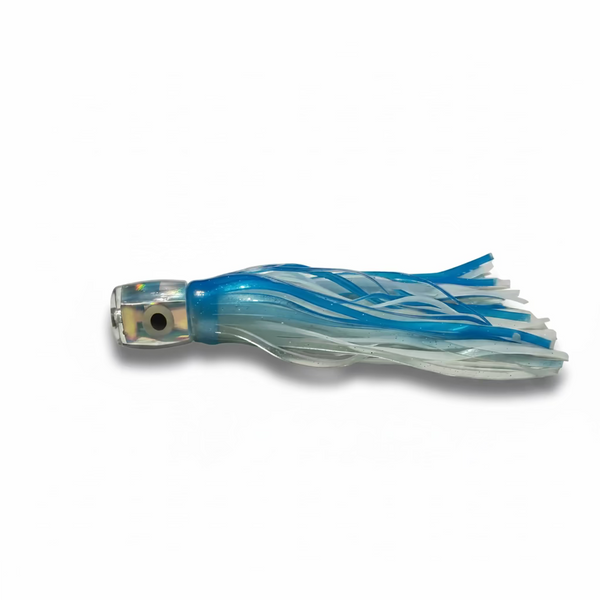
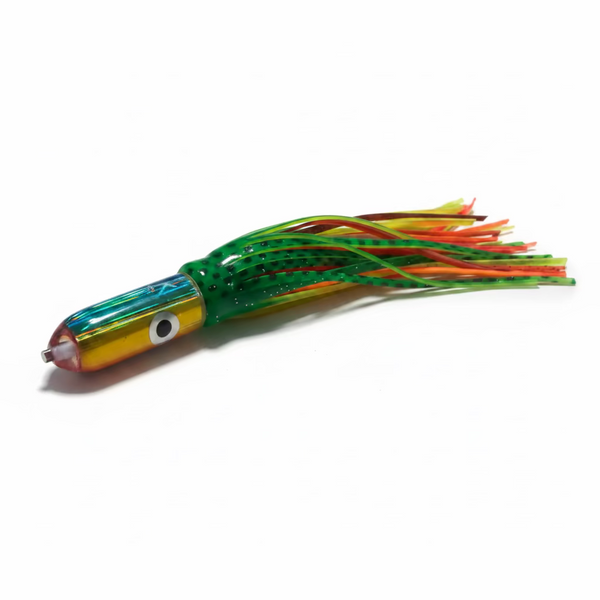
Single large teasers or hookless lure-style teasers can also work, especially when you want a defined target that stays clean in one lane. They are easier to tune than big multi-arm systems and often make sense for crews that want less clutter and faster resets.
Position matters more than size
If you are figuring out how to build teaser spread layouts, focus harder on position than on lure count. A perfectly built teaser in the wrong lane does not help you.
Most teaser spreads work best when they sit ahead of or just outside your main bite positions, not directly on top of them. You want the teaser to attract fish, then pull them into a cleaner target behind it. If a teaser runs too close to the lure that is supposed to get bit, it can steal attention without creating a clean switch point.
Flat lines are common teaser positions because they let you work close to the boat with good visibility and fast adjustment. Outriggers can also carry teasers effectively, especially if you want cleaner side separation and less interference with your short positions. Dredges often run from dedicated dredge booms or heavy teaser reels because they need stable deployment and controlled retrieval.
Sea conditions change everything. In calm water, you can get away with a wider, more visual presentation. In rough water, tighter and more controlled usually wins. Whitewater can hide a teaser or make it surge badly, so you may need to move it into cleaner water even if that means reducing spread width.
Match the teaser spread to your lure pattern
This is where many spreads break down. Anglers treat teasers as extras, not as part of the overall pattern. But your teasers and your lures need to tell the same story.
If your teasers suggest a tight pod of fleeing bait, your lure positions should support that picture with similar size, color family, and movement. If your teasers are heavy on flash and surface disturbance, then your trailing lure should look like the easy target breaking out of the school. That handoff is what gets fish to commit.
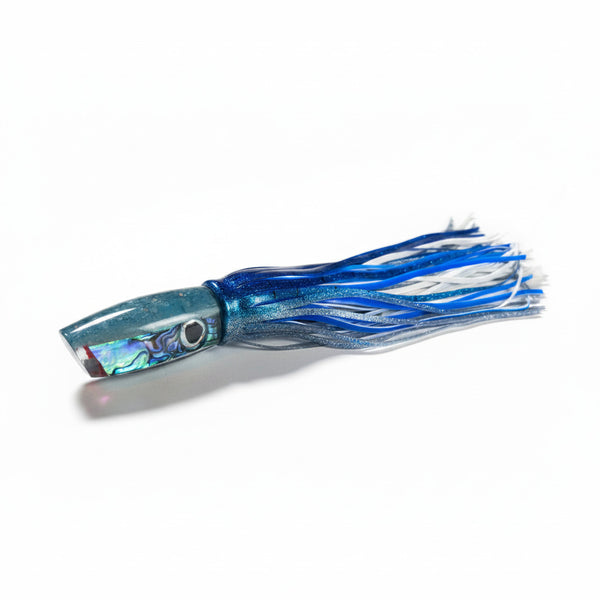
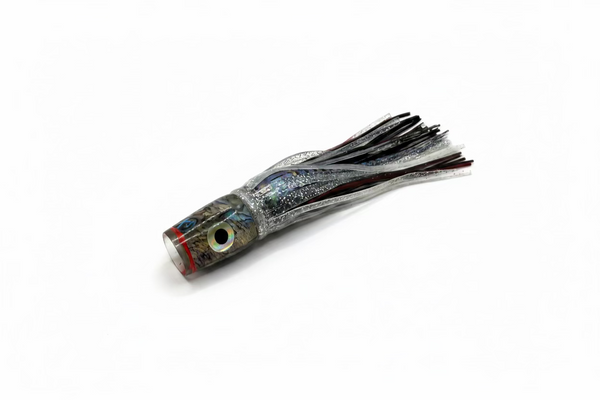
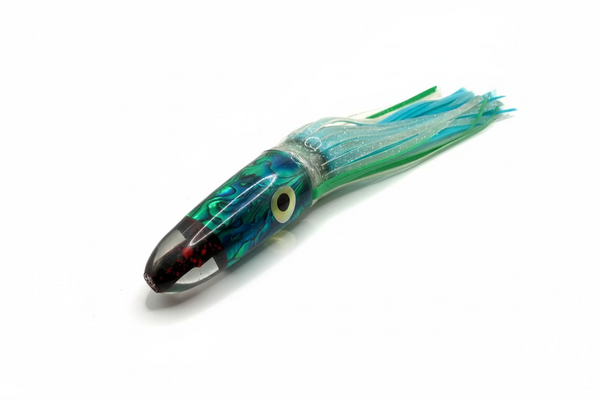
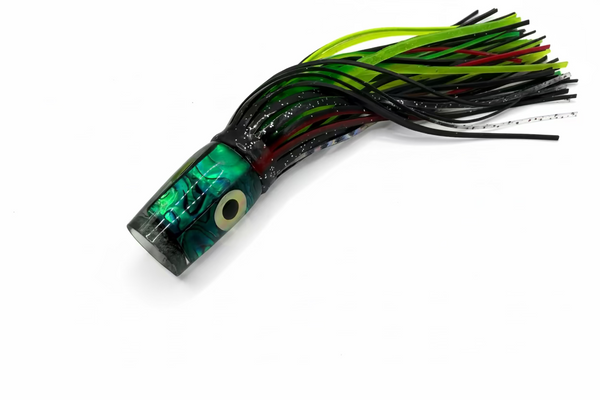
Color is not a rule by itself, but contrast matters. Dark teaser silhouettes can show well in some light, while flash-heavy resin and abalone-style finishes can throw stronger visual cues when the sun is up and the water is clean. What matters is not having random pieces that fight each other.
For a practical starting point, run one teaser on each side with your short lures behind and inside the teaser influence, then keep your long positions clean and readable. That gives you a spread fish can find without turning the wake into a traffic jam.
Rigging and pull quality decide whether it works
A teaser spread is only as good as its tracking. If it rolls, spins, collapses, or skips unpredictably, it stops looking like food and starts looking like junk.
Use enough leader strength and stiffness for the size of the teaser, but not so much that the teaser loses action. Keep connections clean. Crimps, swivels, and spacing all affect how a chain swims. Cheap terminal components can ruin a premium teaser fast.
Balance is critical. A chain that pulls off-center will drift into other lanes and force constant correction. A bird that is too buoyant or too light for the speed may blow out. A dredge with uneven arms or poor bait placement can spin instead of pulse. None of these problems get fixed by towing harder.
This is where product quality matters. Offshore spread components need to be built for speed, salt, and repeated punishment, not just to look good in a package. K2Fishing builds offshore gear for that real-world use case, and that difference shows up when the water gets rough and the spread still has to run clean.
Common mistakes when building a teaser spread
The biggest mistake is running more teaser than your crew can manage. If a fish shows up and the cockpit turns chaotic, the spread is too complicated. The second is placing teasers so close to hook baits that they block the bite. The third is ignoring trolling speed. A setup that looks right at 6 knots may be useless at 9.
Another mistake is failing to test one change at a time. If you move teaser position, change lure size, and swap colors all at once, you learn nothing. Good spread building is still boat-by-boat and day-by-day. Conditions, current, and the way your hull throws water all matter.
How to build teaser spread setups that stay practical offshore
Start simple and earn your way into complexity. Run two teasers you can see clearly and reset quickly. Get them tracking clean. Match them to the species and speed you are actually fishing. Then build around what your productive lure positions are already telling you.
If fish are showing on the short corner but not converting, the teaser may be too dominant or too close. If fish are appearing behind the spread but not climbing in, you may need more attraction. If your spread tangles in quartering seas, reduce width and drag before you blame the fish.
A good teaser spread is not about showing off the most hardware. It is about building a clean, believable bait picture that gives pelagics one easy mistake to make. Keep it organized, keep it pulling true, and let every piece in the wake earn its place.
The best offshore spreads usually look simple once they are dialed in. That is not because they are basic. It is because every teaser, every lane, and every lure is doing exactly what it is supposed to do.