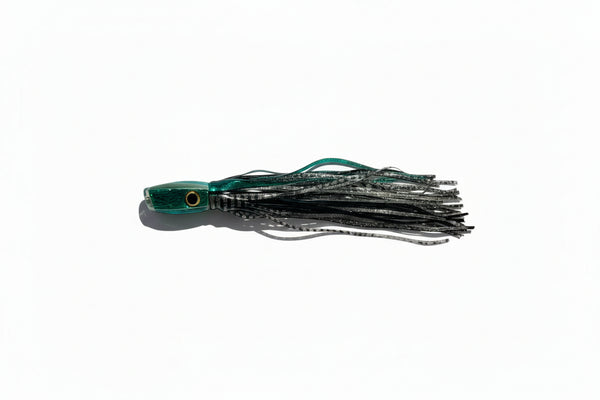
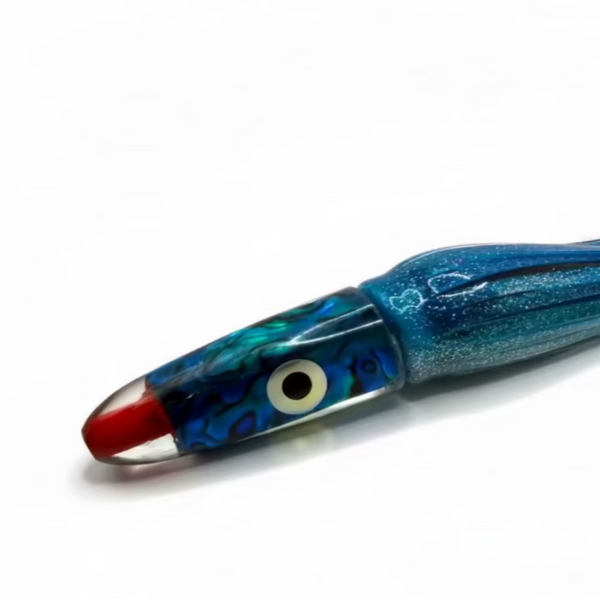
If your spread is raising marlin but not giving you clean shots, your marlin teaser rigs are probably the weak link. Good teasers do one job better than anything else in the spread - they get a fish lit up, committed, and moving where the crew can control the next move. Bad teasers just create commotion without direction.
That difference matters most when the fish shows up hot, window-shopping behind the transom, and gives you one short chance to turn interest into a bite. At that point, color helps, flash helps, and surface noise helps, but teaser position, pull, and rigging quality matter more. A teaser that tracks straight, smokes hard, and comes out of the water clean gives your crew a real shot. One that blows out, tangles, or drags like a bucket costs fish.
What marlin teaser rigs are supposed to do
A teaser is not there to get hooked up. It is there to pull a predator into your pattern and hold its attention long enough to present the real meal. For marlin, that means creating a target with enough visual presence and surface action to trigger a competitive, aggressive response without adding hardware that gets in the way of the switch.
The best marlin teaser rigs do three things at once. They show enough size to stand out in rough water, they run clean at trolling speed, and they can be cleared fast without turning into a mess at the transom. If one of those pieces is missing, the whole system gets shaky.
This is why experienced crews build teaser rigs as part of a spread, not as an afterthought. A marlin teaser has to complement the short bait, long bait, flat line, and shotgun positions. It should pull fish where you want them, not crowd productive lanes or create extra chaos when a fish is already in the spread.
Choosing the right marlin teaser rigs for your spread
There is no single teaser that works best every day. Sea state, target species, trolling speed, and boat size all change what makes sense. But for most marlin applications, your starting point is simple: run teasers with enough profile and splash to get noticed, but not so much drag that they become hard to manage.
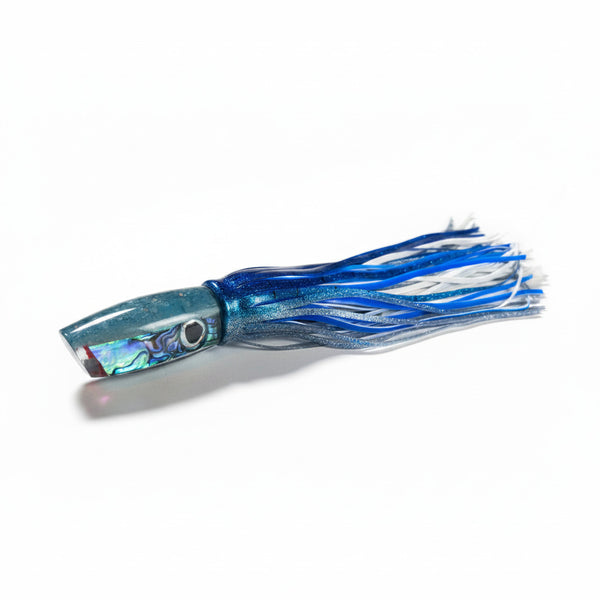
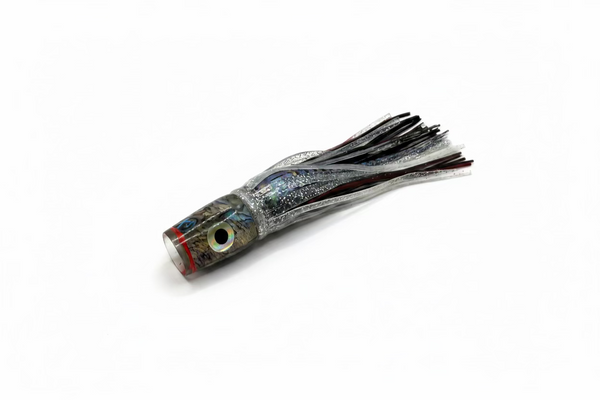
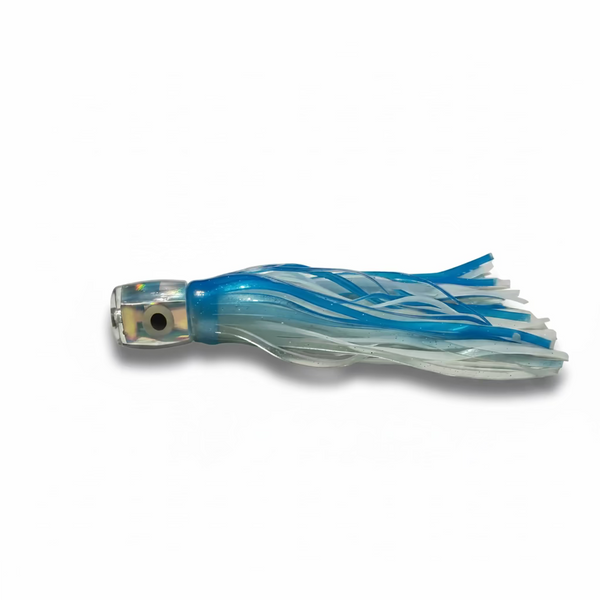
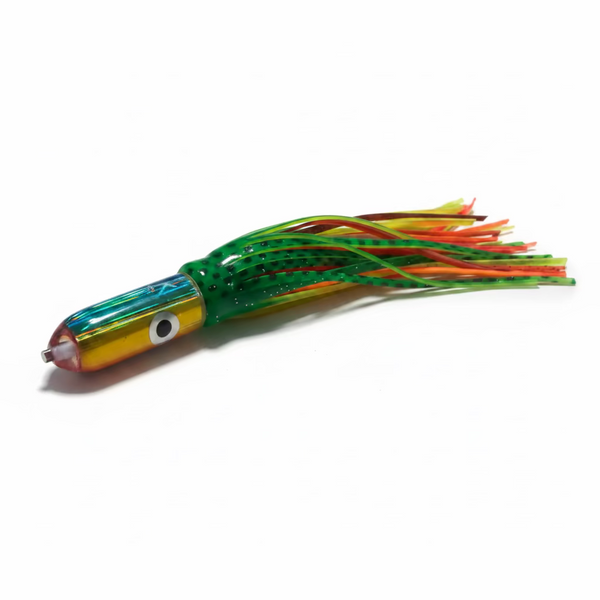
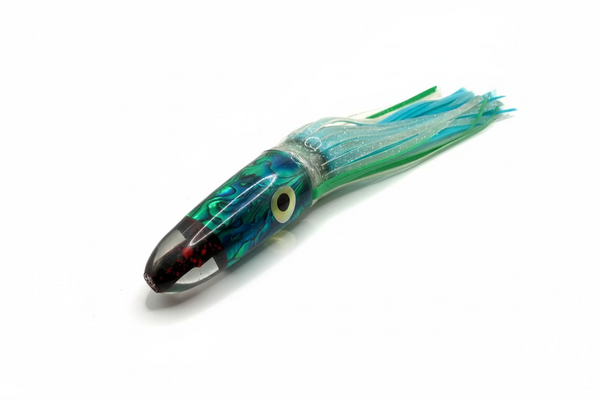
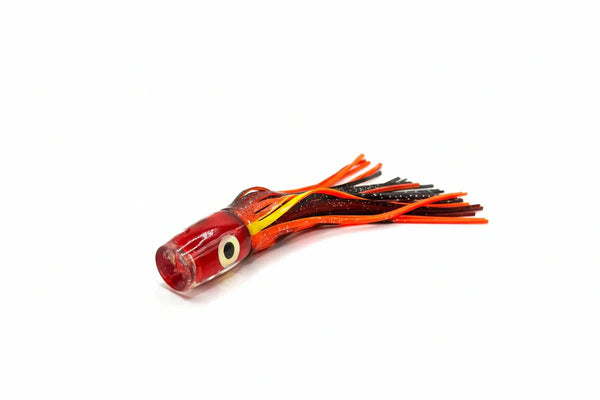
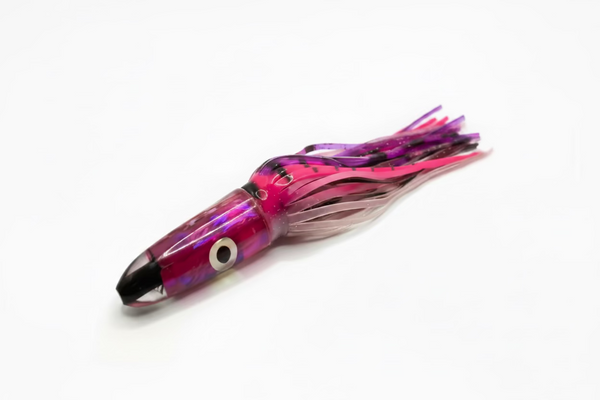
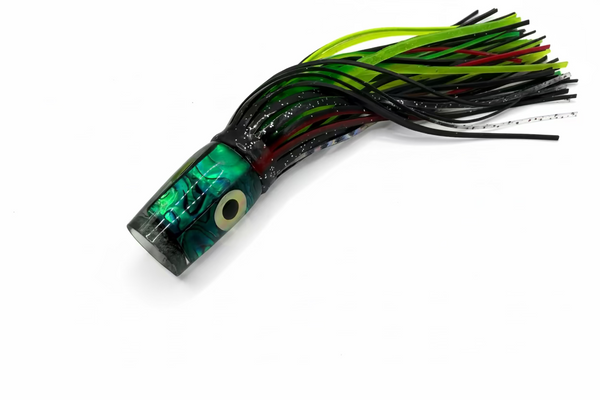
Daisy chains, squid chains, bird chains, and hookless resin teaser lures all have their place. Chains create a larger visual footprint and can be deadly when fish are feeding high in the water column. Hookless trolling lures with strong head shape and flash often track cleaner and smoke better in mixed conditions. If you are trolling faster or covering ground looking for blue marlin, a well-built hookless lure teaser can be easier to run consistently than a bulky chain that starts skipping wrong in quartering seas.
For striped marlin or fisheries where bait-and-switch is a regular program, many crews like teasers that can be yanked from the water fast with minimal resistance. That is where lighter, cleaner-running teaser rigs earn their keep. Big profile is great until it slows the clear or hangs in whitewater while the fish fades off.
Size, drag, and visibility
Bigger is not always better. Large teasers raise fish well, but they also pull harder, wear on hardware, and demand better placement. On smaller boats, overloading the spread with oversized teasers can create more trouble than gain. You want enough size to get noticed in offshore chop, not so much that the teaser spends half the day blowing out or pulling the outrigger clip at the wrong moment.
Visibility comes from more than length. Flash, color contrast, and how the teaser breathes in the water all matter. Resin heads with clean smoke trails, squid chains with pulse and movement, and birds that keep the surface active can all work. What matters is whether the teaser is visible and believable at your actual trolling speed.
Hookless means cleaner bait-and-switch
For serious marlin fishing, hookless teaser rigs usually make the most sense. They are built to raise fish, not pin them. That keeps the cockpit cleaner, reduces dangerous chaos at close range, and makes it easier to pitch a bait or drop back a circle-hook live bait when the fish is hot.
This is especially true with aggressive blue marlin. When a lit-up fish piles onto a teaser boatside, the last thing you want is unnecessary hardware turning a controlled switch into a hazard. Clean teaser, clean pull, clean clear.
How to rig marlin teaser rigs so they run right
A teaser that looks great in your hand can still fish badly if the rigging is off. Straight tracking starts with balance. Every connection point, crimp, loop, and component has to sit true under pressure.
Use tackle heavy enough for the drag load. Teasers pull harder than many anglers expect, especially large chains or birds in rough water. Weak swivels, poor crimps, and undersized leaders fail over time even if they survive the first trip. Offshore gear gets punished by speed, salt, sun, and repeated shock. Build for that reality.
Leader choice depends on teaser style, but stiffness helps keep things from fouling. Too limp, and chains wrap. Too light, and the rig gets chewed up or tracks inconsistently. Too heavy, and some smaller teasers lose their action. It depends on what you are pulling, but the goal stays the same - enough backbone to run clean and enough strength to handle repeated abuse.
Positioning matters just as much as rig construction. Most marlin teaser rigs work best where they are visible in clean water and easy to clear. Short teaser positions off the outriggers or bridge teaser reels are common because they let the crew work the fish without crossing over bait lines. If the teaser is too close, it can crowd the bite. Too far back, and it loses the boatside control that makes switching effective.
Common rigging mistakes
The first mistake is using too much teaser for the boat and conditions. A big teaser that drags badly does not fish better than a moderate teaser that runs clean all day. The second is poor spacing between components in chains. If squid, birds, or lure heads are too tight, the teaser loses its natural pulse and tangles more often.
The third is ignoring how fast the boat actually trolls. Some teaser rigs look excellent at 6 knots and fall apart at 8. If you are running a mixed spread for marlin and wahoo, or pushing speed to cover water, every teaser has to be tested at real operating speed. Guessing here is expensive.
Where marlin teaser rigs fit in the pattern
A teaser should lead fish into the bite window, not compete with your best lure positions. That means thinking of the spread as a traffic pattern. Your teaser creates attention. Your hooked bait or lure converts it.
On many boats, one teaser per side is enough. Add more only if the crew can manage them cleanly. Extra hardware looks impressive until a fish charges in and nobody can clear the right lane fast enough. Tournament crews can run more because everyone has a job and the cockpit rhythm is tight. For most anglers, two properly placed teasers beat four that are only half-managed.
Match the teaser to the role. If your short corner lure is your confidence bait, the teaser should support that area without disrupting it. If you are fishing bait-and-switch, the teaser should be close enough to tease a fish into the transom and disappear on command. That is a very different job than a long, splashy attention-getter run wide to make a broad footprint.
What actually gets more marlin bites
The teaser itself does not close the deal. Consistency does. Teasers that smoke right, stay in the water, and clear instantly put the crew in position to capitalize. That is why performance matters more than gimmicks.
Reliable marlin teaser rigs are built around repeatability. They hold up after hours of trolling, keep their action in changing seas, and do not need constant babysitting. Premium construction pays off here because the little failures add up fast offshore - cracked heads, weak crimps, twisted leaders, faded skirts, and hardware that corrodes before it should.
This is also where lure design matters. Flash has to work in motion, not just on the tackle bench. Head shape has to produce action at speed, not just look aggressive in a product photo. Serious offshore gear is built to get strikes under pressure, not just fill a spread.
K2Fishing approaches offshore spread components the same way serious crews fish them - as part of a proven system, not random add-ons. That is the right way to think about teasers too.
When you are setting marlin teaser rigs, skip the guessing. Pull what runs clean, what your crew can clear fast, and what fits the way your boat actually fishes. A teaser that does its job with zero drama is worth a lot more than one that looks big on the rigging table.