A marlin spread tells on you fast. If your short corner is blowing out, your long rigger is dead, and your shotgun is just along for the ride, good fish will come up, look, and leave. The best marlin spread patterns are not about filling every wake line with random plastic. They are about putting the right lure in the right water so each bait tracks clean, shows well, and gives a fish an easy target.
Marlin spreads work when they create order in the wake. You want one lure smoking, one diving, one holding in clean water, and one trailing far enough back to pick off the hesitant fish. That sounds simple, but the pattern changes with sea state, trolling speed, crew size, and what kind of marlin you are targeting. A blue marlin pattern built for aggressive corner bites is not always the same pattern you want for finicky striped marlin or a rough-weather day when nothing wants to stay planted.
What makes the best marlin spread patterns work
The best spreads do three things well. First, they keep each lure in the correct pressure zone of the wake. Second, they vary lure size and action without turning the pattern into a mess. Third, they leave enough separation that a marlin can track, switch, and commit without tangles or crossed lines.
Most boats troll marlin lures in three basic water types: the hard white water close to the transom, the cleaner edge of the wake, and the calmer water behind it. Big aggressive lures can own the corners because they have prop wash to push against and enough disturbance to call fish in. Medium lures usually shine on the riggers where they can breathe and track. Your shotgun generally belongs in the cleanest water of the set, where it can run true and pick off fish hanging behind the commotion.
That is the framework. The actual pattern depends on how many lines you can manage and how your lures behave at your normal speed.
Best marlin spread patterns for common offshore setups
1. The classic five-lure pattern
If you want one answer for the best marlin spread patterns on a dedicated trolling day, this is it. Run a short corner, long corner, short rigger, long rigger, and shotgun. It covers the wake from close to far, gives you multiple lure actions, and lets you scale lure size logically.
A common build is your largest lure on the short corner, another big but slightly cleaner-running lure on the long corner, medium pushers or slant-heads on the riggers, and a smaller straight-running lure on the shotgun. The short corner is your heavy hitter. It should dig in, smoke hard, and stay visible in the roughest water. The long corner can be just a touch smaller or longer in head shape so it tracks with less drama.
On the short rigger and long rigger, you want lures that hold clean, cycle naturally, and do not need constant babysitting. This is where a lot of marlin bites happen because the lure is easier to track than something buried in prop wash. The shotgun is your cleanup bait. If a fish fades off the spread or stays high and cautious, that far-back lure often gets the shot.
This pattern is ideal for blue marlin, mixed marlin water, and boats with enough cockpit discipline to turn, clear, and switch smoothly.
2. The four-lure pattern for smaller crews
A lot of anglers catch more fish by running one less line. Four lures often fish cleaner than five, especially on center consoles, smaller sportfish, or any crew that does not want extra chaos during a hot bite.
The usual layout is short corner, long corner, short rigger, and long rigger. Skip the shotgun unless conditions are calm and your crew is sharp. Without that fifth line, turns are easier, lure separation improves, and each position gets more attention. If one lure is not swimming right, you notice it sooner.
This is one of the best marlin spread patterns for owner-operators because it balances coverage with control. It also forces better lure selection. Every bait has to earn its place. Instead of dragging a marginal shotgun just because there is room, you keep four good swimmers in productive water.
3. The corner-heavy blue marlin pattern
When you are targeting big blue marlin and want a spread built to raise aggressive fish, weight the pattern toward the corners. Blues often have no issue climbing into the prop wash, and large corner lures create the kind of commotion that gets attention from a distance.
Run your biggest lure short corner and another large lure long corner, then step down slightly on the short rigger and long rigger. The shotgun can stay smaller and cleaner. This pattern works best when your large lures are built to hold shape and keep smoking at your normal trolling speed. Poorly balanced heads or weak rigging will get exposed quickly here.
The trade-off is obvious. Big corner lures call fish, but they can also pull harder, wash out faster in sloppy seas, and wear out crews that spend the day resetting lines. If your lures will not stay planted, a more moderate pattern will outperform the “go big everywhere” approach.
4. The cleaner striped marlin pattern
Striped marlin often respond better to a cleaner, less aggressive spread than blue marlin do. In many cases, medium-size lures on the riggers and a disciplined shotgun outperform a pair of oversized corner baits trying to bulldoze the wake.
That does not mean corners do not matter. It means they should complement the spread instead of dominating it. Keep the short corner active but controlled, run the long corner just outside the nastiest water, and make your rigger lures the stars. A smaller bullet or straight runner on the shotgun can be deadly when stripers slide in behind the spread instead of crashing the front line.
If fish are window-shopping and not committing, this pattern usually gives them a more comfortable target. It is also easier to troll cleanly in variable weather.
How to position each lure in the wake
Short corner
This is the closest lure to the boat and usually the boldest. It should run in heavy white water, pop, dive, and reappear with purpose. If it spends too much time tumbling, spinning, or blowing out, move it, change the lure, or drop speed slightly.
Long corner
The long corner still gets plenty of wash, but it should sit where the lure can show itself a little better. Many crews make the mistake of running it too close to the short corner, creating overlap instead of separation. Give it its own lane.
Short rigger
The short rigger often sits on the edge where white water starts to clean up. This is prime marlin water. A lure here should have a regular cycle and stay easy to see. If one lure in your spread is going to be a consistent producer, it is often this one.
Long rigger
The long rigger belongs in cleaner water and usually carries a lure with a tighter, more disciplined action. It should not look dead, but it should not be overworking either. Clean tracking matters more here than raw splash.
Shotgun
The shotgun is the farthest bait back and the least forgiving if your lure is poorly rigged. It needs to run true in calm water without spinning or surfing. Smaller bullets and other straight runners shine here because they stay in the zone at speed.
Matching lure style to spread position
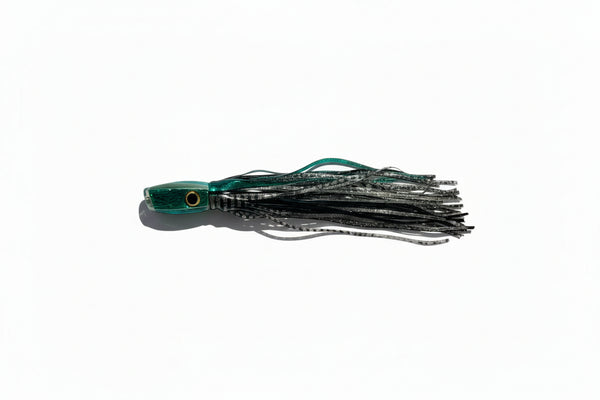
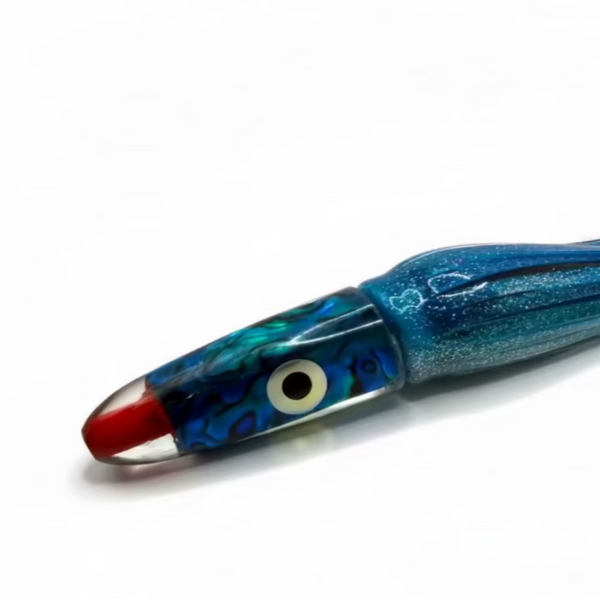
Not every marlin lure belongs everywhere. Heavy plungers, aggressive pushers, bullet styles, and resin heads all have places where they perform best. The key is matching head shape, size, and face design to the pressure in the wake.
Corners usually favor larger lures with enough face and weight to grab rough water. Riggers tend to reward medium lures that can breathe, smoke, and dive without losing rhythm. Shotguns favor straight, efficient runners that do not need prop wash to stay alive.
This is where premium construction matters. A well-balanced lure with quality rigging tracks better, recovers faster after a pop, and keeps fishing instead of spinning out. That is especially true at marlin speeds, where cheap heads and weak rigging get exposed fast.
Best lures for marlin by spread position
If you are building a marlin spread from scratch, these are the best lures for marlin in each slot:
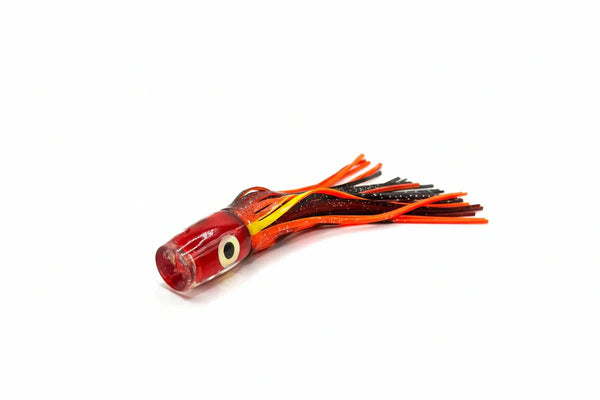
- Short corner: a large plunger or pusher with a big face that smokes hard and stays planted in heavy white water.
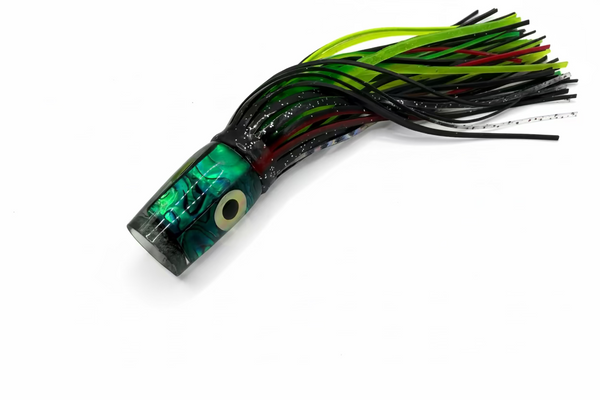
- Long corner: a large resin head with a slightly cleaner, more regular cycle so it shows well without overlapping the short corner.
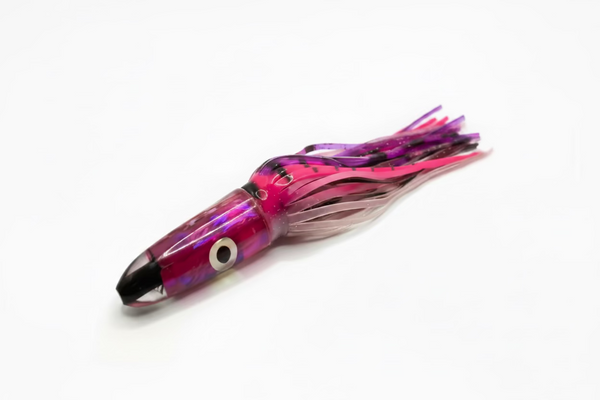
- Short and long riggers: medium slant heads and resin pushers that breathe, dive, and resurface on a steady rhythm in cleaner water.
- Shotgun: a smaller bullet or straight runner that tracks true far back for fish that hang behind the spread.
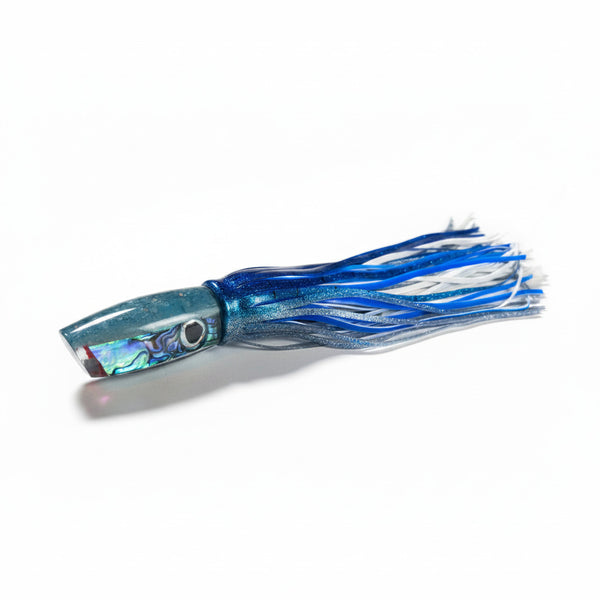
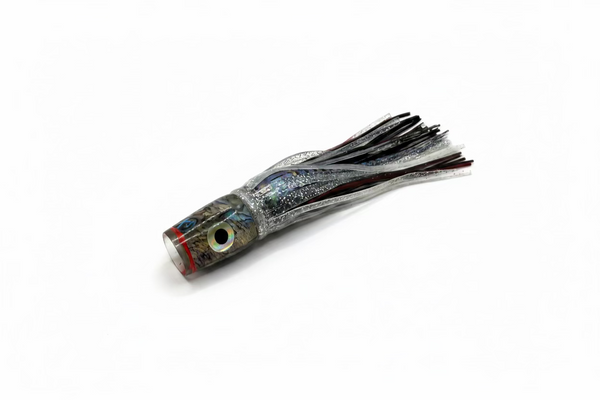
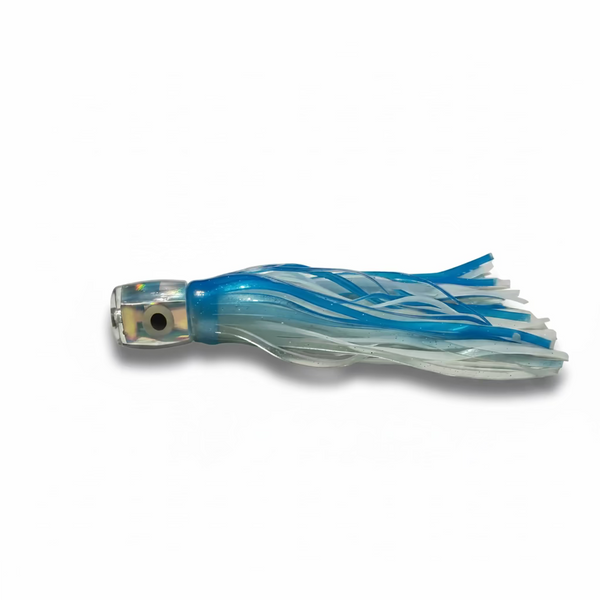
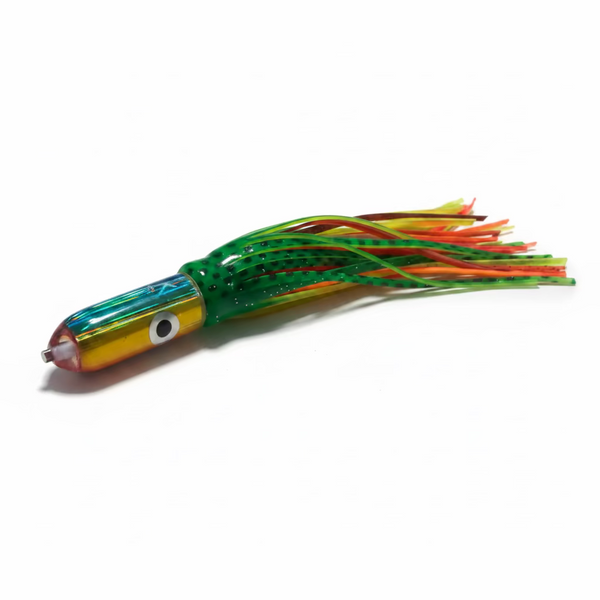
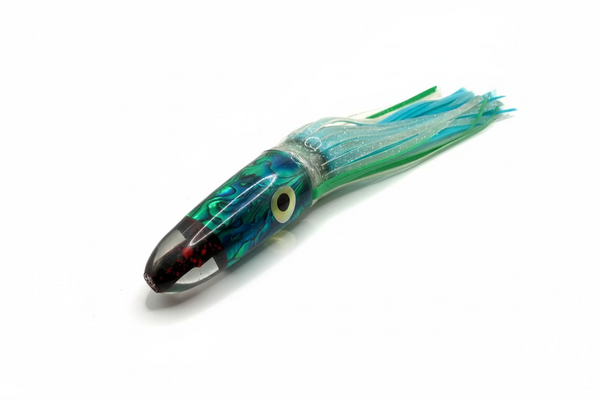
For blue marlin, lean toward larger heads with strong flash, like abalone resin lures, on the corners. For striped and white marlin, step down a size and favor cleaner-running medium lures. For deeper detail, see our guides to the large trolling lure for marlin and blue marlin lure selection, or shop our marlin lures.
Fine-tuning the spread on the water
A spread pattern is a starting point, not a rulebook. If one lure keeps getting looked at but not eaten, change color, size, or position before you assume the fish are not feeding. If your short corner keeps blowing out in quartering seas, do not force it just because that is where you think it belongs.
Water conditions matter. In calm weather, you can stretch the pattern and run cleaner positions farther back. In rough seas, compress it a little and prioritize lures that stay in the water and keep their cycle. Boat speed matters too. A lure that is perfect at 7.5 knots may be terrible at 8.5.
One of the most common mistakes is changing too much at once. Keep one steady producer in place and adjust around it. That way you learn something from the day instead of resetting the whole puzzle every hour.
For serious offshore anglers, the best marlin spread patterns are the ones you can repeat with confidence. Start with a clean five-lure or four-lure system, match each lure to its pressure zone, and let performance decide what stays. K2Fishing builds lures for exactly that kind of fishing - real offshore spreads where every bait needs to run right, hold up, and get strikes when a good fish climbs into the wake.
When your spread looks organized and each lure has a job, you stop guessing and start fishing with intent.