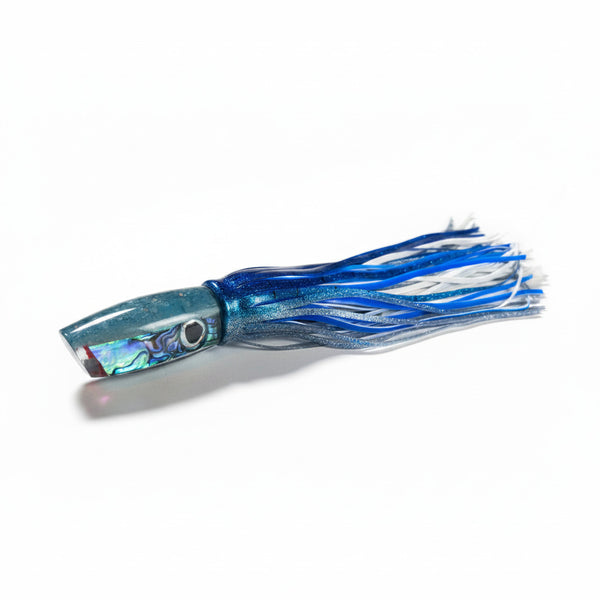
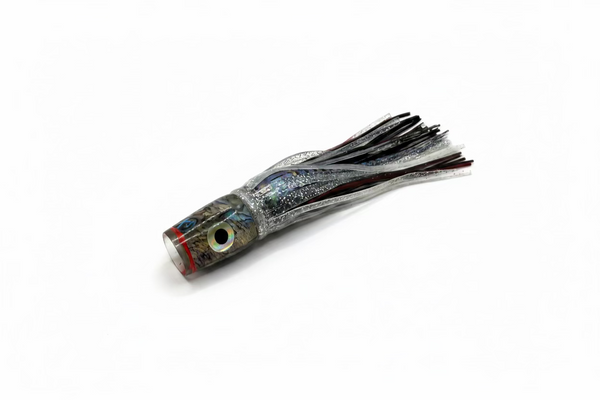
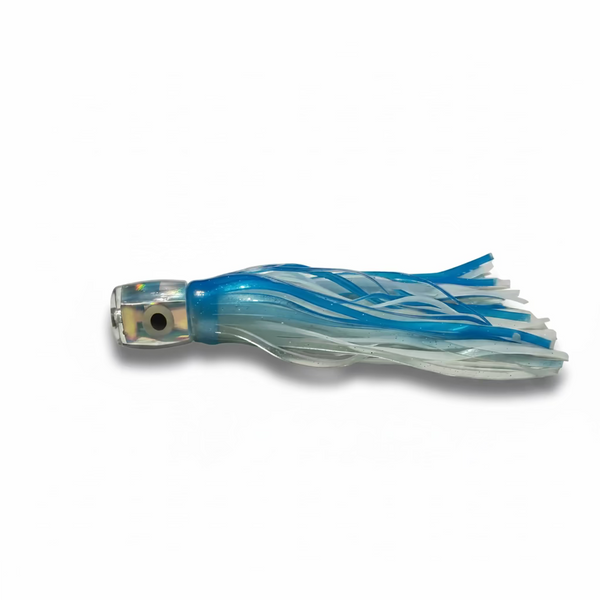
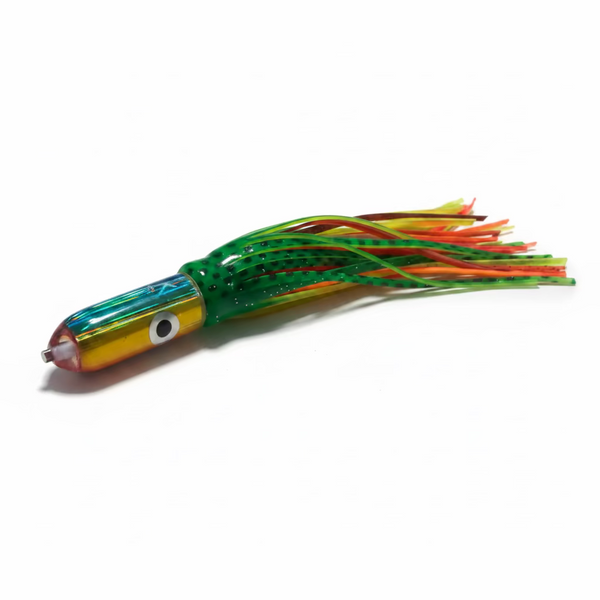
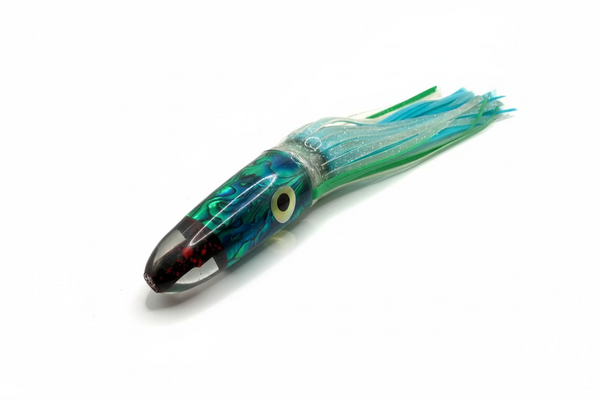
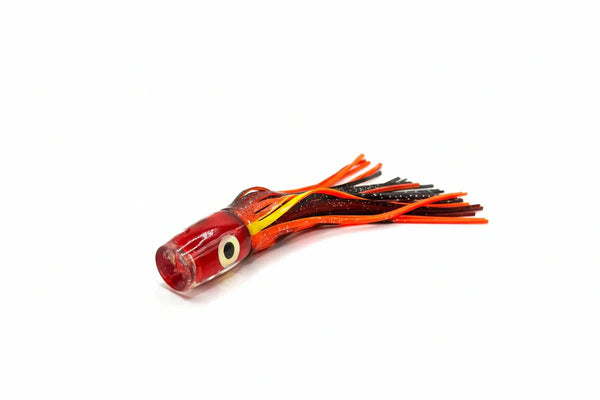
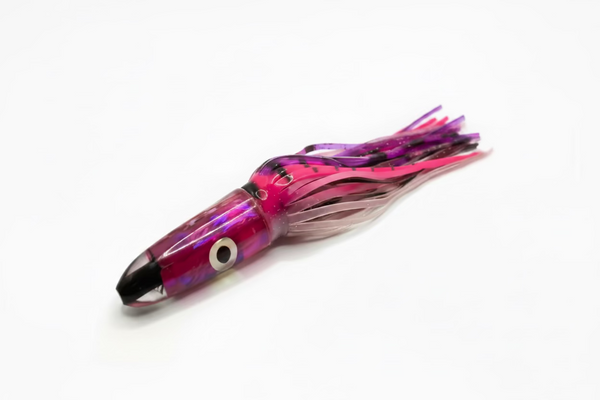
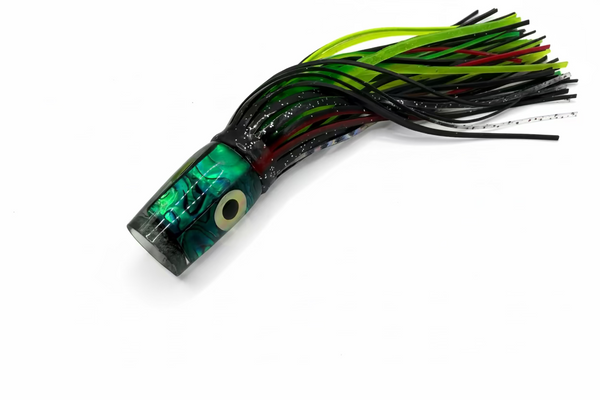
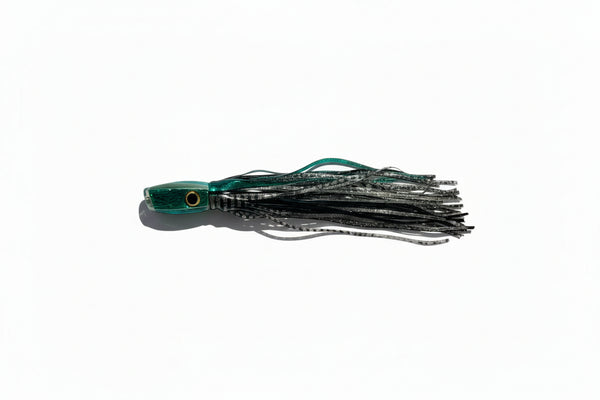
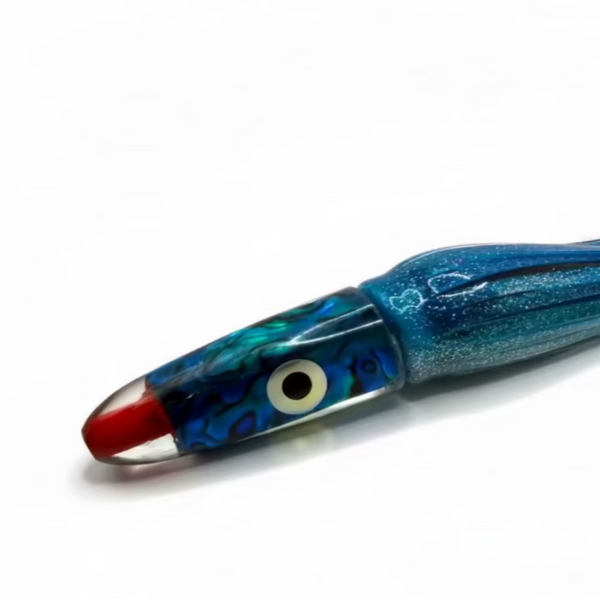
A lure can have the right head shape, the right skirt colors, and the right amount of flash, then still let you down because the rigging was an afterthought. That is why usa rigged fishing lures matter more than many anglers think. Offshore, where one clean shot from a big tuna or blue marlin can decide the day, the terminal details are not minor details.
If you troll often enough, you learn this fast. Cheap crimps, inconsistent hook placement, weak leader material, and sloppy alignment do not always fail at the dock. They fail after the spread is set, the water is right, and the fish you have been waiting on finally lights up behind the boat. A good lure gets noticed. A properly rigged lure stays in the pattern, tracks correctly, and gives you a better chance to turn a strike into a fish in the box or a release at the boat.
What sets USA rigged fishing lures apart
The biggest difference is not the flag on the package. It is the standard behind the build.
When anglers look for USA rigged fishing lures, they are usually looking for tighter quality control, more consistent assembly, and rigging that reflects real offshore use instead of mass-market convenience. That means leaders matched to the lure and target species, crimps that are properly sized and pressed, hooksets built to run true, and components selected for actual drag pressure and trolling speed.
That matters because offshore lures do not work in isolation. The head design, weight, skirt material, hook placement, and leader stiffness all affect how the lure breathes, smokes, tracks, and recovers. If one part is off, the whole lure can lose its edge.
A well-rigged bullet may hold its lane at higher speed and stay clean in rougher water. A longer resin lure intended for marlin may need a different hookset angle and leader class than a compact tuna lure run on the short rigger. Wahoo lures need to handle speed and punishment. Mahi lures often benefit from a more agile, responsive presentation. Good rigging respects those differences.
Rigging quality shows up in lure action
Serious offshore anglers usually talk first about color, head shape, or where a lure runs in the spread. All of that matters. But rigging quality is what lets the lure actually perform the way it was designed to perform.
A lure that is over-rigged can feel dead. Too much stiffness or a hookset that overwhelms the lure head can reduce action, kill the swim cycle, or make the bait spin. On the other side, under-rigged lures may look fine in flat water and then lose stability the second the sea gets up or the boat pushes speed.
This is where premium rigging earns its keep. Proper balance keeps the lure tracking clean. Hook orientation helps the lure stay upright. Leader selection affects how the bait enters and exits the face of the wave. Even the distance from the hook to the skirt matters. Small changes can mean the difference between a lure that smokes and pops with rhythm and one that just drags.
Experienced crews pay attention to this because fish do. Pelagics are not inspecting your tackle at the transom, but they react to speed changes, cadence, flash, and consistency. Lures that look alive get bit more often than lures that wash out of the pattern.
Durability is not a bonus offshore
Offshore tackle lives a hard life. UV, salt, boat rash, repeated strikes, and long hours at trolling speed expose every weak point. That is why durability is not a premium extra. It is the baseline.
USA-rigged lures are often chosen because anglers want gear built to stay together under load. Better hardware and cleaner assembly do not guarantee invincibility, but they do reduce avoidable failures. If you have ever had a skirt slip, a hook rust early, or a crimp fail on a fish that mattered, you already understand the cost of cutting corners.
There is also the issue of repeatability. A lure that works once is interesting. A lure that can be rigged and run with confidence trip after trip is valuable. Charter captains and tournament crews know the difference. They need tackle that can be set fast, run hard, checked quickly, and put back in the water without second-guessing every connection.
Why species-specific rigging matters
Not every offshore fish eats the same way, hits the same way, or puts the same kind of pressure on a lure. That is one reason generic pre-rigged tackle often disappoints serious anglers.
Tuna lures are usually expected to run clean for long periods and stay effective in a spread where they may be competing with multiple bait profiles. Hook placement and lure balance matter because tuna often punish mistakes by slashing short or missing entirely.
Marlin lures bring another set of demands. Bigger profiles, more aggressive surface behavior, and heavier tackle all put pressure on the rig. The lure still needs to swim properly, but it also needs a hookset that complements how billfish attack and how the crew intends to fish the bite.
Wahoo create a different problem. Speed, teeth, and violent impact expose weak rigging in a hurry. A lure for high-speed or medium-speed wahoo work needs to stay true, hold together, and recover instantly.
Mahi-mahi can be less tackle-shy than tuna, but that does not mean presentation stops mattering. A lure that tracks well and flashes with purpose often separates itself when fish are moving fast and reacting on instinct.
Good USA rigged fishing lures are built with those use cases in mind. That does not mean one lure cannot cross over. It means the best rigs are designed for a job, not just packaged for broad appeal.
What to look for before you buy
If you are comparing offshore lures, start with the rigging before you get distracted by paint, shell, or skirt colors.
Look at the leader class and ask whether it matches the lure size and intended target. Check the crimps for clean, even compression. Look at hook alignment and whether the hookset complements the lure head instead of fighting it. Pay attention to how the lure is finished at the skirt and nose. If the whole build looks rushed on the bench, it will not improve at seven knots in quartering seas.
This is also where handcrafted lures separate themselves. A premium resin or abalone-finished head can throw serious flash and create a more refined presentation, but only if the rigging supports it. There is no point in pairing a high-performance lure head with bargain terminal work. The fish may still strike it, but you are adding failure points where you do not need them.
For many offshore anglers, that is the appeal of brands like K2Fishing. The lure is not treated like decoration. It is treated like a working system built to get strikes and hold up when the spread finally gets tested.
The trade-off: pre-rigged versus custom-rigged
There is one honest trade-off here. Some anglers prefer to buy unrigged heads and rig everything themselves. If you have the experience, the tools, and the time, custom rigging gives you full control over leader length, hook style, and how each lure fits a specific spread.
But that only works if your rigging is consistently better than what comes pre-built. For plenty of anglers, especially those running mixed crews or trying to keep tackle prep efficient, a professionally built USA-rigged lure is the smarter call. It skips the guessing and gives you a lure that is ready to fish with a setup chosen for the application.
The key is honesty. If you are meticulous and highly experienced, custom can be worth it. If not, proven rigging often saves money in the long run because it prevents wasted trips, blown opportunities, and tackle that never runs the way it should.
Why confidence matters more than hype
Confidence changes how you fish. It affects how long you leave a lure in the pattern, how willing you are to adjust positions in the spread, and whether you trust a bait enough to keep it working through the slow hours. Offshore fishing has enough variables already. Your lures should remove doubt, not add to it.
That is the real value behind quality USA-rigged tackle. It is not about marketing language or patriotic packaging. It is about knowing the lure was built with purpose, rigged to perform, and tested against the kind of pressure that exposes weak gear fast.
When a fish finally shows up in the wake, nobody cares how the lure looked hanging on a rack. What matters is whether it ran clean, got crushed, stayed connected, and gave your crew a real shot. Buy lures built for that moment, and the rest of your spread gets sharper from there.