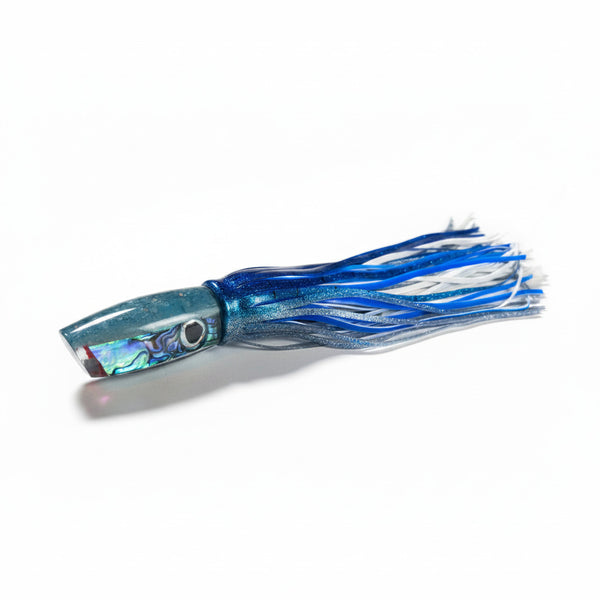
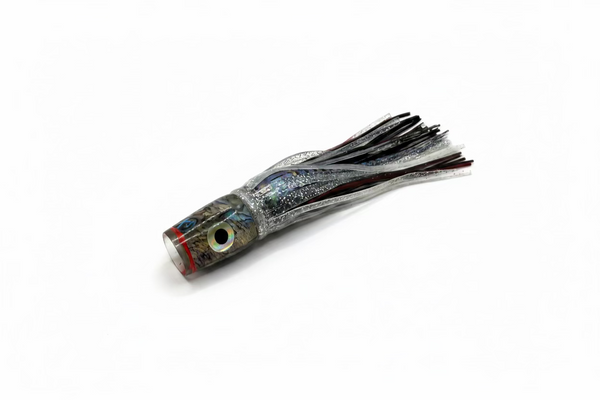
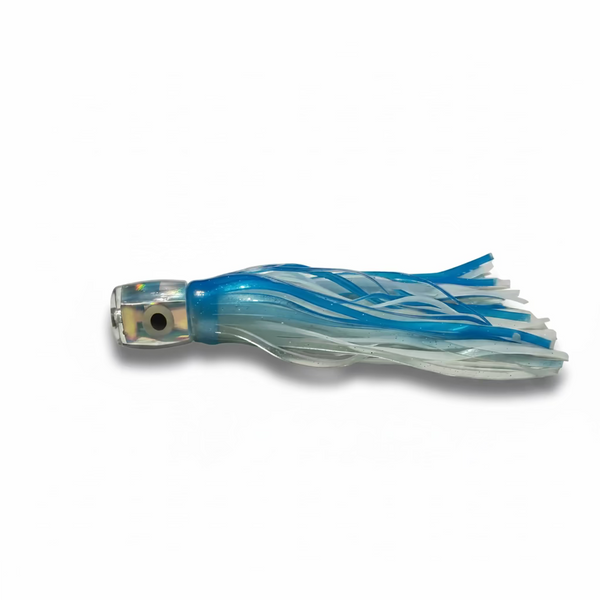
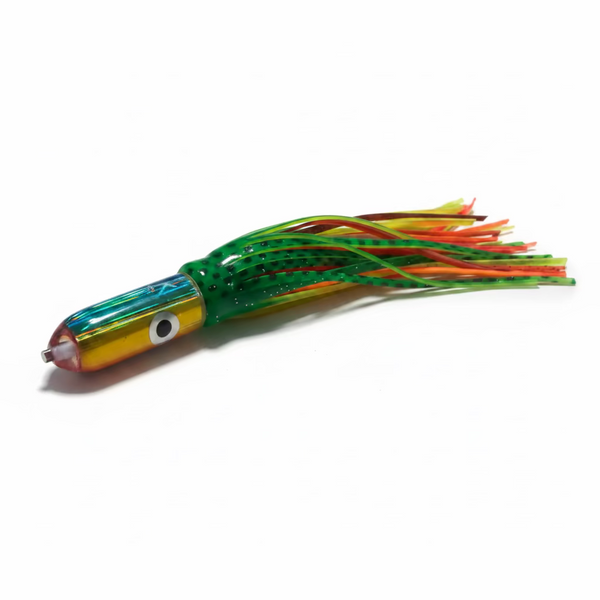
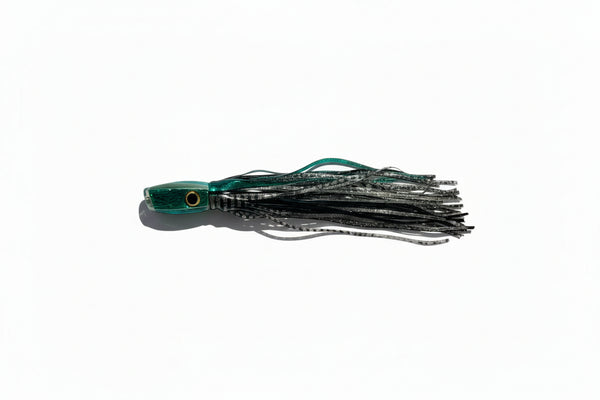
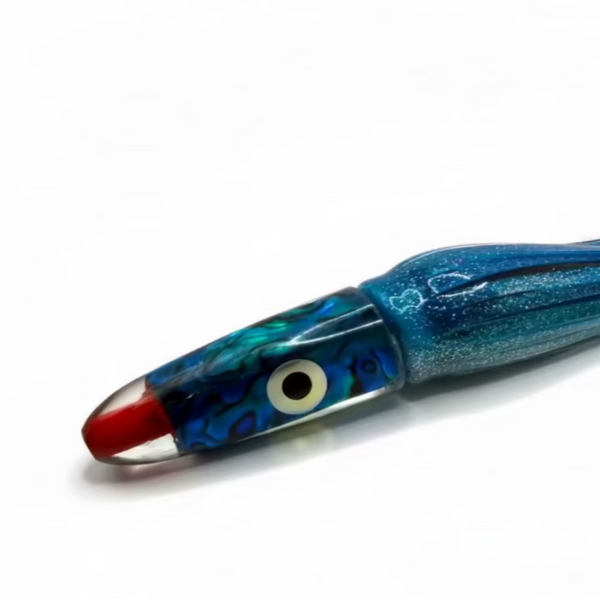
A tuna spread starts falling apart when every bait is working on its own. One lure is skipping too far back, a chain is dragging dead, and the short corner is blowing out every time the boat turns. Good tuna teaser spread patterns fix that fast. They give the spread shape, keep the water organized, and make your actual hook baits look like the easiest meal in the lane.
Tuna are not hard to interest when they are up and feeding. The hard part is getting them to commit in clean water, at the right distance, with enough contrast in your pattern that one bait separates from the pack. That is where teasers earn their place. A well-placed bird chain, squid chain, or splash teaser does not replace your strike lure. It creates traffic, commotion, and direction so your strike lure gets noticed for the right reason.
What tuna teaser spread patterns are really doing
The best tuna teaser spread patterns are built around control. You are not just adding more hardware behind the boat. You are creating a picture. Tuna come into the spread from different angles, often from below and behind, and they read the whole school before they pick a target. If your teaser pattern is random, the spread feels random. If it is organized, the fish track cleanly from surface commotion to a vulnerable bait.
That matters even more when fish are up but not reckless. School yellowfin, blackfin, and smaller bluefin will often pile into the white water, follow a chain, and then slide off if there is no obvious closer. Bigger tuna can be worse. They may rise on a teaser, inspect it, then fade down unless one lure behind or beside it looks like the straggler.
This is why teaser placement is not just about noise. It is about lanes, spacing, and hierarchy. The teaser attracts. The lure converts. When those jobs overlap too much, you get window shoppers instead of bites.
The three tuna teaser spread patterns most crews rely on
There is no single spread that works every day, but most productive tuna programs fall into three practical patterns.
The center-pressure pattern
This is the easiest place to start and still one of the most effective. You put your visual commotion in the center lanes, usually with a bird chain, squid chain, or dredge-style teaser close enough to stay active in the prop wash. Your hook baits then run just outside or just behind that pressure.
This pattern works because it gives the spread a focal point. Tuna see the middle of the spread first, especially in choppy water where side baits can disappear between waves. The center teaser pulls eyes in. Then your short rigger or shotgun gets the bite from fish peeling out of the pack.
The trade-off is that center-heavy pressure can clutter the cleanest water on the boat. If you run too much hardware there, your hook baits can get lost. It works best when the teaser is active but not oversized for the sea state.
The corner-and-rigger pattern
This is a cleaner, more surgical setup. You run one teaser short on a corner and another farther back but higher in the pattern, often near a rigger lane. Your hook baits fill the spaces around them. Instead of one main block of activity, you create two traffic zones.
This pattern is strong when tuna are spread out, skittish, or traveling fast. It lets fish enter the spread from either side without forcing everything through the prop wash. It also helps in calmer water, where too much center commotion can look unnatural.
The downside is discipline. If the distances are sloppy, one side of the spread goes dead and the other becomes too busy. This pattern needs clean stagger, especially when turning.
The teaser-ahead conversion pattern
This is a classic trigger setup for crews that want the teaser to actively feed the bite. You run a teaser ahead of a lure in the same lane, often with enough distance that the lure tracks like a baitfish dropping out of the group. Done right, tuna rise on the teaser and then slide straight into the trailing lure.
It is one of the best tuna teaser spread patterns for fish that inspect first and commit second. It gives them a reason to switch targets. A flashy chain or splash teaser grabs attention, but the actual lure behind it looks smaller, cleaner, and easier to kill.
The key is restraint. Put the teaser too close and the lure disappears in the noise. Put it too far ahead and the two stop working together. Sea height, boat speed, and lure size all change the sweet spot.
How to position teasers without tangling your whole program
Most spread problems are not bad lure choices. They are lane problems. A teaser that swims well by itself can still ruin the pattern if it crosses into the wrong water.
Start by deciding which lanes are for attraction and which are for conversion. Your shortest, noisiest water usually carries the teaser best. Your cleaner edge water usually carries the bite lure best. That simple split keeps the spread readable.
Height matters too. Surface teasers with birds and chains throw visual commotion and stay easy to track. Heavier teaser systems pull deeper and can be deadly on pressured fish, but they demand more boat control and tighter spacing. If your crew is fishing short-handed, simpler is usually better. A clean chain that stays swimming is more productive than a complicated teaser you cannot manage on turns, resets, or knockdowns.
Speed changes everything. Tuna crews often troll faster than marlin crews, and not every teaser likes high speed. Some chains track tight and stay lit up. Others start spinning, skipping, or blowing out. If a teaser is not running straight, it is not helping the spread. Built to get strikes means it also has to stay fishable at your actual working speed.
Matching teaser type to the tuna bite
Bird chains shine when you need visibility and surface noise. They are easy for fish to find, especially in broken water, and they help define the spread from a distance. Squid chains create a more natural school profile and can be deadly when tuna are keyed on smaller forage. Splash bars and similar systems can pull aggressive fish into the pattern fast, but they are not always the best closers when tuna are fussy.
That is why lure selection behind the teaser matters as much as the teaser itself. If the teaser is broad, bright, and aggressive, the trailing lure often does better when it looks tighter and more vulnerable. If the teaser is subtle, you may need more flash or smoke from the hook bait to finish the job.
This is where quality offshore gear separates itself. Teasers and lures have to stay balanced, hold speed, and keep their action after hours of drag, turns, and wash. Serious anglers are not paying for parts. They are paying to skip the guessing and keep a spread working from the first set to the last pass.
Common mistakes in tuna teaser spread patterns
The biggest mistake is crowding the spread. More commotion does not always mean more bites. Tuna need a target. If every lane looks equally busy, nothing stands out.
The second mistake is running teasers with no purpose behind them. A teaser should either pull fish into the center, define a side lane, or feed a trailing lure. If it is just there because there was an empty clip, it is probably hurting more than helping.
The third mistake is refusing to adjust. Tuna can tell you a lot in one pass. If fish rise on the teaser and never touch the back baits, your conversion lure may be too far back, too large, or too dead in the water. If they skip the teaser and crash a clean long bait, your spread may need less pressure, not more.
At K2Fishing, that is the whole point of building tackle around real offshore systems. A spread is not a pile of individual pieces. It is a working pattern, and every component has to earn its position.
When to simplify and when to add more pressure
On bright days with good visibility and active schools, simpler often wins. One or two teasers placed with purpose can hold the spread together without overwhelming it. In rough water, low light, or dirty color lines, more visual pressure can help fish find you sooner.
But there is always a limit. If the crew is spending more time clearing tangles than watching the water, the pattern is too busy. If turns are impossible without crossing lines, the pattern is too wide or too uneven. Good tuna teaser spread patterns are aggressive enough to get noticed and clean enough to fish hard.
That is the standard to hold. Make the spread easy for tuna to read, easy for the crew to manage, and hard for fish to leave without eating something.