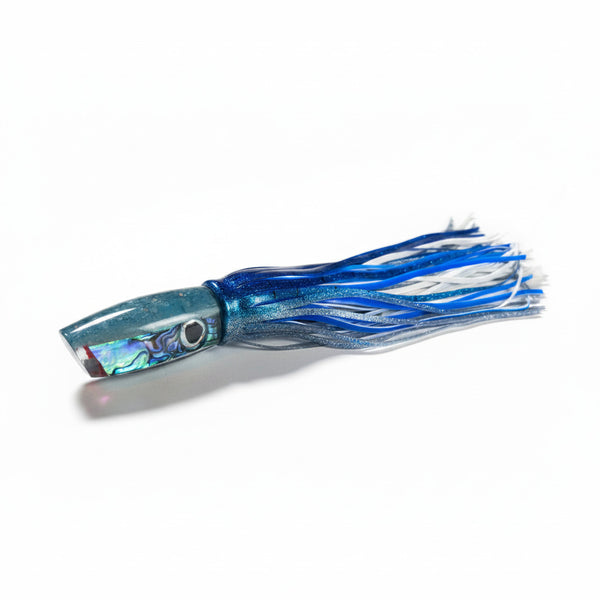
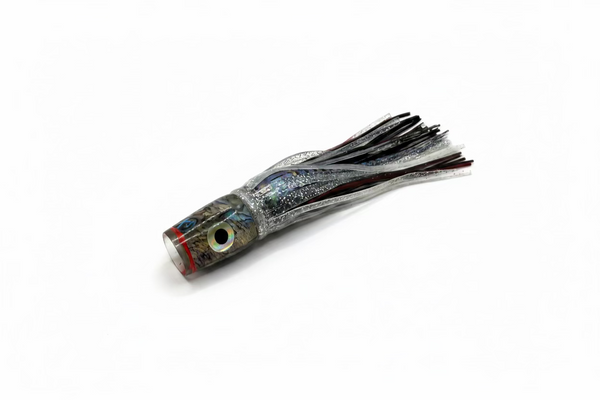
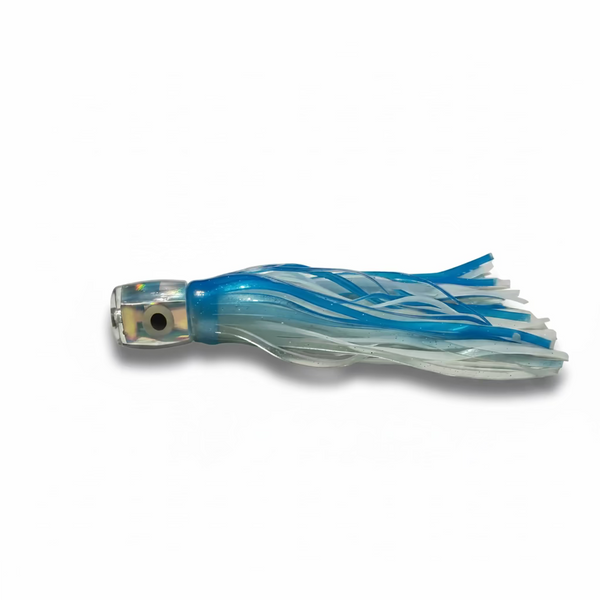
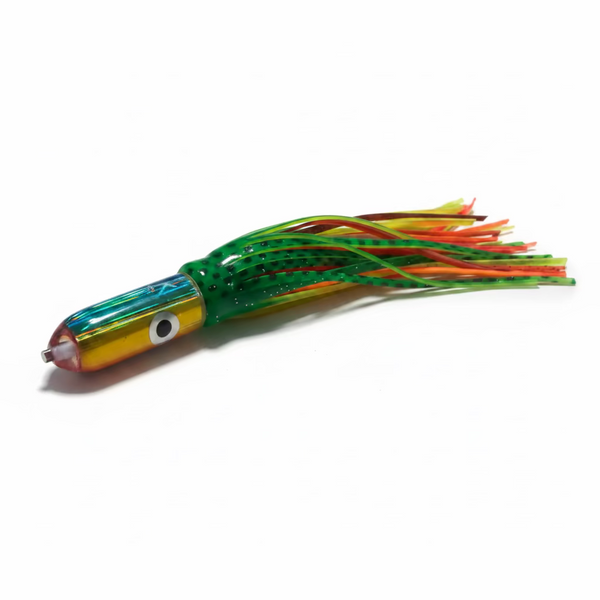
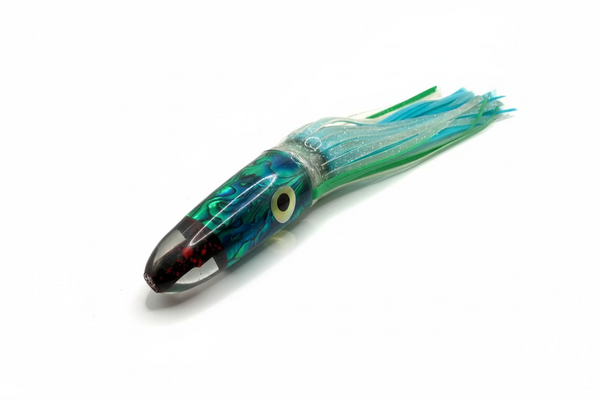
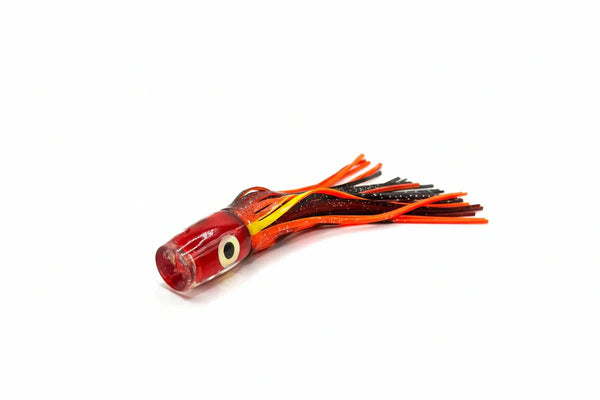
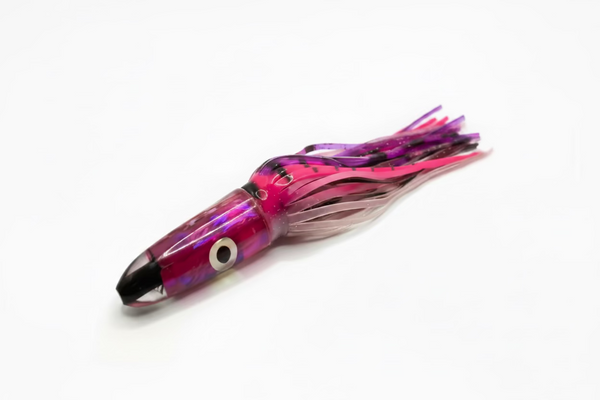
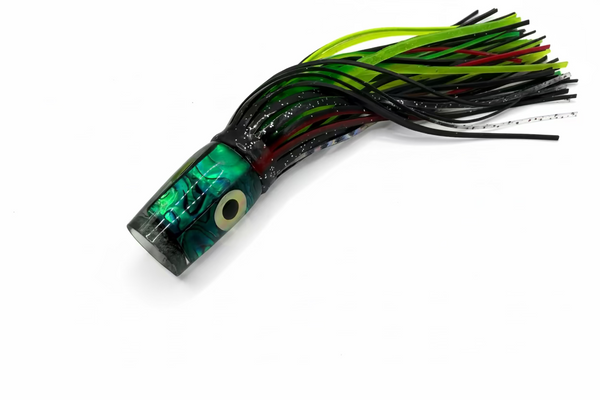
A dredge that tracks clean, holds shape at trolling speed, and throws real bait-ball flash will raise more fish than a lot of anglers want to admit. If you're trying to pick the best dredge for offshore fishing, the answer is not just biggest, flashiest, or most expensive. It comes down to how you fish, what you troll for, and how well the dredge fits the rest of your spread.
For serious bluewater anglers, dredges are not decoration. They are fish-raising tools built to create mass, vibration, and the look of feeding activity behind the boat. When they are right, they pull predators into the pattern and keep them engaged long enough for your short rigger, long rigger, shotgun, or flat line bait to get eaten. When they are wrong, they become drag-heavy hardware that blows out, tangles, and wastes a clean opportunity.
What makes the best dredge for offshore fishing?
The best dredge for offshore fishing does three things well. First, it creates a dense profile that looks alive at trolling speed. Second, it runs consistently in clean water without spinning, collapsing, or surfacing when the sea state changes. Third, it matches the species and spread you are actually fishing.
That last point matters more than most tackle descriptions suggest. A marlin crew pulling a dedicated teaser spread can justify a larger, more aggressive dredge than a center console crew looking for tuna and mahi while covering water. A boat with electric reels, teaser reels, and experienced cockpit hands can manage bigger systems. A smaller crew needs something effective but easy to deploy, clear, and reset fast.
If you want one rule that holds up, it is this: the best dredge is the one you can troll correctly all day. Offshore tackle only performs when it stays in the water and stays working.
Size matters, but bigger is not always better
A common mistake is assuming a bigger dredge always raises more fish. Sometimes it does. A large multi-arm dredge can create serious underwater presence and do an excellent job of imitating a tight school of bait. For blue marlin, white marlin, and aggressive pelagics that respond to a heavy teaser program, that extra profile can be worth the drag.
But there is a trade-off. Bigger dredges pull harder, require more attention, and can become a problem in rough conditions or on smaller boats. If your crew is hand-cranking heavy teaser gear all day, or your spread gets messy every time you turn, that oversized dredge may be costing you more than it helps.
For many offshore anglers, a medium-size dredge hits the right balance. It gives you enough bulk to draw fish up while staying manageable for day-in, day-out trolling. That is especially true if you target a mix of tuna, mahi, sailfish, and smaller marlin rather than building the entire spread around teaser fishing.
When to go smaller
Smaller dredges make sense when sea conditions are sloppy, the crew is limited, or the spread is already busy with chains, birds, and multiple lures. They are also a smart option for boats that need quick resets and less drag during long runs between bites.
A smaller dredge can still be highly effective if the material, flash, and shape are right. Clean action beats sheer bulk every time.
When to go bigger
Larger dredges earn their place when you're running a dedicated offshore program and want maximum visual pull. In clear blue water, especially when billfish are around bait concentrations, a big dredge can help create the kind of commotion that pulls fish into the spread with intent.
The key is control. If you cannot keep it tracking right, it is too much dredge for the setup.
Choosing between mullet style, squid style, and mixed profiles
Profile changes how predators read the spread. Mullet-style dredges give you a fuller baitfish look. They are a strong fit when you're trying to imitate larger forage and want a more natural school shape in the water. For marlin and larger tuna, that broad bait-ball appearance can be a major plus.
Squid-style dredges throw a different signal. They pulse well, add motion, and work especially well in mixed spreads where you want a little more visual activity under the surface. They can be deadly for species that key in on movement and scattered feeding cues rather than one tight school profile.
Mixed-profile dredges split the difference. They can add realism and a less uniform look, which sometimes helps in pressured water or when fish are window-shopping instead of fully committing. The downside is they can be harder to tune. A simple, proven profile often outperforms a complicated one that looks good in the package but not in the water.
If you're unsure, start with a baitfish-forward dredge profile. It is the most versatile option for a broad range of offshore trolling applications.
Material and construction separate real fishing gear from tackle-bin filler
Dredges take abuse. They get washed, dragged, cranked, dumped back into the wake, and hit by fish that were never even supposed to eat them. That means the best dredge for offshore fishing has to be built around durability, not just showroom flash.
Look for strong arms, solid center hubs, dependable crimps, and rigging that holds shape after repeated use. Cheap wire, weak connections, and low-grade components fail at the worst time. Even when they do not break outright, they start tracking poorly. And once a dredge stops running clean, its fish-raising value drops fast.
Flash still matters. Offshore predators react to movement and light, and a dredge should throw enough visual signal to get noticed. But there is a difference between controlled flash and a gimmicky look that spins, flares wrong, or washes out at speed. Good dredges are built to present flash while staying stable.
That is where premium rigging and proven spread components matter. Serious brands in this space, including K2Fishing, build around performance first because offshore gear has to produce under pressure, not just look aggressive in a product photo.
How the best dredge fits into your spread
A dredge does not fish alone. It works because of where it sits relative to your lures, teasers, and hook baits.
Most offshore crews run dredges in positions that add depth and body under the visible topwater pattern. That contrast is what makes them so effective. Your dredge creates the image of life below, while your lures and chains create speed, surface panic, and escape targets above it. Together, they give predators a reason to move up and then something easy to kill.
Placement depends on boat size and wake shape, but the principle stays the same. Keep the dredge where it tracks in clean water and can be cleared quickly if a fish switches into the spread. If it is buried in prop wash or riding too high, it loses value. If it is so far back that it interferes with the actual baits, it becomes a problem.
This is where many crews overcomplicate things. You do not need the most crowded spread in the fleet. You need each component doing a job. A good dredge should add attraction without hurting lure performance or making turns risky.
Species-specific thinking matters offshore
For billfish, dredges are often at their best as teaser tools that build the entire scene behind the boat. Bigger profile, heavier visual presence, and coordinated teaser-lure placement usually make sense here. The objective is to raise fish aggressively and keep them interested close to the transom.
For tuna, the best dredge for offshore fishing is often one that adds bait-school realism without overpowering the spread. Tuna can respond well to dense subsurface presence, but they also punish sloppy trolling. A medium dredge with good flash and stable tracking is often more productive than a giant setup that surges and tangles.
For mahi, dredges can help by creating activity and drawing fish into the zone, especially around floating debris lines or current edges. But mahi also react well to cleaner, faster, more straightforward lure patterns. In those situations, the dredge should support the spread, not dominate it.
For wahoo, speed changes everything. If you're trolling high-speed and covering water, your dredge choice needs to reflect that. Not every dredge is built to handle faster presentations. Stability becomes non-negotiable.
What to avoid when buying a dredge
If a dredge looks impressive but needs constant babysitting, it is not a strong offshore tool. The same goes for anything with weak hardware, poor balance, or rigs that collapse after a few trips. Fancy color combinations and heavy flash can sell tackle, but offshore fish care more about profile, movement, and consistency than packaging.
Be careful with dredges that are too heavy for your boat, too large for your crew, or too complicated for your normal fishing day. Offshore efficiency matters. You want gear that gets strikes, not gear that creates cockpit problems.
A smart buy is usually one step more practical than your ego wants and one step more durable than your budget first suggests.
So what is the best dredge for offshore fishing?
For most serious anglers, the best choice is a medium-to-large, well-rigged baitfish-profile dredge that tracks clean, holds its shape, and matches the species you target most often. It should create real underwater mass, throw controlled flash, and stay fishable across changing conditions.
If your program leans hard into marlin and teaser fishing, scale up. If your spread is built around versatility for tuna, mahi, and mixed offshore days, stay balanced. If your crew or boat setup limits how much drag and complexity you can handle, choose efficiency over size.
The right dredge should make the rest of your spread better. That is the standard. When it pulls fish into the pattern, keeps them engaged, and lets your lures do their job, you made the right call. Skip the guessing, fish what runs clean, and let your spread earn the bite.