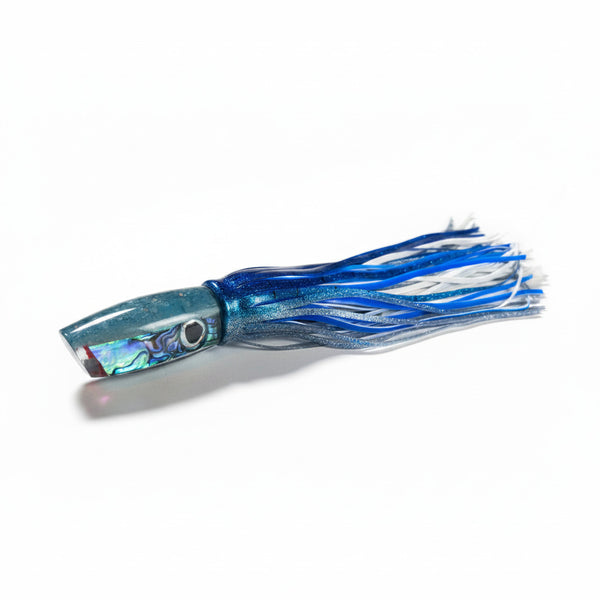
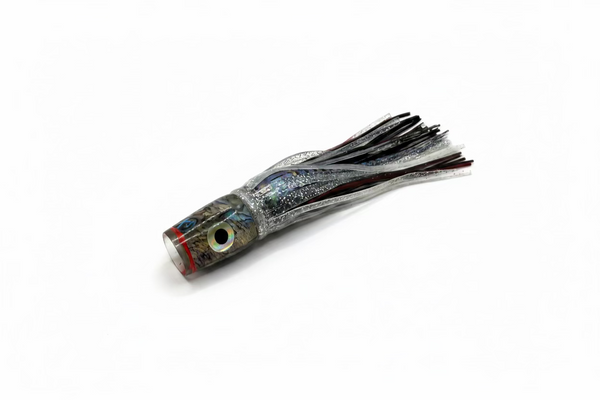
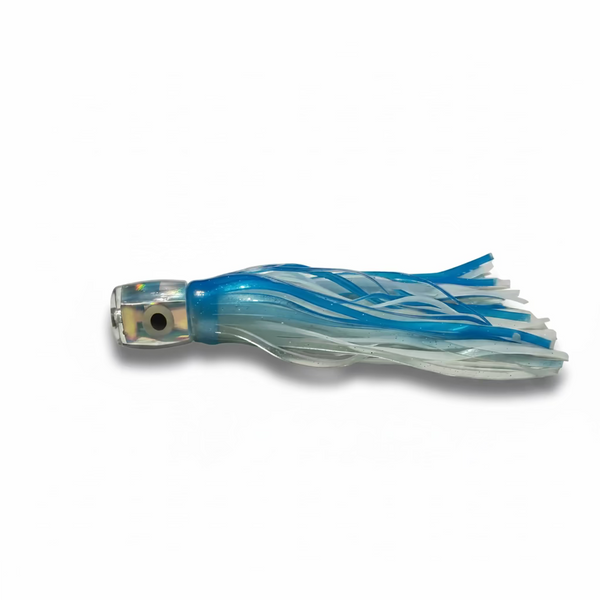
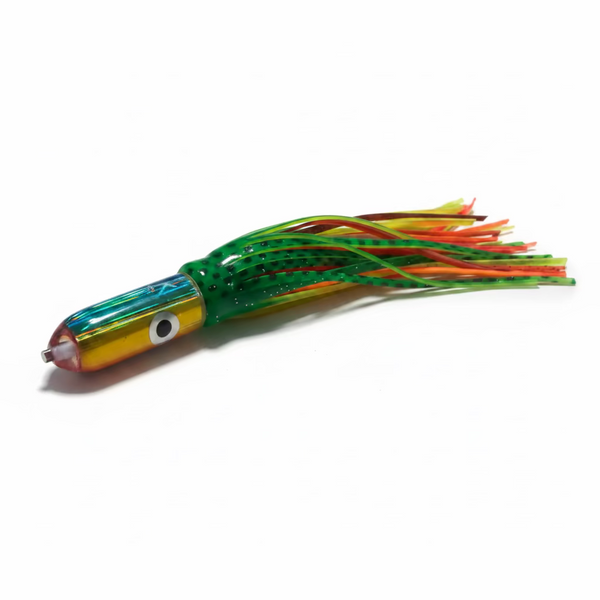
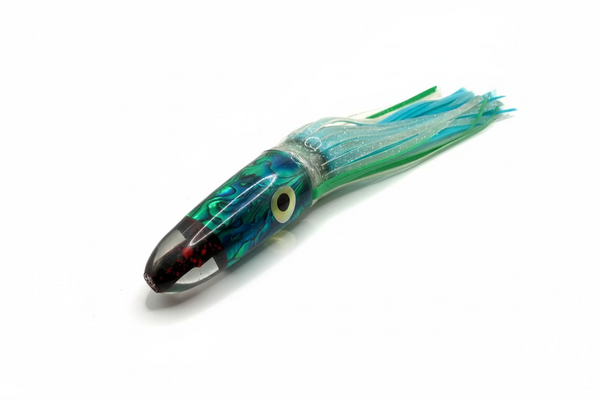
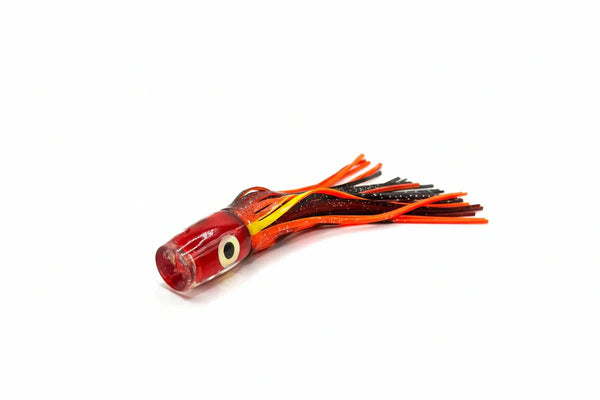
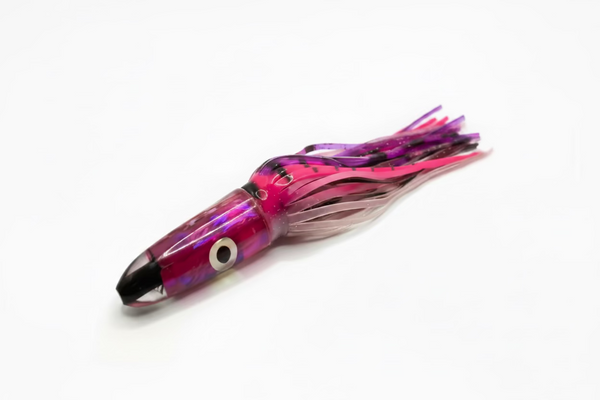
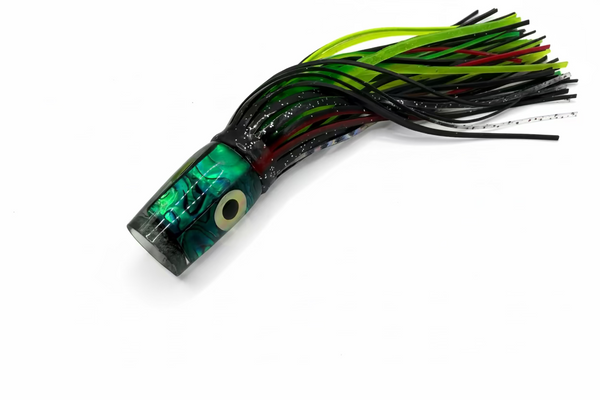
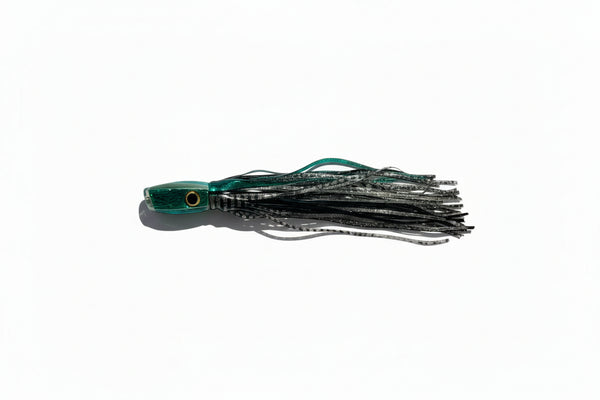
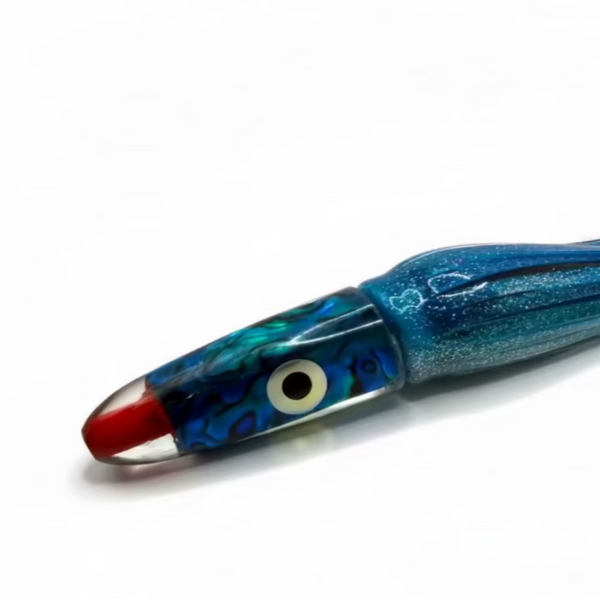
When a lure blows out at 8 knots, spins in the short rigger, or skips like a rock instead of tracking clean, the problem usually is not the color. It is speed. A solid trolling lure speed chart helps you stop guessing and start matching lure style, sea state, and target species to the pace your spread can actually hold.
Most offshore anglers learn this the expensive way. A lure that looks perfect in the package can become useless once the boat is moving if the head shape, weight, and rig are wrong for your speed window. The goal is not to hit one magic number. The goal is to keep every lure in the spread swimming, smoking, or popping the way it was built to run.
How to Read a Trolling Lure Speed Chart
A good trolling lure speed chart is not a rulebook. It is a starting point. Actual fishable speed depends on hull type, prop wash, current, sea height, lure placement, and how aggressively a given lure head was designed to track.
That is why experienced crews think in speed ranges, not fixed numbers. A straight-running bullet may hold together at speeds that make a slant face blow out. A larger resin head may need more pressure to stay planted, while a lighter lure with more face can get too active fast. If you are pulling mixed lure types in the same spread, your best trolling speed is usually the overlap where each bait still runs clean.
Trolling Lure Speed Chart by Lure Style
Here is the practical range most offshore crews can use as a baseline.
Bullet head lures
Bullet heads are your high-speed workhorses. Most run best from 7 to 10 knots, and some can push higher when rigged correctly and placed in clean water. They track straight, hold in rough water, and stay effective when targeting tuna and wahoo. If your spread is built around pace and stability, bullets give you the most room to work.
Slant head lures
Slant heads usually shine from 6 to 9 knots. They give you more movement and smoke than a bullet, but they are less forgiving if speed creeps too high or the lure is set in dirty water. For marlin, tuna, and mahi, a well-tuned slant can be one of the best fish-raising heads in the spread. Push it too hard and it starts jumping instead of swimming.
Chugger and cupped face lures
These lures generally like 5.5 to 8 knots. Their job is to grab water, throw smoke, and make surface commotion. That action can be deadly on marlin and mahi, but only if the lure has enough time to dig, breathe, and reset. Run them too fast and they often become unstable. In calmer water, they can be excellent close baits.
Jet heads
Jet heads usually perform from 6.5 to 9 knots. They are built to create a bubble trail and maintain a cleaner track than broader-faced lures in changing water. They are versatile and often easier to tune than aggressive cupped heads, especially for crews that want a simple, dependable presentation.
Heavy resin trolling lures
Most medium and large resin trolling lures run best from 6.5 to 9 knots, depending on face design and weight. Heavier heads often stay planted better and can handle ugly water, but they still need the right pressure to work. If the lure is too heavy for the speed and position, it can look dead. If the face is too aggressive for the pace, it can break rhythm and wash out.
Species Matter More Than Most Charts Admit
The mistake with any generic trolling lure speed chart is assuming all pelagics want the same presentation. They do not.
Tuna
Tuna spreads usually live in the 6.5 to 8.5 knot range, though many crews edge faster with bullet-style heads. Tuna often respond well to a clean, consistent pattern with less erratic action than marlin lures. Straight tracking, tight smoke, and durable rigging matter more than wild surface commotion.
Marlin
Marlin crews commonly troll 6 to 8.5 knots, depending on lure type and sea conditions. They can be raised on a wide range of head shapes, but marlin lures need to cycle correctly. The lure should grab, dive, smoke, and surface with rhythm. If it is skipping nonstop, it is not fishing right no matter how good it looks from the bridge.
Wahoo
Wahoo often push the spread faster, usually 7 to 12 knots depending on the system. This is where bullet heads and other stable, streamlined lures earn their keep. Not every lure belongs in a wahoo program. If it cannot track hard and true at speed, leave it out.
Mahi-mahi
Mahi are less demanding about exact speed than some anglers think, but lure action still matters. A 6 to 8 knot range covers most situations well. Smaller active lures, slant heads, and surface-oriented presentations often produce, especially around weeds, rips, and floating structure.
Why Lure Position Changes the Speed Window
The same lure can behave completely differently depending on where it sits in the spread. This is why a chart alone will never replace water testing.
Short corner and long corner positions usually carry more turbulence and can favor heavier or more stable heads that can handle prop wash. Long rigger and shotgun spots often let lures run cleaner, which opens the door for more active heads. A lure that keeps blowing out on the short rigger may be perfectly fishable from the shotgun at the same boat speed.
This is also where rigging quality shows up. Premium offshore lures built with proper balance, strong hook sets, and clean rigging tolerate a wider range of conditions. Cheap heads with inconsistent rigging tend to have very narrow speed windows. They may run for a minute, then spin, tumble, or foul.
Sea Conditions Can Break the Chart
Flat calm water lets you get away with more. Quartering seas, hard chop, and cross-current expose every weak point in the spread.
In rough water, many crews make the mistake of slowing down too much. Sometimes that helps. Sometimes it kills lure action completely. A heavier resin lure or bullet striker may actually need enough speed to stay engaged and avoid wallowing. On the other hand, a cupped lure that looks great in calm water may need to come out of the spread when the sea gets ugly.
Watch the lure, not just the GPS. If it is breathing in a repeatable cycle and not spinning, washing out, or jumping wildly, you are close. If not, change speed, then position, then lure style.
How to Tune Your Spread Instead of Chasing One Number
Start with the species you are targeting and build around the lure type that best fits that program. If you are pulling tuna lures, set an initial speed around 7 knots and watch every bait. If two lures look right and one is blowing out, move the bad actor before you rebuild the whole spread.
Then make small speed changes. A half-knot is often enough to clean up an entire pattern. Big adjustments create confusion because you no longer know whether the improvement came from speed, water angle, or lure placement.
Keep your spread compatible. Mixing one high-speed bullet, one big chugger, one slant that likes 6.5, and another lure that only behaves at 8.5 is how you end up with half the spread not fishing. Match heads with overlapping speed ranges so the boat can troll one pace that keeps everything working.
A Practical Trolling Lure Speed Chart You Can Use Offshore
If you want a simple reference, use this:
- Bullet heads: 7 to 10 knots
- Slant heads: 6 to 9 knots
- Chuggers and cupped faces: 5.5 to 8 knots
- Jet heads: 6.5 to 9 knots
- Heavy resin lures: 6.5 to 9 knots
- Tuna spreads: 6.5 to 8.5 knots
- Marlin spreads: 6 to 8.5 knots
- Wahoo spreads: 7 to 12 knots
- Mahi spreads: 6 to 8 knots
That chart gives you a fishable starting point, not a guarantee. The real answer comes from what the lure is doing behind your transom.
For serious offshore crews, that is the difference between pulling pretty tackle and pulling lures built to get strikes. K2Fishing designs its trolling systems around that real-world overlap of action, speed, and durability, because offshore tackle only matters when it tracks clean under pressure.
The next time a lure underperforms, do not swap colors first. Check the speed, watch the cycle, and make the lure prove it belongs in the spread.
Now that you’ve read the above and your looking new land to expand your look for sporting, look no further! HDIO (Hunt Deer In Ohio) helps landowners earn extra income from their property by connecting them with hunters who are willing to pay for hunting rights. Learn how to lease your Ohio land to deer hunters.
lease your Ohio land to deer hunters
check them out we at K2fishing highly recommend them!