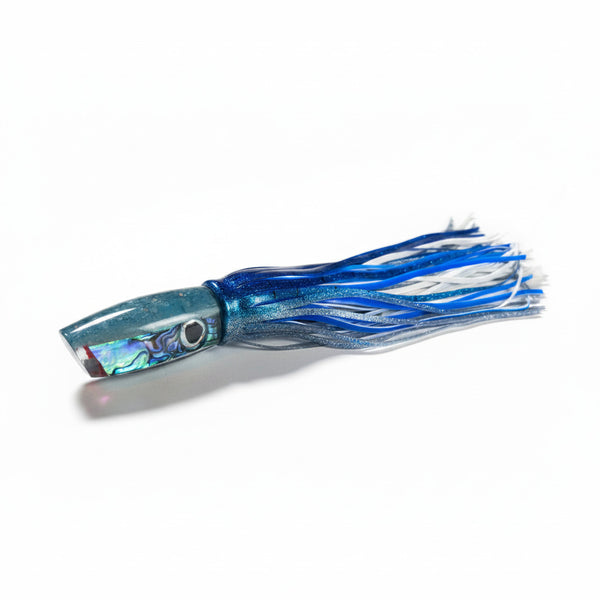
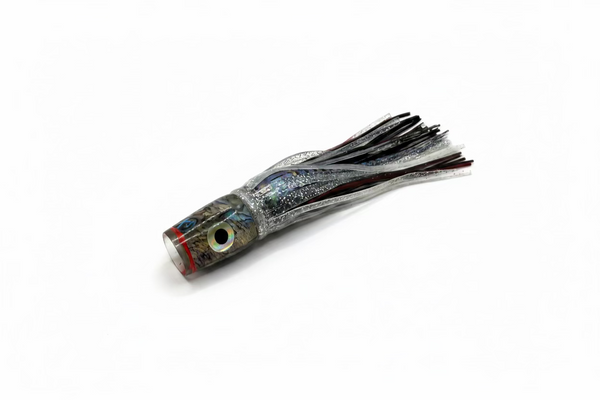
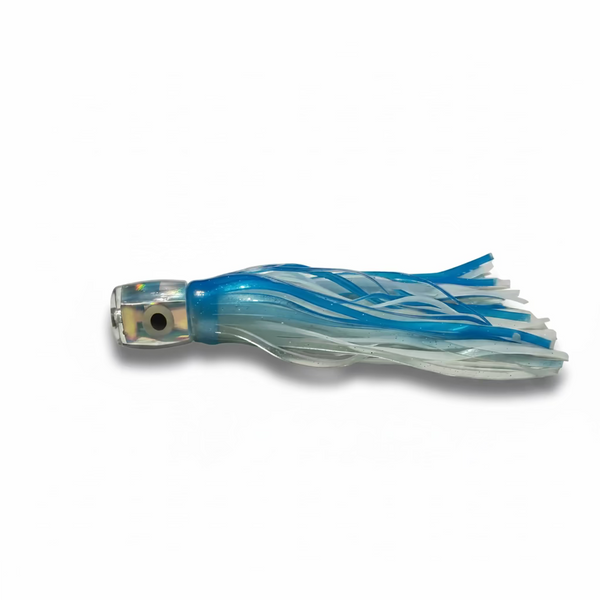
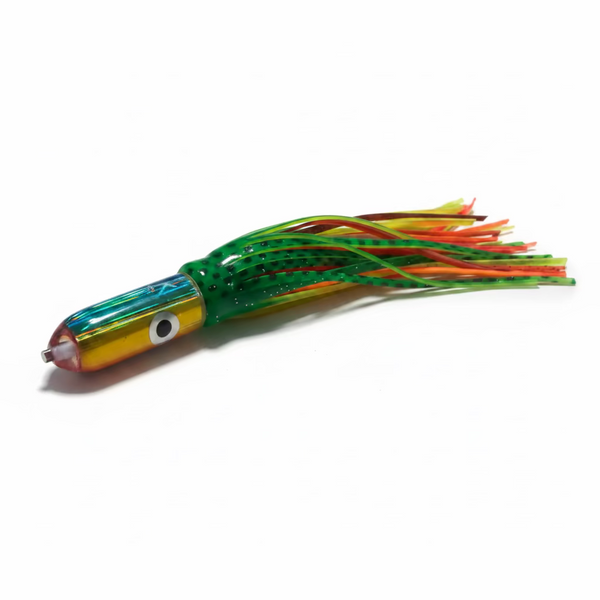
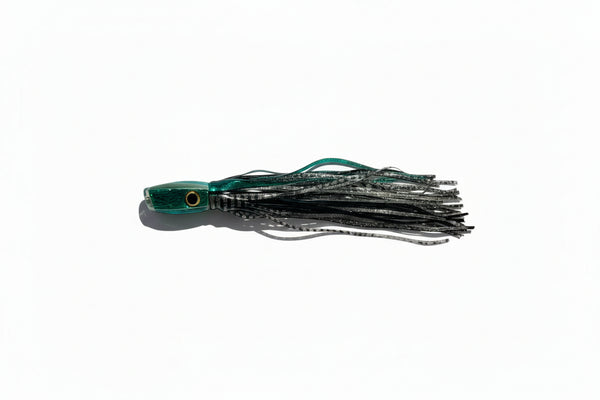
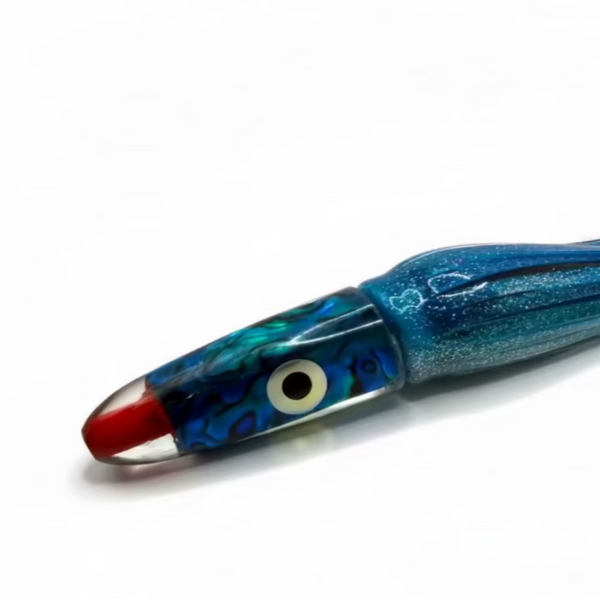
The wrong hook rig can make a great lure fish average. That is why the single hook vs double hook debate matters offshore. When a tuna piles on a bullet at speed or a blue marlin swipes short in rough water, your hook setup decides whether that strike turns into a clean corner hookup, a pulled bait, or a missed chance.
For serious bluewater anglers, this is not a theory question. It is a spread-performance question. Hook style affects lure action, hookup ratio, fish safety, drag in the water, and how well a lure tracks in different sea conditions. There is no one-size-fits-all answer, but there is a right answer for the way you fish.
Single hook vs double hook: what really changes
A single hook rig uses one hook fixed behind the lure head or skirt. A double hook rig uses two hooks, usually stiff-rigged or semi-stiff, with the rear hook trailing the lead hook. On paper, that sounds simple. On the water, the difference is bigger than most anglers think.
A single hook usually gives you less drag, less hardware weight, and a cleaner profile. That often helps a lure stay true, especially on smaller heads, lighter leaders, and high-speed presentations. It also reduces the chance of the second hook fouling the skirt, leader, or fish during the fight.
A double hook rig gives you more point exposure and a longer bite zone. That can help when fish are slashing short, bill-whacking, or coming in hot from odd angles. But extra steel also changes how a lure swims. If the lure is too small for the hook set, or the rig is too heavy, the lure can lose the exact action that made it worth pulling in the first place.
That is the real trade-off. More hooks do not automatically mean more fish. Offshore, the better rig is the one that lets the lure run right and stick the species you are actually targeting.
When a single hook is the better offshore choice
For many offshore applications, a single hook is the cleaner and more efficient option. It shines when lure action matters as much as hookup power.
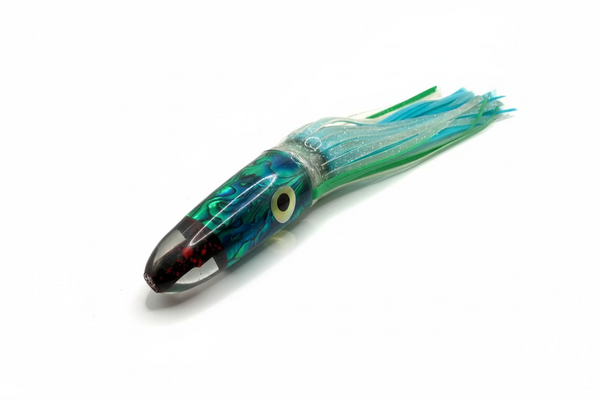
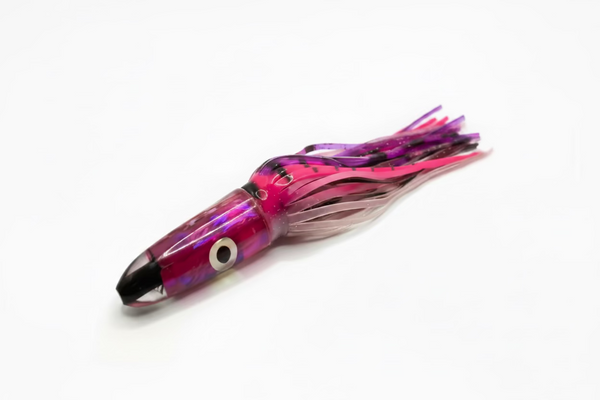
On smaller and medium trolling lures, especially bullets and streamlined heads, a single hook often keeps the lure balanced. That matters when you are trolling for tuna, mahi, and wahoo and want a lure that tracks straight, breathes properly, and does not blow out when the speed comes up. Too much hook can deaden that movement fast.
Single hooks also make sense when release quality matters. If you are fishing marlin and want solid corner-of-the-jaw hookups with less damage, a properly sized single hook is hard to argue with. Many experienced crews prefer singles for this reason alone. They are easier on the fish, easier on the mate at leader, and less likely to create a dangerous mess boat-side.
There is also a practical rigging advantage. A single hook is simpler to tune. Hook orientation is straightforward, stiffness is easier to control, and there is less chance of one hook interfering with the other under load. In rough conditions, simple usually wins.
If your goal is clean lure action, dependable tracking, and strong hookups on fish that commit well, a single hook deserves the first look.
Species and setups that favor a single hook
Single hooks are a strong fit for tuna trolling spreads, smaller marlin lures, and many general-purpose offshore lure positions. They work especially well in shotgun and long rigger spots where a lure needs to stay consistent over distance. They are also a smart choice when pulling resin heads with active but controlled action, because too much hook hardware can flatten the lure’s rhythm.
For wahoo, it depends more on speed and lure style. A single hook can be excellent on high-speed heads that need to stay locked in and stable. If the lure is built for speed, keeping the rig streamlined matters.
When double hooks still make sense
Double hooks are still relevant offshore, and in the right setup they can be very effective. The key is using them with enough lure head, enough drag in the pattern, and the right target species.
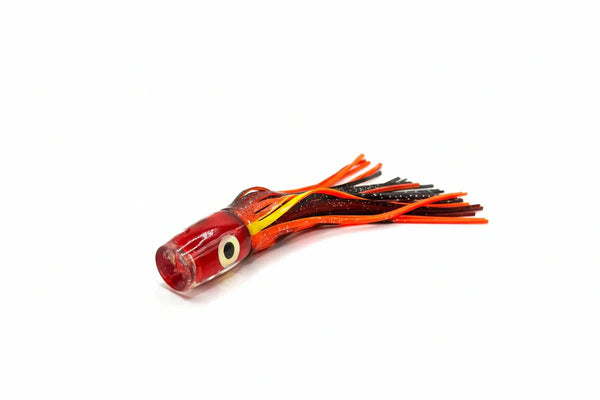
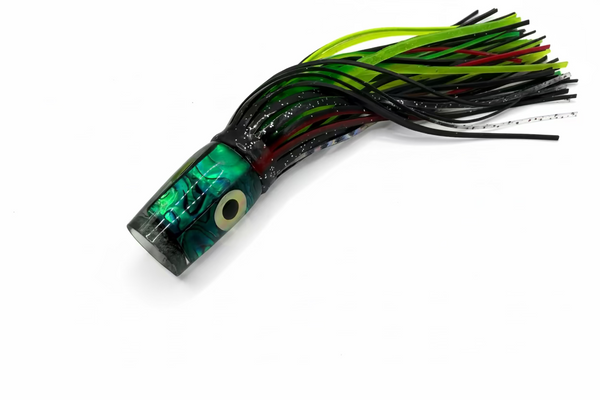
Larger marlin lures are where double hook rigs still have a place. Big profiles, larger skirts, and aggressive fish can justify the added bite coverage. On lures designed to smoke and push a lot of water, the extra hardware is less likely to overpower the action. That is especially true when the lure has enough head weight and face design to carry the rig without getting lazy.
Double hooks can also help on short-striking fish. If a species tends to slash at the tail end of the lure instead of fully eating it, the second hook can pick up bites a single might miss. That is the best case for doubles, but it only holds if the lure still runs right.
There is a second side to that story. Double hook rigs can create more leverage during the fight. If one hook point finds purchase and the other does not, the second hook can work against you as the fish jumps, twists, or changes direction. On some fish, that extra leverage contributes to pulled hooks. So while doubles may improve contact on the bite, they do not guarantee a better finish.
Single hook vs double hook for marlin
Marlin is where most of this debate lives. Some crews will never give up double hooks on larger lures because they trust the extra point exposure on aggressive surface bites. Others have moved to singles because they want cleaner hookups, easier handling, and fewer issues during release.
Both camps have a case. If you are pulling large heads in a dedicated marlin spread and the lures are designed around a double rig, it can work well. If you are fishing mixed species, want easier lure tuning, or prioritize release-friendly hookups, a single hook setup often makes more sense.
This is where experience on your exact lures matters. A lure that was built to get strikes at a certain speed band needs a hook rig that does not ruin that job.
Lure size, speed, and rig weight matter more than opinions
A lot of anglers treat hook choice like a fixed rule. It is not. The better question is how much hardware your lure can carry without losing performance.
Small heads do not tolerate oversized double rigs well. Medium lures can go either way depending on leader size, hook size, and trolling speed. Large heads give you more room, but even then, poor rig balance will show up fast in the wash.
Speed matters too. At higher trolling speeds, extra hook drag becomes more noticeable. If the lure starts spinning, blowing out, or tracking inconsistently, the rig is too much or the hook placement is off. That is why streamlined single hooks are so common in tuna and wahoo programs where speed and stability matter.
Hook angle matters just as much as count. A well-positioned single hook riding correctly under the skirt often outfishes a sloppy double rig every day of the week. Good rigging is not decoration. It is part of the lure’s action package.
How to choose the right setup for your spread
Start with the lure, not the hook. Look at head size, skirt length, target trolling speed, and where that lure will run in the spread. Then match the hook setup to the lure’s job.
If the lure is small to medium, meant to run clean, and built for tuna, mahi, or wahoo, start with a single hook. If the lure is large, heavily displacing water, and aimed at marlin in a dedicated pattern, a double hook rig may be worth testing.
Then sea-trial it. A lure should smoke, track, dive, and surface the way it was intended. If the action degrades with a double rig, the answer is already in front of you. Skip the guessing and rig for performance, not habit.
It also helps to think about the whole day, not just the strike. Singles are easier to clear, easier to handle, and usually safer in the cockpit. For charter crews, tournament teams, and private boats fishing hard in rough water, that matters more than most people admit.
The best answer is usually the simpler one
For most modern offshore trolling applications, the trend toward single hooks is not an accident. Better rigging materials, better hook designs, and a stronger focus on lure action have pushed more serious anglers toward cleaner setups. That does not make double hooks obsolete. It just means they need to earn their place.
If a double hook improves your hookup rate without hurting lure action, use it. If it adds weight, kills the swim, and complicates the release, it is the wrong tool. Good offshore tackle is built around what performs under pressure, not what looks more serious on the rigging bench.
When you are choosing between single hook vs double hook, let the lure tell you what it wants to do. A clean-running lure with the right hook is always a better bet than extra steel for the sake of extra steel.