The wrong lure choice usually shows up after a long run, clean water, good bait marks, and not enough bites. That is where the resin lures vs skirted lures question matters. Offshore, both styles catch fish, but they do not solve the same problem in a trolling spread, and they do not perform the same once speed, sea state, and target species start changing.
For serious bluewater anglers, this is less about which lure type is "better" and more about where each one earns its position. A lure that looks great in the tackle tray can still wash out, spin, or get ignored at the wrong speed. A lure that tracks hard, throws flash, and stays in the water correctly gives you a real edge, especially when tuna, wahoo, mahi, and marlin are feeding with options.
Resin lures vs skirted lures: the core difference
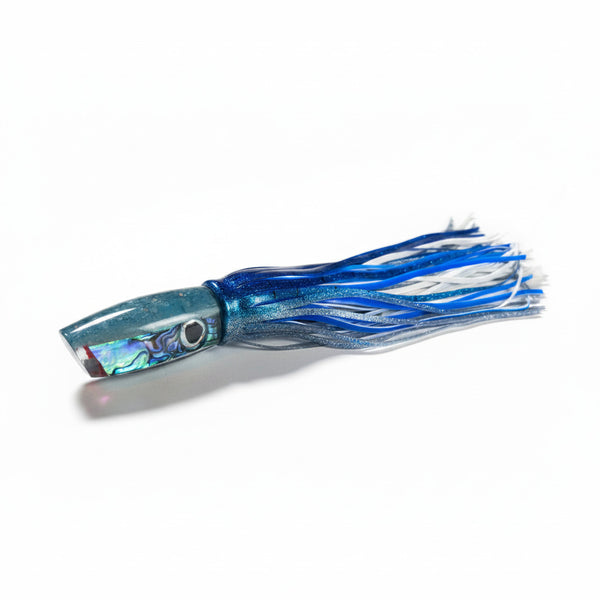
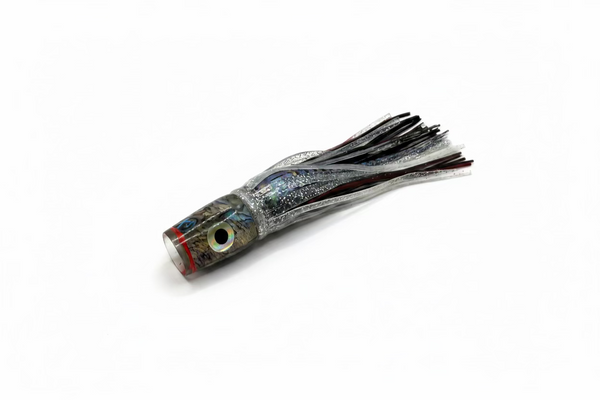
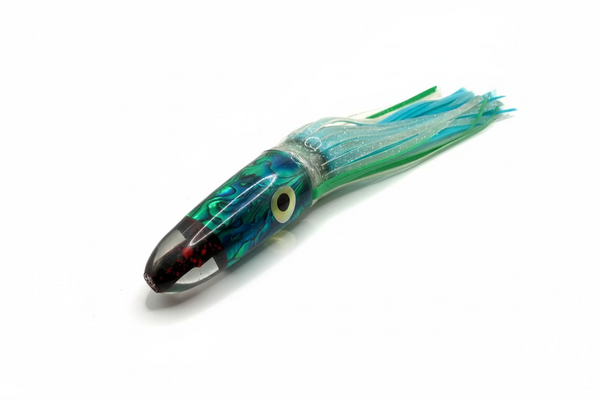
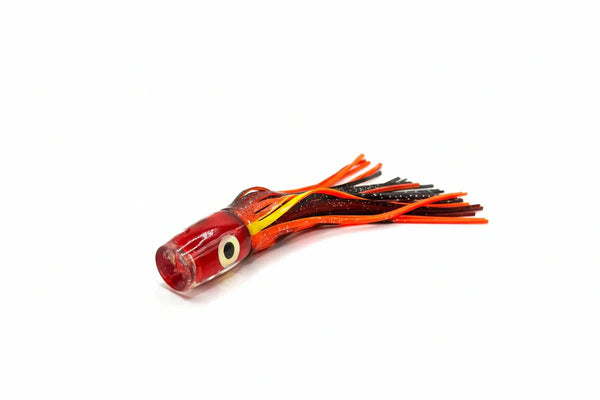
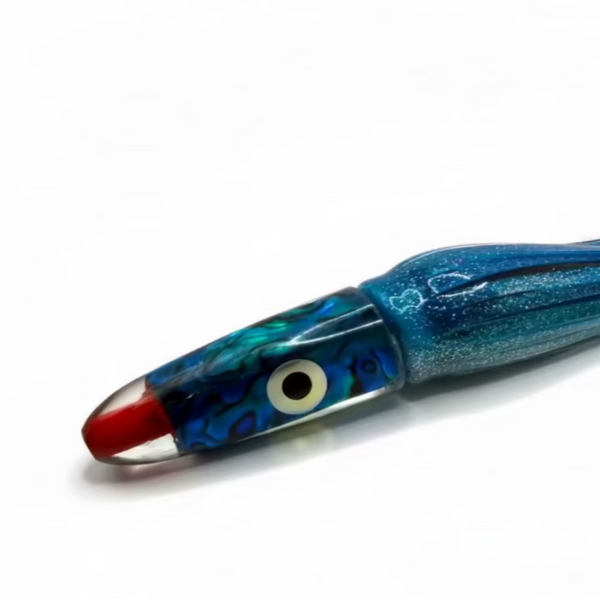
A resin lure is driven by a hard head design. Shape, weight, balance, and face geometry do most of the work. The shell, finish, and internal flash all matter, but the head is what controls how the lure digs, smokes, pops, tracks, or runs clean at speed. In premium versions, resin also gives you a durable body that can hold strong visual effects like abalone flash without getting chewed apart after a few fish.
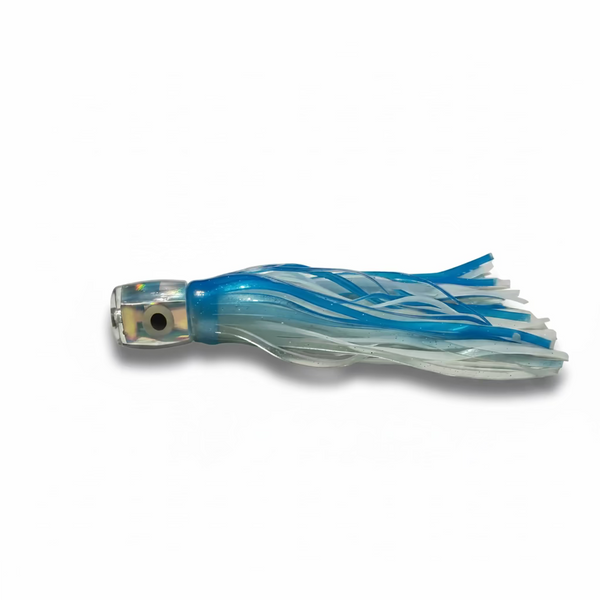
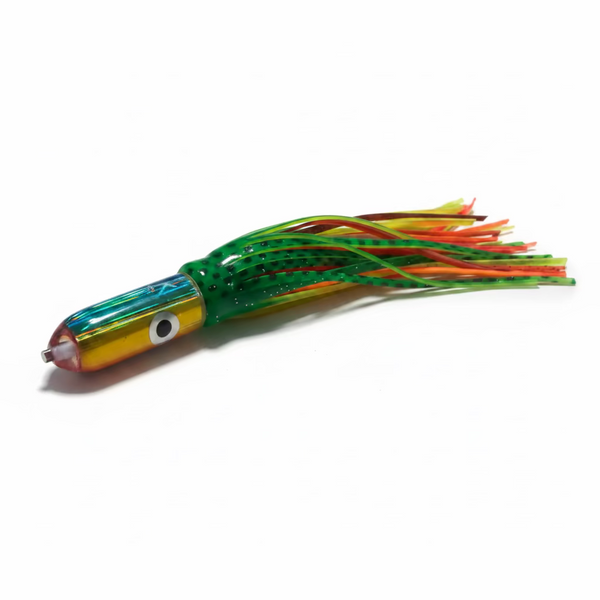
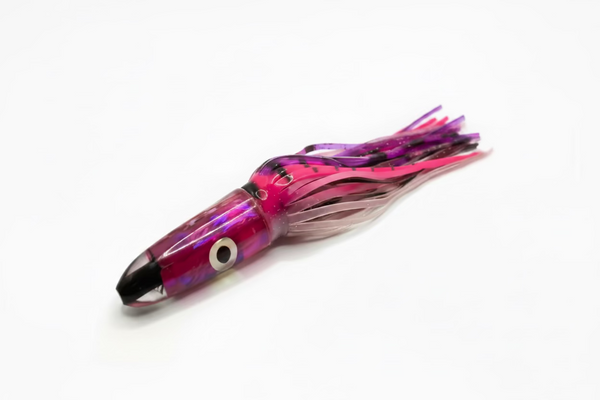
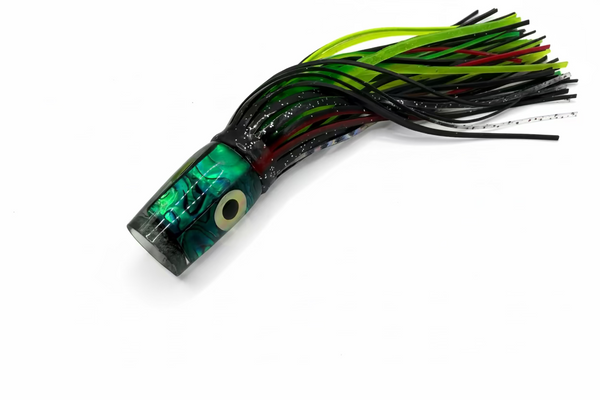
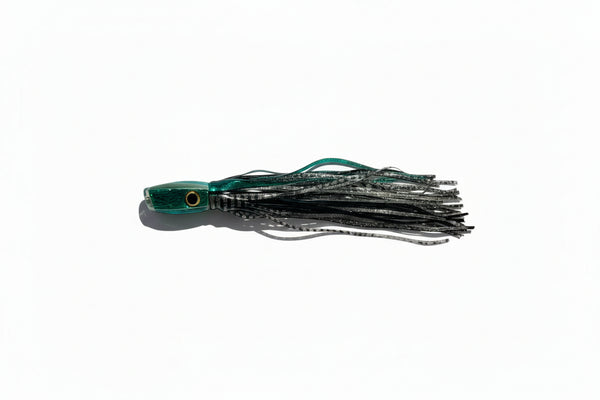
A skirted lure, in the way most anglers use the term, puts more emphasis on the soft outer material. The skirt breathes, pulses, and adds bulk and motion around the head. Some skirted trolling lures still use hard heads, of course, but the skirt is a major part of the presentation. It creates movement even when the head action is subtle.
That difference matters because offshore fish do not always key in on the same trigger. Some days they want a lure that leaves a hard smoke trail and holds shape under speed. Other days they respond better to a softer, breathing profile that looks more alive in calmer water or on a slower troll.
How resin lures perform in a trolling spread
Resin lures are built for control. A well-made resin head runs where it is supposed to run, and that consistency becomes more valuable the farther offshore you go and the more disciplined your spread gets. When you are setting a shotgun, two short positions, and a long corner, you need each lure to behave predictably.
This is one reason serious anglers lean on resin for tuna, wahoo, and marlin applications. A resin lure can stay composed at higher trolling speeds, maintain its action in rougher water, and deliver a strong visual signature with less collapse in the pattern. That matters when fish are tracking from below and making a split-second decision.
Flash is another advantage. Resin heads can carry layered finishes, embedded materials, and premium shell effects that throw light in a way soft materials simply do not. In clean blue water, that extra flash can help a lure stand out at distance. It is not magic, and fish still refuse perfect-looking lures some days, but strong flash is a legitimate trigger when the spread needs more visibility.
Durability also separates resin from lighter-duty soft presentations. Tuna teeth, wahoo strikes, UV exposure, and repeated wash cycles punish offshore tackle fast. A quality resin lure can take that abuse and keep fishing. That does not mean skirts have no place, but if you are tired of replacing beat-up lures after limited use, resin earns its keep.
Where skirted lures still shine
Skirted lures stay in the game because movement catches fish. The pulsing profile of a skirt can make a lure look fuller, softer, and more natural, especially when sea conditions are moderate and the fish are feeding on smaller or more delicate bait. That breathing action can be a strong trigger for mahi and tuna, and it can absolutely raise marlin.
Skirted lures also let anglers fine-tune color combinations quickly. If the bite changes and fish start favoring darker tops, brighter inner colors, or a stronger contrast pattern, swapping skirts can be faster than changing out your whole lure lineup. For captains who like to experiment with color and profile, that flexibility has value.
There is also a practical reason many offshore spreads include them. Skirted lures often fish well in positions where a little more movement helps, especially when you are trying to create different looks in the pattern instead of showing fish the same exact silhouette five times.
The trade-off is that not every skirted lure holds its shape well at speed, and not every skirt material lasts. Some look great at the transom and lose their advantage once the lure starts blowing out, tangling, or wearing down. Rigging quality matters here as much as lure style.
Speed, sea conditions, and lure behavior
If you want the shortest answer to resin lures vs skirted lures, start with speed. Resin lures generally give you a bigger operating window. They tend to track cleaner and keep their intended action better when speeds creep up or when rough water starts disrupting softer lure presentations.
That makes them especially useful for wahoo trolling, high-speed applications, and mixed-species days when your pace is not perfectly tailored to one lure type. Bullet-style resin heads, for example, are proven fish producers because they stay in the water and keep working without needing ideal conditions.
Skirted lures can be excellent at moderate trolling speeds, but they are usually less forgiving. Too fast, and some will lose the pulse that makes them attractive. Too much chop, and they may not present as cleanly in certain positions. That does not disqualify them. It just means you need to match them carefully to the spread and conditions.
Experienced anglers already know this from watching lure behavior, not reading package copy. If a lure is skipping wrong, spinning, collapsing, or blowing smoke inconsistently, fish notice before you do.
Species fit: tuna, marlin, wahoo, and mahi
For tuna, both lure types can produce, but resin often gets the nod when you need a compact, durable, high-flash bait that can stay effective all day. Tuna are notorious for rewarding consistency. If a lure keeps running right through turns, chop, and speed adjustments, it earns bites over time.
For marlin, the answer depends on the spread. Skirted profiles can be excellent teasers and productive lure choices because they show size and movement. But resin-headed lures with the right face and balance are also staple marlin tools, particularly when you want a cleaner, more controlled swimming action and a lure that stays composed in variable water.
For wahoo, resin is hard to argue against. Speed tolerance, toughness, and clean tracking matter a lot with a fish that often eats hard and fast. A lure that can handle pressure without washing out gives you a better shot at both the strike and the hookup.
For mahi, skirted lures often get plenty of love because of their color and movement, but resin still belongs in the conversation, especially when you want added flash in bright conditions or need a lure that can pull double duty if tuna show up under the same birds and debris.
Building a smarter mixed spread
Most offshore anglers do not need to choose one side and stay there. The better move is understanding what each lure is doing in the pattern. Resin lures are often your stabilizers. They give the spread backbone, speed tolerance, and dependable action. Skirted lures can add variation, softer movement, and a different visual profile.
A smart mixed spread might put harder-running resin heads in positions where tracking is critical, then use a skirted presentation where a little extra pulse can change the look. That approach gives fish multiple triggers without turning the spread into guesswork.
This is also where lure quality matters more than lure category. A cheap resin lure with poor balance is still a bad lure. A skirted lure with weak rigging, low-grade materials, or the wrong head design will cost you bites. Offshore tackle has to work under pressure, not just look fishy in your hand.
Which one should you buy first?
If you are building an offshore lure lineup from scratch, start with resin. That is the more dependable foundation for most serious anglers because it covers more conditions, more speeds, and more species with less compromise. A good resin lure built to get strikes can stay in your spread longer, take more abuse, and help remove one variable from the day.
Then add skirted lures with purpose, not just because everyone else runs them. Use them where their movement gives you something your resin lures do not. That might be a specific color profile, a softer bait silhouette, or a lure that fishes well in one spread position on one boat.
Brands like K2Fishing have leaned hard into resin-based offshore lure design for a reason. When the goal is tested bluewater performance, durable construction, strong flash, and species-specific effectiveness, resin gives lure builders more control over what happens behind the boat.
The best lure is still the one that runs right in your water, at your speed, for the fish you are targeting. Skip the guessing, watch the pattern closely, and let the spread tell you what belongs in it.