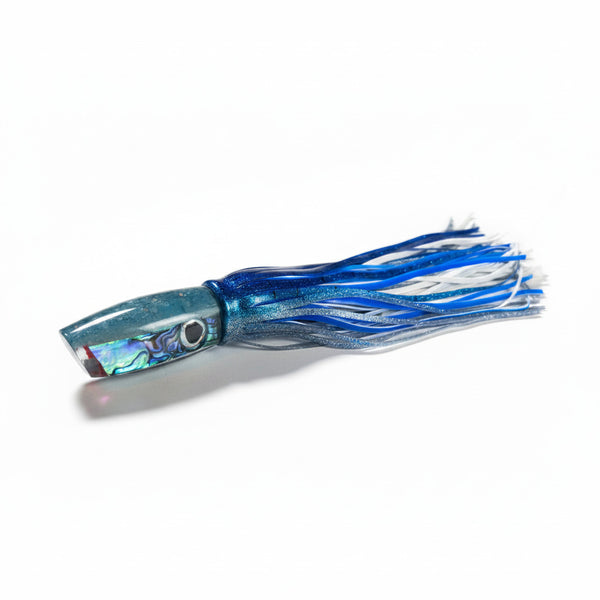
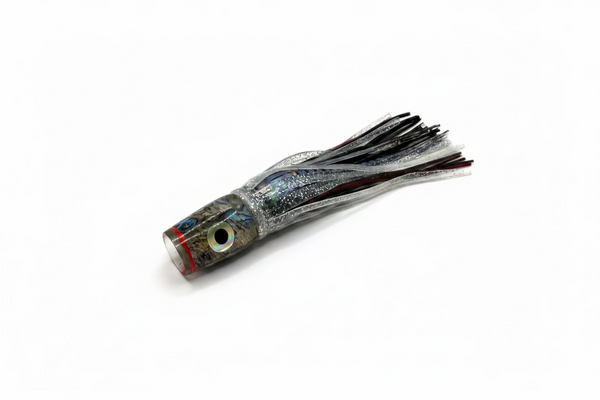
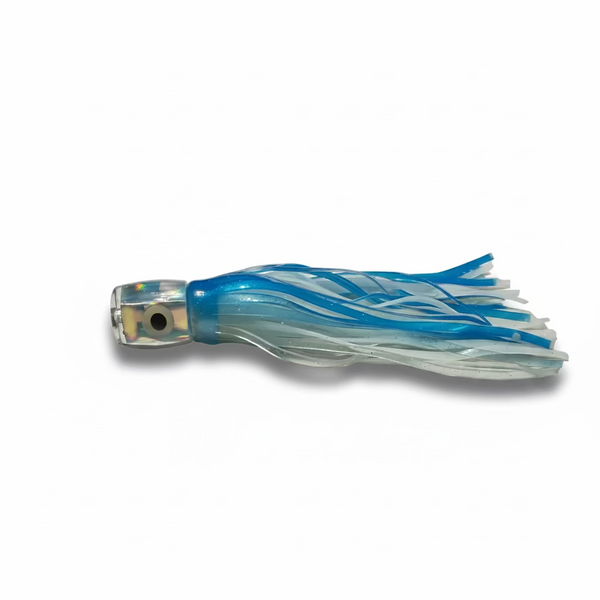
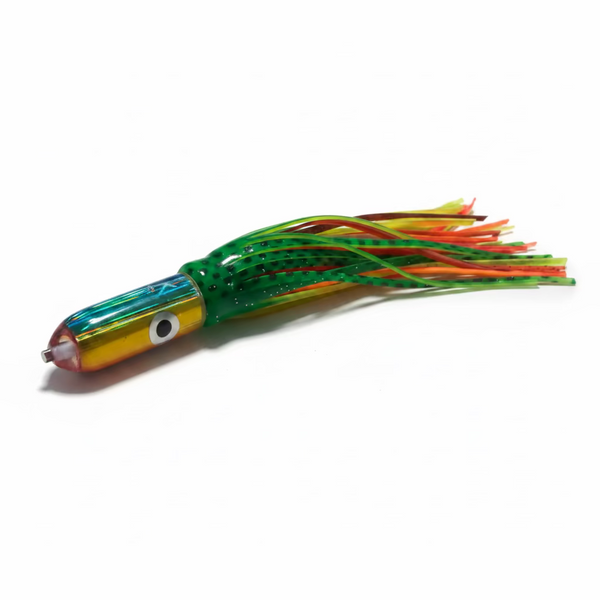
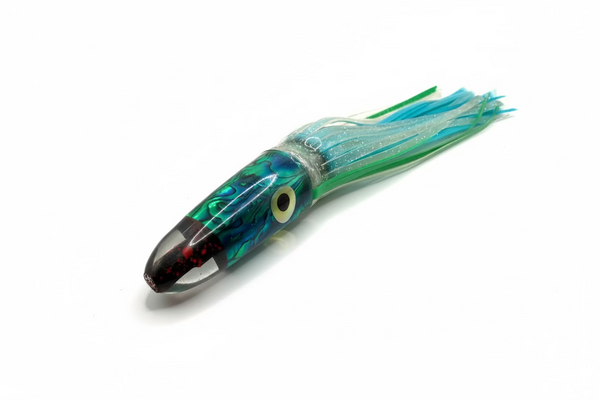
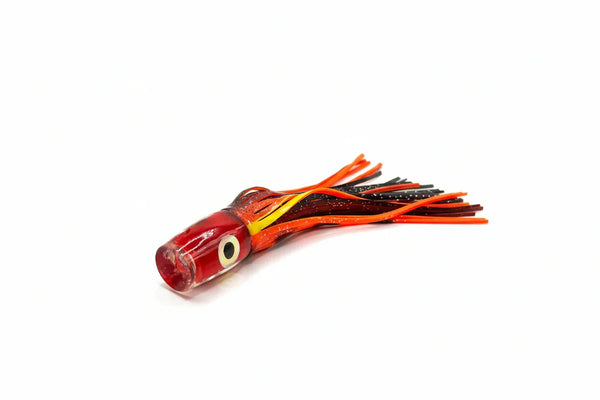
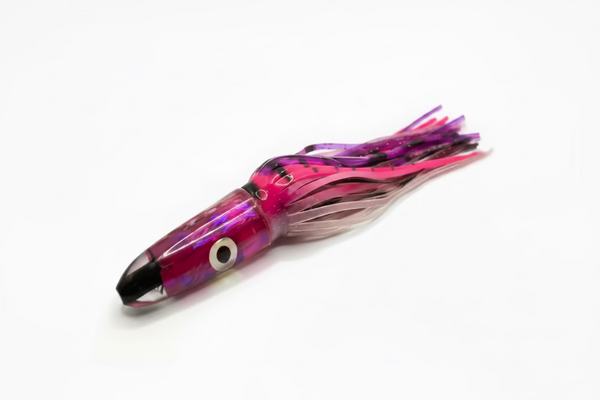
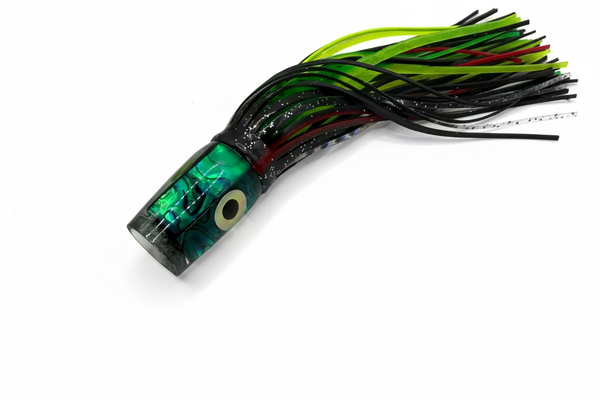
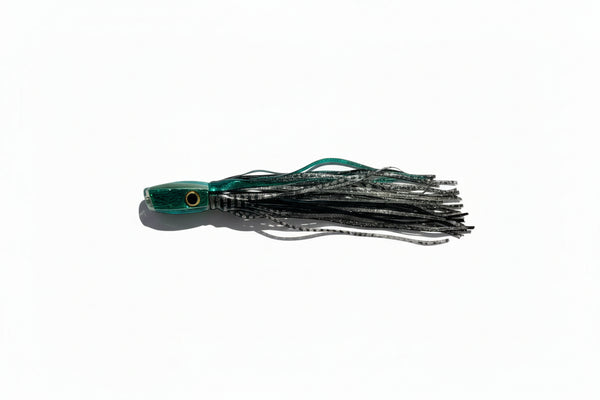
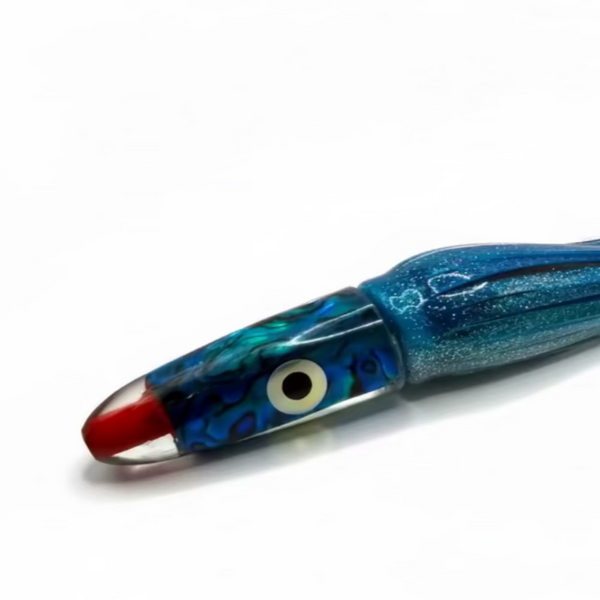
You can tell pretty quickly which lures are built for the tackle tray and which ones are built for the spread. Printed resin trolling lures fall into that second group when they are made right. They give offshore anglers a cleaner way to combine pattern, flash, and durability in one head shape, without relying on finishes that wash out after a few hard days pulling at speed.
For serious bluewater fishing, that matters. A lure can look sharp in the package and still fail where it counts - tracking poorly, losing finish, or fading into the spread when the sun gets high and the water gets bright. Printed resin trolling lures are attractive because they solve a real problem: they hold visual detail while keeping the toughness and fishability offshore anglers expect from resin-head trolling lures.
Why printed resin trolling lures matter offshore
The short version is simple. Offshore fish feed on shape, speed, contrast, flash, and profile changes. A printed finish gives lure makers more control over those visual triggers than a plain head or a basic painted pattern.
That does not mean a printed lure is automatically better than every other trolling lure in the pattern. It means it gives you another tool. If you're trying to match flying fish, saury, small tuna, or bright bait in clean blue water, a printed resin head can show scale, stripe, color transition, and reflective detail in a way that reads differently than a solid-color lure. Sometimes that extra realism helps. Sometimes it is the harder contrast or head shape that gets bit first. Offshore fishing is rarely one-variable simple.
What makes the category worth paying attention to is that resin protects the finish. On a well-built lure, the printed layer is not sitting exposed like a cheap exterior coating waiting to chip off after a few fish, a few knockdowns, or repeated impact in rough water. The resin shell helps preserve the visual pattern while also contributing to the head's weight, balance, and durability.
What printed resin actually changes in the water
A lot of lure buying happens at the rigging table. Fish decide in the wake. That gap matters.
Printed patterns can sharpen the bait impression of a lure, especially when the head is paired with the right skirt colors. Think mackerel-style bars, flying fish tones, sardine hues, or high-contrast dark-over-light bait profiles. Those details are not there just to look pretty. They help create a more defined silhouette and a more convincing color signal as the lure surfaces, breathes, and drops back in the face.
Resin changes the equation because it locks that look into a hard, fishable head. Offshore lures take abuse from trolling speed, UV, impact, leaders, hooks, fish bills, and deck wear. A printed effect without a protective build is mostly a short-term cosmetic feature. A printed effect under resin is more useful because it is made to keep fishing.
The other benefit is consistency. A properly built resin lure tends to keep its shape, weight distribution, and finish integrity better over time than lower-end alternatives. That means the lure you tuned into the spread in June should still be running like itself when the bite turns on later in the season.
Not all printed resin lures run the same
This is where experienced anglers separate appearance from performance. The print is only one part of the lure. Head shape, face design, size, resin quality, skirt selection, and rigging all matter more than a pattern by itself.
A long, tapered bullet-style head is going to give you one kind of presentation - clean, fast, stable, and often ideal for positions where you want a lure to stay in the water and hold speed. A more aggressive slant or cut-face design creates a different smoke trail, pop, and cycle. The printed finish does not override the hydrodynamics. It complements them.
If you're trolling for wahoo at higher speeds, you may lean toward shapes that stay planted and track straight. If you're building a marlin spread, you may want a mix of straight runners and more active heads that raise fish from different lanes. For school tuna and mahi, smaller printed resin heads can be deadly when they match the size and tone of the local bait. The point is straightforward: choose the lure for how it runs first, then let the printed pattern do its work.
Where printed resin trolling lures fit in a spread
These lures are at their best when they are used intentionally, not just clipped on because they look expensive.
In clear water and bright conditions, printed resin trolling lures can be strong short rigger or long rigger options because they carry visual detail well in cleaner lanes of water. If the bait profile is tight and the fish are keyed in on smaller forage, they can also shine farther back where the lure has room to settle into a cleaner cycle.
For shotgun use, it depends on head style and sea state. Some printed resin bullets are excellent there because they hold a stable line and keep showing color at distance without blowing out. In rougher conditions, though, a lure that looks perfect in calm water may disappear or lose rhythm if the head is not designed for that lane.
This is also where skirt pairing matters. A printed head with the wrong skirt can muddy the profile. A good pairing supports the pattern instead of fighting it. If the head has defined bait tones, the skirt should extend that signal, not overwhelm it with unrelated color just because it is loud.
Durability is part of the value
Offshore tackle does not get graded on appearance after one trip. It gets graded after hours of wash, heat, strikes, missed bites, leader rub, and being bounced around a moving cockpit.
That is one reason printed resin lures have earned attention among serious anglers. When they are built with quality resin, dependable skirt material, and solid rigging, they hold up. You are not just paying for a pattern. You are paying for a lure that can stay in rotation without turning into a chipped-up guess after a few days of fishing.
That said, resin quality is not uniform across the market. Poorly made heads can yellow, crack, trap bubbles, or lose finish clarity. Cheap hardware and weak rigging will ruin a good head fast. If the lure is intended for tuna, marlin, or wahoo, it needs to be built for those fish from the start. Premium USA-rigged construction is not a nice extra in that context. It is part of whether the lure is worth pulling at all.
How to choose the right printed resin lure
Start with target species and trolling speed. For wahoo, you want something that stays true and handles pace. For tuna and mahi, lure size and forage match are often more important than oversized presence. For marlin, the lane, sea state, and head action become bigger factors because you are often trying to raise fish into a committed window.
Then look at water color and light. In bright blue water, cleaner bait patterns and reflective flash can be especially effective. In darker or overcast conditions, stronger contrast may outproduce subtle natural tones. Printed resin gives you room to play both ends of that spectrum, but only if the head shape and skirt package are already proven.
Finally, be honest about where the lure sits in your system. One of the most common mistakes offshore anglers make is buying single lures instead of building a spread. A printed resin lure should fit into your trolling pattern with purpose. Maybe it is your bait-profile long rigger lure. Maybe it is your high-speed bullet. Maybe it is the piece that adds a different flash signature beside more traditional abalone resin heads. Skip the guessing and think in terms of lanes, actions, and target species.
When printed beats plain - and when it doesn't
There are days when printed patterns clearly get more attention. Fussy tuna on small bait, mahi feeding under bright skies, and calm-water conditions can all favor lures with more visual nuance. In those situations, the extra color definition and bait-like finish can make a difference.
There are also days when fish crush the lure with the strongest presence, biggest smoke trail, or most aggressive action regardless of how detailed the head looks. Marlin in particular are not reading your print quality like a catalog buyer. They are reacting to movement, pressure, profile, and opportunity.
That is why the best offshore anglers do not treat printed resin trolling lures as magic. They treat them as serious tools. When the build quality is there, the head shape is right, and the lure fits the lane, they can absolutely earn permanent water time.
K2Fishing approaches this category the right way - not as a cosmetic gimmick, but as a performance piece built to get strikes and hold up under real offshore use.
If you're choosing between a lure that only looks good in your hand and one that keeps showing up in your fish counts, choose the one that proves itself in the wake. That is where every lure gets judged.