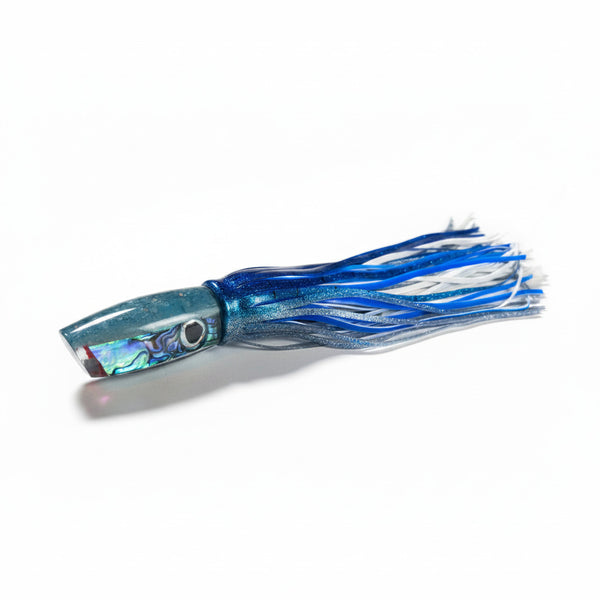
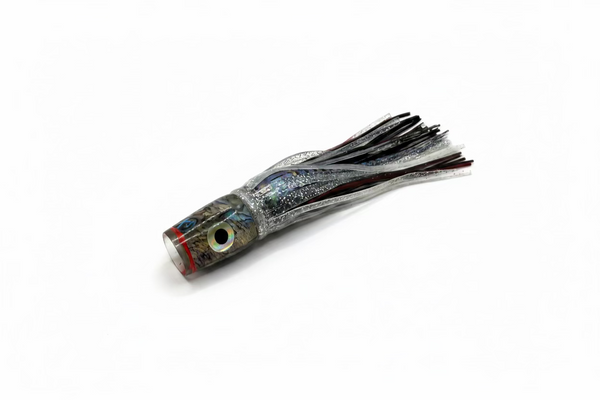
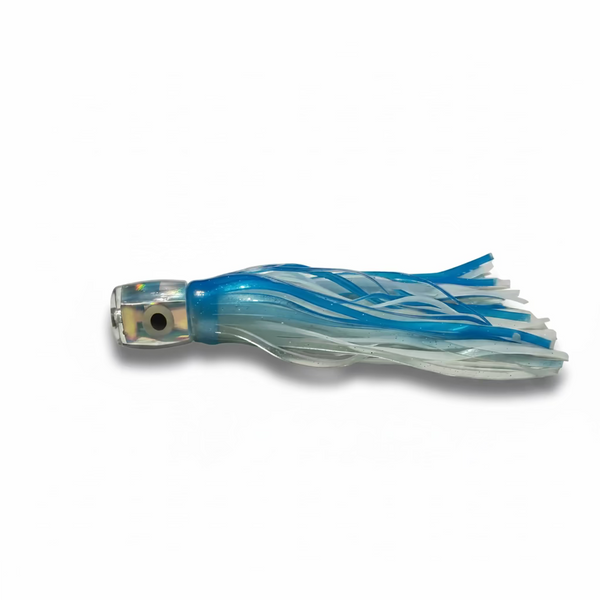
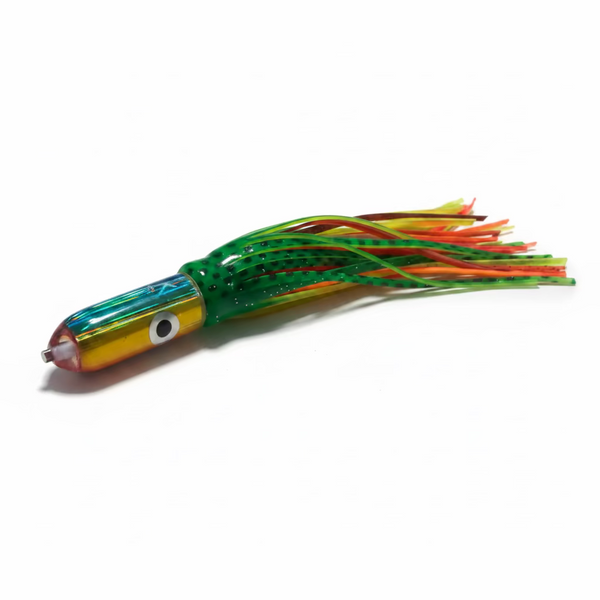
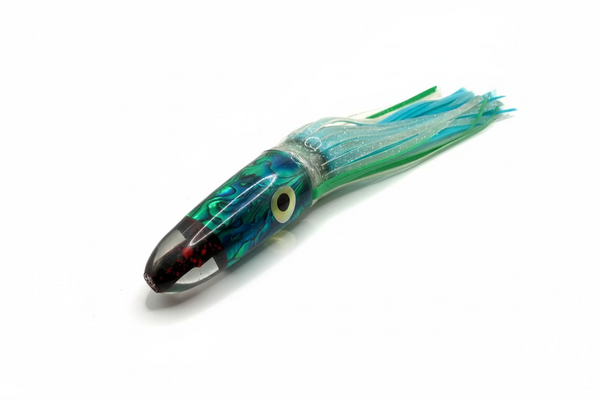
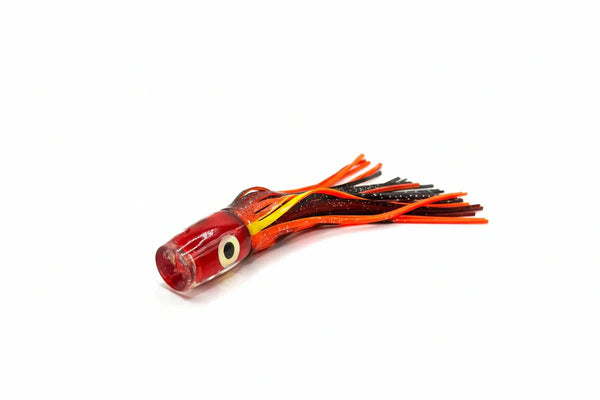
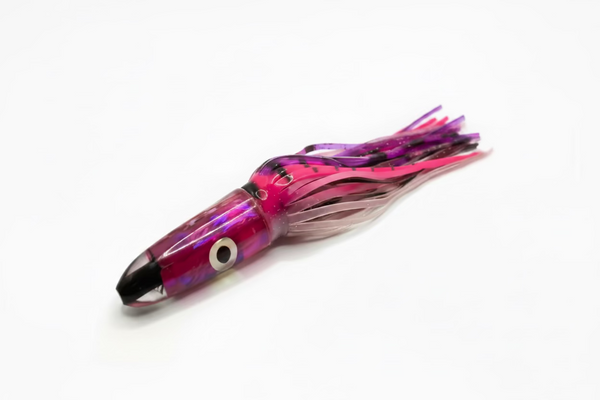
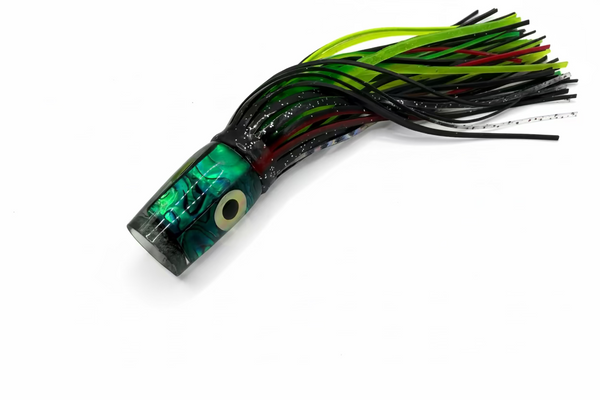
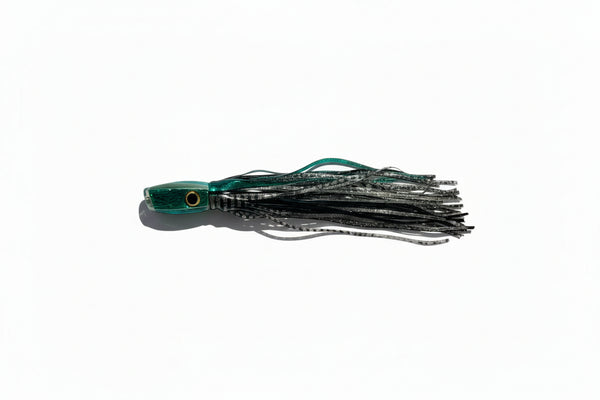
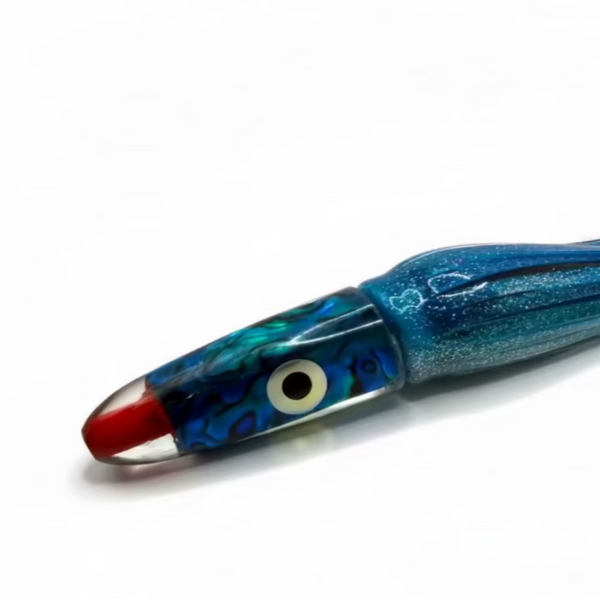
If your spread looks good but the bite stays cold, lure size is one of the first things to fix. A solid pelagic trolling lure size guide helps you stop guessing and start matching your spread to the fish, the water, and the speed you’re actually pulling. Offshore, size affects far more than profile. It changes smoke trail, head action, hookup quality, and which fish even bother to rise on it.
Why lure size matters more than most anglers think
A lot of anglers treat size like a simple species chart - small for school fish, big for big fish. That gets you part of the way there, but not far enough. In real bluewater trolling, lure size has to work with sea state, trolling speed, leader class, hook rig, and where the lure runs in the pattern.
A lure that is too large for the position may blow out, skip badly, or run with a lazy cycle that never looks clean. Too small, and it can get lost in rough water, disappear behind heavy surface commotion, or fail to hold the attention of larger predators tracking the pattern. The right size gives you a steady smoke trail, clean pop-and-dive rhythm, and enough profile to get seen without killing the action.
That matters whether you are pulling for yellowfin, blue marlin, wahoo, or mahi. Pelagic fish are built to cover water and make fast decisions. Your lure needs to present a target that looks easy to kill, not awkward, overworked, or out of place.
Pelagic trolling lure size guide by general class
For offshore trolling, most skirted pelagic lures fall into four practical size classes. You can measure by overall lure length, but experienced crews also think in terms of head size, face shape, and where the lure belongs in the spread.
Small lures - roughly 5 to 7 inches
This is the range for school tuna, mahi, smaller blackfin, football yellowfin, and days when bait is tight and small. Small bullets and compact resin heads are especially effective when fish are keyed in on sauries, flying fish juveniles, halfbeaks, or small squid.
These lures shine in cleaner water and calmer conditions where they can still be seen clearly. They also work well on the long riggers and shotgun because they hold less drag and stay in the water cleanly at distance. If you are seeing short bites on larger lures, dropping one or two positions into this class can straighten things out.
The trade-off is visibility. In heavy chop or aggressive whitewater, a lure this small can vanish. If the fish have to work too hard to track it, you lose one of the main reasons to troll artificials in the first place.
Medium lures - roughly 7 to 10 inches
For many offshore crews, this is the money range. Medium lures are versatile enough for yellowfin, school bluefin, mahi, sailfish, and mixed-bag trolling where you need one spread to cover multiple species. They carry enough profile to show up in average offshore conditions but still run with clean action at a broad range of speeds.
This class usually gives you the easiest balance between attraction and consistency. Medium heads can be pushed on corners, riggers, or even center positions depending on shape. They also tend to convert better for anglers who are still dialing in leader lengths and hook rigs, because they are less prone to exaggerated, sloppy action than oversized heads.
If you only want a starting point, start here.
Large lures - roughly 10 to 14 inches
Large lures are built for bigger marks, rougher water, and situations where you want the spread to push more presence. This size range is common for blue marlin, larger yellowfin, bigeye, and aggressive fish feeding on full-size flying fish, bonito, mackerel, or squid.
The key is placement and speed control. Large lures usually belong in heavier water positions where they can dig, smoke, and cycle without constantly blowing out. Short corners and short riggers are typical homes, especially behind boats that throw enough wash to help the lure track with authority.
Go too large for the conditions, though, and action suffers fast. A big lure in calm water can look like a chunk of resin getting dragged around unless the head shape and trolling speed are exactly right.
Extra-large lures - 14 inches and up
This is specialist territory. These lures are for targeting true marlin-class fish, fishing rough conditions, or building a spread around large-profile teasers and heavy surface commotion. They can raise giants, but they are not general-purpose tools.
Extra-large heads need proper tackle balance. Heavy leader, a clean rig, enough boat speed, and a position that gives them room to work all matter. If any piece is off, the lure becomes more of a deterrent than a trigger.
Match size to target species, but don’t stop there
Species matters, but bait size and fish mood matter just as much. Yellowfin are a perfect example. On one trip they will crush 10-inch resin heads in the prop wash. On another, they only touch 6-inch bullets way back. The difference is often what they are feeding on naturally and how hard they are willing to chase.
For tuna, small to medium lures usually cover the most water effectively. For wahoo, medium and large lures get the nod because speed, profile, and aggression all play into the bite. For marlin, medium-large to large is the standard, with extra-large reserved for dedicated big-fish programs. For mahi, smaller profiles often outperform because the fish are visual and opportunistic, especially around weed lines and floating debris.
The smart move is to think in ranges, not fixed rules. Build the spread around the species you expect, then adjust one size up or down based on bait, weather, and what the first few hours tell you.
Sea conditions change the right lure size
Flat calm water usually rewards cleaner, more natural presentations. Smaller and medium lures tend to run better and look more believable. The fish have longer to inspect the target, so oversized heads can work against you unless they are tuned perfectly.
As conditions get rougher, lure size often needs to step up. More chop means more surface noise, more bubble wash, and more visual interference. A larger lure keeps its profile, throws more smoke, and stays visible through broken water. That does not mean every lure in the spread should get bigger. Usually one or two larger positions are enough while the rest stay balanced.
Water clarity matters too. In cobalt-blue, high-visibility water, you can often downsize and still get seen. In green water or low light, a larger profile can help fish find the lure faster.
Trolling speed and lure size have to agree
This is where many spreads go wrong. Anglers choose a lure by color and profile, then ask it to run at a speed it was never meant to handle.
Small bullets and smaller straight runners often hold well at higher tuna speeds. Medium cupped or angled heads can handle a broad middle range if the position is right. Larger slant, pusher, or aggressive-faced heads need enough water pressure to work, but not so much that they tumble or spend more time airborne than swimming.
As a rule, the larger the lure, the less forgiving it becomes. Bigger heads amplify poor rigging, bad placement, and speed errors. If a large lure is blowing out, the answer is not always to slow down. Sometimes it needs a different position, cleaner water, or a better-matched head design.
How to size each position in the spread
A productive spread usually mixes sizes instead of repeating the same profile across every line. Short corner positions can carry larger, harder-working lures because they run in heavier whitewater and stay close to the boat. Long corners and short riggers often handle medium to medium-large sizes well. Long riggers are strong places for medium or small-medium lures that can run cleanly with less turbulence. The shotgun is usually best with a smaller profile, especially when tuna are tracking baits farther back.
That mix creates contrast. One lure looks like the easy straggler. Another looks like the bolder target. Pelagic fish often pick off the bait that appears slightly out of line with the group, so spread variety matters.
This is also where lure construction shows up. A properly weighted resin head with clean rigging will stay true in its lane and hold a repeatable cycle. That consistency is what gets strikes. At K2Fishing, that is the whole point of a performance-led lure lineup - not random sizes, but sizes built to do a specific job in a real offshore spread.
Common sizing mistakes that cost bites
The first mistake is going too big too often. Big lures look impressive in the tackle bag, but offshore fish are not grading your inventory. If the hatch is small, or the water is calm, oversized presentations can turn followers into refusals.
The second mistake is downsizing everything after a slow morning. One small lure can save the day. An entire spread of undersized lures in rough water can disappear behind the boat and never get noticed.
The third mistake is ignoring hook and leader balance. A lure may be the right size on paper, but too heavy a hook rig can deaden the action, especially on smaller heads. Too light a rig on a larger lure can lead to poor stability and ugly tracking.
The fix is simple. Start with a balanced spread of small, medium, and one larger target bait, then let the fish tell you where to lean.
The best starting point for most offshore anglers
If you want a practical setup without overcomplicating it, build around medium lures and support them with one smaller and one larger option. That covers the widest range of pelagic species and conditions while keeping the spread easy to tune. Medium sizes are forgiving, highly visible, and effective across tuna, mahi, wahoo, and billfish when matched to the right head style.
Once you get feedback from the water, adjust with purpose. If tuna are slashing bait and missing the big corner, drop that position down a class. If rough seas are swallowing your long lures, step one of them up. Good lure selection is not about chasing a perfect chart. It is about reading conditions and running tackle that is built to get strikes.
The best size guide is the one that helps you make faster decisions when the spread is out, the water is right, and the next pass needs to count.