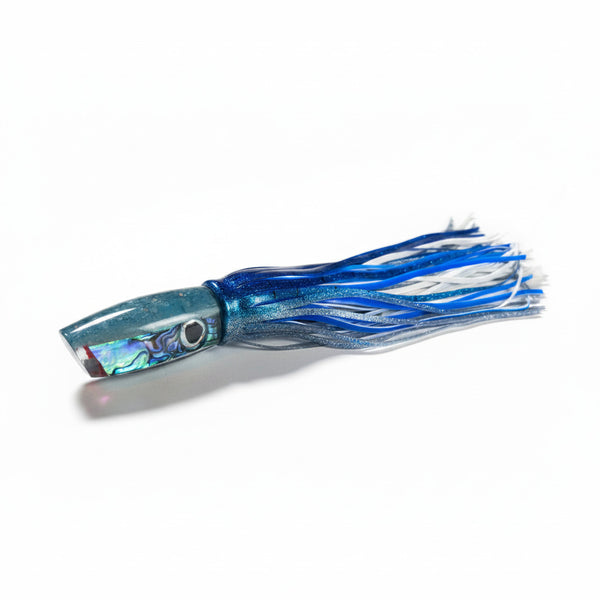
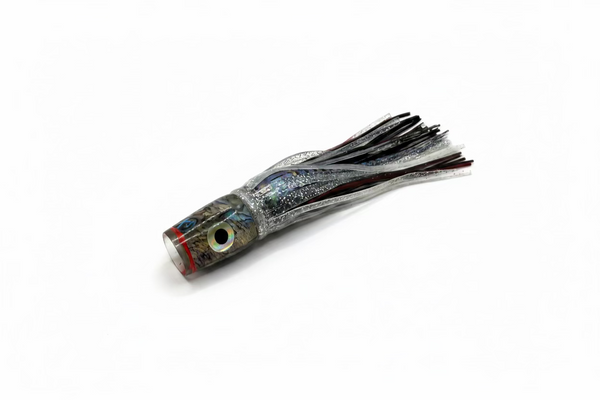
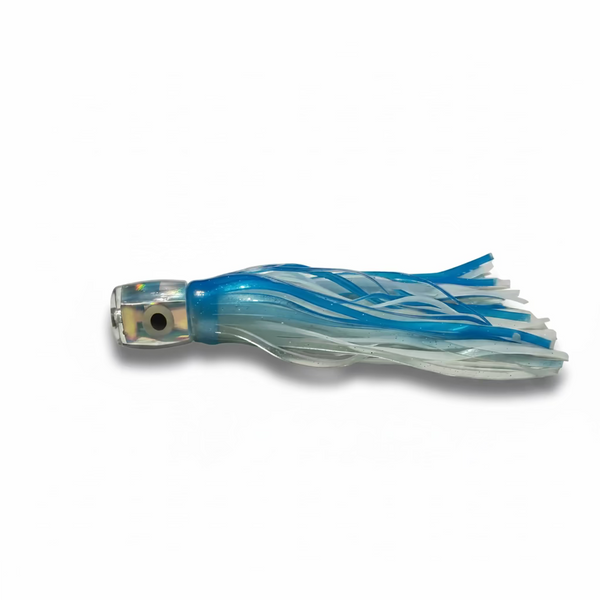
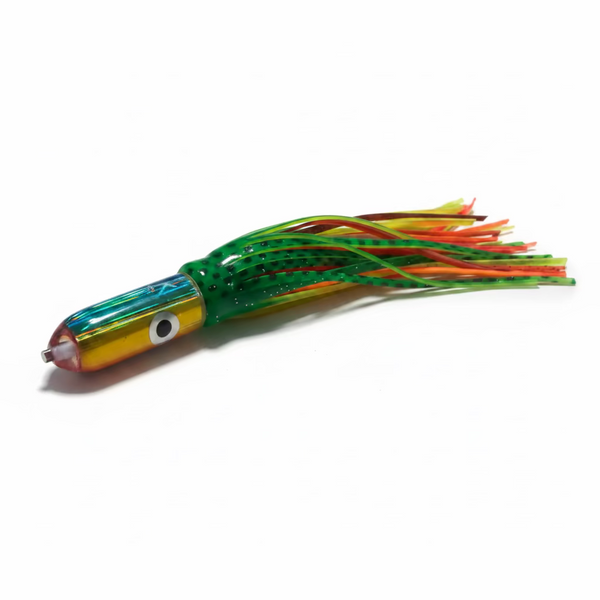
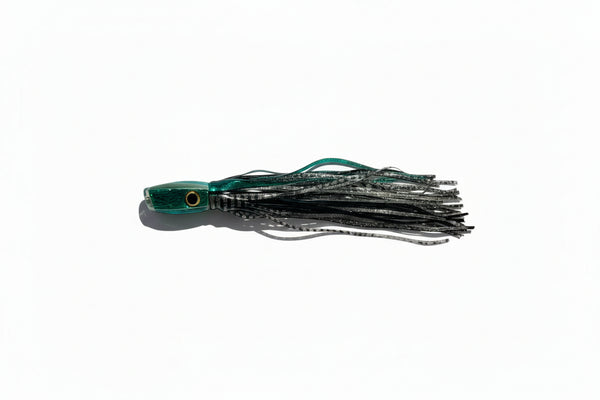
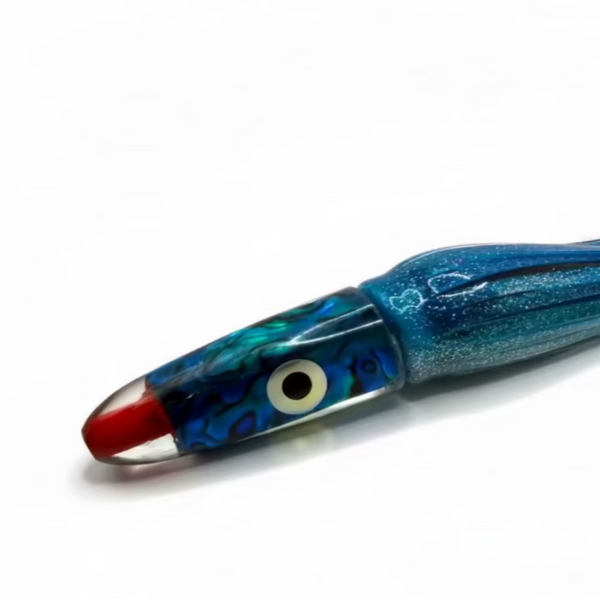
A lure that looks perfect in the wash can still fish wrong. If it’s blowing out, spinning, tracking sideways, or surfacing when it should be digging, you’re not seeing the clean, repeatable action that gets bites converted offshore. Knowing how to tune trolling lure action is what separates a lure that simply rides in the spread from one that gets eaten.
Most trolling lures do not fail because the head shape is bad. They fail because the rigging, placement, speed, and sea conditions are out of sync. Offshore, small changes matter. A quarter-knot of speed, a stiffer leader, a hook set that kills the swim, or a lure fished one wave too short can turn a good lure into dead weight.
How to Tune Trolling Lure Action on the Water
Start by watching one lure at a time. Too many crews make changes across the entire spread and then guess what fixed the problem. Pull one lure into clear view and study its cycle. A properly tuned trolling lure should have a consistent pattern - swim, smoke, pop, dive, then recover cleanly. That rhythm changes by lure style, but the key is repeatability.
If the lure is spinning, the problem is usually immediate and mechanical. Check hook alignment first. A twisted double hook rig, uneven hook weight, or a hook set locked too stiff can torque the lure. Leader stiffness can do the same thing, especially on smaller heads that need freedom to breathe and track naturally.
If the lure is blowing out, look at speed and position before blaming the lure. Some heads are built to hold in rougher water and some are built to run cleaner in calmer lanes. Move it back one wave, or shift it to cleaner water outside prop wash. Often that solves the issue faster than changing tackle.
If the lure looks lazy and never really grabs water, it may be under-speed, over-rigged, or simply too heavy in the hook set for that head. A lure needs balance. Too much drag behind the head can flatten the action and kill the smoke trail that triggers fish.
Read the lure’s cycle, not just the splash
A lot of anglers judge action by surface commotion. That is not enough. A lure can make plenty of noise and still fish poorly. What you want is a stable cycle where the head bites water, throws smoke, breaks free, then resets without tumbling.
For tuna, that often means a tighter, more efficient swim with less random hunting. For marlin, especially on larger lures, a stronger dive-pop cycle can be a major trigger. For wahoo, speed changes everything, and the lure has to stay true without rolling under pressure. The right action depends on species, sea state, and where the lure is run.
Rigging Changes That Affect Trolling Lure Action
Rigging is where a lot of action gets lost. A well-built offshore head can only do so much if the leader and hooks fight the lure every second it’s in the water.
Leader size matters more than many anglers admit. Heavy leader gives abrasion resistance and control, but it also stiffens the connection and can mute action on smaller or more responsive heads. If a lure is too restricted, it may not dig and recover the way it was designed to. On the other hand, a lure intended for aggressive species or heavy tackle may need the added stability of a stronger leader. This is always a trade-off between freedom and control.
Hook position is just as critical. A double hook rig that extends too far past the skirt can destabilize the lure. Hooks that are oversized for the head create drag and can make the lure track poorly. If the hook set is too rigid, the lure loses some of its natural movement. If it is too loose, it may foul or swing enough to interrupt the cycle. There is no universal answer here. The goal is a hook arrangement that supports the lure’s balance instead of overpowering it.
Skirt length also affects action. Long skirts can add profile and pulse, but they can also create excess drag if the material is too dense or the cut is too full. Shorter, cleaner skirts often help a lure breathe better, especially at higher speeds. If a lure looks choked, the skirt may be part of the problem.
Head shape still sets the range
You can tune a lure, but you cannot force it to be something it is not. A bullet-style head wants to track differently than a cupped pusher or a slant-face. Some heads are built for clean high-speed lanes, others for aggressive surface disruption. Tuning should refine the designed action, not fight it.
That matters when anglers try to make one lure cover every job. A lure that is built for tuna on the long rigger may never be the best short corner lure for marlin. You can improve performance, but matching the head to the job still comes first.
Speed and Position in the Spread
If you want to know how to tune trolling lure action without wasting time, focus on the two variables you can change fastest - trolling speed and lure position.
Speed is obvious, but many crews ignore how narrow the sweet spot can be. Some lures come alive with just a slight bump. Others get unstable the moment you push too hard. Rather than making big jumps, make small adjustments and watch the lure through a few full cycles. One change at a time tells you what the lure actually wants.
Position is just as important. A lure may run perfectly in one lane and fail in another because the water pressure is different. The short corner is turbulent and demanding. The long corner still carries some wash but often gives a lure more room to settle. Rigger positions usually offer cleaner presentation, and the shotgun gives a lure the longest, steadiest track. If a lure is marginal, move it before you replace it.
This is where experienced offshore crews save themselves a lot of guessing. Instead of calling a lure bad, they test it in a better lane. Many lures that seem wrong are simply in the wrong water.
Sea Conditions Change Everything
Flat water makes some lures look better than they really are. A lure that runs clean on a calm day may lose shape when the chop builds. The opposite is true too. Some heads need pressure and surface disturbance to really work.
Quartering seas, tight intervals, and crosswind drift all change how a lure behaves. The port long rigger may be cleaner than the starboard because of prop wash, hull lean, or current angle. That means tuning is never only about the lure. It is about the whole system behind the boat.
When conditions get rough, stability becomes more important than extra flash or exaggerated movement. You may need a heavier head, a different skirt profile, or a lane with less turbulence. In calmer water, you can usually get away with more responsive lure setups that show finer action.
Common Mistakes When Tuning Lure Action
The biggest mistake is overcorrecting. Anglers see one bad cycle and immediately swap leaders, hooks, and positions all at once. That tells you nothing. Make one change, then watch again.
Another mistake is tuning at only one speed. Offshore fish do not always show up at the same pace. A lure should remain clean across your realistic trolling range, especially if you are covering mixed species like tuna, mahi, and wahoo. If it only runs at one exact number, it may not be versatile enough for that position in the spread.
The next mistake is ignoring the hook set. Plenty of lures with strong head design get handicapped by poor rigging decisions. Premium lure construction matters, but so does the balance between the head, skirt, leader, and hook drag. That is why serious offshore anglers pay attention to USA-rigged quality and proven lure systems instead of guessing with random combinations.
Finally, do not confuse aggressive action with productive action. More splash does not always mean more bites. Clean, repeatable action with a proper smoke trail often outperforms a lure that looks wild but never settles.
What a Properly Tuned Lure Should Do
A properly tuned lure should track straight, recover cleanly, and show a repeatable cycle that matches its design. It should not spin. It should not blow out every few seconds. It should not look strangled by its own rigging.
For serious bluewater anglers, that standard matters because strike conversion starts before the fish ever shows up. When a lure stays in shape, it stays fishable. It gives predators a target they can track, commit to, and eat cleanly.
At K2Fishing, that is the whole point of performance-driven trolling tackle - not just a lure that looks good in your hand, but one built to get strikes once it hits real offshore water.
Skip the guessing, watch the lure closely, and tune for the lane, the speed, and the species you are actually targeting. Offshore, the smallest adjustment can be the one that turns a follower into a bite.