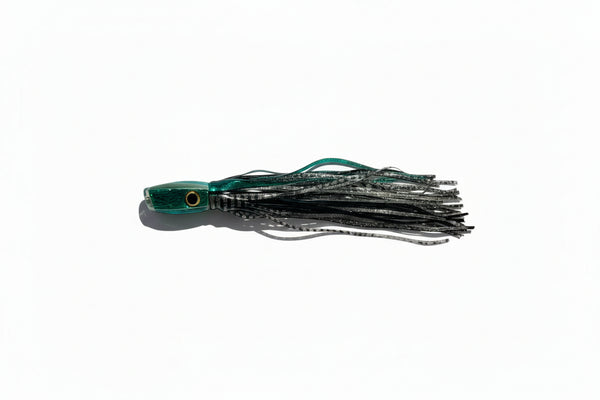
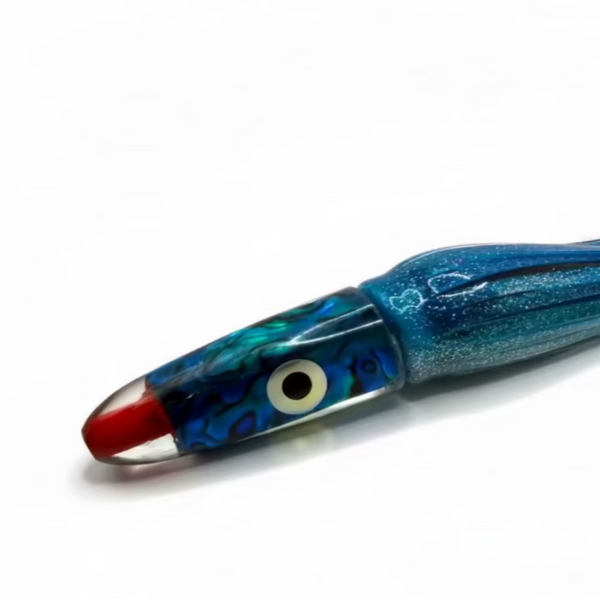
The first hour after lines in is where most crews tell on themselves. If your pattern is washing out, blowing up, or tracking dead at speed, yellowfin will show you fast. Learning how to troll for yellowfin tuna is not about dragging a random spread until something finally happens. It is about building a pattern that stays clean, runs true, and gives tuna a target they can find and commit to.
Yellowfin are aggressive, fast, and often less forgiving than anglers want to believe. They will slash at a lure, fade off a spread that looks wrong, or pile onto one position while ignoring everything else. That is why good tuna trolling is built on control - lure action, spacing, speed, and spread discipline.
How to troll for yellowfin tuna with a clean spread
A yellowfin spread does not need to be complicated, but it does need purpose. Most crews get better results when they fish a manageable pattern they can read instead of trying to pull too many pieces at once. Five to seven lines is plenty on many boats if every lure is in the right water and working correctly.
Start by thinking in zones behind the boat. Your short positions should run in aggressive water where the lure can smoke, pop, and recover without tumbling. Mid positions usually carry your most dependable tuna lures because they get clean visibility and consistent action. Long positions often pick off wary fish, especially when the ocean is slick or the bite is pressured.
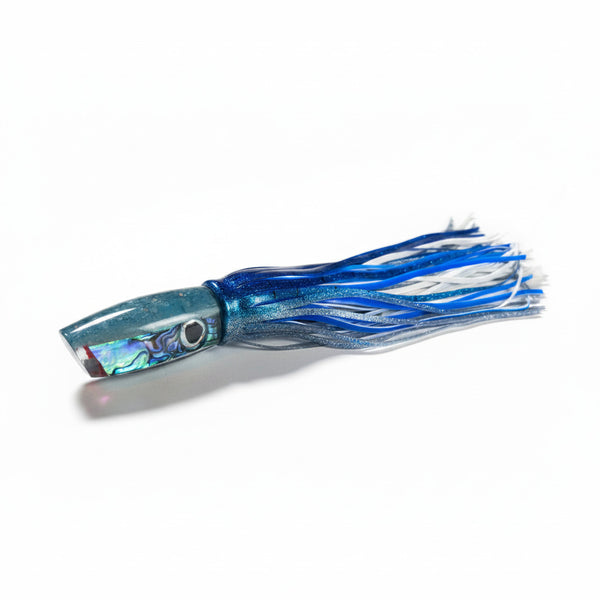
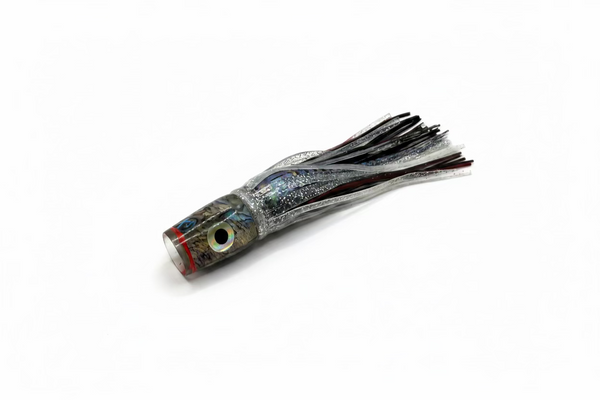
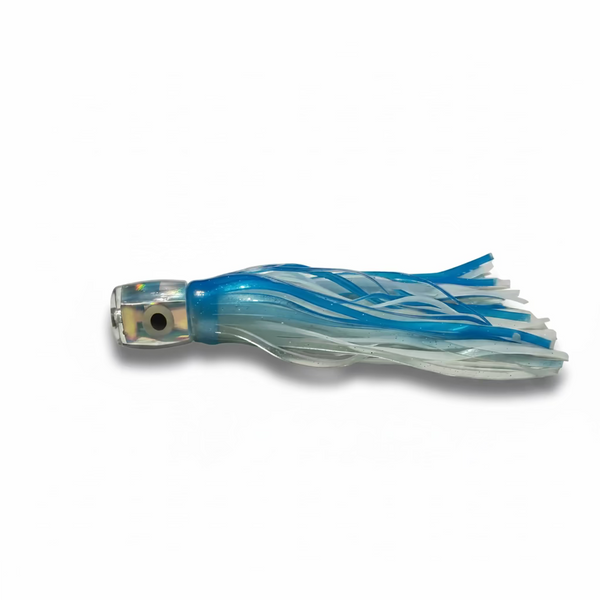
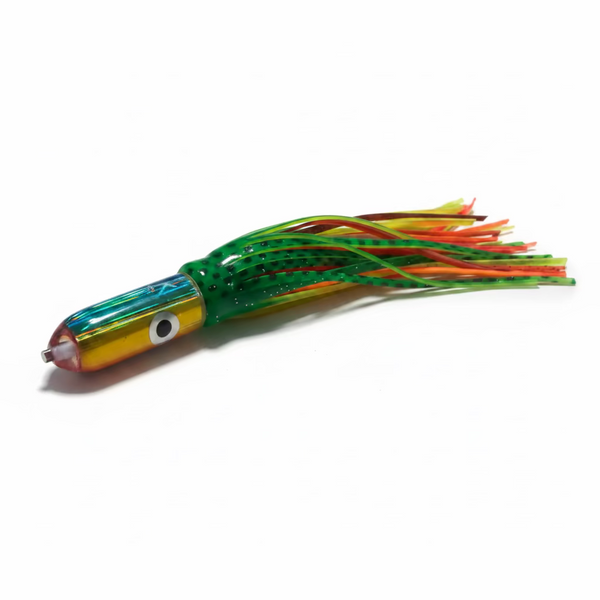
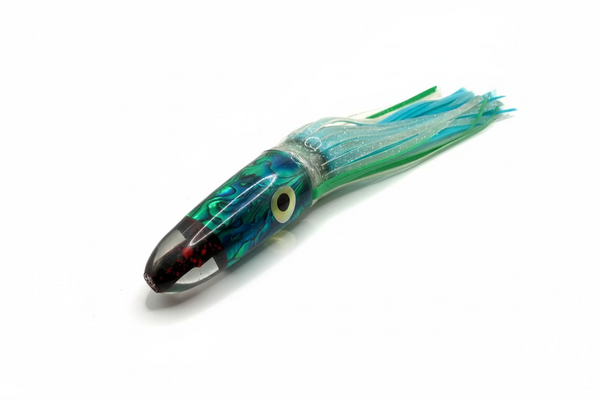
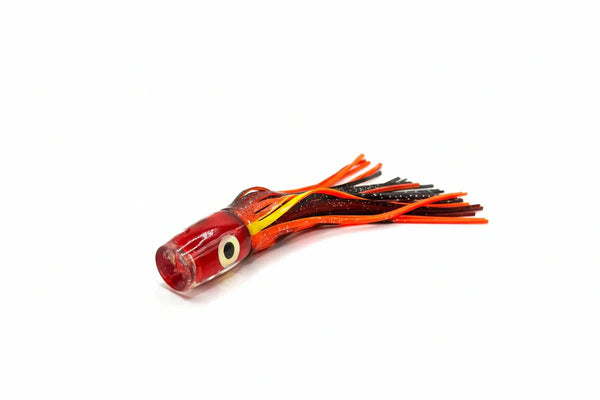
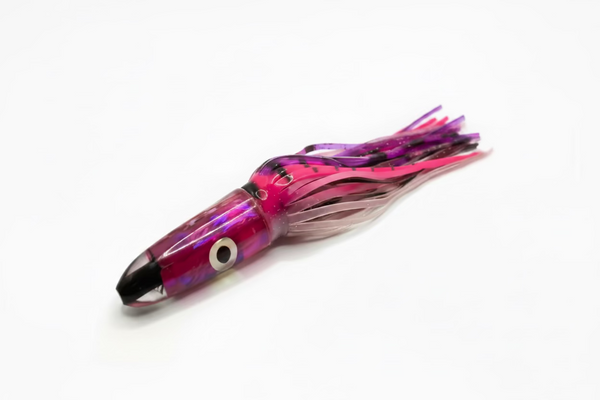
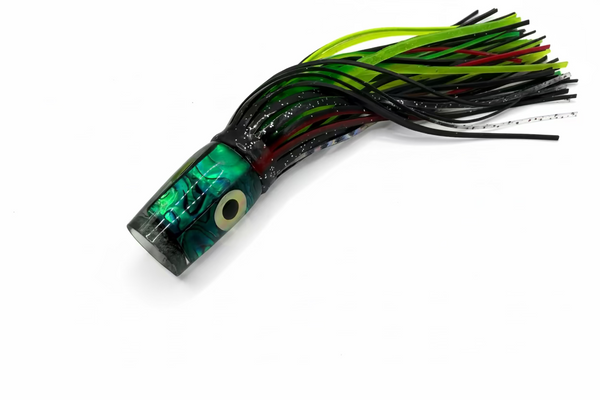
For yellowfin, bullets, slant heads, and medium resin trolling lures all have a place. Straight-running bullet styles are reliable in the long rigger and shotgun because they hold at speed and keep working in rough water. Medium and large resin-coated lures are strong options on the corners and riggers when you want more surface commotion and flash. If a lure cannot stay in the pattern without spinning, skipping erratically, or blowing out, it does not belong in the spread no matter how good it looked in the package.
Color still matters, but not in a simplistic way. Blue-white, purple-black, pink, and green-yellow all raise fish. Abalone flash can separate a lure when the spread needs extra visibility, especially in bright conditions or when bait is scattered. But action beats color every day. A properly tuned lure in an average color will outfish a bad-running lure in the perfect one.
Speed matters more than most anglers admit
If you want to know how to troll for yellowfin tuna consistently, pay attention to lure speed before you start changing everything else. A lot of yellowfin trolling happens in the 6.5 to 8.5 knot range, but that is only a starting point. Hull shape, sea state, current direction, lure size, and head design all affect what each lure wants.
Yellowfin will eat at higher speeds, especially when your spread includes bullets and streamlined heads. They will also bite slower presentations when bait is small or fish are keyed in on a more subtle profile. The right question is not, what speed should I troll? It is, at what speed does this specific spread stay alive and clean?
Watch each lure. A good tuna lure should track straight, grab water, smoke consistently, and cycle with intention. Some heads should dive and surface with a hard pop. Others should run cleaner with less drama. What you do not want is random behavior. Random is usually wasted water.
Small speed changes matter. Bump up half a knot and your long rigger might come alive. Drop a touch in sloppy head seas and your short corner may stop blowing out. Crews who catch steadily are always tuning. They are not married to one number on the GPS.
Match the lures to the fish, not just the boat
Yellowfin size class should shape your lure selection. School fish in the 20- to 50-pound range will often respond well to smaller and medium-profile lures, especially when they are feeding on sauries, flying fish, or small tunas. Larger yellowfin can crush those same lures, but if you are targeting 80-plus pound fish in areas known for bigger biomass, stepping up a couple positions to larger resin heads can help you filter out smaller bites and hold a more dominant profile in the spread.
This is where trade-offs matter. Bigger is not always better. Oversized lures can absolutely cost bites when fish are on smaller forage or sea conditions make a large head work poorly. On the other hand, fishing too light across the whole spread can leave money on the table if the better class fish want a heavier target with more push and flash.
A practical setup is to run mixed profiles. Let your long and shotgun positions carry cleaner, smaller bullets. Put medium tuna lures in your high-confidence rigger spots. If conditions allow, use one larger, more aggressive lure in the short water where it can throw smoke and command attention.
Productive positions for yellowfin trolling
Short corner and short rigger are often your tone setters. These lures should be easy to read from the helm and stable enough to fish through turns, swell, and speed adjustments. If one of these spots is constantly washing out, fix that before you do anything else.
Long rigger is a classic yellowfin producer because it sits in cleaner water with enough distance to look natural. This is a strong place for a medium bullet or a streamlined resin lure that runs true all day. Shotgun can be deadly when fish are wary or spread behind the boat is busy with bait and surface noise. It also gives you a useful tell. If the shotgun gets repeated attention while the short pattern stays quiet, your main spread may be too loud, too close, or too big.
Chains and teasers can help raise fish, but they are not mandatory in every yellowfin scenario. In rough water or when crews are trying to keep things efficient, a cleaner lure spread often converts better than an overloaded wake. If you do run birds, squids, or teaser chains, make sure they support the spread instead of cluttering it. Attraction is only useful if fish can find a clean bite behind it.
Read the conditions before you set lines
Yellowfin trolling changes with water color, current edges, bait presence, and light. Clean blue water is a good sign, but plenty of fish are caught on green-blue edges, temp breaks, and life-packed rips where bait stacks up. Trolling blind through empty ocean burns fuel. Trolling through water with signs - flyers, sauries, marks, birds working, scattered foamers - gives your spread a real job.
On bright, calm days, fish can get a better look at your pattern. That often favors cleaner-running lures, slightly longer placements, and tighter spread discipline. In rough water, overcast skies, or dirty edges, stronger vibration and flash can help fish find the target. This is where well-built resin lures with consistent tracking and visible flash earn their place.
Turns are another overlooked tool. Yellowfin often react when one side speeds up and the other drops back. A controlled turn changes lure cadence and can trigger following fish. But if your spread falls apart in every turn, your rigging or positioning is off.
Rigging quality decides how many bites become fish
Getting bit is only half the job. Poor hooksets, bad leader lengths, and cheap rigging lose tuna. For yellowfin, rigging has to match lure size, target class, and trolling speed. A lure that swims correctly but tracks with a poorly positioned hook can still miss fish or lead to weak corner hookups.
Single-hook and double-hook rigs both have their place. A lot depends on lure head size, local preference, and how the fish are eating. What matters most is alignment, hook exposure, and balance. If the hook rig kills the lure action, fix it. If the lure swims perfectly but the hookup ratio is bad, fix that too. Offshore tackle has to perform as a system.
Leader strength is another place anglers either overbuild or get cute. Too heavy and you may deaden smaller lures. Too light and a better fish or a bad angle can cost you. Most yellowfin trolling spreads work best when the leader is heavy enough to handle real pressure but still lets the lure breathe.
How to troll for yellowfin tuna when the bite changes
The crews who stay on fish longest are the ones willing to adjust without abandoning what is working. If you raise fish but do not get commits, first look at speed and lure action. If one position gets all the attention, do not automatically clone it across the spread. Figure out why it is getting bit. It may be size, color, distance, or simply cleaner water.
If the bite dies after the sun gets high, try stretching the pattern and leaning on bullets or cleaner heads. If short bites become a problem, tighten your rigging and look at lure size. If you are marking fish and not getting touched, the spread may be too aggressive for the bait profile in that zone.
Good yellowfin trolling is not guesswork, but it is never static. The spread that was right at gray light may be wrong by noon.
The best crews keep it simple enough to control and sharp enough to convert. Build a spread that stays in the water correctly, use lures that are built to get strikes, and let the fish tell you what to refine. When you stop chasing random changes and start trolling with intent, yellowfin show up a lot more often where they should - in your wake and then on your deck.