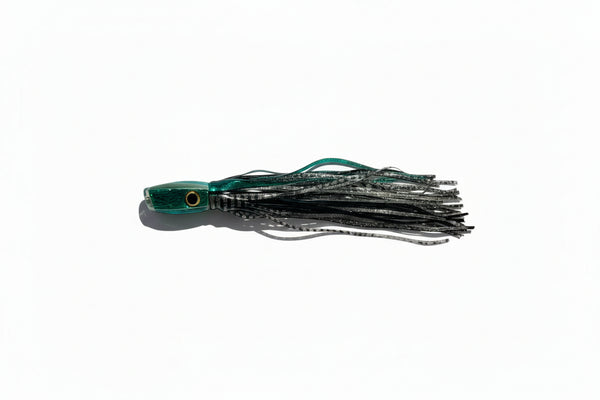
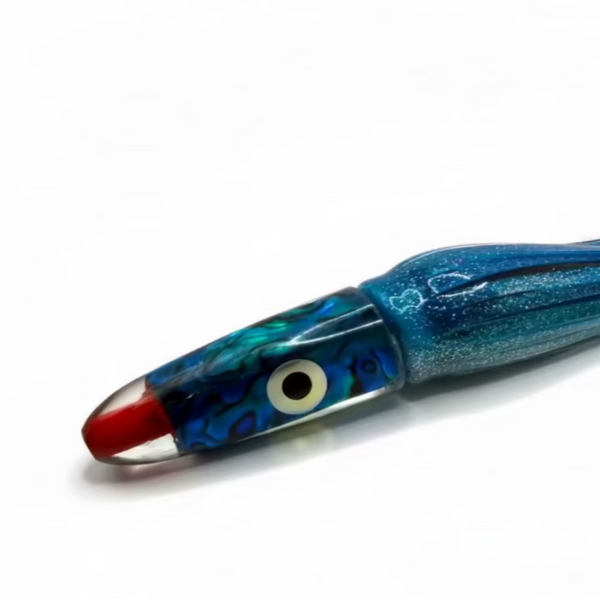
A marlin can show up behind the spread, light up electric blue, take one swipe, and vanish just as fast. That is why learning how to target marlin with lures is less about luck and more about building a clean system - lure shape, position, speed, rigging, and pattern all have to work together.
Marlin are not random biters. They react to pressure waves, smoke trails, flash, and cadence. If your spread is washing out, skipping badly, or tracking dead, you are asking a top predator to commit to something that does not look right. Good marlin trolling starts with lures that hold shape, run clean, and keep producing at speed.
How to target marlin with lures without wasting time
The fastest way to waste an offshore day is to drag a spread with no plan. A lot of anglers mix lure sizes, head styles, and positions without thinking about what each bait is supposed to do. Marlin fishing is better when every lure in the pattern has a job.
Start by matching lure size to the fishery, sea state, and bait profile. In calm water with smaller forage, medium heads often get more attention because they stay lively and easy to track. In rougher water, or when you want more smoke and presence, larger resin heads and heavier-pulling lures hold better and stay visible in the pattern. There is no single perfect size. The right call depends on what the ocean is giving you that day.
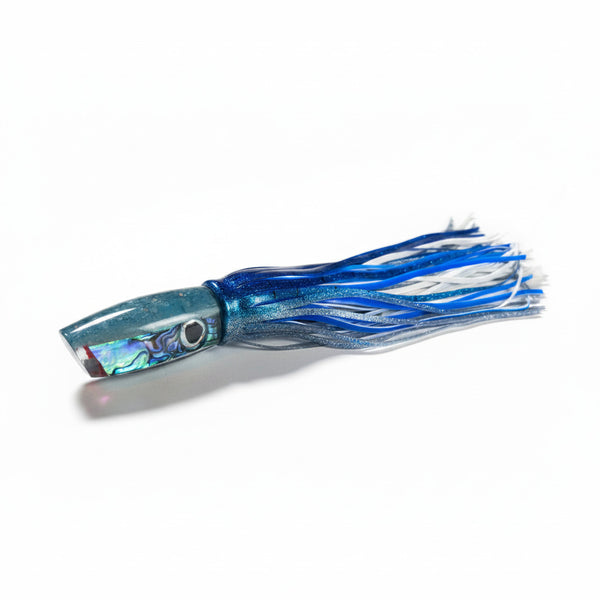
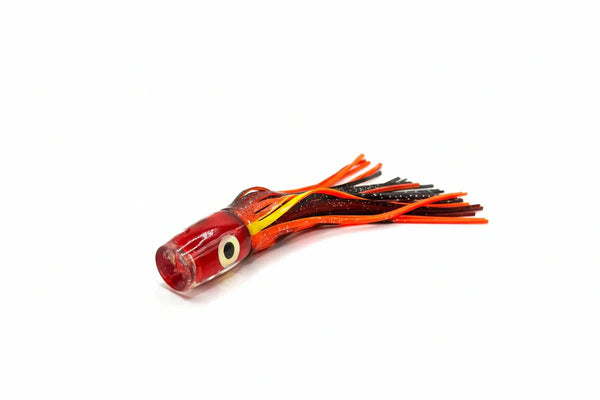
Head shape matters just as much. Bullet-style lures track straight, handle speed, and work well in cleaner water or shotgun positions where you want a stable runner. More aggressive slant or cupped faces create extra smoke, splash, and pop, which can be ideal in short and long corner positions where marlin are already keyed in on surface commotion. If a lure is blowing out every third cycle, it is not working hard - it is working wrong.
Build a marlin spread with purpose
A productive marlin spread should show range without looking chaotic. You want a pattern that gives fish different targets while still presenting one believable school of fleeing bait.
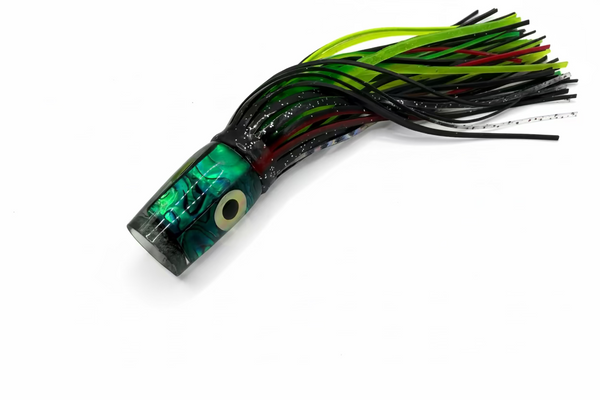
Short corner is usually the place for your biggest, most aggressive lure. It is closest to the prop wash, where the water is turbulent and noisy. This lure needs enough face and weight to dig in, smoke, and reappear cleanly. Large resin-coated heads shine here because they can take abuse and still run with authority.
Long corner should still have presence, but usually with a slightly cleaner cycle. This is often a strong home for a large pusher, slant, or medium-large cupped lure that leaves a defined smoke trail and surfaces on rhythm. It should not be competing with the short corner bait. It should complement it.
Short rigger is where many crews put a lure with more speed and a cleaner, more visible track. This position often raises fish because it sits just outside the heaviest white water. A marlin that comes up hot can find it fast. Long rigger generally gets a smaller or more streamlined lure, something that stays easy to follow from a distance and keeps its action in changing conditions.
If you run a shotgun, keep it disciplined. A bullet or similar straight-running lure is the standard choice because it stays in the lane and does not need much babysitting. It is there to pick off a fish that hangs back or slides in late, not to create more confusion behind the boat.
Teasers can help raise fish, especially on boats rigged to fish them properly, but they are not a fix for bad lure placement. If your trolling lures are not running right, adding more commotion will not solve the problem.
What marlin want to see in a lure
Marlin are visual hunters, but they are not just reacting to color. They key on contrast, flash, surface behavior, and how natural the lure looks when it breaks and reenters the water. That is why some lures get window-shopped all day while others get eaten.
A good marlin lure should breathe in the water. It should grab water, dive, leave a smoke trail, and pop back up without cartwheeling. That cycle creates a target that looks alive and vulnerable. The best lures do it consistently, not just when the sea is perfect.
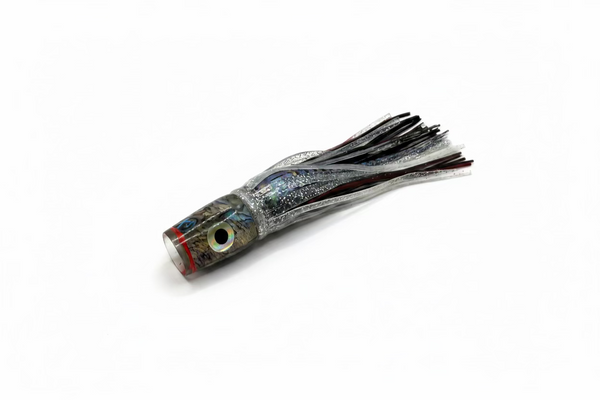
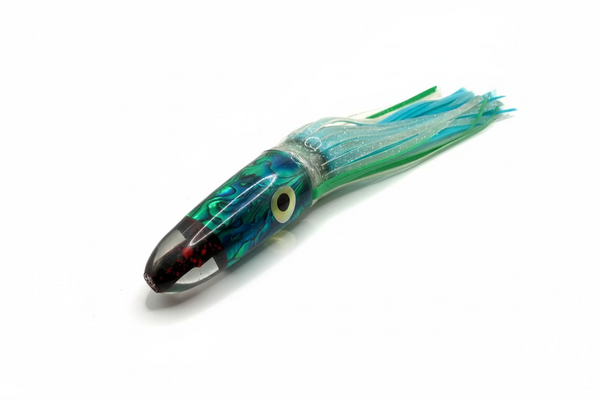
Flash matters, especially when fish are tracking from below or off-angle. Subtle flash can make a lure easier to find without turning it into a gimmick. Abalone-style finishes, when built right into a durable trolling head, can give off the kind of broken, shifting light that resembles a fleeing baitfish. In clear bluewater, that extra visual trigger can make the difference between a lazy follow and a hard switch.
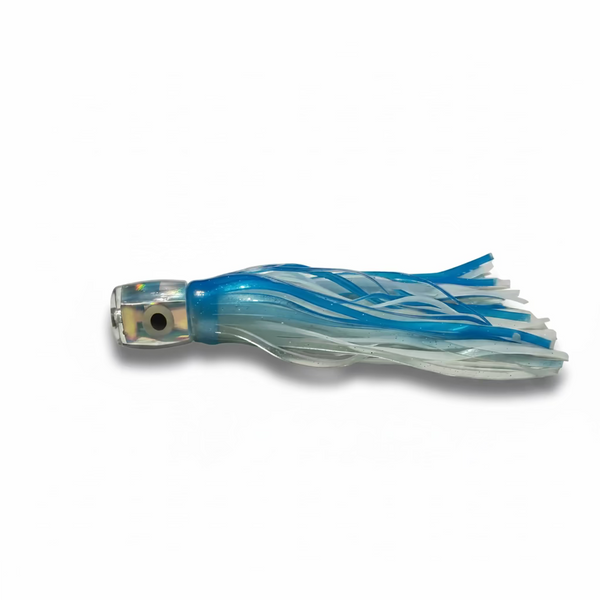
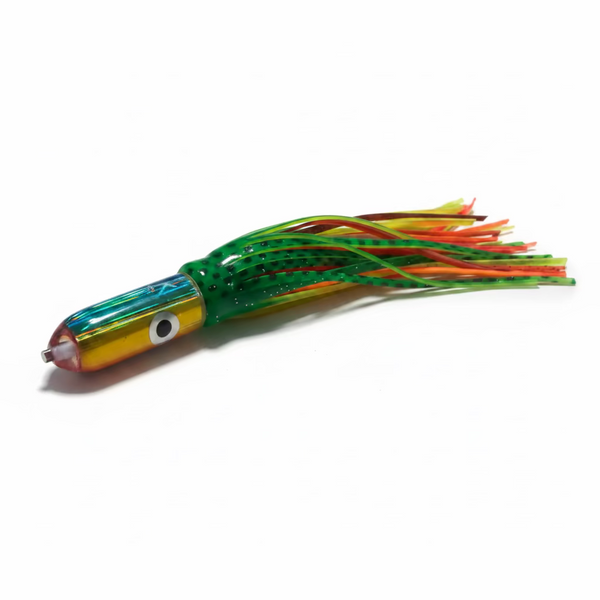
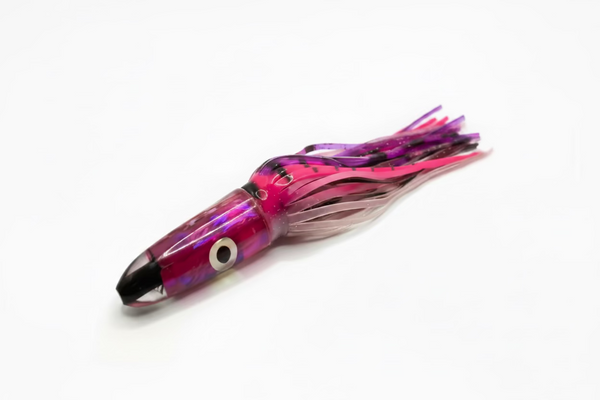
Color still has a place, but it should be treated as part of the picture, not the whole plan. Blue and white, black and purple, pink, green/yellow, and lumo variations all have their days. Bright conditions often favor clean contrast and reflective flash. Overcast skies or dirty water can reward darker silhouettes or louder color combinations. If your spread is getting looked at but not eaten, changing color is worth trying. If nothing is raising at all, start by checking action and placement first.
Trolling speed and lure action
Most marlin lure trolling happens in the 7 to 9 knot range, but that is not a rule carved in stone. Some lures hold better faster. Some sea conditions force you slower. The right speed is the one where your spread is running clean and each bait is cycling the way it was designed to cycle.
Watch every lure before you settle in. A proper marlin lure should not spin, blow out, or dive and stay buried. It should smoke, surface, and reset on rhythm. If one bait is misbehaving, move it before you blame the color or the moon phase.
Current and quartering seas change everything. A lure that runs perfectly on one side can wash out on the other. The answer is not always to pull it. Sometimes a small distance adjustment fixes it. Serious crews are constantly tuning, because a spread that is right at 8:00 a.m. may not be right by noon.
Rigging is where strikes get converted
You can raise marlin on plenty of lures. Converting those bites is where rigging quality separates tackle built to get strikes from tackle built to land fish.
Your hookset has to match the lure size and the way the head tracks. Too much hook can deaden action. Too little hook can cost you on the bite. Stiff rigs, loose rigs, single hooks, and doubles all have their place depending on local rules, crew preference, and fishery. What matters most is that the lure still runs correctly and the hook rides where it should.
Poor rigging shows up fast offshore. Chafed leaders, weak crimps, soft skirts, and hooks that do not stay aligned will eventually cost you fish. Marlin hit with speed and violence. Tackle for them needs to be built for pressure, not shelf appeal.
This is where many experienced crews get selective about what they pull. A handcrafted, USA-rigged marlin lure with dependable hardware and a head shape that tracks true takes a lot of guesswork out of the spread. That matters when the window opens and you get one real shot.
Adjusting for blue marlin vs striped or white marlin
If you are specifically targeting blue marlin, your spread can usually lean bigger and louder. Bigger fish are comfortable attacking larger meals, and heavy heads with strong smoke trails often fit that profile well. You still need clean action, but your pattern can carry more aggression.
For striped marlin or white marlin, scaling down often makes sense. Smaller to medium lures with quicker, cleaner action can be a better fit, especially when the fish are feeding on smaller bait. Pulling oversized heads just because they look impressive is a common mistake.
The point is simple. Match the lures to the fish you expect, not the fish you hope for.
Common mistakes when targeting marlin with lures
The biggest mistake is running lures you have not actually watched. If you cannot describe how each bait is cycling, you are trolling blind. The second mistake is overcrowding the spread with too many similar lures. A marlin spread should show variety in profile and behavior, not five copies of the same thing.
Another problem is changing everything at once. If fish are raising and not committing, make one adjustment at a time - color, then position, then lure size or head style. That is how you learn what the fish are telling you. Random changes just burn time.
A final mistake is assuming expensive means effective. Offshore anglers know better. What matters is whether the lure holds at speed, tracks true, flashes naturally, and stays together under pressure. If it does those jobs, it belongs in the spread.
Marlin fishing rewards anglers who pay attention to details that look small until they are not. One clean lure, in the right position, running the right cycle, can outfish a whole spread of average tackle. Skip the guessing, tune every bait with intent, and give the next fish that shows up something worth eating.