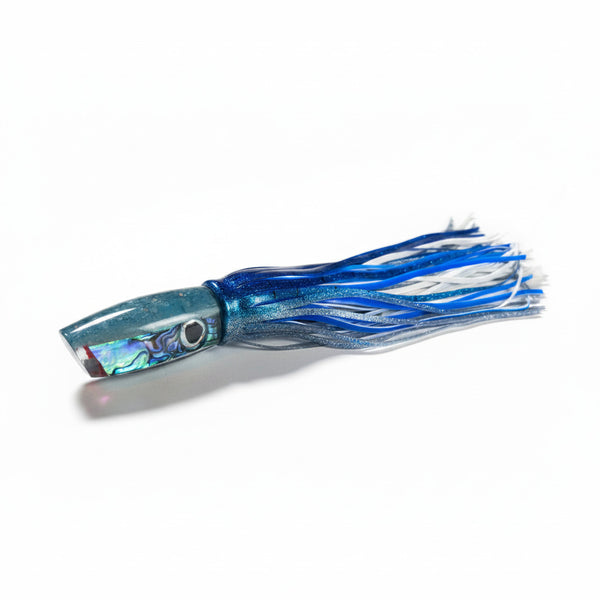
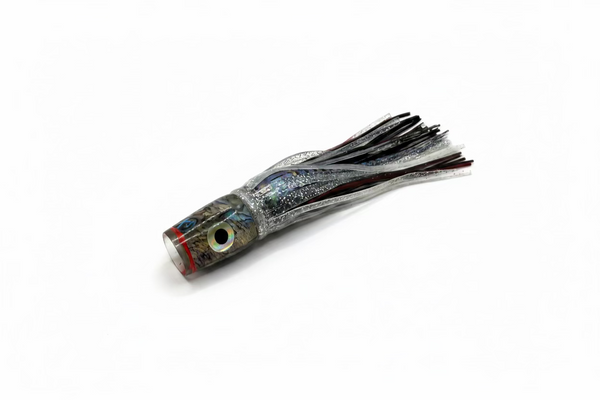
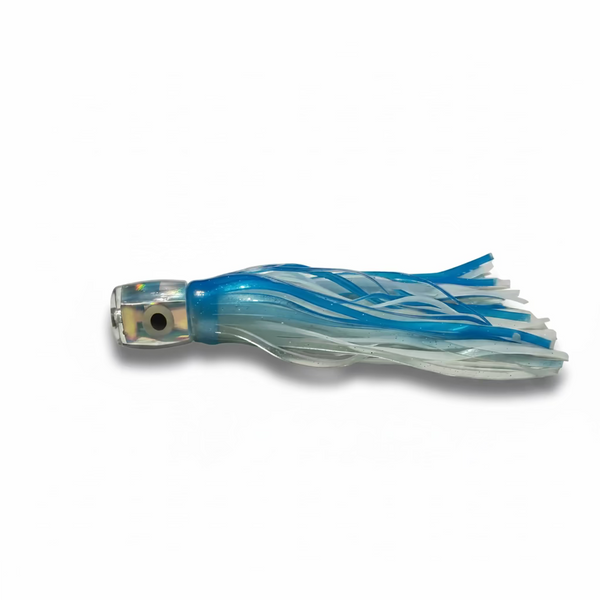
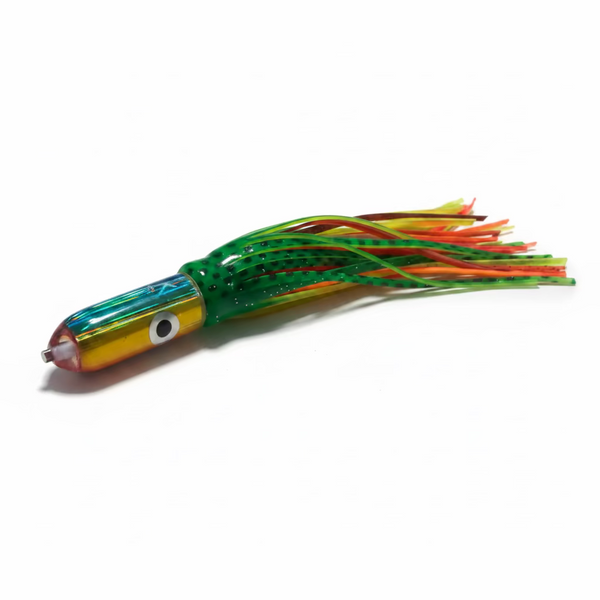
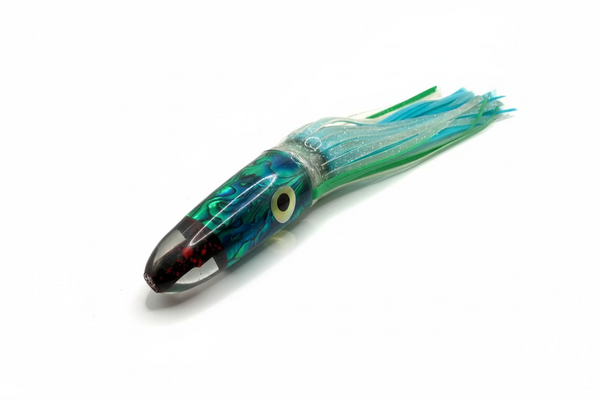
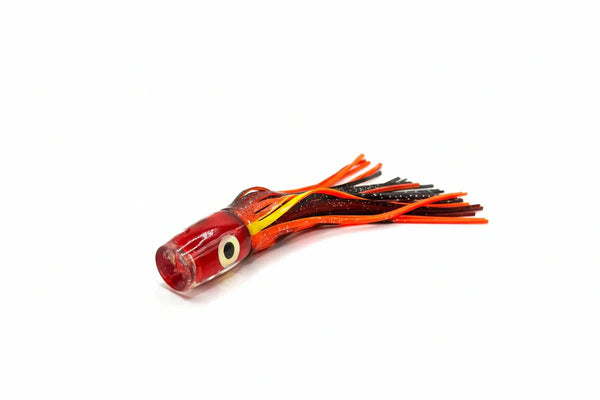
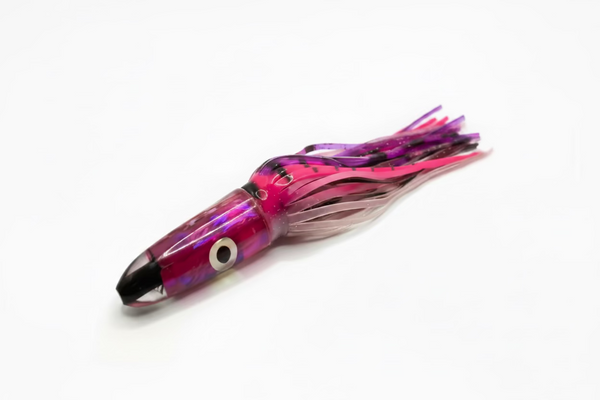
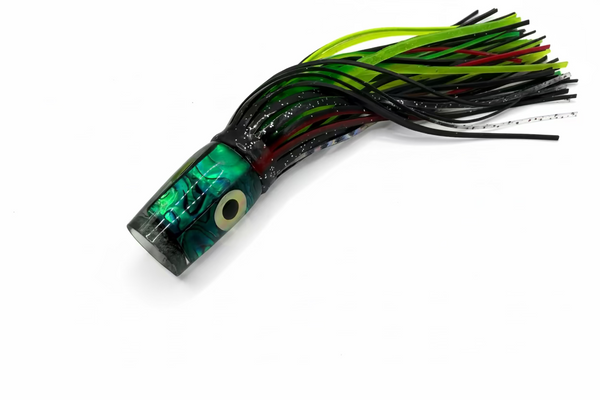
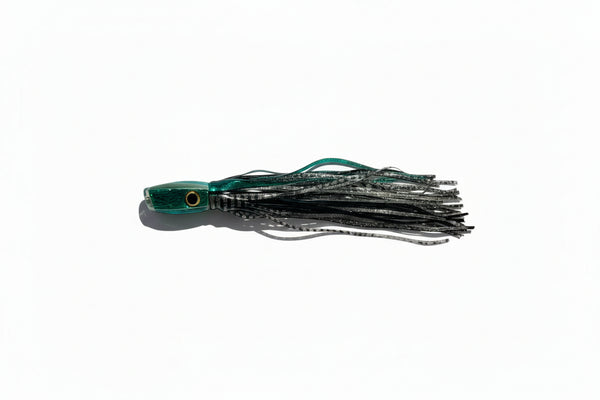
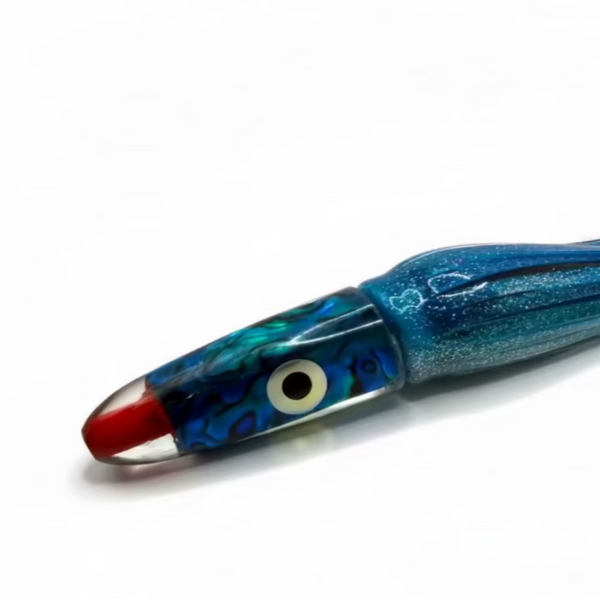
The difference usually shows up before the bite. One lure tracks clean in the wash, holds its position at speed, and throws a consistent smoke trail. Another spins, blows out, or looks dead the second the sea gets uneven. That gap is exactly why handcrafted trolling lures still matter offshore.
For serious bluewater anglers, lure choice is not about collecting pretty heads. It is about getting a bait to run right, stay right, and keep producing through long days of trolling in changing water, wind, and current. Factory output can fill a tackle tray. A well-built handcrafted lure earns a permanent spot in the spread.
What separates handcrafted trolling lures
The short answer is control. When a lure is built by people who understand offshore trolling, every detail gets checked with performance in mind - head shape, weight balance, resin finish, skirt fit, hook alignment, and how the lure tracks across a range of speeds.
That matters because pelagic fish do not care how a lure looked in the package. Tuna, marlin, wahoo, and mahi respond to movement, flash, profile, and consistency. If the lure does not swim correctly, the rest of the sales pitch does not matter.
A handcrafted lure also tends to be more intentional in its design. Instead of chasing broad appeal, it is usually built around a job. Maybe that job is holding straight in a short corner position. Maybe it is smoking clean on a long rigger. Maybe it is running fast for wahoo without washing out. Good lure design starts there.
Action is not an accident
Offshore anglers talk a lot about action, and for good reason. The best lure in a spread is usually the one that looks alive without looking erratic. It should dive, breathe, pop, or smoke in a repeatable rhythm that fits the position it is being fished in.
That rhythm comes from shape and balance. Bullet-style heads are built for speed and stability. Slant faces can give you a more aggressive surface cycle. Larger resin heads often create a heavier presence in rougher water and bigger profiles for marlin or larger tuna. If the lure is poorly made, those intended traits fall apart quickly.
Handcrafted lures have an advantage here because they are usually built with tighter attention to head symmetry, resin consistency, and rigging alignment. Those details are easy to overlook until a lure starts tracking off-center or twisting in the spread. Once that happens, your presentation breaks down.
There is a trade-off, of course. Not every handcrafted lure is automatically better than every mass-produced option. Poorly designed custom tackle still runs poorly. But when the builder knows offshore systems and tests for real trolling conditions, hand-built quality usually shows up where it counts - in the water, not just in the finish.
Flash matters, but only when it is controlled
A lot of offshore lure marketing leans on color names and shiny finishes. Serious anglers know flash only helps when the lure already has clean action. Too much visual noise on a lure that does not track properly is wasted effort.
This is where premium materials and finish work can make a real difference. Resin heads with abalone inserts or printed patterns can create a stronger visual trigger, especially when they throw light from different angles as the lure cycles. That added flash can help in clear water, bright conditions, or when fish are tracking from below.
But again, it depends on the application. Wahoo may react hard to speed, flash, and a sharp profile. Tuna can be selective and respond better to a lure that stays disciplined in the lane with a subtle but steady smoke trail. Marlin often give you more time to see how a lure breathes and recovers. The best handcrafted trolling lures are built to match those differences instead of pretending one lure solves every offshore problem.
Rigging quality decides whether a bite turns into a fish
A lure can look perfect and still fail where it matters most. Offshore fishing punishes weak rigging fast. Chafed leaders, poor hook alignment, soft components, and inconsistent assembly all show up under pressure.
That is one reason experienced anglers pay attention to how a lure is rigged, not just how it is painted. USA-rigged construction, quality leader material, properly matched hooks, and clean crimps are not cosmetic upgrades. They are the difference between a lure that gets bit and a lure that actually stays connected.
This is especially true when you are trolling for fish that hit hard and keep moving. Wahoo expose weak points immediately. Big tuna do the same in a different way, with long drag-heavy fights that test every connection. Marlin give you violent surface chaos followed by angle changes and shock loads. If the lure was built carelessly, it gets exposed in seconds.
A well-made handcrafted lure reduces those weak links. It does not guarantee every fish hits the deck. Nothing does. But it helps remove the kind of avoidable failure that costs good fish.
Why serious anglers build spreads around proven lure types
Good offshore fishing is rarely about one magic lure. It is about a spread that runs with purpose. That means mixing lure types that complement each other by position, speed, sea state, and target species.
A bullet striker has a clear role when you need a lure to run straight and fast. A medium resin lure may fit a tuna pattern where a consistent cycle matters more than wild surface action. A larger resin-coated head can hold presence in rougher water or pull more attention in a marlin spread. Teasers, squid chains, bird chains, and dredges add traffic and help create a system rather than a random lineup.
That system approach is where handcrafted tackle really earns its place. Instead of buying isolated pieces and hoping they work together, anglers can choose lures and spread components designed around real offshore use. That cuts down on guesswork and helps you build a spread with specific jobs assigned to each position.
For charter crews and tournament anglers, that matters even more. Time on the troll is expensive. You need lures that settle quickly after turns, hold their lanes, and keep working through changes in speed and sea conditions. That is not a luxury feature. It is baseline performance.
Handcrafted does not mean delicate

Some anglers hear handcrafted and think collectible. Offshore tackle does not have that luxury. If a lure cannot handle sun, salt, speed, and repeated strikes, it does not belong in a serious spread.
The better handcrafted lures are built for abuse. Resin coatings protect finishes. Strong head construction helps the lure hold up over time. Quality skirts resist tearing and washout better than cheap material. Properly assembled rigs stand up to repeated use instead of becoming a one-trip experiment.
Durability also affects confidence. When you trust a lure to keep running right after multiple bites, you fish it longer and fish it harder. That means fewer mid-day substitutions and less second-guessing every time the spread looks quiet.
Choosing handcrafted trolling lures for your fishery
The right lure still depends on where and how you fish. There is no point pretending otherwise.
If you are targeting wahoo, you want heads that stay clean at higher speeds and rigging that can take violent strikes. If your focus is tuna, consistency across multiple sea conditions matters more than exaggerated action. For marlin, lure size, smoke, profile, and corner placement become bigger parts of the equation. Mahi will often give you more flexibility, but that does not mean any lure will do.
Water color matters. So does light. So does whether you are pulling a tight five-lure spread or a larger pattern with teasers and dredges. Even the same lure can be excellent in one position and average in another.
That is why anglers who want results tend to buy from tackle brands that organize products by application instead of hype. At K2Fishing, the appeal is straightforward: handcrafted offshore lures and spread components built to get strikes, rigged to hold up, and selected around real bluewater use.
The best tackle does not remove all trial and error. Offshore fishing will always make you adjust. But the right handcrafted lure puts you much closer to starting with a bait that already has the shape, flash, rigging, and track record to earn its place.
When the spread settles in and one lure keeps smoking right, holding clean, and getting seen by the right fish, you stop caring whether it was mass produced or hand finished. You care that it works. The reason serious anglers still choose handcrafted trolling lures is simple - offshore is too demanding to waste time on tackle that only looks good in the boat.