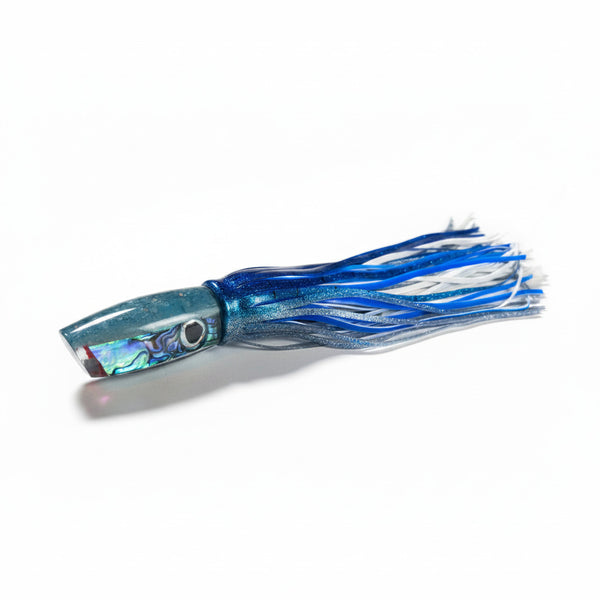
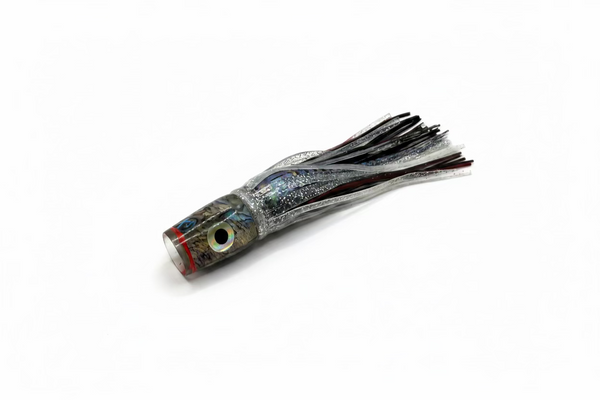
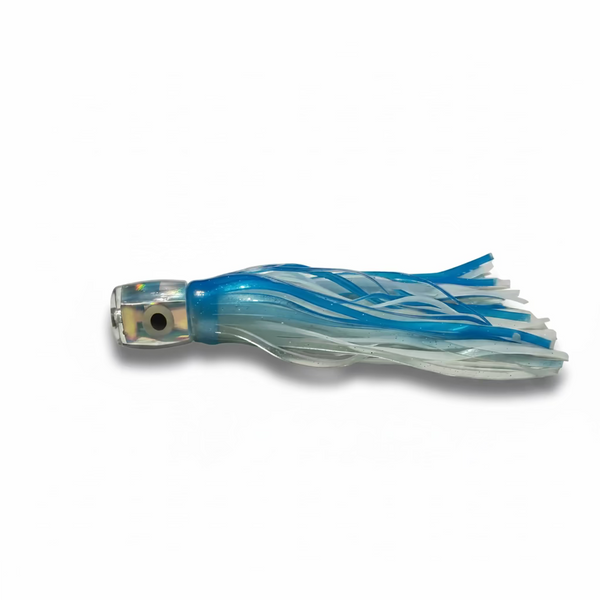
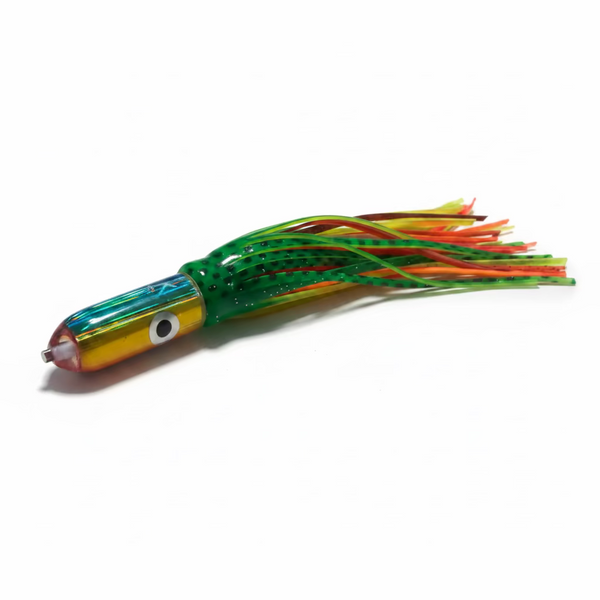
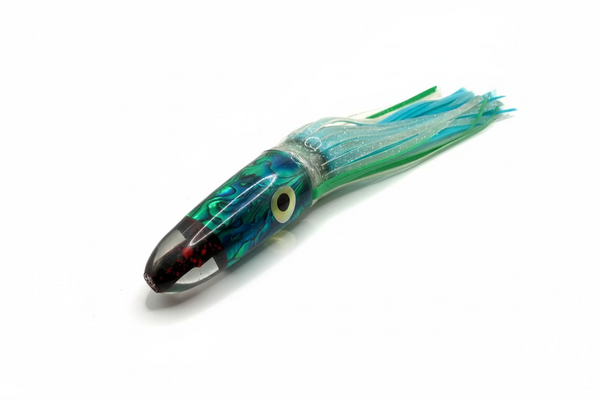
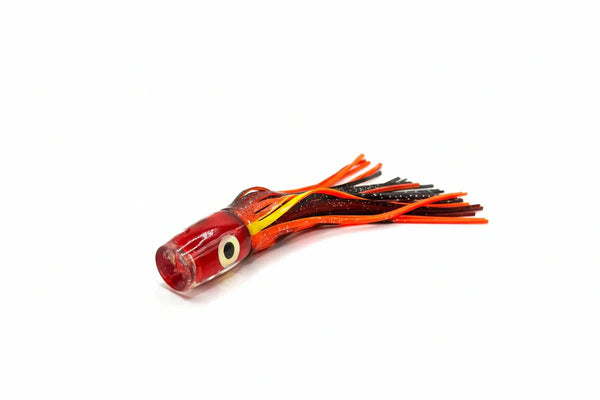
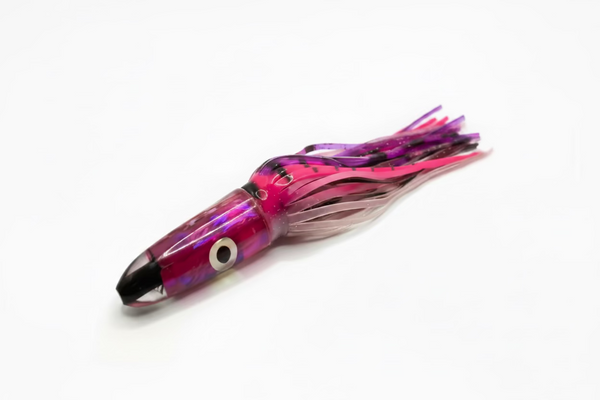
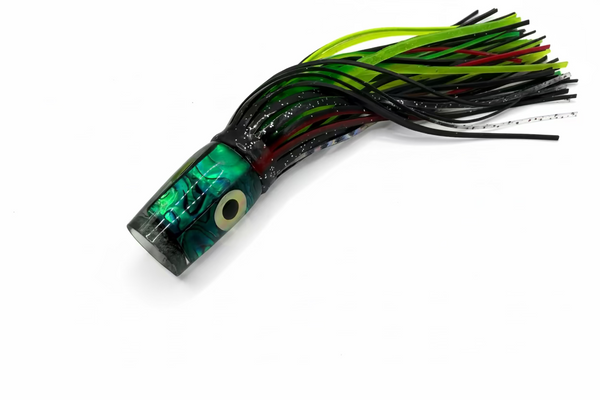
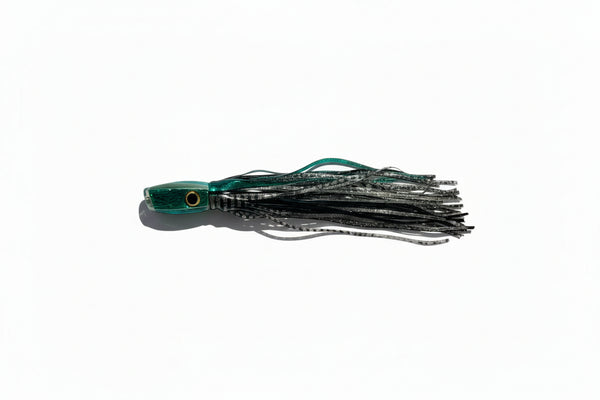
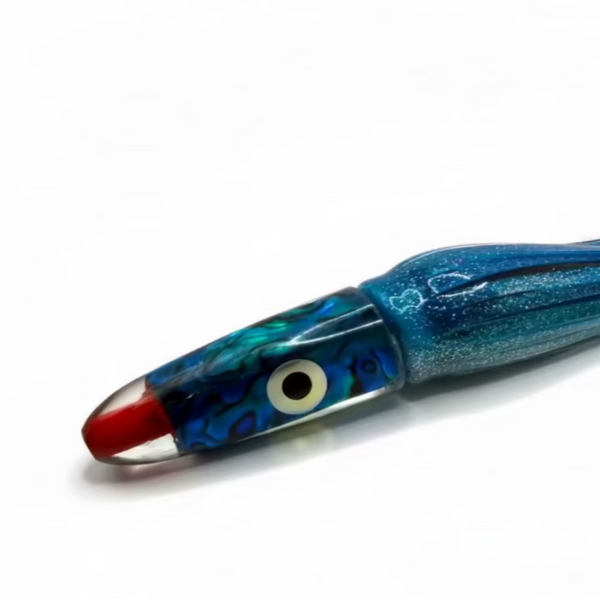
A bird chain that tracks straight, throws the right surface commotion, and sits in the correct lane can raise fish from a long way off. That is the whole point of learning how to run bird chains offshore. Done right, they are not just extra hardware in the spread. They are fish-calling tools that add noise, flash, and surface activity where predators expect to find fleeing bait.
A lot of anglers make the same mistake with bird chains. They either run them too close, too far back, or in positions where they foul cleaner baits. The result is a spread that looks crowded, drags badly in rough water, or pulls attention away from the lure that is supposed to get eaten. Bird chains work best when they support the spread, not dominate it.
What bird chains are really doing in your spread
Bird chains are visual attractors first. The birds splash, skip, and track across the surface, giving pelagic fish the impression that bait is scattering. That surface disturbance helps when you are trolling open water for tuna, mahi, and billfish, especially when the fish are covering water and looking up.
They are not usually your primary hook bait. In most cases, the bird chain is there to pull fish into the pattern and toward your trailing lure, shotgun, flat line, or short rigger bait. Think of it as a teaser with reach. It broadens the footprint of your spread and gives fish one more reason to investigate.
That matters most on slower days, in clean water, or when fish are window-shopping behind the boat without committing. A properly run bird chain can turn weak lookers into hard turns on a lure behind it.
How to run bird chains offshore without hurting your spread
The key is placement. Bird chains need enough room to work on the surface, but not so much room that they wander into your other lines or pull outside the pattern. Most crews run them from the riggers, corners, or dedicated teaser reels, depending on boat size and how aggressive the full spread is.
If you are fishing a smaller center console, one bird chain is often enough. Put it where it can make noise without tangling a productive lane. On a larger offshore setup, two bird chains can balance the spread well, especially when paired with clean-running lures behind the prop wash.
Distance is where most setups go wrong. Too short, and the chain gets lost in the boat wash. Too far back, and it becomes one more thing fish inspect without finding the real target. In general, bird chains should run ahead of your intended bite bait or in a clear surface lane where they can be seen and heard. They are there to create commotion in front of the meal, not replace it.
Match placement to species and sea conditions
For mahi and school tuna, you can often get away with running bird chains a little more aggressively in the visible part of the spread. Those fish will charge surface activity fast. For marlin, especially in cleaner water, the bird chain often works best when it teases attention toward a more defined trailing bait. For wahoo, the equation changes. At higher speeds, some bird chains lose their clean action or skip too hard, so lure durability and tracking matter more.
Sea state matters just as much as species. In calm water, bird chains show extremely well and can be run in cleaner lanes farther from the turbulence. In rough water, they need to stay in positions where they can keep skipping instead of blowing out, tumbling, or diving under. If they are cartwheeling, they are not helping.
Best positions for bird chains offshore
Short rigger and long rigger positions are the most common starting points because they give the chain enough width to stay visible while keeping it under control. From there, the exact lane depends on how many rods you are running and whether the bird chain is acting as a pure teaser or pulling a bait behind it.
If the chain is being used ahead of a lure, give the trailing lure enough clean water so it can breathe and swim naturally. You want separation between commotion and strike target. If the lure is buried directly in the chain's spray with no definition, the fish may track the noise but never key in on the hook bait.
Corner positions can also work, especially on boats that like a tight pattern close to the wash. The trade-off is that corners are already busy lanes. Add too much hardware there and you increase the chance of fouling during turns or in sloppy following seas.
A shotgun bird chain is less common and usually not the best starting point. It can work in very specific situations, but most of the time your shotgun is better left clean and simple so it can pick off fish sliding in behind the spread.
Teaser only or bird chain with a lure behind it?
Both can produce. A teaser-only bird chain keeps the spread cleaner and is easy to clear when a fish piles on a nearby rod. This is a strong option for crews that already know where their bite baits belong and just want more surface attraction.
Running a lure behind the chain can be deadly when the spacing is right. The bird chain gets attention, and the trailing lure becomes the obvious target. That setup shines for tuna and mahi, and it can raise billfish when the lure behind it has the right smoke trail, flash, and head shape.
The gap between chain and lure is not something to guess at once and forget. Too tight and the lure gets lost. Too loose and the whole system stops looking connected. You want enough space that the lure looks like a straggler behind the commotion.
Rigging details that actually matter
Good bird chain performance starts with clean rigging. If the chain is twisted, uneven, or built with weak hardware, it will not track properly at trolling speed. Serious offshore anglers already know this, but it is worth saying plainly - a sloppy teaser costs fish just as surely as a bad hookset.
Use rigging that matches your trolling speed and intended species. Strong connections, quality swivels, and consistent spacing between birds keep the chain from spinning and washing out. If you are running a lure behind it, the leader and terminal setup need to let that lure swim independently rather than dragging stiffly in the chain's turbulence.
Color also has a role, but not the role some anglers give it. Action and visibility matter more than overthinking paint schemes. In blue water, clean contrast, flash, and surface disturbance usually beat gimmicks. When the spread is working, fish are responding to the whole picture.
Common mistakes when running bird chains
One of the biggest mistakes is using bird chains where a cleaner teaser would be better. If the water is rough and the chain cannot stay stable, forcing it into the spread just adds clutter. Another mistake is running too many attractors and not enough defined bite baits. Fish need something to eat, not just something to inspect.
Turning is another problem area. A bird chain that behaves well in a straight line may cut across other lanes in a hard turn, especially if it is set too far back or too far outside. If your spread tangles every time you adjust course, your positioning is off.
There is also the temptation to treat every offshore day the same. Some days bird chains are a major asset. Other days a simpler spread with fewer teaser elements gets cleaner bites. The right answer depends on boat size, sea state, target species, and how fish are reacting behind the transom.
When bird chains shine the most
Bird chains are at their best when you need more surface presence without committing to a full teaser-heavy program. They help on days when bait is scattered, fish are spread out, or you want to give the spread a bigger footprint while still keeping things fishable for a small crew.
They are especially useful for mixed-bag offshore days. If you are trolling areas where tuna, mahi, and billfish are all realistic possibilities, a bird chain can add enough commotion to bring different species into the same pattern. That flexibility is why they stay in so many serious bluewater spreads.
If you want one rule to keep in mind, it is this: bird chains should make your best lures easier to find. That is how to run bird chains offshore with purpose instead of just dragging extra splash behind the boat. Keep them clean, keep them controlled, and let them do the job they were built to do - raise fish and drive them into the strike lane.