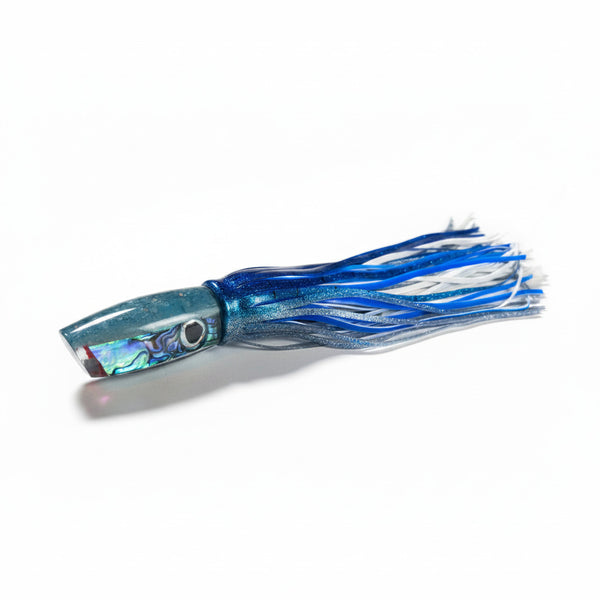
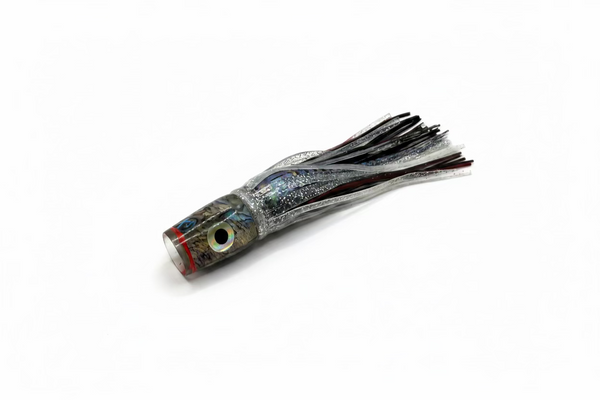
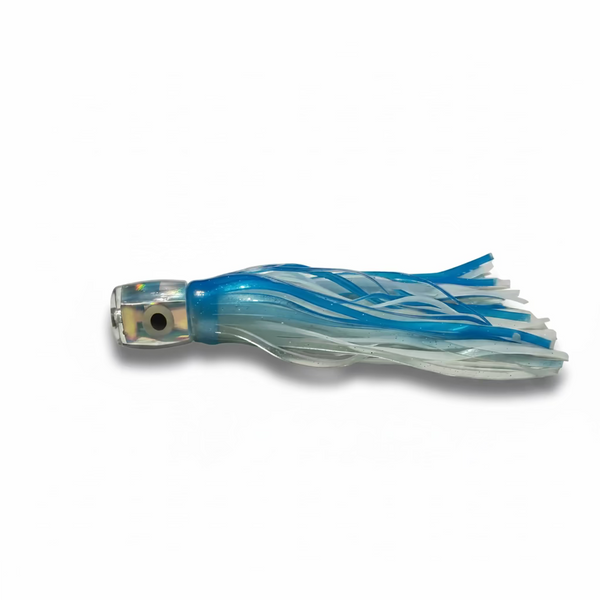
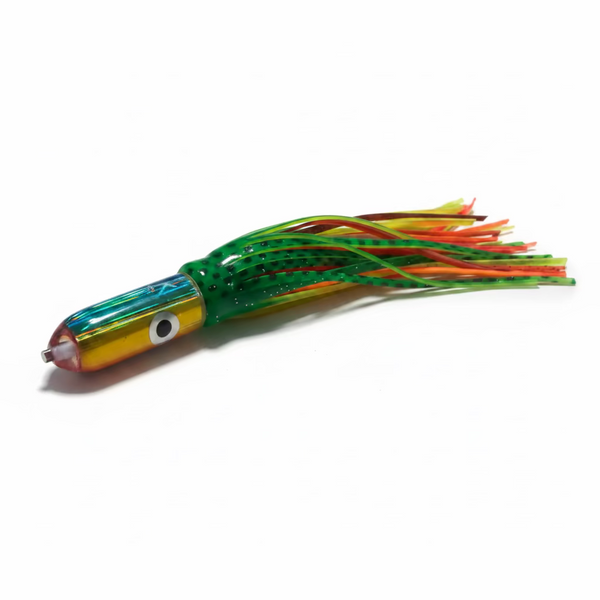
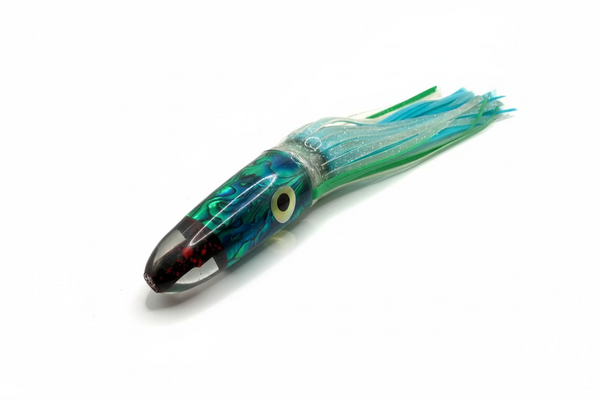
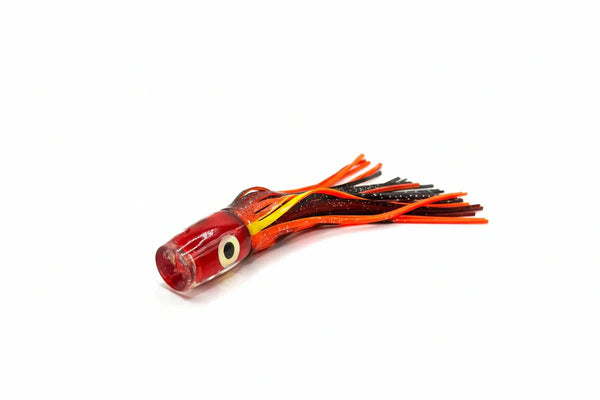
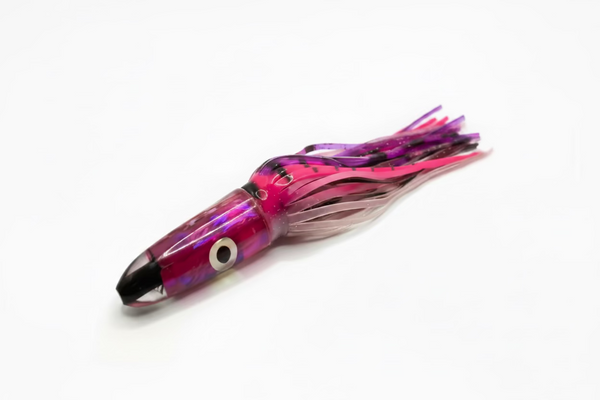
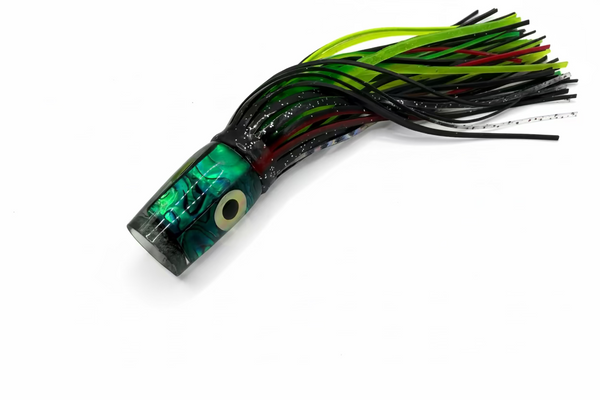
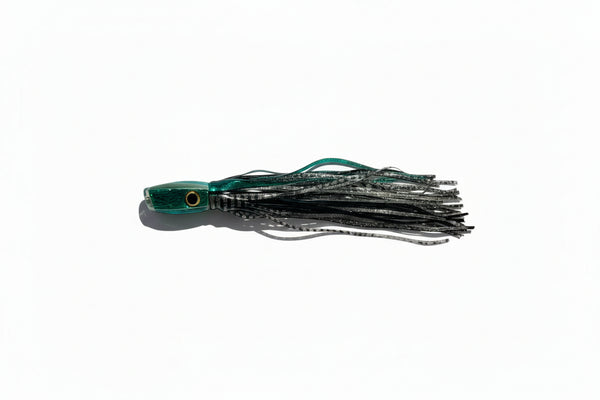
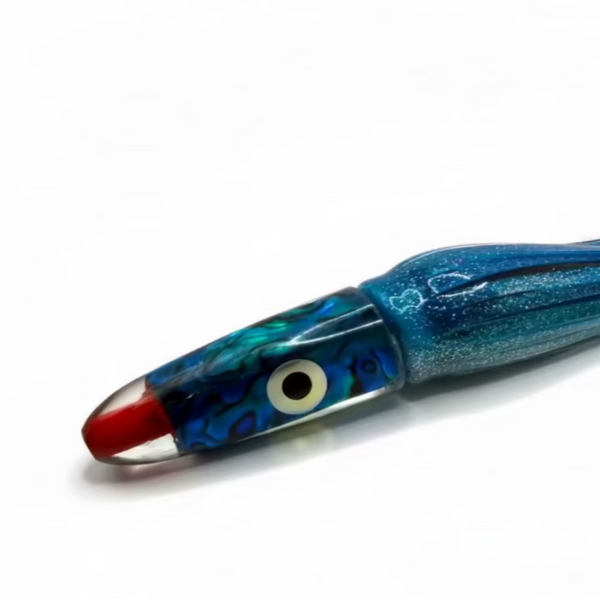
When a spread looks dead, the problem is not always your long rigger lure or your shotgun. A lot of times, it is the water between them. An offshore bird chain teaser fills that gap with commotion, flash, and surface disruption that gets fish up and moving. For anglers targeting tuna, mahi, marlin, and even wahoo, it can be the difference between trolling clean water and pulling a spread that actually raises life.
What an offshore bird chain teaser is really doing
A bird chain teaser is not there to get bit the way a primary trolling lure is. Its first job is to create a visual event in the spread. The birds throw spray, skip hard, and track straight when rigged correctly. Behind them, squid, soft plastics, or small teaser bodies add shape and rhythm. That combination looks like fleeing bait on the surface, and pelagic fish key on that fast.
The best offshore bird chain teaser setups do two things at once. They create enough noise and surface action to pull fish from outside the lane, and they stay predictable at trolling speed so they do not foul everything around them. That second part matters more than a lot of anglers think. If a teaser blows out, spins, or crosses into your short corner every time the boat turns, it is not helping your spread.
Why serious offshore anglers use bird chains
This is a spread tool, not a gimmick. In clean blue water, especially when bait is scattered or fish are reluctant to commit, a bird chain gives predators something easy to find. It raises fish by adding motion above the surface where they can spot it from a distance. Once they come in, your actual lures close the deal.
That matters most on days when you are marking fish or seeing occasional free jumpers but not getting clean bites. A flat spread with no extra commotion can look too sparse. Add a well-placed bird chain teaser and the whole picture gets more aggressive.
For mahi, this can be especially effective because they are curious and often rush surface commotion fast. For school tuna, a bird chain can pull packs into the pattern and hold their attention long enough for them to switch to a stinger or bullet. For marlin, it depends more on the day and the rest of the spread, but surface chains can still help raise fish into your short positions.
Where an offshore bird chain teaser belongs in the spread
Most crews get better results when they fish a bird chain from the short rigger, long flat, or another outside position where it can work without tangling with primary lures. Placement depends on your spread width, sea state, and how much gear you are already pulling.
If you run a tighter spread, keep the teaser out where it has room to breathe. If you run a wider pattern with dedicated teasers and dredges, the bird chain can sit closer to the prop wash and act like a visual bridge between heavy commotion and your outer lures.
The key is separation. You want the birds skipping clean, not crashing into your corners or dropping back into a bait. Too close and the spread turns messy. Too far back and the teaser loses influence on the main strike zone.
Short versus long positions
A shorter position gives you more aggression in the center of the spread, which can be useful when fish are lazy or not climbing well. The trade-off is control. In rough seas, a short bird chain can get wild.
A longer outside position is cleaner and often easier to manage. It lets the teaser work as an attractor without overpowering the rest of the spread. For many crews, that is the better everyday setup.
Best conditions for fishing bird chains
Bird chains shine when you need surface presence. Calm to moderate conditions are usually ideal because the birds can track and skip the way they are supposed to. In that range, they throw enough spray to stand out without constantly tumbling.
In rough water, they can still work, but build quality and rigging matter more. Cheap hardware, weak crimps, or poorly balanced birds start showing problems fast when the sea gets up. A premium, USA-rigged teaser with clean spacing and durable components is worth it here because offshore tackle gets exposed immediately when it is not built right.
Water clarity also plays a role. In bright blue water with sunlight on top, flash and surface noise carry well. In dirtier water, the teaser may need to be closer to the core of the spread so fish have a better chance of finding it.
What species respond best
Tuna and mahi are usually the easiest sell for an offshore bird chain teaser. Both species respond to speed, flash, and bait-like surface activity. If you are trolling for yellowfin, blackfin, school bluefin, or mahi around current edges and floating debris, a bird chain often helps fish commit to the area.
Wahoo are a little different. They will absolutely respond to commotion, but they are often more speed-driven and more likely to slash through the spread unpredictably. That means a bird chain can help raise them, but your actual bite leaders, lure placement, and trolling speed still matter more.
Marlin are the classic “it depends” species here. Some days, extra surface action helps pull them into the spread. Other days, a cleaner, less cluttered presentation gets a better look. If you are specifically marlin fishing with a refined pattern, a bird chain should support the spread, not dominate it.
How to tell if your teaser is helping or hurting
A productive bird chain runs straight, skips consistently, and adds visible life without dragging the rest of the spread out of position. If your mates are constantly clearing tangles, resetting the same teaser, or watching it spin on every turn, it is costing you fishing time.
Watch the chain on the troll, not just when you first set it. Good action should stay good through speed changes, quartering seas, and light turns. You want repeated, controlled skipping with enough spray to be seen but not so much drag that it submarines.
One overlooked sign of a useful teaser is fish behavior around it. If fish repeatedly show behind the chain, track inward, or rise under it before switching lanes, it is doing its job. If they avoid the area or the spread feels confused, placement or size may be off.
Size and aggression need to match the day
More teaser is not always better. On a heavy bite with aggressive fish, larger birds and louder chains can be perfect. On pressured fish or clear, calm days, a smaller profile may look more natural and keep the spread from feeling overbuilt.
This is where experienced crews separate themselves. They do not just pull hardware. They match visual pressure to the conditions.
Rigging quality matters more offshore
A bird chain looks simple until it starts failing at eight knots in a head sea. Offshore spread components take a beating. Birds slap, chains jerk, and hardware gets constant shock load. Weak swivels, poor crimps, soft plastics that tear early, and cheap terminal connections all show up fast.
That is why serious anglers pay attention to construction. Clean rigging, strong leader material, balanced spacing, and durable teaser bodies are not marketing details. They are the difference between a spread piece you trust and one you keep replacing.
For a premium offshore brand like K2Fishing, that matters because spread components have to fish as hard as the lures around them. If a teaser cannot hold its action and survive a season, it does not belong in a serious bluewater program.
When to leave the bird chain out
There are days to skip it. If you are running a smaller crew, tight cockpit, and already have enough gear in the water to make turns complicated, adding another teaser can work against you. The same goes for very rough conditions where control becomes the bigger issue.
It can also be the wrong fit when your spread already has enough visual load from dredges, bars, and aggressive short teasers. In that case, another surface chain may not add much. It may just create another thing to manage.
The point is not to run an offshore bird chain teaser because it looks impressive. Run it when it adds a clear job to the spread.
Making it earn its place
A good bird chain is built to get strikes indirectly. It raises fish, sharpens the visual picture, and gives your spread more authority on the surface. But like any offshore tool, it has to be deployed with purpose. Size, placement, sea state, target species, and rigging quality all change the result.
If your spread needs more life and you want a teaser that can pull attention without asking for guesswork, a well-rigged bird chain is one of the most practical upgrades you can make. Fish it clean, watch how predators react, and let the spread tell you when it is working.