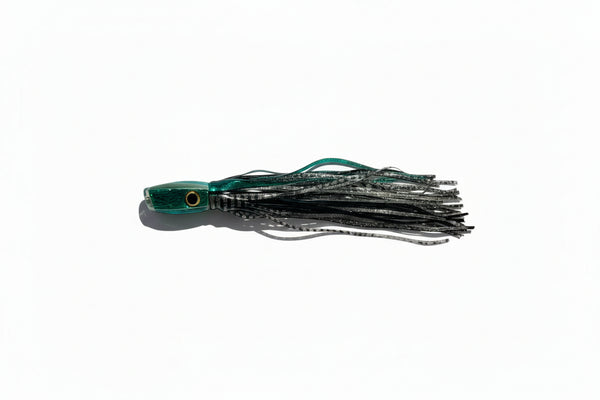
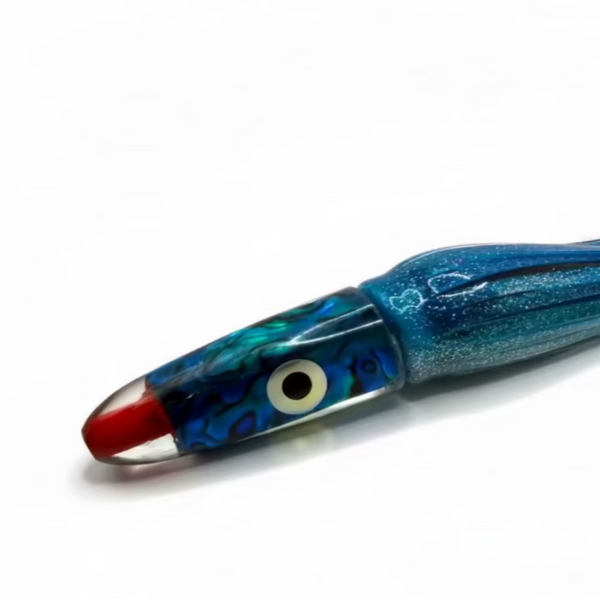
A daisy chain that spins, fouls, or tracks sideways is not raising fish for long. If you want to know how to rig a daisy chain for real offshore use, the goal is simple: build a teaser that runs straight, stays clean at trolling speed, and gives pelagic fish something they want to charge.
For tuna, mahi, marlin, and even aggressive wahoo, a good daisy chain creates the look of a small school in trouble. That is what gets attention in the spread. But the details matter. Head size, body spacing, line stiffness, hook placement, and where you run it behind the boat all change how the chain performs.
What a daisy chain is supposed to do
A daisy chain is not just extra plastic in the water. It is a visual trigger. Several squids, birds, or small teaser bodies rigged in sequence create commotion, flash, and the impression of bait moving with purpose. When it is done right, it pulls fish up from below and pushes them into your strike lures.
That also means a daisy chain is not always the bait you expect to get eaten. In many spreads, it works best as a teaser with no hook at all, or with a single stinger only in the last bait. If you hook every position in the chain, you add drag, increase tangles, and make the whole system fish worse. Serious offshore rigging is about control, not just adding hardware.
How to rig a daisy chain for clean action
The simplest and most effective setup uses a heavy leader, several unhooked teaser bodies, and one terminal bait or lure at the end. Most offshore anglers rig daisy chains with 250- to 400-pound mono, depending on the size of the chain and what species they are targeting. Heavier mono keeps the chain from collapsing on itself and helps it track straighter.
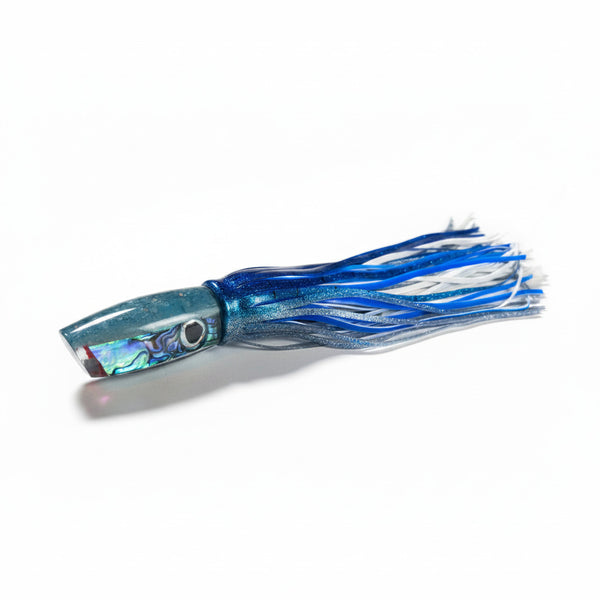
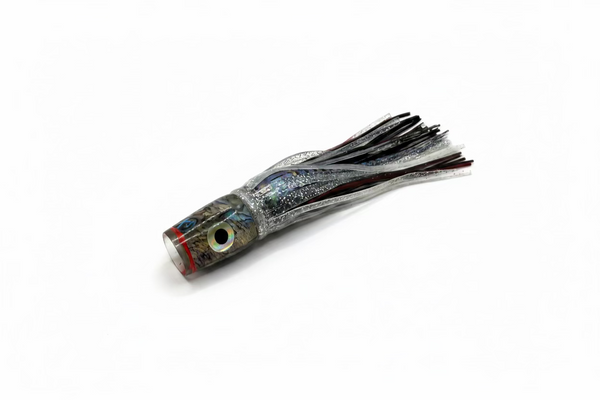
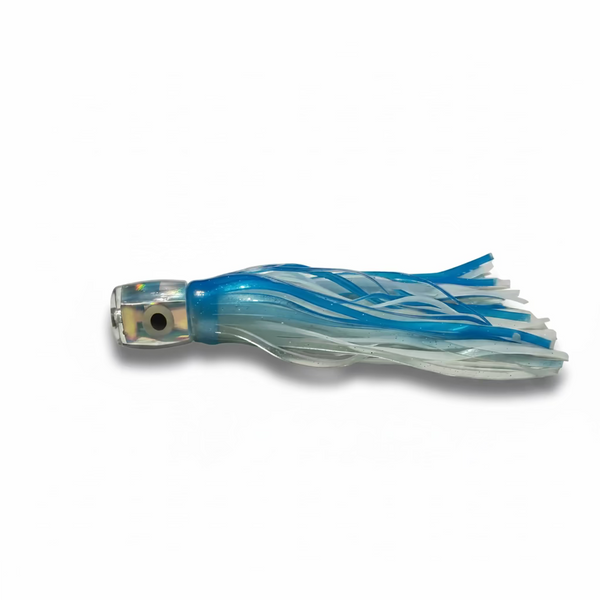
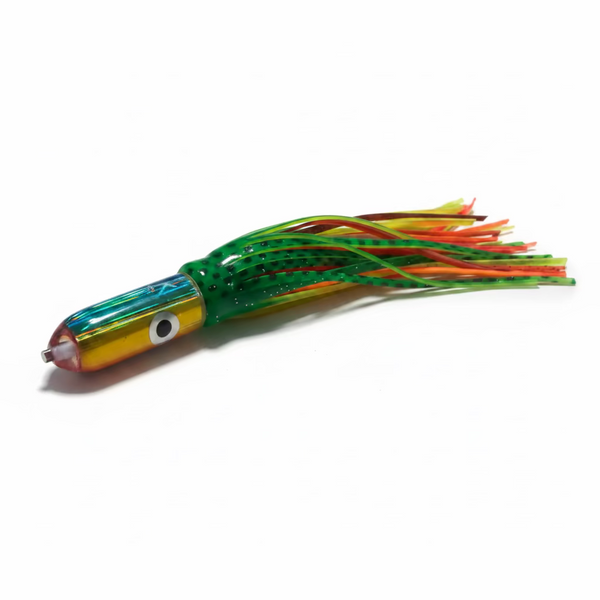
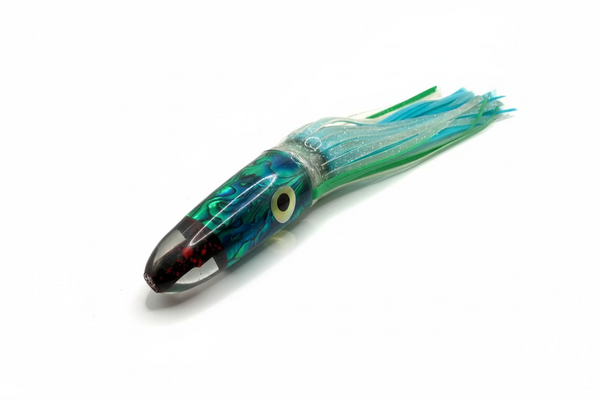
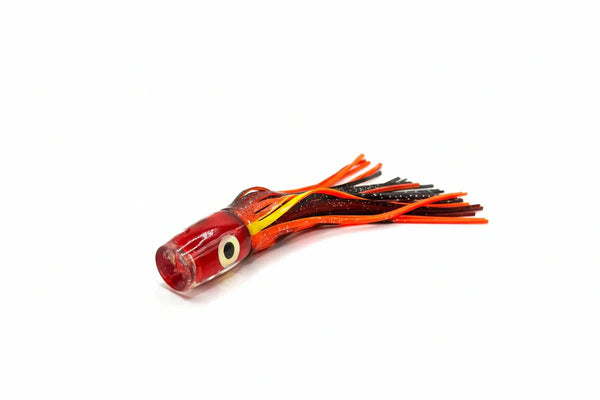
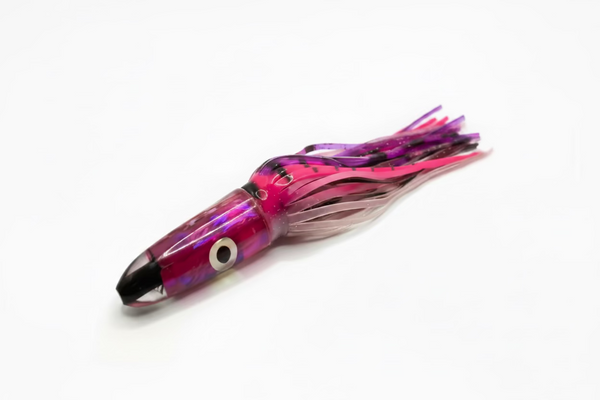
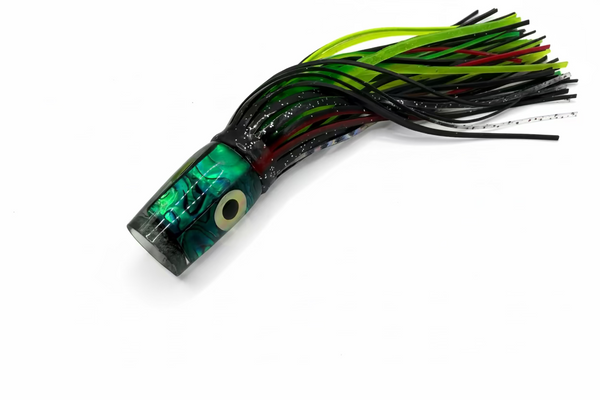
Start with your lead teaser. If you are using a bird, it goes at the front to create surface commotion and smoke. If you are using a squid chain with no bird, the first squid becomes your visual lead. From there, space each teaser body evenly down the leader. Around 8 to 14 inches between squids is a common range, but it depends on size. Smaller squids can be closer. Larger bodies need more room so they do not foul or stack up at speed.
The last position is where you make a decision. You can finish the chain as a pure teaser with a larger squid or lure head and no hook, or you can rig a stinger bait that is meant to get bit. For marlin and tuna spreads, many crews prefer a clean teaser chain and put the actual hooks in nearby trailing lures. For mahi or smaller tuna, a hooked stinger on the end can be productive if it still runs true.
The gear that makes the difference
Cheap components ruin good rigging. Offshore tackle gets punished by speed, UV, head shake, and repeated wash exposure, so every part of the chain needs to be chosen with trolling performance in mind.
Mono is the backbone. Too light and the chain kinks, folds, and tangles. Too heavy and you can make a smaller chain look stiff and unnatural. For most medium offshore chains, 300-pound mono is a strong starting point.
Crimps need to match the leader perfectly. A sloppy crimp slips or weakens the line. A crushed crimp can cut mono under pressure. Use double-barrel crimps sized correctly and finish them with clean flare on each end.
If you want more surface disturbance, add a bird in front. If you want more flash and bait profile, stack multiple squids or small resin teaser heads. If you are building a chain for heavier trolling speeds or rougher water, stiffer components usually hold shape better than softer ones.
The terminal end matters most. If you finish with a lure head, make sure it complements the chain rather than overpowering it. If the end bait is too large, the chain can stop looking like a school and start looking like a bad connection of mismatched parts.
Hooked vs unhooked daisy chains
This is where rigging gets more specific.
If your daisy chain is meant to raise fish into a pattern spread, keep it unhooked. That is the cleanest setup and usually the best-performing one at speed. You get less drag, fewer tangles, and better teaser action. This is especially useful when you are targeting blue marlin or running a disciplined offshore spread where your hook baits are already placed with purpose.
If your goal is to convert opportunistic strikes from mahi, school tuna, or mixed pelagics, a hooked stinger can make sense. In that case, place a single hook or a properly aligned double-hook rig only in the last bait. Keep it centered and balanced so the final lure tracks straight behind the teaser chain.
Do not try to turn every daisy chain into both a teaser and a heavy-duty strike lure. That usually gives you a setup that does neither job well. It depends on the species, sea state, and how the rest of your spread is built.
Best spacing and length for offshore trolling
Most effective daisy chains run between 3 and 7 teaser bodies. Less than that and you lose the schooling effect. More than that and the chain can become hard to manage, especially in turns or when clearing lines quickly.
For smaller tuna and mahi applications, 4 to 5 squids with moderate spacing is a dependable range. For marlin teasers, a larger bird-and-squid chain or a more aggressive terminal lure can add enough visual punch to bring fish up from deeper water.
Keep total chain length practical. If it gets too long, it becomes harder to deploy cleanly and more likely to foul when it lands. You want enough separation to create rhythm in the water, not a long rope of plastic dragging behind the boat.
Where to run it in the spread
A daisy chain is usually strongest from the short corner, long corner, or shotgun, depending on how much commotion it makes and whether it is hooked. Bird chains often run well from the corners where they can throw water and stay visible. Cleaner squid chains can also work from longer positions if they track properly.
If you are running a pure teaser, keep it where it can be seen and easily cleared. If you are running a hooked stinger, make sure it sits in clean enough water to swim naturally. Wash can help a teaser, but too much turbulent water can kill the action of the terminal bait.
Watch the chain during turns. A good rig should recover fast and keep its shape. If it wraps, skips unevenly, or spins, something is wrong with spacing, balance, or drag.
Common mistakes when rigging a daisy chain
The biggest mistake is using leader that is too light. That is what causes collapse, fouling, and inconsistent tracking. The second is poor spacing. Squids packed too tightly will tangle and kill the illusion of a moving school.
Another common problem is mixing parts that troll at different speeds. A soft squid, a large bird, and an oversized lure head may all look good in your hand and perform badly together at 7 to 9 knots. Offshore rigging has to match real trolling conditions, not just tackle tray logic.
Hook alignment is another weak point. If you add a stinger and the hook rides off-center, the chain will pull crooked. Even a good lure will fish poorly if the terminal hook rig is not balanced.
Last, do not ignore maintenance. Chafe near the crimps, cracked skirts, bent birds, and worn hooks all show up eventually in the water. Daisy chains get hit, skipped, and stored hard. Check them like the rest of your spread.
How to rig a daisy chain for different species
For tuna, keep the profile compact and fast with a clean teaser chain or a small hooked stinger. Tuna often respond well to schooling visuals without needing oversized hardware.
For mahi, brighter colors and a smaller hooked terminal bait can be effective, especially around weed lines or floating debris where fish are keyed in on small bait packs.
For marlin, the daisy chain is often doing one job: raising fish. Bigger birds, more smoke, and stronger visual contrast can help. In that role, many crews skip the hook and let a separate pitch bait or trailing lure close the deal.
For wahoo, speed becomes a bigger factor. You need a chain that stays tight and tracks clean under faster troll. Not every squid chain handles that well, so build heavier and test it before relying on it.
K2Fishing’s offshore teaser and chain components are built around that reality - real trolling speed, real spread pressure, and tackle that has to hold together when a fish shows up behind the boat.
Rig it so it runs clean first. Everything else comes after that. A daisy chain does not need to be complicated to be effective, but it does need to be balanced, tough, and built with a clear job in mind.