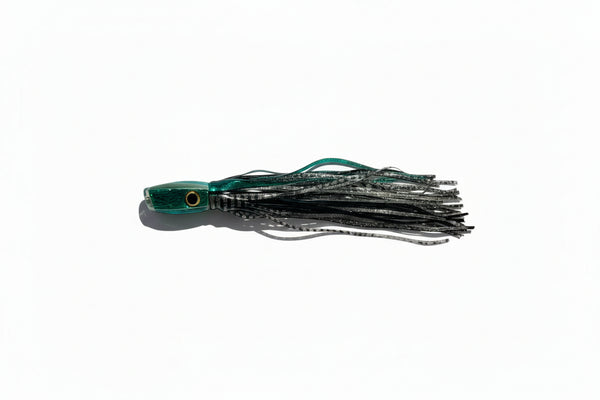
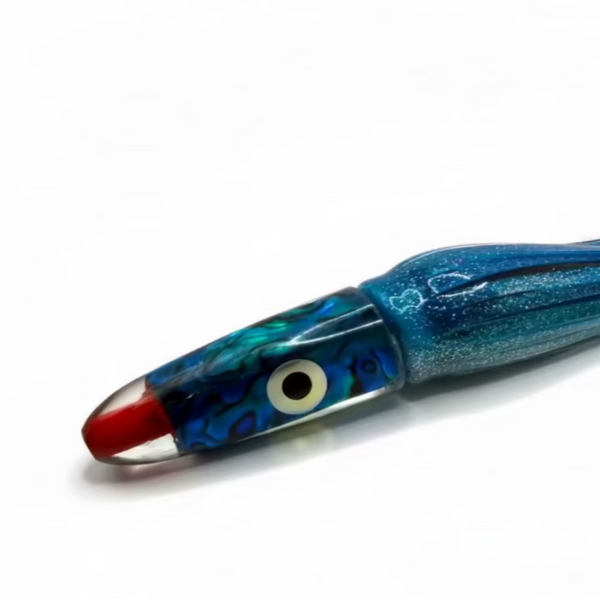
The short answer to do tuna prefer straight running lures is yes - a lot of the time they do. But offshore fishing is rarely that simple. Tuna are built to track, pace, and kill fast-moving bait, and a lure that runs clean at speed often looks more natural, stays in the water better, and converts more bites than one that blows out, wanders, or overworks.
That does not mean every tuna lure should run like a torpedo with zero life. It means the action has to match the job. If you are trolling for yellowfin, blackfin, school bluefin, or bigger class tuna in a clean spread, straight tracking is usually the baseline. Controlled action matters. Wild, inconsistent action usually hurts more than it helps.
Why straight running matters for tuna
Tuna are visual feeders, but they are also efficiency feeders. They do not waste much energy on prey that looks wrong. When a lure tracks true, holds its lane, and stays stable in the face, it gives fish a believable target. It looks like something moving with purpose, not a piece of hardware fighting the water.
That matters even more at normal offshore trolling speeds. At 6 to 9 knots, many tuna lures need to stay planted long enough to create a repeatable smoke trail, bubble signature, and flash cycle. If the lure is darting too hard side to side or repeatedly skipping out, tuna often come up, inspect, and fade off. You may still raise fish, but you do not always get the bite.
Straight running also improves spread discipline. In a tuna program, every lure has a lane. If one bait starts crossing over, washing out, or surging unpredictably, it can foul another line, ruin your pattern, and force constant adjustments. Serious crews want a spread they can trust. A lure built to get strikes still has to stay in position and fish hard for hours.
Do tuna prefer straight running lures in all conditions?
No. They often prefer clean-running lures, but preference changes with bait profile, sea state, troll speed, and species behavior.
Yellowfin are a good example. When they are keyed in on saury, flying fish, small bonito, or tight schools of anchovy and sardines, a lure that tracks straight with measured head movement often outfishes something with too much side swing. It reads as easy, committed prey. The same can hold true for bluefin when they are feeding deeper or acting boat shy.
But there are times when extra commotion helps. Choppy water, dirty water, low light, and aggressive surface feeds can all favor a lure with more push, more bubble, or a sharper pop-and-dive cycle. That is still not the same as bad action. Productive action is repeatable. Bad action is random.
That distinction matters. Tuna may not prefer a dead lure, and they definitely do not prefer a lure that spins, blows out, or tumbles. The sweet spot is a lure that tracks straight enough to stay credible, while showing enough life to separate itself from every other bait in the spread.
Straight running versus active lures
A lot of anglers frame this the wrong way. It is not really straight running versus action. It is controlled action versus wasted action.
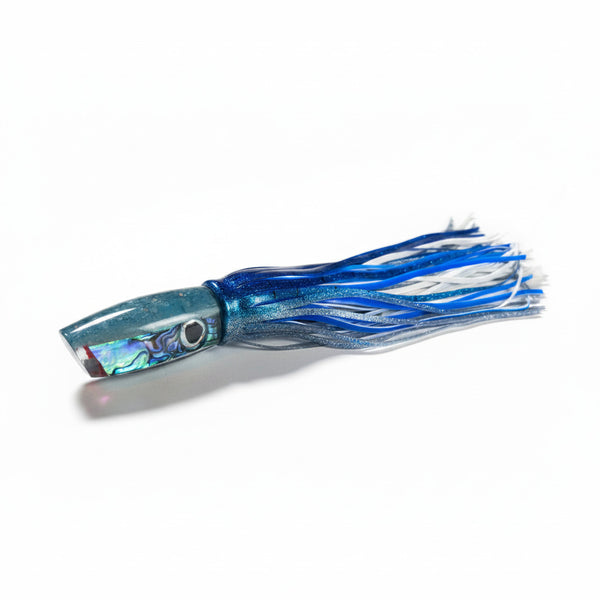
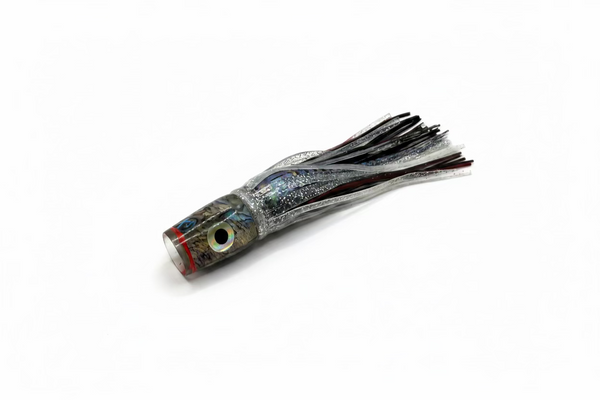
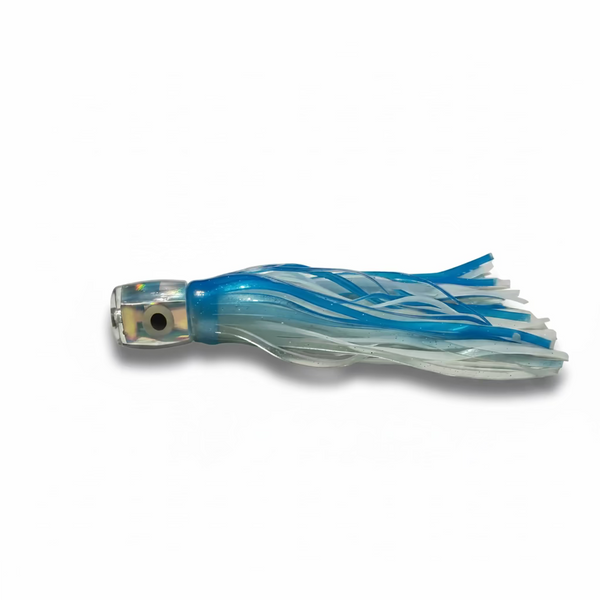
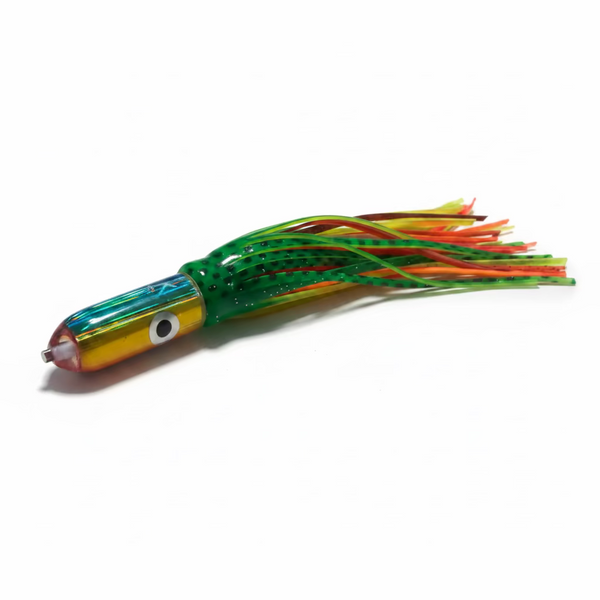
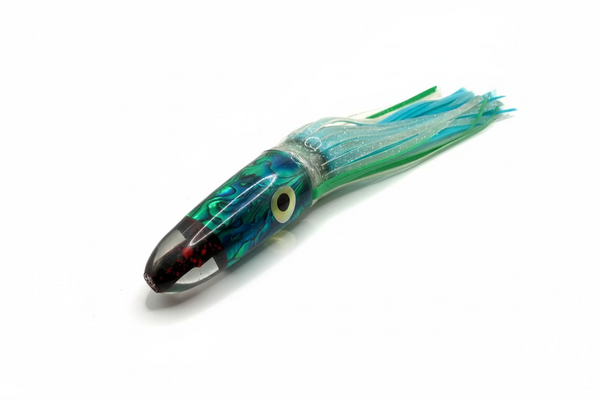
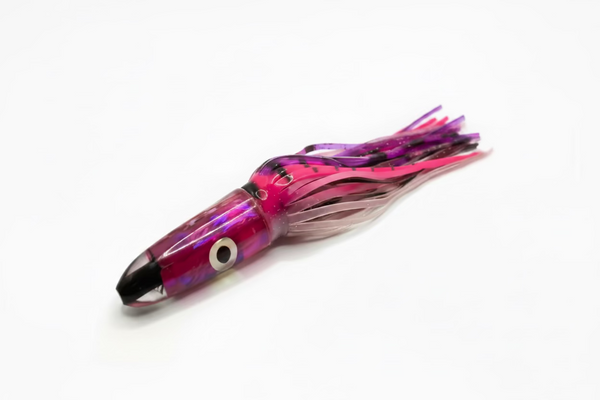
A good straight-running tuna lure is not lifeless. It may have a tight wiggle, a subtle pulse, a smoke trail, or a steady flash pattern. It simply does not hunt all over the spread. Bullet-style heads are the classic example. They are deadly on tuna because they hold speed, run clean in rough water, and keep producing without drama. They are built for consistency.
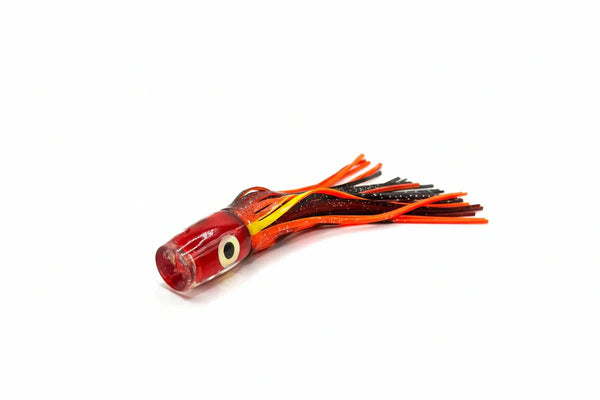
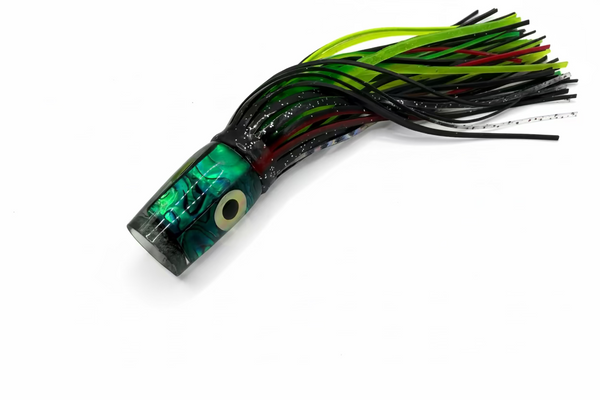
More aggressive heads can be strong producers too, especially in short rigger or shotgun positions where you want a little extra surface disturbance or visual separation. The key is placement. A lure with more face and more movement may be perfect in one corner of the spread and a liability in another.
For tuna, especially when you are trying to stack multiple bites instead of just raising fish, consistency usually wins. The lure should show the fish the same thing over and over until one commits.
What tuna actually react to
Tuna do not read product labels. They react to cues. The best straight-running lures line up several of those cues at once.
First is tracking. A lure moving cleanly through its lane looks intentional. Second is flash. Resin, shell, and reflective finishes matter because tuna can key on that pulsing light from a distance. Third is pressure signature. Even a straight-running lure pushes water, leaves a trail, and gives fish something to home in on. Fourth is pace. If the lure holds at your target trolling speed without breaking rhythm, it stays fishable instead of becoming a problem.
This is why high-quality lure design and rigging matter so much. A well-made head can run beautifully, but poor hook placement, bad leader stiffness, or sloppy rigging can kill the action fast. Tuna do not care why a lure looks wrong. They just refuse it.
Where straight running lures shine in the spread
If you want one clear rule, here it is: the faster and cleaner you want to troll, the more valuable straight-running lures become.
They are especially strong in long rigger and shotgun positions, where a lure has to hold clean water and stay visible over distance. Bullet and striker-style lures also earn their keep in the center lane when fish are shy or keyed in on narrow bait. In rough weather, they can be the most dependable option in the entire pattern because they keep fishing when splashier lures lose rhythm.
This is also why many experienced offshore crews build a tuna spread around reliable straight trackers, then add one or two lures with a little more personality. You do not need every bait to scream. You need the spread to work as a system.
When a straight-running lure can be too straight
There is a limit. A lure that runs perfectly straight but shows no pulse, no flash change, and no visible life may get ignored, especially in clear water with pressured fish. Tuna are opportunists, but they are not mindless. If the presentation feels mechanical, it can fall flat.
That is where finish, head shape, skirt profile, and rigging balance come in. You can keep a lure tracking true while still giving it visual life. Abalone-style flash, resin clarity, and a clean skirt taper can all make a lure look active without making it unstable. That is a better path than forcing dramatic action from a lure that should be running clean.
How to tell if your tuna lures are running right
Watch them. Most spread problems are obvious if you spend time looking instead of assuming.
A lure running right for tuna should settle quickly after a wave, hold its lane, and cycle in a repeatable way. It should not spin. It should not skate off to one side. It should not pop out every few seconds unless that head style is specifically meant to surface and dive. If a lure needs constant babysitting, it is not helping your spread.
If one bait keeps getting window-shopped but not eaten, the action may be close but not finished. Shorten or lengthen the position, adjust trolling speed slightly, check hook alignment, or swap that lure into a different lane. Sometimes a half-knot of speed or one wave back changes everything.
The real answer to do tuna prefer straight running lures
Most of the time, yes. Tuna generally prefer lures that run clean, stay consistent, and look like committed prey. That is why straight-running bullets, strikers, and other stable trolling heads have been proven across the world’s most productive bluewater fisheries.
But straight running does not mean boring, and active does not mean sloppy. The best tuna lures combine clean tracking with enough flash, smoke, and head movement to get noticed and eaten. Skip the guessing and judge every lure by the same standard - can it hold speed, stay true, and keep producing in a real offshore spread?
That is the standard serious crews fish by. If your lure runs straight and still shows life, it is giving tuna exactly what they want to chase.