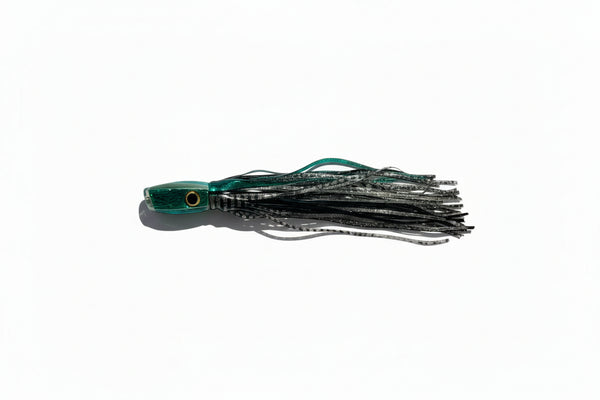
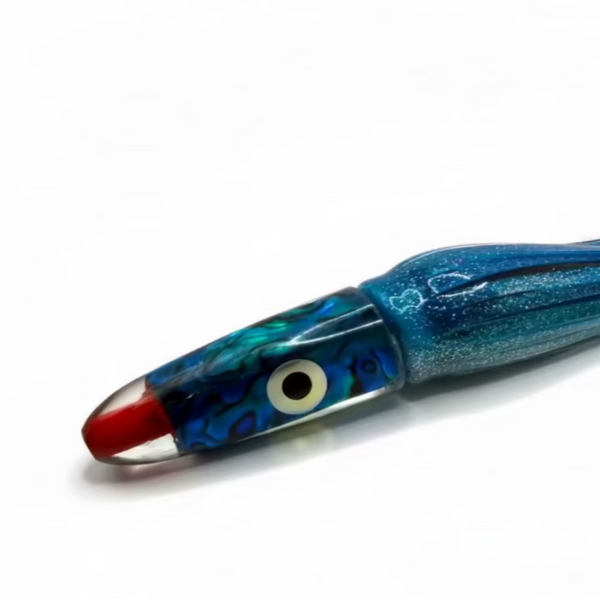
The difference between a dead spread and a productive day offshore usually comes down to one thing - whether your lures actually run right at speed. Bluewater trolling lures are not all built for the same jobs, and serious anglers know a lure that looks good in the rack can still wash out, blow out, or get ignored once it hits real water.
If you troll for tuna, marlin, wahoo, or mahi, lure choice needs to match the way you fish. Head shape, skirt profile, flash, rigging quality, and where a lure sits in the spread all matter. Skip the guessing, and your spread starts working as a system instead of a collection of random baits.
What makes bluewater trolling lures work
A productive trolling lure does three things well. It holds position cleanly in the water, throws the right visual signal, and stays fishable across the speeds you actually run offshore. If one of those pieces is missing, the lure may still get bit on a lucky day, but it will not produce consistently.
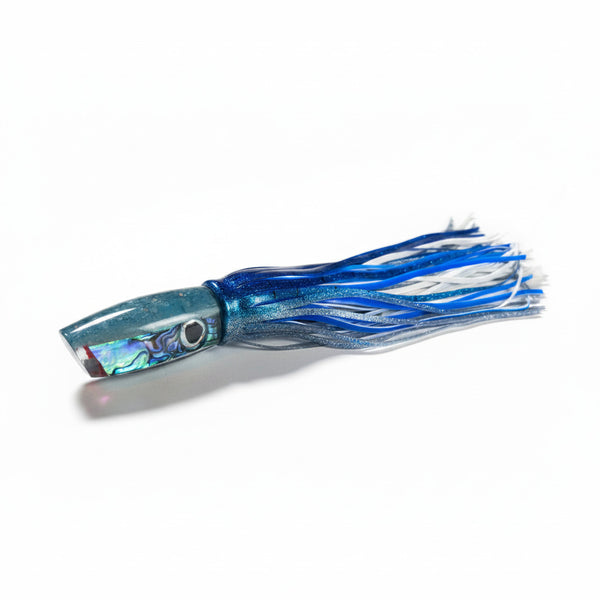
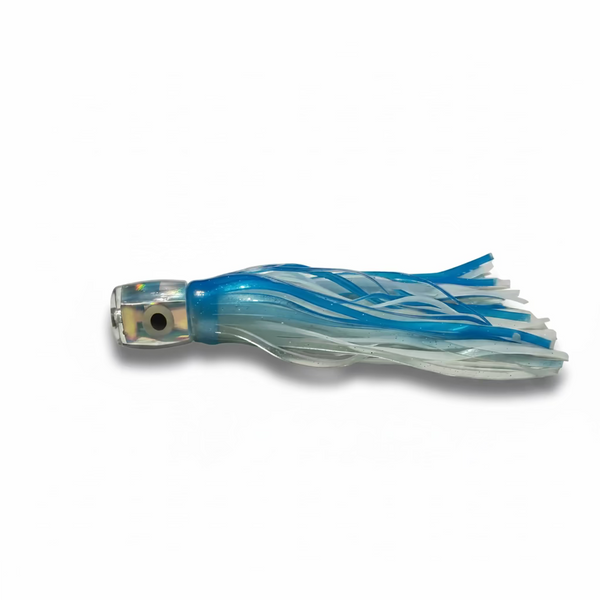
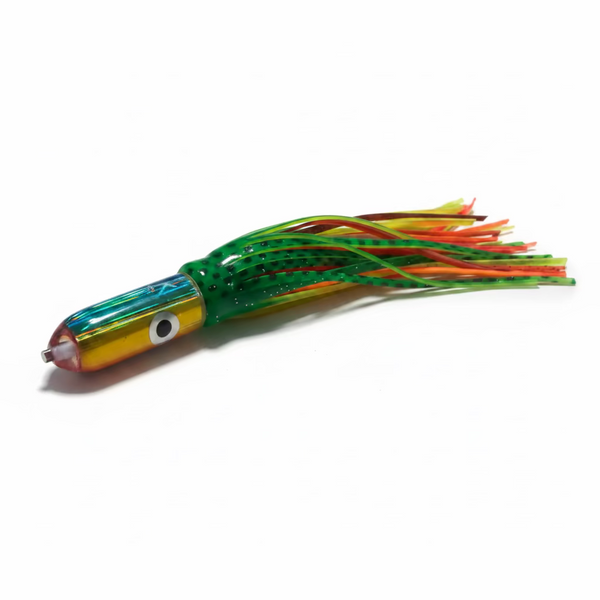
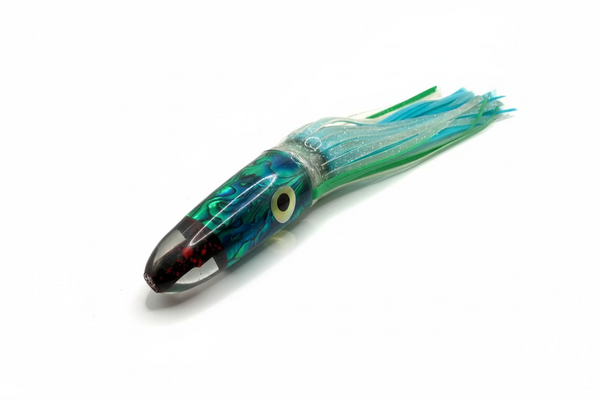
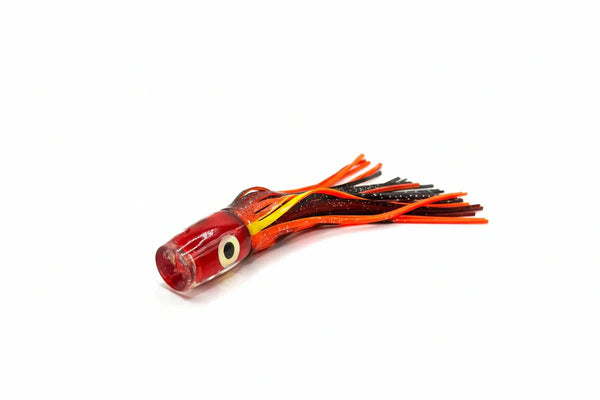
Head design is the first thing to watch. A bullet-style lure tracks straight, stays clean, and excels in positions where you want speed and stability. That makes it a strong choice for wahoo, tuna, and any application where the lure needs to stay in the water column without excessive smoke or erratic skipping. A more aggressive slant or angled head creates a bigger surface disturbance, more breath, and a more active cycle. That can be exactly what you want when raising marlin or adding commotion to a spread built to call fish up.
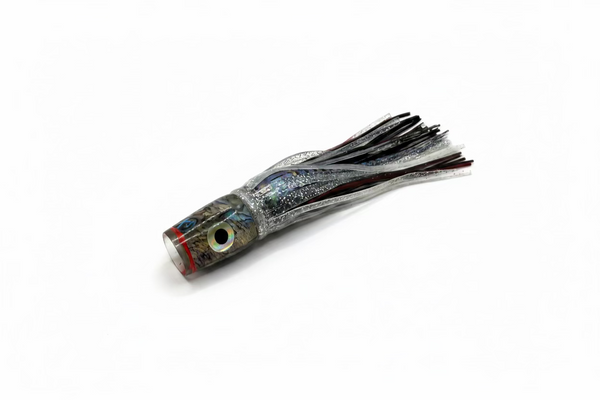
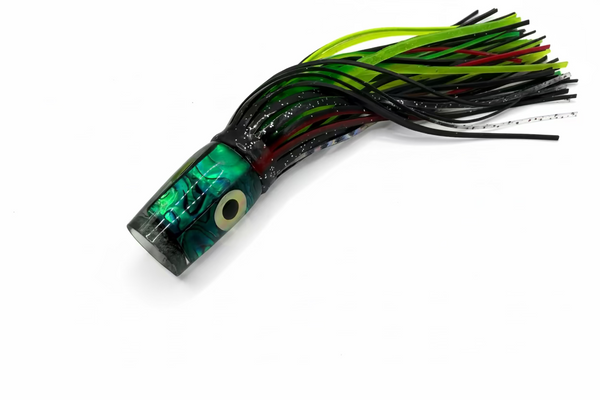
Then there is flash. In clear blue water, flash is not decoration. It is part of the trigger package. Resin finishes, reflective inserts, and abalone patterns can create a broken, natural flicker that reads differently than flat color alone. That matters when fish are tracking from behind or coming up into the spread from below. Good flash helps a lure stay visible without looking unnatural.
Rigging is the final separator. Offshore anglers lose confidence fast in lures with weak hooks, poor tracking, or inconsistent rigging angles. A premium lure body paired with sloppy rigging is still a bad lure. Clean hook alignment, quality leader material, and durable construction are what keep a lure swimming true and converting strikes after the first hit.
Matching bluewater trolling lures to target species
The best lure for one species is not always the best lure for another. There is overlap, but the details matter.
Tuna
Tuna often reward consistency more than drama. Medium-profile resin lures, bullets, and smaller slant heads tend to produce when they hold clean and stay in the zone. Tuna will eat aggressive lures, but they are less forgiving of a bait that skips out, tumbles, or runs dirty. If your target is yellowfin or school-size tuna, cleaner swimming lures with a tight pattern usually outproduce oversized heads built mainly to raise billfish.
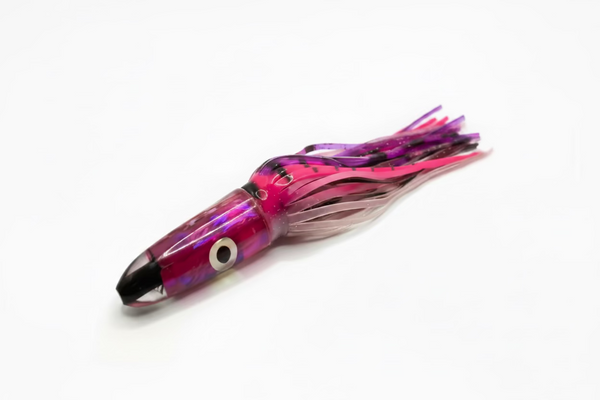
Color can shift with water and bait, but blue, pink, purple, green, and black combinations remain productive for a reason. More important than exact color is whether the lure shows contrast and stays visible at your trolling speed.
Marlin
Marlin spreads need contrast in both size and action. This is where larger resin heads, aggressive plungers, and lures with more smoke trail and surface presence earn their place. Marlin are often raised by movement and profile before they commit. That means your long corner and short corner positions can carry larger heads that push more water, while flatter-running lures farther back help seal the deal.
This does not mean every marlin lure should be oversized. On days when fish are feeding on smaller bait, a medium lure with sharp tracking and strong flash can get more bites than a giant head with all the noise in the world.
Wahoo
Wahoo are built for speed, and your lures need to handle it. Bullet-style bluewater trolling lures are the standard because they stay straight, tolerate faster trolling, and present a compact target that gets crushed. Wahoo do not need a lot of wandering action. They need a lure that tracks hard and clean without blowing out.
This is also where rigging and durability become critical. High-speed fish expose weak components quickly. If the lure body, skirts, or hookset are not built to take repeated abuse, you end up replacing tackle instead of boating fish.
Mahi-mahi
Mahi will hit a wide range of lure styles, but they often respond well to smaller and medium lures with bright contrast and active movement. They are less demanding about pure stability than wahoo or tuna, but that does not mean lure performance is irrelevant. A lure that breathes cleanly and flashes consistently tends to get more attention, especially when fish are scattered and you need the spread to pull them in.
Spread position changes everything
A lure can be excellent in one position and poor in another. That is where a lot of offshore anglers waste time and money. They blame the lure when the real problem is placement.
Short corner positions generally favor larger, more aggressive heads that can work in rougher whitewater. Long corner positions still need presence, but many lures here perform better with a slightly cleaner cycle. On the riggers, you usually want lures that can run farther back with consistent tracking and a repeatable pop-and-smoke pattern. Shotgun positions often favor bullets and other stable profiles that stay straight in cleaner water.
If a lure only runs correctly in one lane, that does not make it a bad lure. It just means it has a job. The strongest spreads mix lure types so each position carries the right action, not the same action repeated six times.
Why material and finish matter offshore
Cheap lure bodies can look acceptable until they get dragged all day in heat, salt, and pressure. Then the cracks show. Offshore tackle needs to hold shape, maintain finish, and keep producing after repeated strikes. Resin-coated heads, well-built skirt channels, and quality rigging hardware matter because they preserve the lure's action over time.
This is where premium finishes earn their keep. Abalone resin effects, for example, create a layered flash that changes with light angle instead of throwing the same flat reflection every pass. In bluewater conditions, that shifting flash can separate a lure that gets followed from one that gets eaten. It is not magic, and it will not fix a bad spread, but it can absolutely improve visibility and trigger response when paired with the right head shape and position.
Serious anglers also care about repeatability. If one lure in your spread gets bit, you want another one built the same way to run the same way. Consistent manufacturing and rigging are not marketing points offshore. They are part of staying on fish.
Common mistakes with bluewater trolling lures
The first mistake is running too many lure styles with no plan. A spread needs balance. If every lure is large, noisy, and erratic, you lose the cleaner presentations that often convert bites. If everything is small and straight-running, you may not raise enough fish in the first place.
The second mistake is ignoring speed. A lure tuned for 6.5 knots may wash out at 9. A bullet that runs perfectly for wahoo may look lifeless in a marlin spread if the boat speed is too low and the lane is wrong. Match the lure to the speed range you actually fish, not the one printed on generic packaging.
The third mistake is trusting factory rigging without checking it. Even a well-made lure should be inspected before it goes in the spread. Hook orientation, leader chafe, skirt alignment, and overall tracking should all be checked. Small details offshore become expensive mistakes fast.
Building a smarter lure lineup
A better lure lineup starts with function. Carry a few stable bullets for high-speed and shotgun work, a set of medium resin lures for tuna and general offshore duty, and several larger heads for marlin positions where you want more smoke and presence. Add visual contrast across the spread with dark patterns, brighter baitfish tones, and at least one lure with premium reflective flash.
That approach gives you options without turning your tackle bag into clutter. K2Fishing builds around that exact idea - a curated mix of offshore lures and spread components designed to work in real trolling systems, not just look good in isolation.
The best bluewater trolling lures are the ones that keep running clean, keep their flash, and keep getting bites after the first hard strike. Build your spread around proven action, strong rigging, and the species you actually target, and the whole day gets simpler. When the pattern tightens up offshore, confidence in your lure spread is what lets you stay on fish instead of second-guessing every pass.