If you've spent any time offshore, you've faced the same problem we all have: getting a lure deep into the strike zone while trolling, without strapping on a massive lead weight that kills the fight. A planer is the answer.
The best way to think about it is like an underwater kite. It’s a specialized metal plate that uses the pressure of the water and the boat's forward motion to dive deep, pulling your lure down to a precise depth where wahoo, tuna, and other predators are lurking.

How Does a Planer Actually Work?
Before planers, getting deep meant heavy leads—often several pounds of them. Trolling at speed with that much weight was a pain, and when you finally got a bite, it felt like you were fighting the lead instead of the fish. You’d lose that direct connection.
A planer changes all that. Its angled design brilliantly uses the boat's momentum to create downward force. As water flows over it, the planer dives hard, taking your fishing line and bait right along with it. This gets your lure down below the prop wash and into clean water, a game-changer for targeting finicky fish.
The Magic is in the "Trip"
The real genius behind a fishing planer is its release mechanism. You run the planer on its own dedicated, heavy-duty rod. Your actual fishing line, the one with the lure, is attached to the planer line with a simple release clip or even just a heavy-duty rubber band. When a wahoo or tuna smashes your lure, the sudden jolt of pressure "trips" the planer.
Once it trips, the planer's angle in the water instantly changes. It stops diving and flattens out, creating almost no resistance as you pull it through the water. This smart design means you’re fighting the fish directly, not the gear.
This gives serious bluewater anglers a few massive advantages:
- A Direct Fight: With no heavy inline lead between you and the fish, you feel every head shake and blistering run. It’s a pure connection.
- Less Drag: A tripped planer just glides smoothly. This makes it way easier to clear the line and manage the chaos in the cockpit without fighting the extra weight.
- Can't-Miss Strike Indicator: The rod holding the planer will be bent over hard while it's digging. The second a fish hits and trips the planer, that rod will pop straight up. It's the most obvious and exciting strike indicator you'll ever see.
A Proven Tournament Advantage
This isn't just theory; it’s a strategy that has been winning tournaments for decades. Planers completely changed the game for offshore trolling back in the 1970s, giving anglers a reliable way to put lures right in the face of marlin, tuna, and wahoo.
Today, the numbers speak for themselves. In many fisheries, running a planer can boost catch rates for pelagics by 35-50%. In one major billfish tournament, boats using planer spreads accounted for an incredible 62% of the top-qualifying fish. You can find more data on global fishing trends and how technology is driving growth at weareaquaculture.com.
Choosing the Right Planer for Your Target Species
Picking the right planer isn’t just a minor detail—it's one of the most critical decisions you'll make when setting up your trolling spread. Think of it like this: you wouldn't use a tiny inshore hook for a giant bluefin, and you shouldn't use a massive planer when you're targeting fish in the top 20 feet of water. A mismatch can ruin your lure's presentation, tangle your whole spread, or worse, cost you expensive gear.
The basic principle is straightforward: the larger the planer, the deeper it dives and the more drag it creates. Getting this balance right is everything. You need to match the planer's power to the capabilities of your rod, reel, and line to keep your lure swimming perfectly in the strike zone.
Matching Planer Size to Your Goals
Planers are usually numbered, and it can be a little counterintuitive at first. The smaller the number (like a #1 or #2), the bigger and deeper the planer. The larger the number (#6, #8), the smaller the planer and the shallower it runs.
-
Small Planers (#6, #8): These are my go-to for lighter tackle and nearshore work. If you're chasing mahi or kingfish in that top 20-30 foot zone, a smaller planer is perfect. It pulls just enough to get the bait under the surface chop without putting a back-breaking load on your 30-50 lb class gear.
-
Mid-Size Planers (#3, #4): These are the workhorses for most offshore trolling. A #4 planer gets you down to serious depths at a good clip, making it a killer tool for wahoo and mid-depth tuna. It’s that sweet spot of diving power and manageable drag, and I typically pair it with 50-80 lb class tackle.
-
Large Planers (#1, #2): When you need to put a big, heavy lure way down deep for monster wahoo or bigeye tuna—especially at high speeds—this is the only way to go. These planers are built for maximum depth and will test your gear. You absolutely need a dedicated, heavy-duty setup, like an 80-130 lb class bent-butt rod.
Pro Tip: Always match the planer to the rod, not just the fish. You can run a #8 planer on a fairly light trolling rod all day. But trying to deploy a #1 or #2 on anything less than a stout 80-lb class rod is asking for a broken rod or a stripped reel. The pressure is immense.
To help visualize this, I've put together a simple guide. This is a great starting point for figuring out which planer best fits your day on the water.
Planer Size and Application Guide
| Planer Size | Typical Depth at 8-10 Knots | Recommended Line Class | Best For Targeting |
|---|---|---|---|
| #8 | 10-20 feet | 30-50 lb | Nearshore Mahi, Kingfish, Blackfin Tuna |
| #6 | 20-30 feet | 30-50 lb | Offshore Mahi, Blackfin Tuna, Schoolie Wahoo |
| #4 | 35-50 feet | 50-80 lb | Wahoo, Yellowfin Tuna, deeper-holding species |
| #2 | 50-70 feet | 80-130 lb | High-speed wahoo trolling, large Tuna |
| #1 | 60-80+ feet | 80-130 lb | Maximum depth trolling for monster Wahoo & Bigeye |
Keep in mind, these depths are just estimates. Your actual depth will change based on your speed, current, and the type of lure you’re pulling. But for general planning, this chart is a solid reference.
Real-World Scenarios for Planer Selection
Let's walk through how this works on a typical day. Your planer choice will change completely based on what you're after.
Scenario 1: High-Speed Wahoo Trolling The plan is to hit a deep ledge known for holding big wahoo. You’ll be high-speed trolling heavy lures like the K2Fishing metal head models at 10-14 knots.
For this mission, you’ll want a #2 or #4 planer. It has the muscle to pull those heavy lures down 40-60 feet, putting them right in the face of deep-holding 'hoos. Yes, it requires a stout rod to handle the drag, but that's how you present a bait where most boats can't.
Scenario 2: Nearshore Mixed Bag Today, you're working a weed line for mahi-mahi and blackfin tuna. You're pulling lighter skirted lures at a more relaxed 6-8 knots.
This is the perfect time for a #6 or #8 planer. It’ll take your lure just deep enough to run clean below the surface clutter, around 15-25 feet down, without creating a ton of drag. This lets you use lighter, more fun tackle, which makes for a better fight.
The numbers don't lie. Recent IGFA World Championship data showed that teams using deep planers (like #1 or #2 sizes) accounted for 71% of the record tuna submissions over 200 pounds. They're simply getting lures like K2Fishing's lead-head models down to where those giants live. In the US Southeast, NMFS stats even show that planer users targeting wahoo average 1.6 fish per trip compared to just 0.9 without one—a 78% jump in success. If you want to dive deeper into the data behind modern fishing trends, you can explore the growth of these techniques.
By taking a moment to choose the right planer, you're not just rigging a line; you're stacking the odds in your favor before the bait even hits the water.
Getting Your Planer Rigged: A Step-by-Step Breakdown
Let's be honest, the first time you see a full-blown planer rig, it can look like a mess of heavy tackle and complicated connections. It’s intimidating. But once you break it down, it’s a surprisingly logical system that any serious angler can master. This isn't just about tying knots; it's about building a bulletproof setup that gets your lure deep but breaks away cleanly the second a fish hits. A sloppy rig will fail you when it matters most, so taking the time to get this right is one of those details that separates the pros from the rest.
There are a couple of ways to do this, but for most offshore trolling, the bridle rig is the only way to go. It completely separates the heavy planer gear from your actual fighting line, which is exactly what you want. We're going to walk through building a rock-solid bridle rig from the ground up.
Building Your Dedicated Planer Rod
First things first: you need a dedicated rod and reel just for the planer. This is not a rod you fight a fish with. Its only job is to handle the massive, constant strain of a diving planer. For the most common #1 to #4 planers, you’ll want a short, stout 80-130lb class rod. A bent-butt model is a huge help here, as it handles the extreme downward angle and torque far better.
Pair that rod with a matching 80W or 130W class conventional reel. Spool it up with heavy 200-400lb monofilament or Dacron. I’d strongly advise against using braid for this main planer line. It has zero stretch, and that unforgiving tension can be brutal on your rod, reel, and hardware over a long day of trolling.
Before you start crimping, you need to match your planer to your gear. This chart breaks it down perfectly.

Think of this as your starting point. It helps you match the right size planer to the gear you're using, whether you're targeting wahoo with heavy tackle or kingfish on lighter setups.
Assembling the Planer Bridle
With your planer rod ready, it’s time to build the business end of the system—the bridle. This is what connects the planer to your heavy line and, most importantly, provides the attachment point for your fishing line.
-
The Main Connection: Start by crimping a heavy-duty ball-bearing swivel to the end of the 200-400lb line coming off your reel. Don’t skimp here; use a quality 200-300lb test swivel to prevent line twist as the planer digs in.
-
The Bridle Leader: Now, take an 8-10 foot section of 300-400lb mono. Crimp one end to the swivel you just attached. This heavy leader is the backbone of your bridle and acts as a crucial shock absorber.
-
Attaching the Planer: On the other end of that heavy mono, crimp on your planer. Pay attention to the orientation—they are designed to dive in one direction. There will be a brass ring or hole on each end; make sure you've got it facing the right way.
-
The Release Point: This is where the magic happens. About halfway down that 8-10 foot bridle leader, you need to add another high-quality ball-bearing swivel. You can thread it on the line before crimping the ends, or use a three-way swivel. This swivel will slide along the bridle, and it's where you'll attach your release clip or rubber band.
The entire point of a bridle rig is simple: a super-heavy setup manages the planer's drag, while your light fishing line just hitches a temporary ride. When a fish strikes, your line pops free, and you're fighting the fish directly, not the gear.
Choosing Your Release: Clips vs. Rubber Bands
You’ve built the rig, now how do you connect your fishing line to it? You have two fantastic, time-tested options, and you’ll find die-hard fans of both in the offshore community.
-
Release Clips: These are purpose-built clips, like the AFTCO Roller-Troller, that attach directly to that free-sliding swivel on your bridle. You simply open the clip and place your fishing line inside. They offer adjustable tension, are incredibly reliable, and you can reuse them trip after trip.
-
Rubber Bands: This is the old-school method, and it works just as well today as it did 30 years ago. You loop a thick rubber band—a #64 or #84 is standard—through the sliding swivel. Then, you wrap the band around your fishing line a few times before hooking it back over itself. When a fish hits, the band snaps, and your line is free.
Whichever you choose, the goal is the same: hold the fishing line securely to the planer until a fish strikes, and then break away cleanly. That clean release is absolutely critical for a solid hook-set. Get this part right, and you’ve built a system you can truly rely on.
How to Deploy and Run a Planer in Your Spread
Having a perfectly rigged planer is one thing. Knowing how to actually run it in your spread without creating a tangled catastrophe is what separates the pros from everyone else. This isn't just a piece of gear; when deployed right, it becomes the most lethal line you have in the water.

The secret is being methodical. I’ve seen it a hundred times—someone gets excited, rushes the process, and ends up with a bird's nest that takes 30 minutes to fix. Valuable time wasted. Always treat the planer as the foundation of your spread and build around it.
The Deployment Sequence
Your planer is the first line that hits the water. No exceptions. It runs the deepest and needs the most room, so trying to drop it through a set of flat lines or outriggers is just asking for a mess.
-
Set the Planer First: Begin by slowly letting out your dedicated planer rod. A good starting point is letting the planer run 75 to 150 feet behind the boat. This gets it out of the prop wash and into clean water where it can dig in and start working. Don't just free-spool it; a controlled release is key.
-
Send the Lure Back: Once the planer is digging and the rod is bent over, it’s time to deploy your bait. Let your fishing line out and attach it to the planer line with your chosen release clip or a rubber band. Set the lure back 50 to 200 feet from the planer itself.
-
Find the Sweet Spot: Now, let out more of the planer line until your lure is running at the desired distance from the boat. You’ll know it’s working right when the planer rod takes on a deep, steady, throbbing bend.
This simple order—deepest line first—lets you easily layer your other lines (flat lines, short riggers, long riggers) around and over the top without creating a web of crossed lines.
Reading the Planer Rod
Learning to "read" the planer rod is one of the most critical skills in high-speed trolling. At 8-14 knots, you have to know the difference between a money-making wahoo bite and a frustrating ball of sargassum weed. The signs are completely different, once you know what to look for.
Think of your bent planer rod as a high-tension gauge. Any change in that tension tells a story. Your job is to learn the language.
-
The Strike: A real wahoo or tuna strike is impossible to miss. It’s pure violence. The incredible force of a fish hitting a lure at high speed pops the line from the clip or snaps the rubber band instantly. The heavily loaded planer rod will snap straight up as if it was hit with a sledgehammer. It’s the most dramatic and exciting bite in all of offshore fishing.
-
Weed or Debris: When your planer or lure fouls with weed, the rod tells a different story. The clean, rhythmic pulse disappears. Instead, the rod tip will feel heavy and "mushy," and it will start to vibrate erratically. The rod won't snap up; it will actually pull down even harder as the extra drag from the weeds weighs it down.
Mastering this distinction keeps your lure fishing clean and saves you from the pointless exercise of reeling in hundreds of feet of line just to clear a small clump of grass.
Executing Turns and Maneuvering
Turning a boat with a full spread out is always a delicate dance, but a deep-diving planer makes it even trickier. Quick, sharp turns are the fastest way to create a disaster. The inside lines go slack and tangle, while the outside lines accelerate and can trip the planer.
Whenever you need to make a turn, think in long, wide, and slow arcs. Imagine you’re trying to trace a massive circle on the surface of the ocean. This approach keeps relatively even tension across all your lines, allowing the planer to track smoothly and stay clear of your other gear. It's a simple adjustment that prevents a productive day from turning into a knotted-up nightmare.
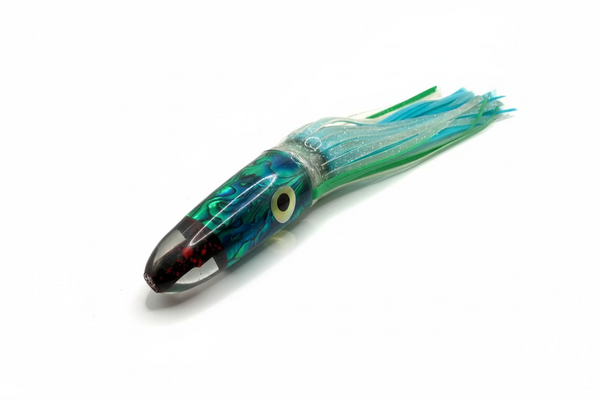
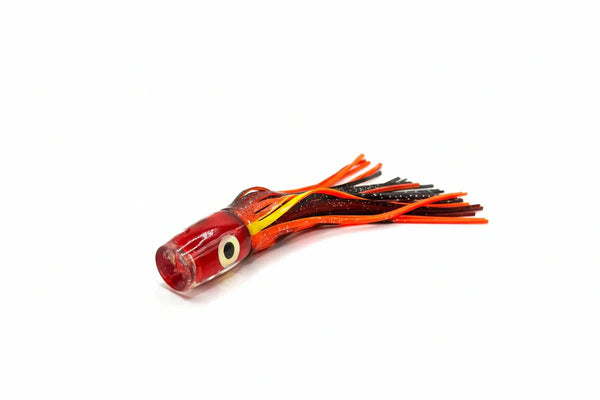
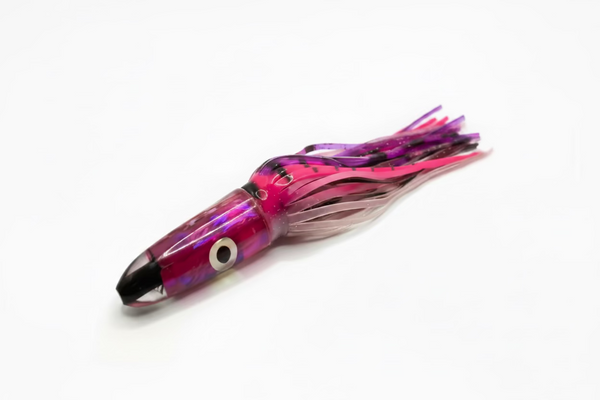
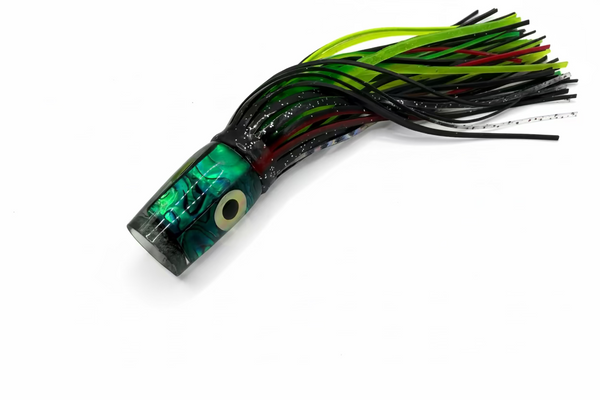
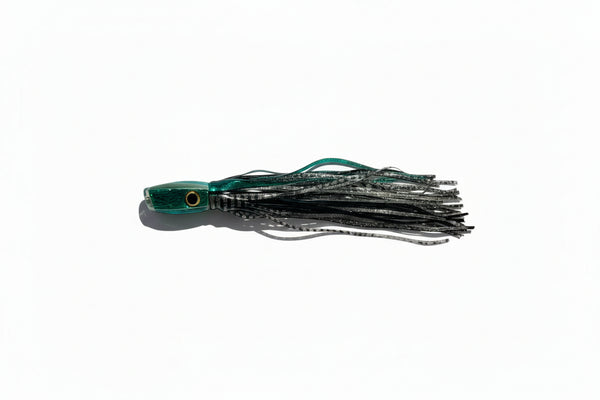
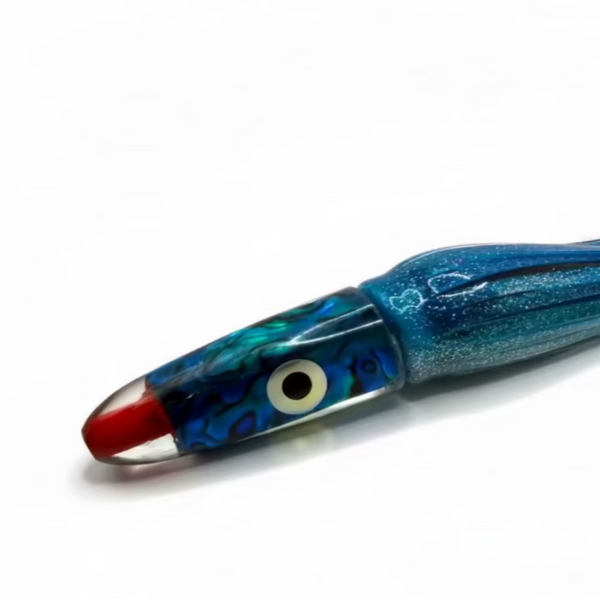
This is where strategy and execution all come together. Pairing the right lure with your planer isn’t just about getting a hook in the water—it's about creating a living, breathing presentation that a predator simply can’t ignore. I’ve seen it a hundred times: a mismatched setup can make even the best planer completely useless.
Think of it this way: your planer gets the presentation down to the right depth, but your lure is what actually closes the deal. The two have to work in perfect harmony. A heavy, aggressive planer pulling a lightweight lure will cause it to spin out and look unnatural. On the flip side, a small planer won't have the muscle to get a heavy, high-drag lure down into the strike zone where the fish are.
Proven Lure and Planer Combinations
The whole point is to create a specific illusion for whatever you're targeting. Are you trying to mimic a terrified baitfish fleeing for its life to trigger a wahoo? Or a slow, confused meal that a tuna can't pass up? Your choice of lure and planer dictates that entire story.
Here are a few time-tested pairings that consistently put fish on the deck.
-
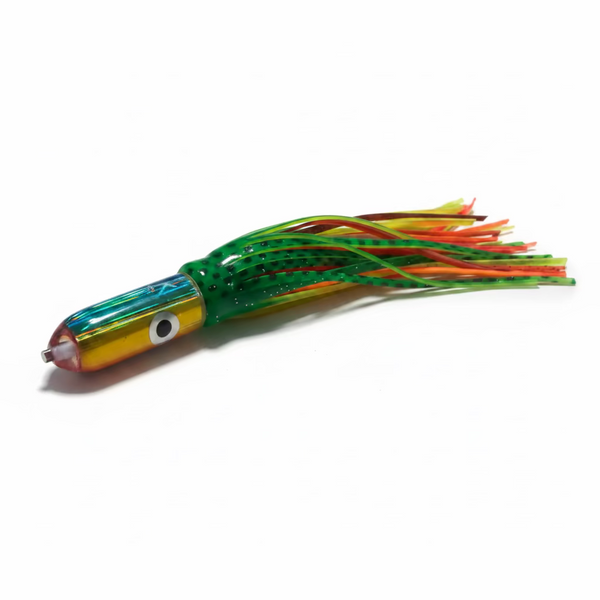
Deep-Water Wahoo: When you're targeting big wahoo holding on deep structure, you have to get aggressive. I'll run a #4 or #8 planer and pair it with a large, heavy-headed lure like one of the K2Fishing high-speed metal heads. This combo lets the lure track perfectly true at speeds from 10-14 knots, diving it deep into wahoo territory.
-
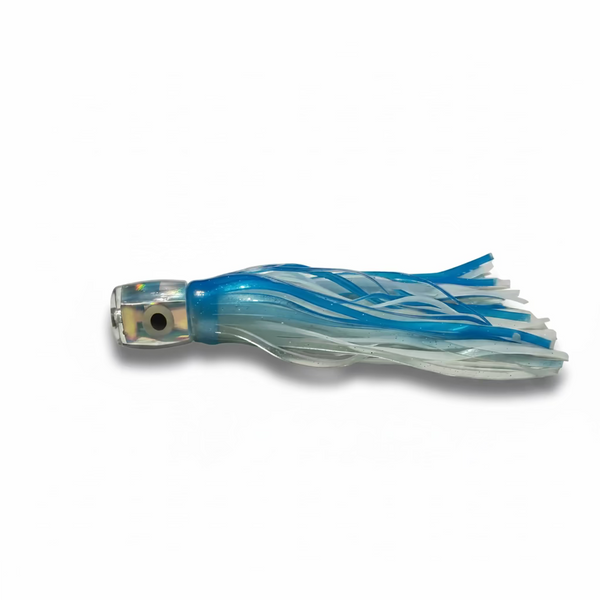
Mid-Depth Tuna and Mahi: For schoolie tuna or gaffer mahi-mahi, a slightly more subtle approach often pays off. A smaller #2 or #4 planer matched with a skirted bullet lure or a quality diving plug creates an irresistible presentation 20-40 feet down. The planer gets the lure below the surface chop and into clean water where it can swim just right.
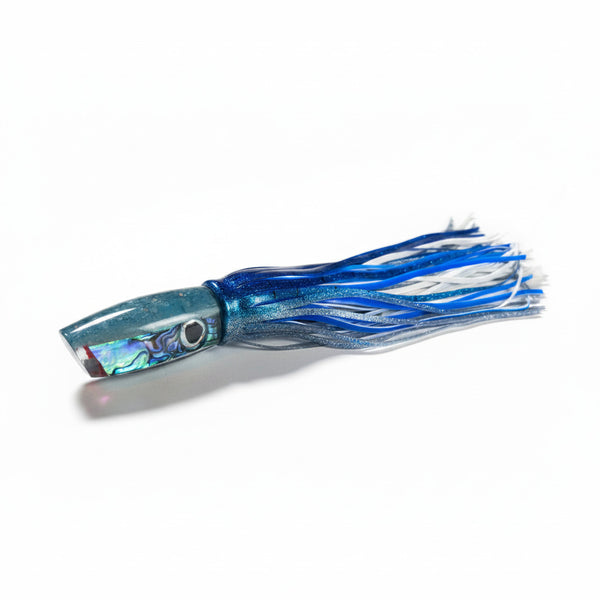
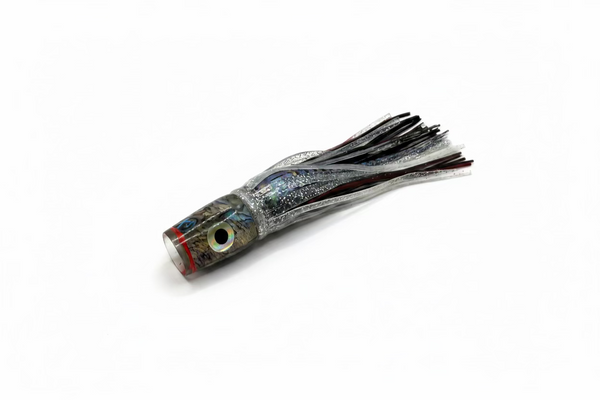
The single most crucial part of this whole equation is a true-running lure. A lure that spins, rolls, or "blows out" at speed is worthless behind a planer. You absolutely need premium, well-balanced lures that maintain their designed action, even under the heavy strain of a diving planer. That's what ensures a flawless presentation in the strike zone.
Integrating with Teasers and Dredges
The most advanced tournament spreads use planers to create a multi-dimensional attack. By running a planer-driven lure below a dredge or a squid chain, you create the powerful illusion of a predator chasing a frantic bait ball. This visual chaos is often the exact trigger that turns a following fish into a striking one.
This tactic is especially deadly for billfish and large tuna. The dredge looks like a big school of bait, and the single lure tracking underneath it looks like a vulnerable, easy meal that's fallen out of formation. The results speak for themselves. Top tournament teams have found that complete spreads using planers and dredges cover 3x more water, seriously boosting their efficiency.
This isn't some new-fangled trick. Planers gained real traction back in the 1980s US East Coast derbies and were instrumental in shattering 17 IGFA records for king mackerel over 50 pounds by 1990. Even charter data from the Florida Keys shows a staggering 67% strike conversion on teasers run off planers. As you can see from these fisheries insights, this has long been a proven method for effective fishing.
Common Questions About Using a Planer for Fishing
Even after you get the rigging down, running a planer for the first time always brings up a few questions once you're out on the water. This is where the textbook stuff meets the real world. Let's tackle the most common "what-if" scenarios I hear from other anglers.
My goal here is to help you get so comfortable with your planer system that it becomes one of the most trusted tools in your spread, not something you dread deploying.
How Can I Tell if My Planer Tripped Correctly?
This is the big one, and trust me, you'll know. There's nothing subtle about it. When your planer is set and digging, that rod will have a heavy, deep bend, almost like it's rhythmically pulsing with the waves. The strike itself is pure, beautiful chaos.
When a wahoo or tuna slams your lure at high speed, the incredible force will instantly pop the fishing line free from the release clip or snap the rubber band clean. The planer rod, which was bent almost to the water, snaps straight up with violent speed. It's the most dramatic strike in all of fishing. If that rod pops, the planer tripped—it's time to clear lines and fight your fish.
What Is the Best Way to Store My Planer Rig?
Whatever you do, don't just coil the line and toss it into a bucket. The heavy mono bridle has a ton of memory and will turn into a bird's nest that'll have you cursing on your next trip out. Proper storage is all about preventing tangles and protecting your gear.
The best way I've found is to use a dedicated planer holder or even just a five-gallon bucket with a few notches cut into the rim. Carefully wrap the heavy bridle line into large, neat coils around your hand and forearm. Strap those coils together, place the planer flat on the bottom of the bucket, and lay the coiled leader right on top.
This simple system keeps everything organized, prevents the heavy leader from becoming a tangled mess, and stops the planer plate itself from getting bent or damaged. It means you can grab it and deploy it in seconds when the bite is on.
Can I Use a Planer for Species Other Than Wahoo?
Absolutely. While high-speed wahoo trolling is what planers are famous for, they're incredibly effective tools for a whole range of bluewater species. It all comes down to matching the planer size to the depth and speed you need.
- Tuna: Yellowfin and bigeye love to hang out deep. A mid-sized planer is perfect for getting your lures down into that 40-60 foot zone where they're often feeding.
- Marlin: Anglers have had great success pulling big marlin lures or rigged baits deep behind a planer, especially when running it in conjunction with a dredge to create a massive presentation.
- Mahi-Mahi and Kingfish: For days when the fish are holding just under the surface chop, a smaller, lighter planer is a killer tactic. It gets your baits into clean water, away from floating weeds, right where mahi and kings are hunting.
- Freshwater Stripers: Don't forget about freshwater. On big reservoirs, trolling for striped bass with planers and swimbaits is a deadly effective way to cover huge areas of water at a very specific depth.
How Do I Avoid Tangling the Planer with Other Lines?
Tangles are the number one headache with planers, but they are almost always preventable if you're methodical. The golden rule is simple: deepest line in first, shallowest line in last. Your planer is your deepest line by a long shot, so it always goes in the water before anything else.
Just as important is how you handle the boat. Always make long, slow, wide turns. If you make a sharp turn, the inside lines in your spread will go slack, sink, and drift right into the path of your planer line. A wide, gentle arc keeps tension on everything and lets the whole spread track behind the boat like it's on rails. No tangles.
Ready to create a professional trolling spread that gets results? The team at K2Fishing has engineered a lineup of premium, true-running lures that are built to perform flawlessly behind a planer. Explore our collection of high-speed lures and complete trolling solutions at https://k2fishing.myshopify.com.
Composed with Outrank