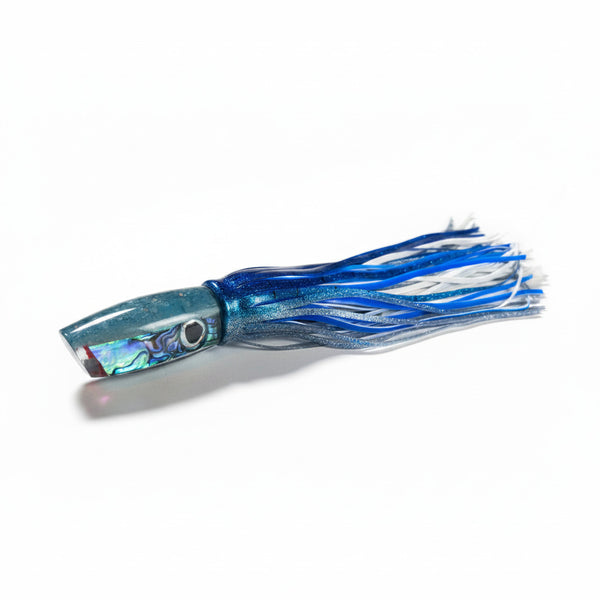
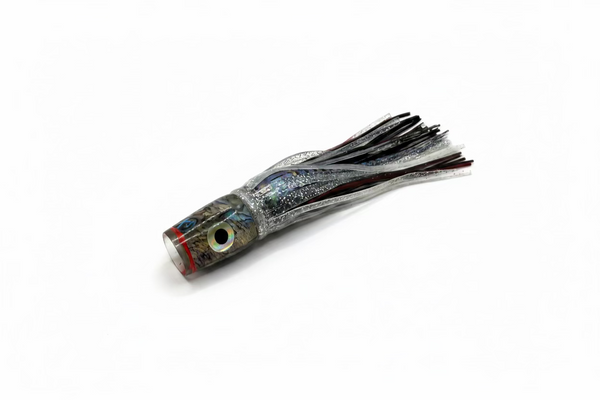
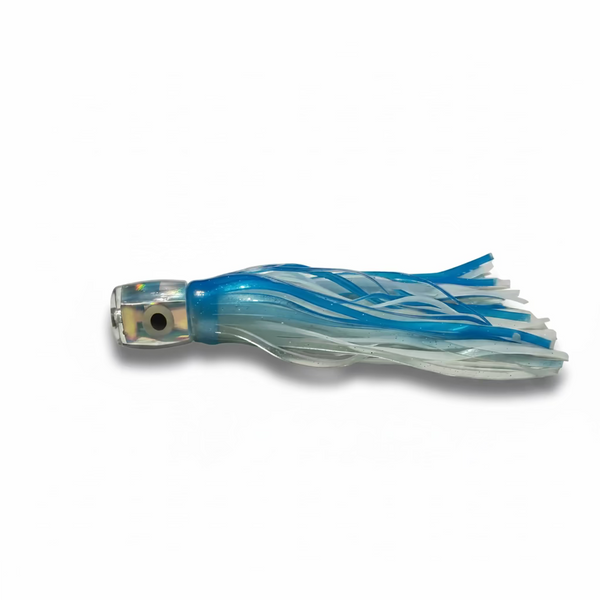
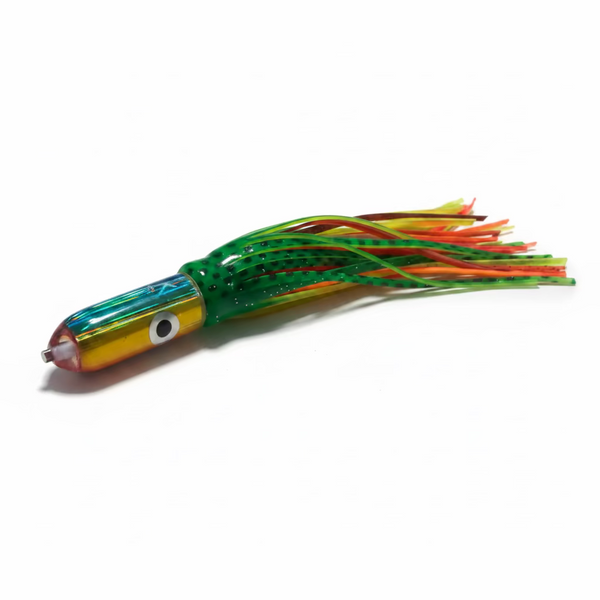
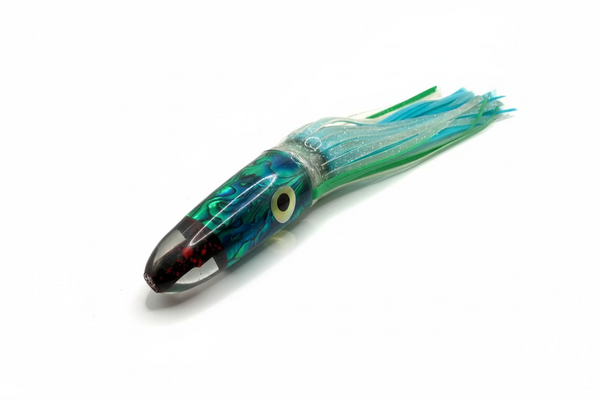
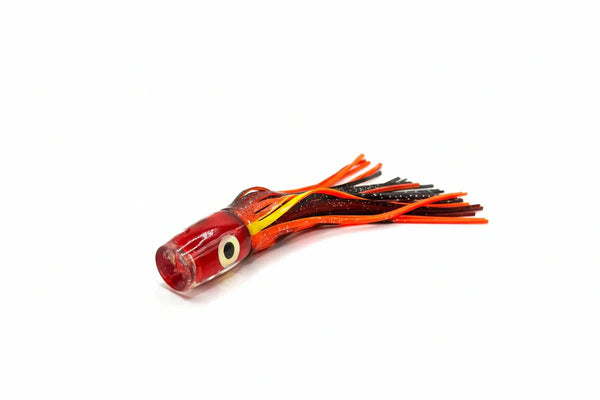
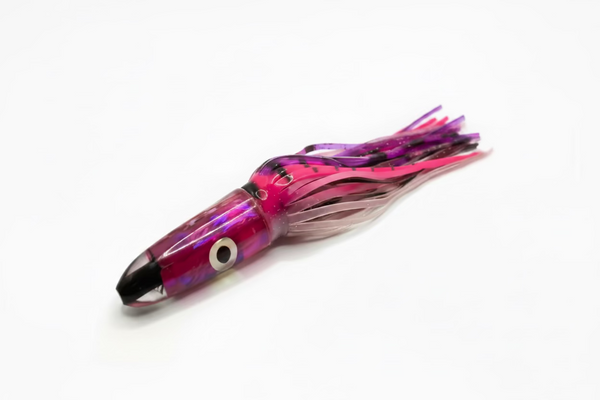
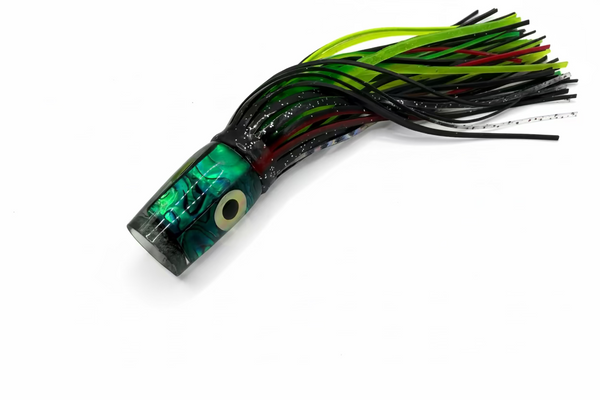
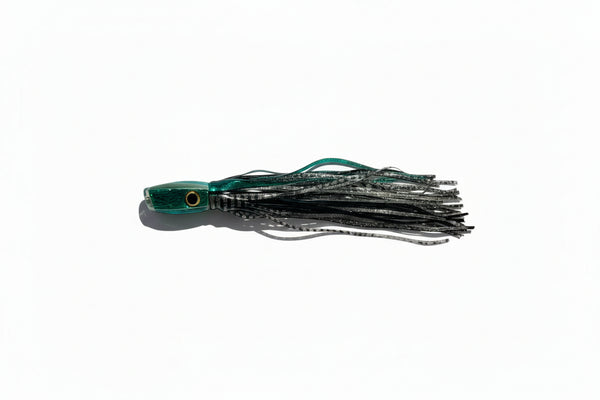
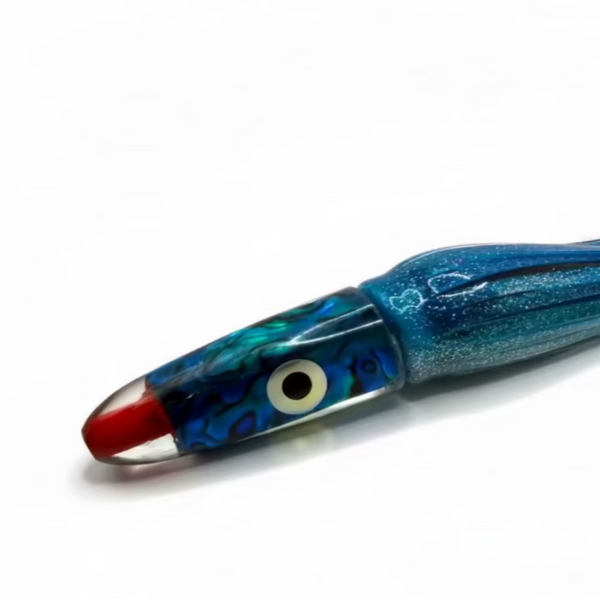
When a spread looks dead, fish act dead. That is why serious crews spend time dialing in the best offshore teaser chains instead of treating them like filler between the lures that “really matter.” A good chain adds commotion, flash, and direction to the spread. A bad one spins, blows out, tangles, and burns trolling time.
Teaser chains are not there to catch the crew’s eye. They are there to raise fish, hold their attention, and push them toward your strike lures. If they do that cleanly at speed, they earn a place in the pattern. If they do not, they are just drag.
What makes the best offshore teaser chains work
The best offshore teaser chains do three things well. First, they track straight in clean water without skipping unpredictably. Second, they throw enough flash and disturbance to get noticed without overpowering the rest of the spread. Third, they stay fishable all day, which means solid rigging, consistent spacing, and durable materials that do not quit after a few passes.
That sounds simple, but offshore tackle gets exposed fast. A chain that looks fine in flat water at the dock can turn into a mess once you are quartering into chop at 7 to 9 knots. Head shape, chain length, weight distribution, and rigging stiffness all matter. So does placement.
For most bluewater spreads, the right teaser chain acts like a support piece. It creates life in the lane, helps fish find the pattern, and gives your primary lures more context. Pelagics are not always feeding on one clean target. Often they are reacting to a bait school impression - scattered movement, fleeing flash, and one vulnerable bait lagging behind. That is where chains earn their keep.
Squid chains, bird chains, and mixed teaser chains
Not every chain belongs in every spread. If you are trying to choose the best offshore teaser chains for your boat, start with the style that matches your target species and how you troll.
Squid chains
Squid chains are the most versatile option in offshore fishing. They run clean, show well in rougher water, and match a lot of natural forage. Tuna, mahi, and marlin all respond to them when they are sized right. They are especially effective when you want visual bulk without excessive drag.
A well-built squid chain should have enough separation between squids to create a natural staggered motion, but not so much spacing that it loses the school effect. Too tight and it becomes a clump. Too spread out and it stops reading as a chain.
Bird chains
Bird chains add extra surface splash and can be deadly when fish are keyed in on fast-moving bait. They are excellent attention-getters, especially in brighter conditions or when you need to wake up the short corner and flat line zones. Wahoo and mahi often respond well to the added commotion.
The trade-off is control. Birds can pull hard, skip in cross chop, and create more tangle potential if the spread is crowded. They are best when your pattern has room for them and your hardware is strong enough to hold shape under pressure.
Mixed chains
Some of the best offshore teaser chains combine birds, squid, and a larger trailing teaser or lure head. This setup can be highly effective because it builds a clear progression - splash up front, bait profile through the middle, and a target point at the back. That can pull fish into the lane and hold them there long enough for your actual hooks to get eaten.
The downside is complexity. The more components you add, the more chances you create for fouling, poor tracking, and wasted motion. Mixed chains need to be built with purpose, not stuffed together because more plastic looks more “offshore.”
How to judge teaser chain quality before it hits the water
Experienced anglers usually spot junk rigging in seconds. The problem is that many teaser chains are sold on color and profile, while the parts that matter most are buried in the build.
Start with the backbone. Cable or heavy mono should match the job. If a chain is too limp, the components can fold into each other and track poorly. If it is too stiff in the wrong places, the action gets mechanical. Crimps should be clean and correctly sized, not smashed flat or loosely set. Connection points need to be strong enough for repeated trolling strain, not just one good fish encounter.
Then look at how the heads and bodies are balanced. Squids and birds need to sit straight and pull true. If the front of the chain is overweight or the terminal teaser is oversized for the rig, the whole thing can plow instead of swim. That kills the visual effect and tires the crew with constant adjustments.
Material quality also matters more than many anglers want to admit. Cheap plastics fade, harden, crack, and lose shape. Skirts collapse. Birds split. Paint chips. Offshore gear gets punished by UV, salt, speed, and impact. If the chain is built to a low price point, it usually shows up on the third trip, not the first.
Best offshore teaser chains by target species
The right chain depends on what you are trying to raise and how aggressive you want the spread to be.
Tuna
For yellowfin and blackfin, squid chains are hard to beat. Tuna respond to ordered bait-school impressions, especially when the chain tracks tight and clean behind a bird or small head. Green, pink, white, blue, and natural bait tones all produce depending on water color and light. You do not need a giant chain. You need one that runs straight and stays visible.
If you are targeting bigger tuna in mixed conditions, a chain with a little more flash can help, but too much surface commotion sometimes pushes the spread out of balance. Tuna often prefer controlled pressure over chaos.
Marlin
For marlin, teaser chains are there to raise fish and create a lane toward your hook baits or trailing lures. Larger squid chains and mixed teaser chains can be excellent in short positions where they make a strong visual statement. The fish does not need to eat the chain. It needs to light up on it and stay interested.
Marlin spreads leave more room for larger profile teasers, but they also punish bad tracking. If a chain tumbles or blows out, it loses all credibility fast.
Wahoo
Wahoo like speed, flash, and aggression. Bird chains can be highly effective here, especially when run where they throw clear surface disturbance and mimic fleeing bait. The chain needs to stay together at higher speeds. Wahoo trolling exposes weak rigging immediately.
If you regularly troll faster, compact chains with durable heads and less drag usually outperform oversized, floppy setups.
Mahi-mahi
Mahi are opportunistic, visual feeders. Smaller squid chains and bright mixed chains can work well, especially when there is weed, floating debris, or scattered bait in the zone. Mahi often respond to movement and color, but the presentation still has to run clean. A chain that looks erratic in the wrong way can spook more fish than it raises.
Where teaser chains belong in the spread
Placement decides whether a chain helps the spread or clutters it. Most teaser chains perform best in short or mid positions where fish can see the activity clearly and then move back toward your trailing lures. That is why many crews run them on flat lines, short riggers, or dedicated teaser positions.
The key is separation. If the chain is too close to another lure, it can steal water, create tangles in turns, or make the pattern look compressed. If it is too far outside the useful lane, it stops guiding fish where you want them. Spread geometry matters just as much as lure selection.
You also need to match chain size to sea state. In calm water, a more refined chain can show excellent action without much help. In rough water, you often need more profile or surface disturbance just to keep the teaser visible. Bigger is not always better, but invisible never gets bit.
Common mistakes anglers make with teaser chains
The biggest mistake is overbuilding the spread. Too many teaser chains can make your pattern noisy without making it better. Fish need a clear target path. If every lane is throwing equal splash and flash, your best lure loses definition.
Another mistake is using chains with poor terminal logic. Some crews put a heavy trailing teaser on a light chain and wonder why it dives badly or spins. Others run chains that are too light for their trolling speed and spend the day watching them skip. Matching the chain to speed and position is non-negotiable.
A third mistake is ignoring maintenance. Salt gets into everything. Crimps loosen over time. Chafe shows up where components rub. A teaser chain that tracked perfectly last season can become unreliable if nobody checks it before the next offshore run.
At K2Fishing, that is the whole point of a performance-driven spread component - it has to work when the water gets real, not just when it is hanging in the garage.
Choosing the best offshore teaser chains for your program
If you run a mixed-species spread, start with one proven squid chain and one surface-oriented chain, then build around them. That gives you two different signals in the water without turning the spread into a traffic jam. From there, adjust based on your trolling speed, predominant target, and how fish are showing.
If your focus is tuna, stay tighter and cleaner. If marlin are the main game, you can step up profile and visual presence. If wahoo are on the menu, durability and high-speed tracking matter more than almost anything else.
The right teaser chain should make the rest of your spread better. It should raise fish, create pressure, and keep your lanes organized. If it tangles, washes out, or forces constant babysitting, it is not one of the best offshore teaser chains no matter how good it looked in the package.
A strong offshore spread is built on control. Pick teaser chains that run true, hold up, and fit the job, and you can skip the guessing when the next fish climbs into the spread.