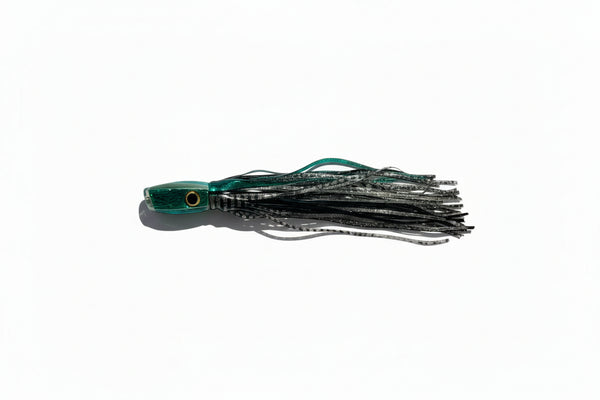
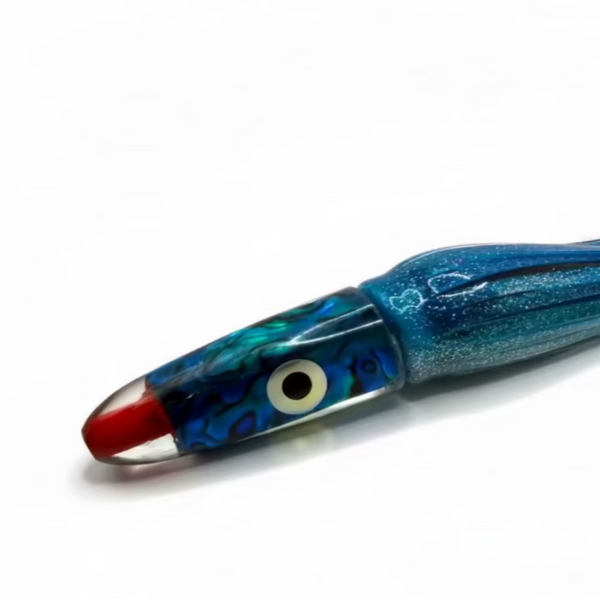
You can waste a full day offshore pulling the wrong color pattern through the right water. That is usually the real issue when anglers ask how to choose tuna lure colors. It is not about finding one magic skirt. It is about matching visibility, bait profile, and spread position to what tuna are actually seeing at speed.
Tuna are not casual feeders. They track bait in changing light, often from below, and they make fast decisions. A lure color that looks perfect in the tackle bag can disappear in blue water, wash out in overcast conditions, or get ignored when the fish are keyed on a specific bait. If you want a spread built to get strikes, color selection has to be deliberate.
How to Choose Tuna Lure Colors by Conditions
The fastest way to make better color calls is to stop thinking in terms of favorites and start thinking in terms of conditions. Water color, cloud cover, time of day, and sea state all change how a lure shows up. Tuna do not see your lure the way you see it in your hand. They see flash, contrast, silhouette, and movement through the water column.
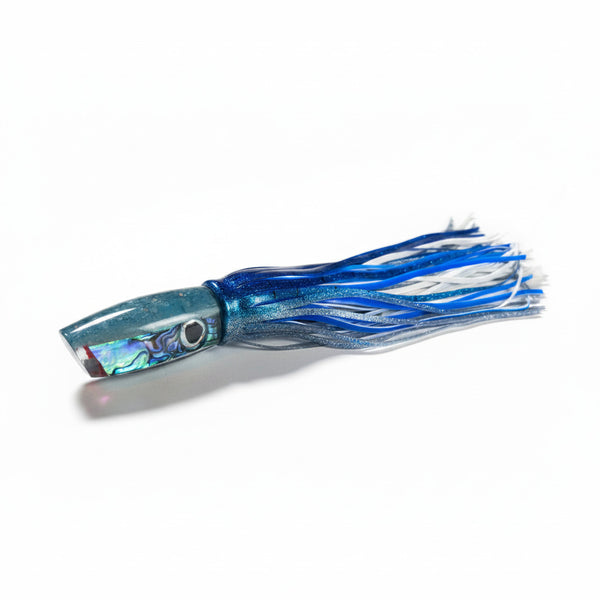
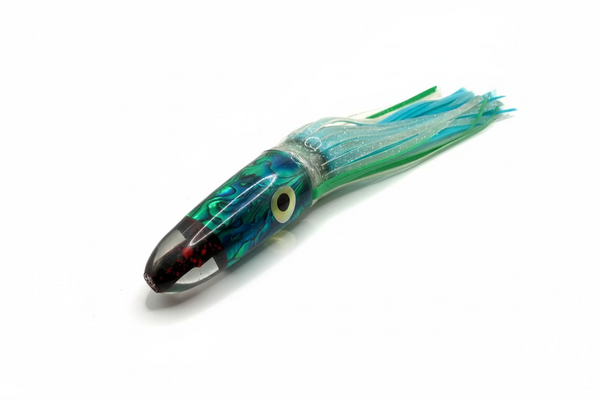
In clean blue water with high sun, natural bait tones tend to stay productive. Blue, silver, green, and translucent patterns usually track well because they match saury, flying fish, small mackerel, and other common offshore forage. These colors do not look loud, but they often look right. When tuna are feeding clean and the water has good visibility, that matters more than trying to shock them into biting.
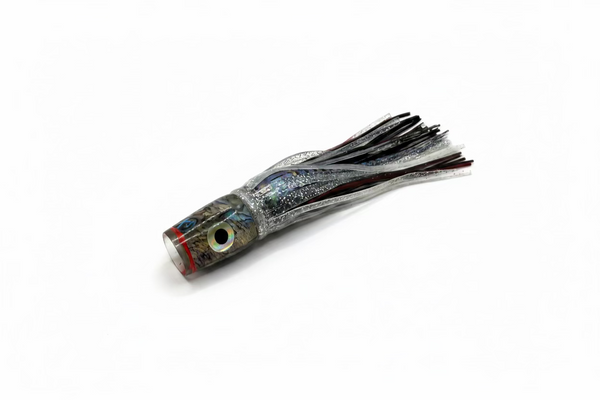
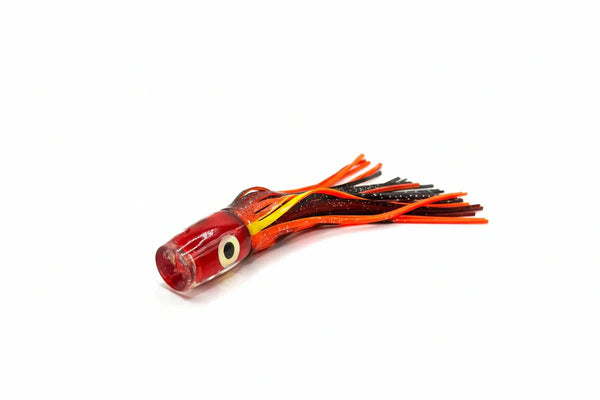
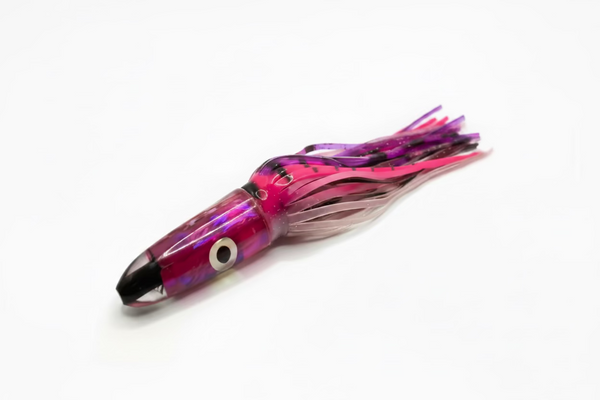
In lower light, dirty water, or heavy overcast, contrast becomes more important than realism. Black, purple, pink, red-black, and darker combinations hold a stronger silhouette. That does not mean bright colors stop working. It means your lure needs to remain visible and defined at trolling speed. If the fish cannot separate it from the background, color theory does not help you.
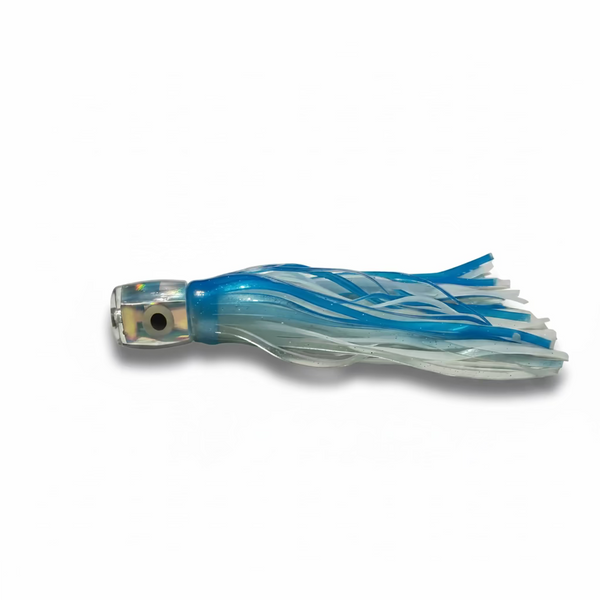
White is the wildcard that belongs in almost every tuna spread. It can imitate a broad range of bait, it stays visible in different light conditions, and it pairs well with pearl, silver, blue, green, pink, and abalone flash. Many crews keep coming back to white-based lures because they stay effective when the bite is inconsistent.
Start With What Tuna Are Feeding On
If the fish are blowing up on tiny anchovy schools, a giant loud pattern may still get swiped at, but it is not the highest-percentage move. When tuna are keyed on small, narrow bait, cleaner and more natural colors usually make more sense. Think blue-white, silver-blue, green-yellow, or subtle clear patterns with internal flash.
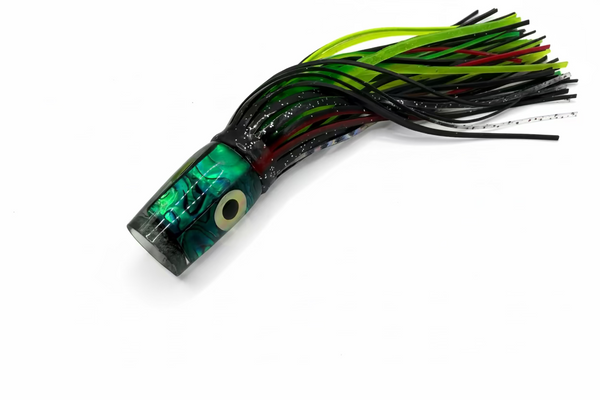
If they are on squid, saury, or mixed offshore bait, you can widen the range. This is where purple-black, pink-white, orange accents, and iridescent flash can all become part of the game. Tuna often respond hard to a lure that shows changing color and internal flash rather than one flat tone. That is one reason abalone-style finishes and resin work have such a strong place offshore. They do not just add shine. They create a changing visual signal as the lure tracks, smokes, and surfaces.
This is the part many anglers overcomplicate. You are not trying to match every scale on a baitfish. You are trying to give tuna a believable target. If the local feed is dark-backed and silver-sided, lean natural. If the water is gray and the fish are scattered, lean visible. If squid are thick, add color that suggests that profile without sacrificing contrast.
Light Levels Matter More Than Tackle Box Hype
Early morning and late afternoon are usually better windows for darker lure colors and stronger contrast. Black-purple, red-black, and dark blue patterns can stand out well when the sun is low. They throw a more defined silhouette and often hold shape better than lighter patterns in dim conditions.
Once the sun gets high and the water lights up, chrome, pearl, blue, green, and lighter baitfish colors often come alive. This is especially true in cobalt water where too much darkness can look blunt and unnatural. A lure with reflective flash and a cleaner head profile can outperform a heavy dark pattern when tuna are feeding by sight in bright conditions.
Cloud cover changes that again. A bright day with textured water can still favor flash. A flat gray sky can make high-contrast patterns more reliable. The answer is not switching every 20 minutes. The answer is reading what the spread is showing you. If your long rigger keeps getting window-shopped and short-struck, the color may need more contrast or less flash depending on the conditions.
Use Spread Position to Choose Tuna Lure Colors
This is where experienced crews separate themselves. Color does not work alone. It works with position, lure shape, and smoke trail.
Short positions usually get the most turbulence and the shortest look window. Those lures need to be easy to find. Strong contrast, heavier flash, and confident color combinations often make sense there. A darker lure in the short corner or a high-visibility pattern in the short rigger can help fish lock on fast.
Long positions often have cleaner water and a better presentation window. That is where more natural bait colors can shine. Blue-white, green-yellow, silver, and translucent flash patterns have room to look alive instead of just visible. If the fish are boat-shy or tracking but not committing, cleaner color patterns farther back can be the trigger.
Shotgun lures are a different conversation. If you are running one long and way back for tuna, it often pays to keep the color simple and believable. Too much loud color at long range can look wrong. A narrower bait profile with natural flash usually gives you a better chance.
Bright vs Natural Is the Wrong Argument
A lot of offshore talk gets reduced to bright colors versus natural colors. That is too simple to help anybody. The better question is whether your lure is getting seen the right way in the position you are pulling it.
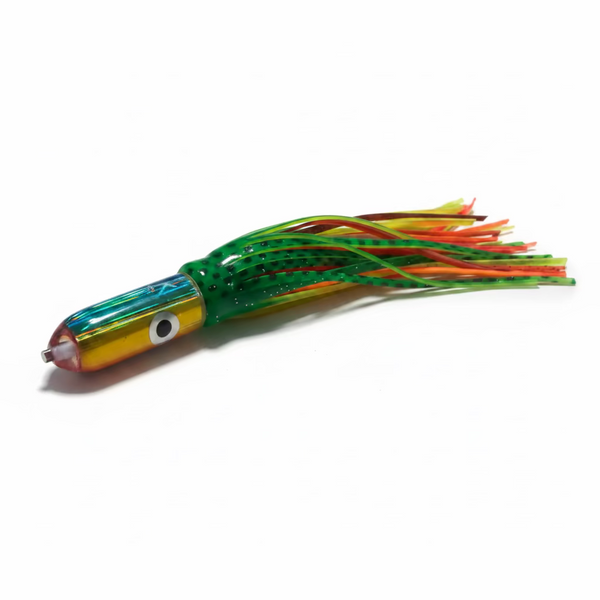
Bright colors can absolutely raise fish. Pink, chartreuse, orange, and aggressive contrast patterns have their place, especially in changing weather, rougher water, or when tuna are mixed with mahi or wahoo and the spread needs more punch. But bright does not always mean better. On calm days in clear water, some bright patterns look out of place and can get passed over.
Natural colors are reliable, but they are not automatically right either. In green water or under thick cloud cover, subtle blue-silver can disappear. If you are committed to natural colors, you still need visibility. That may mean more pearl, more internal flash, or a stronger dark back.
The trade-off is simple. Natural colors usually win on realism. Bright and dark contrast colors usually win on visibility. You need both categories available because tuna behavior shifts fast.
Flash Changes the Whole Equation
Color on its own is only part of what tuna react to. Flash matters because offshore predators key on movement and light break. A lure with layered resin, reflective tape, pearl shell effect, or abalone-style flash can show multiple signals in one pattern. That is a major advantage over flat, one-note color.
This matters most when the fish are not fully committed. Tuna may come up on a lure because of smoke and action, but the final decision often happens when they catch that side flash or color change. The best lure colors for tuna are usually not just one color. They are combinations that look alive in the water.
That is why premium offshore lures tend to outperform cheap skirt color alone. Head finish, translucence, and how the lure throws flash at speed all change what fish see. Serious anglers know this. A color pattern that tracks hard and flashes clean under pressure gets bit more often than a pretty lure with dead action.
Build a Starting Rotation That Covers the Water
If you want to skip the guessing, start with a spread that covers three lanes: natural, dark contrast, and high-visibility flash. That gives you options without turning the cockpit into a tackle experiment.
A strong starting mix for tuna is one blue-white or green-yellow bait pattern, one darker black-purple or red-black pattern, and one white-based lure with pearl or abalone flash. From there, adjust based on bites, not opinions. If fish keep showing on dark patterns, feed that signal. If the long positions are getting attention but no commitment, clean up the colors and reduce the noise.
You do not need twelve color theories. You need a few proven patterns in the right heads, rigged correctly, and matched to where they are swimming. That is the kind of approach K2Fishing is built around - performance first, guesswork last.
What Anglers Usually Get Wrong
The biggest mistake is changing color before they fix presentation. If the lure is blowing out, skipping wrong, or tracking dead, the color is not the problem. Tuna will forgive a lot on color before they forgive bad action.
The second mistake is copying what worked last trip without checking today’s water. Offshore conditions reset the board every time you leave the inlet. A bluebird day with cobalt water asks for something different than green water under a hard overcast.
The third mistake is carrying too many similar patterns. If every lure in the box is a slight version of blue-silver, you are not really testing color. You are just hoping one gets lucky.
When you are deciding how to choose tuna lure colors, think like a spread builder, not a collector. Run colors that give tuna a reason to see the lure, track it, and commit. Then let the fish narrow the pattern. Offshore, the right color is not the one that looks best on the rack. It is the one that keeps getting chewed when the spread is working right.