When mahi are lit up behind the boat, they can make average tackle look good. The problem is getting them to show up in the first place, then keeping them interested long enough to turn window-shopping into hookups. That is where the best lures for mahi separate themselves from the pile of offshore gear that looks good in a tackle tray but never earns a permanent spot in the spread.
Mahi are aggressive, fast, and willing to eat, but they are not random. They key on speed, flash, profile, and position in the spread. They also travel with changing water conditions, bait size, and current edges, which means the lure that gets crushed one day may get ignored the next. If you want a consistent mahi program, skip the guessing and build around lure categories that troll clean, throw real flash, and keep working when conditions get sloppy.
What makes the best lures for mahi work
A productive mahi lure does not need to be oversized or complicated. It needs to track straight, stay active at normal offshore trolling speeds, and present a bait profile mahi want to kill. In most cases, that means smaller to medium trolling lures with a lively head shape, clean bubble trail, and enough color contrast to stand out in blue water.
Mahi are visual feeders. They react to brightness, movement, and competition. That is why flashy resin heads, abalone inserts, and sharp color combinations consistently produce. It is also why lure action matters so much. If the lure spends too much time blowing out, spinning, or skipping wrong, mahi lose interest fast. A clean swimming lure that pops, smokes, and re-enters properly gets far more looks.
There is also a practical rigging piece here. Mahi often slash at a lure before fully eating it. A well-rigged bait with the right hook size and balance will convert more of those hits. Poor rigging costs fish, especially when a school shows up and you need every pass to count.
1. Small bullet lures for clean high-speed tracking
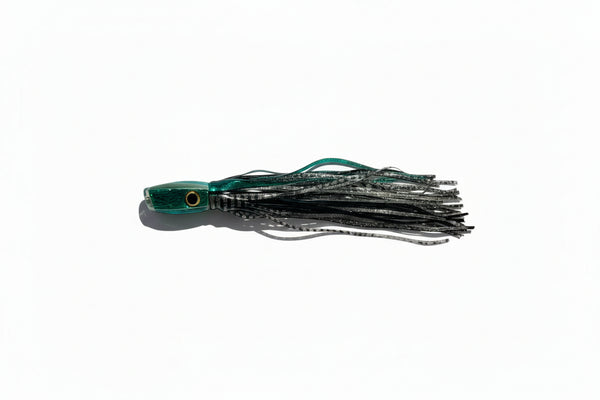
Small bullet-style lures are a staple for mahi because they stay in the water, hold their line, and keep producing even when the sea state gets less than perfect. They are especially useful on the long rigger, shotgun, or any position where you want a lure to run clean without excessive skipping.
For mahi, a bullet is not always the most aggressive lure in the spread, but it is often one of the most dependable. It imitates small fleeing bait, handles a broad speed range, and gives fish an easy target. When bait is small or the fish are spread out under weed lines and current seams, a smaller bullet can outperform bulkier heads.
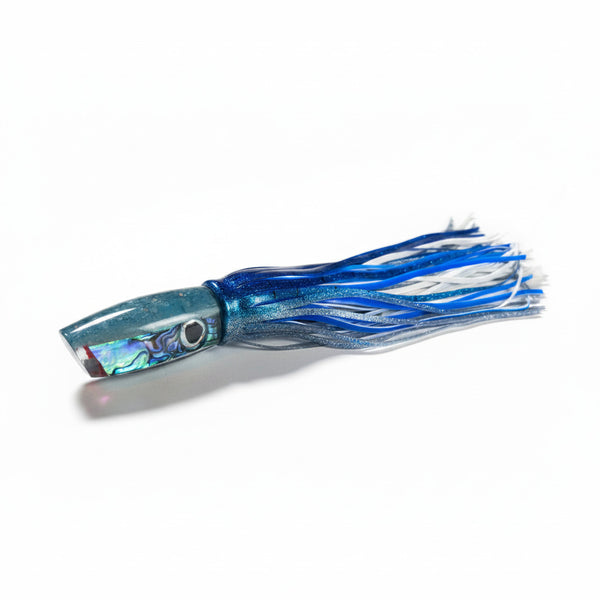
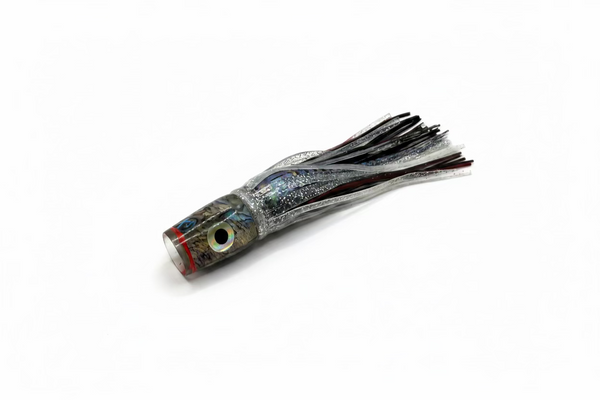
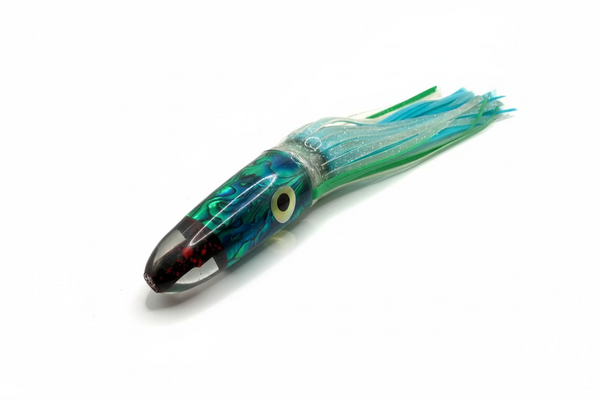
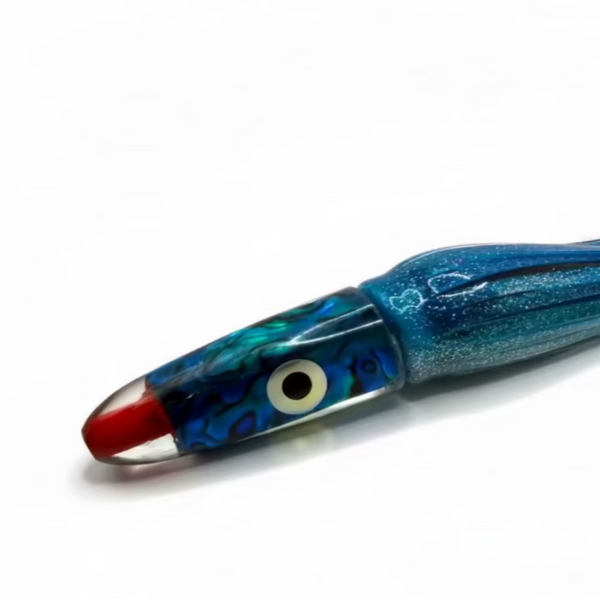
Abalone resin bullets are especially effective because they add flash without killing the lure’s clean tracking. That extra flicker can be enough to pull fish up from below, particularly in clear water under bright sun.
2. Medium chuggers and slant heads for more surface commotion
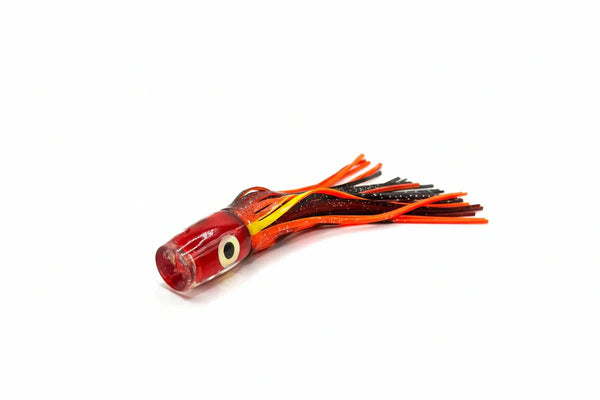
If fish are fired up or you need to raise mahi from distance, a medium chugger or slant head earns its place. These lures throw more water, make more noise, and create a stronger smoke trail. That added commotion can be the difference when you are trolling open water with scattered bait and want to get noticed.
The trade-off is control. A lure with more face and more aggression can blow out if the speed is too high or the sea is too steep. That does not make it the wrong choice. It just means placement matters. Run these where they can breathe and cycle properly, usually in cleaner water close enough to the boat to stay active but not so close that they get washed out.
For mahi, medium is usually the better call than large. You want action and visibility, not a marlin-sized mouthful unless the bait situation clearly supports it.
3. Resin-coated trolling lures with strong flash
Resin-coated heads consistently rank among the best lures for mahi because they combine durability with visual punch. A good resin lure can take abuse, maintain its finish, and keep producing after repeated strikes. For anglers who fish hard, that matters.
Flash is not just cosmetic. Mahi often react to that quick burst of reflected light the same way they react to panicked bait. Resin heads with layered color, reflective inserts, or abalone detail create a more alive look in the water. On overcast days or in green-blue transition water, that extra flash helps the lure stand out.
This is one area where premium build quality shows. A properly finished, USA-rigged trolling lure that tracks true at speed is built to get strikes and keep working after they happen. Cheap heads with inconsistent balance and weak skirts usually fail on one of those two jobs.
4. Pink and blue combinations when the water is clean
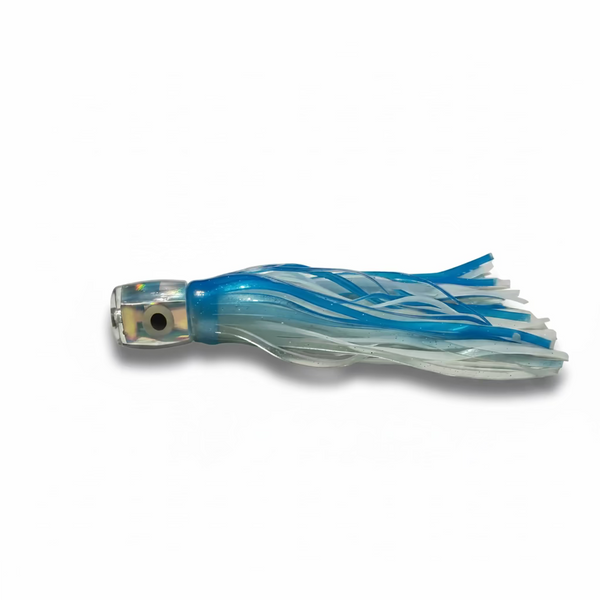
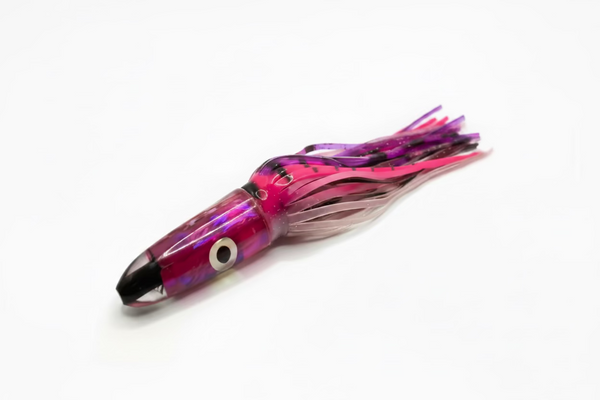
Color matters with mahi, but not in the simplistic way many anglers treat it. There is no single magic color every day. What works is contrast, visibility, and matching the water and bait profile. In clean blue water, pink and blue combinations are hard to beat. They show up well, suggest flying fish and small pelagics, and keep producing across different light levels.
Blue-white, pink-white, and blue-pink-silver are all reliable mahi colors. If the water is bright and the fish are active, louder finishes can shine. If the fish are pressured or hanging under debris, a more natural blue-white profile may get bit more consistently.
The point is not to overcomplicate it. Start with proven offshore colors, then watch what the fish tell you.
5. Green, yellow, and chartreuse around weed lines
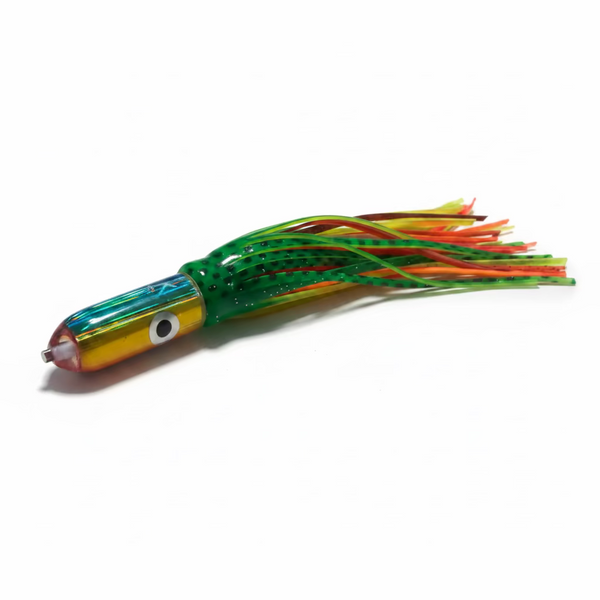
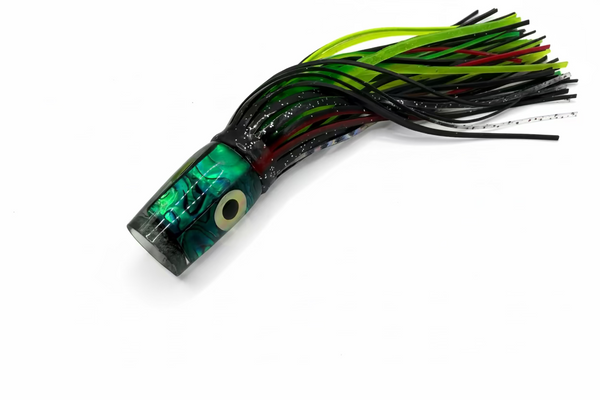
When mahi are tight to sargassum, floating debris, or color breaks, green and yellow patterns often move to the front. These colors mimic the forage mahi see every day around weed edges, including small baitfish, juvenile runners, and anything flashing gold-green in the surface layer.
Chartreuse, green-yellow, and combinations with some silver or pearl can be deadly in these scenarios. They carry enough brightness to be seen around broken weed and surface glare, and they fit the natural feed zone mahi are hunting.
This is where a lure with a lively but controlled action pays off. Fish holding around structure are already in a target-rich environment. Your lure has to look easy to kill.
6. Smaller skirted lures when mahi get picky
Mahi have a reputation for being reckless, but they can absolutely get selective. Heavy pressure, odd current, too much boat traffic, or oversized offerings can make them fade off a spread. When that happens, dropping down in size is often the fix.
Smaller skirted lures with a compact head profile get more bites from school-sized and mid-sized mahi, especially when the bait is tiny. They are also easier for fish to inhale cleanly, which can improve hookup ratio. If you are raising fish but missing bites, do not just blame hooks. Look at lure size.
A smaller lure on lighter but still offshore-capable tackle can be one of the most efficient ways to turn followers into catches.
7. Birds, chains, and teasers that raise fish to the spread
Strictly speaking, birds and teaser chains are not your hookup bait. But they absolutely belong in the conversation about the best lures for mahi because they create the visual commotion that often brings the fish in. Mahi are competitive. Show them a fleeing school and they will often charge right into the pattern.
A simple bird ahead of a small lure, or a squid chain run as a teaser, can make the whole spread more effective. This is particularly useful when covering open water between weed lines or working temperature edges where fish may be scattered.
The key is balance. Too much hardware can spook fish in calm conditions. Too little surface activity can leave your spread invisible. Build enough commotion to raise them, then give them a clean, eatable target behind it.
8. The shotgun lure that cleans up behind the spread
A lot of mahi get caught on the farthest lure in the pattern. The shotgun runs clean water, avoids prop wash, and often picks off fish tracking the boat but not committing to the closer positions. For that role, a smaller bullet or streamlined resin lure is hard to beat.
You want something that stays disciplined. No wandering. No spinning. No drama. Just a clean bait profile that keeps smoking in the lane. If the spread is doing its job and raising fish, the shotgun often gets the bite from the one fish that hangs back before charging in.
How to choose the right mahi lure for the day
Start with sea conditions, then bait size, then water color. In calm water, you can get away with more active heads and lighter lure sizes because the action stays clean. In rougher seas, more stable bullets and compact heads usually produce better.
If the bait is small, scale down. If flying fish are thick and the mahi are charging, medium slant heads and brighter profiles can be excellent. In blue water with good visibility, flash-heavy resin lures shine. Around weed lines, lean into green, yellow, and natural bait tones.
Speed matters too. Most mahi trolling happens in a range where the lure needs to swim, smoke, and pop without blowing out. That means lure design and rigging have to match your actual program, not a catalog description. Serious anglers know this is where tested tackle earns its keep.
Best lures for mahi are only part of the equation
You can have the right lure and still miss the program. Mahi respond to spread shape, lure spacing, clean rigging, and attention at the transom. Watch every lure. If one is not running right, fix it immediately. If one position keeps getting bit, learn from it and adjust. Offshore fishing rewards anglers who pay attention.
That is also why premium, species-specific tackle matters. K2Fishing builds offshore trolling lures for real spread performance, not for hanging on a pegboard. When a lure tracks right, flashes hard, and stays together under pressure, you spend less time second-guessing and more time fishing with confidence.
The best mahi lure is the one that matches the conditions, runs clean every minute it is in the water, and gives fish a target they want to crush. Build your spread around that standard, and mahi stop feeling unpredictable.