Avoiding Common Offshore Fishing Mistakes
In big-game fishing, the margin between a trophy catch and an empty fish box is often measured in degrees of temperature and inches of leader. Success is not a matter of chance but a function of precision. Many anglers, however, are held back by recurring yet avoidable errors. This guide identifies five critical Offshore Fishing Mistakes and provides the professional solutions needed to correct them. Understanding how to avoid fishing mistakes is what separates consistently successful anglers from those who depend on luck. By mastering these fundamentals, you can elevate your process from inconsistent to methodical, ensuring every trip is built on a foundation of performance and strategic execution.
Mistake 1: Relying on Stale Environmental Data
One of the most significant errors in offshore preparation is relying on outdated environmental information. Using sea surface temperature (SST) charts or chlorophyll maps that are days old is equivalent to navigating with a faulty compass. Pelagic species are highly mobile, constantly following dynamic ocean features like temperature breaks and current eddies. An unproductive trip is often the direct result of fishing where the fish were, not where they are.
The professional solution is to prioritize access to real-time or near-real-time satellite data immediately before departure. This allows for precise targeting of productive water. As detailed in a BD Outdoors article on common angler errors, successful captains use this data to identify where productive water masses have migrated. Before leaving the dock, analyze the latest imagery for sharp temperature gradients where different water bodies meet. Look for distinct chlorophyll concentration zones that indicate the presence of phytoplankton, the foundation of the baitfish food chain. Finally, identify the formation of eddies, which act as natural aggregation points for both bait and predators. Targeting these specific features is a cornerstone of data-driven angling.
Mistake 2: Overcomplicating the Trolling Spread
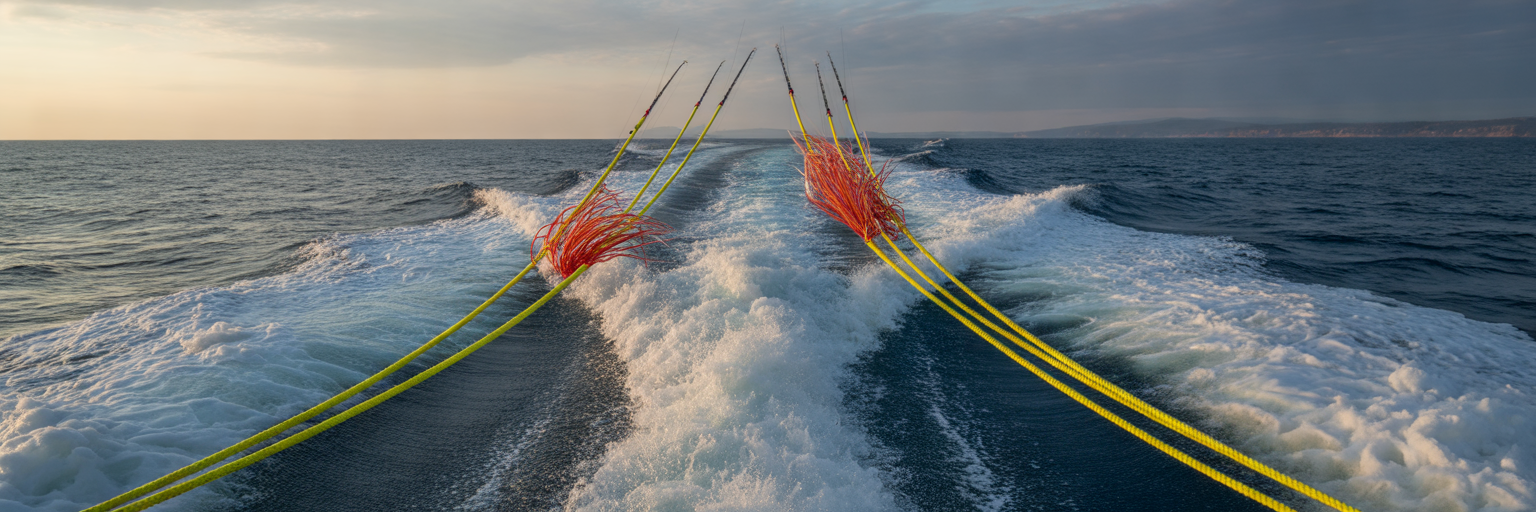
A common misconception among anglers is that deploying more lines directly translates to more opportunities. In practice, an overly crowded trolling spread often creates more problems than it solves. Spreads with eight, ten, or even more lines frequently lead to tangles, especially during turns or in rough seas. This complexity reduces boat maneuverability and creates a chaotic, inefficient response when a fish strikes, increasing the likelihood of a lost catch.
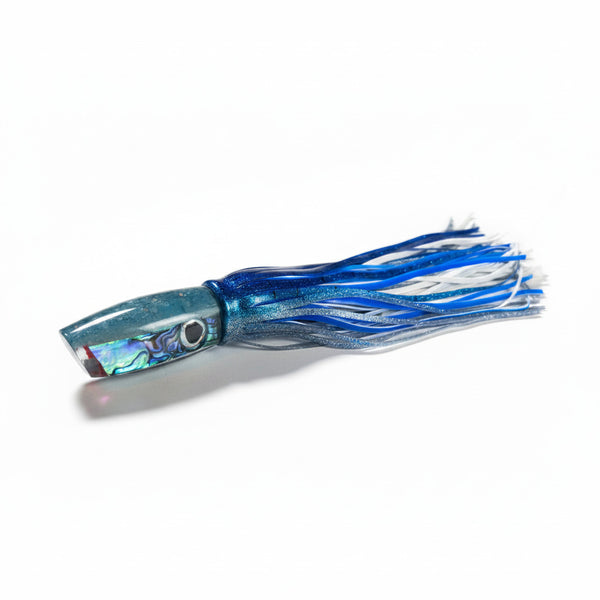
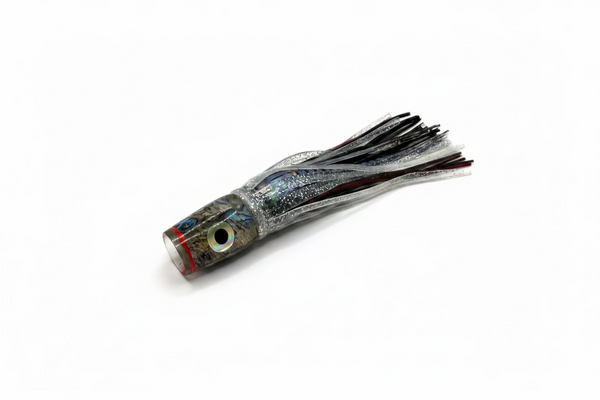
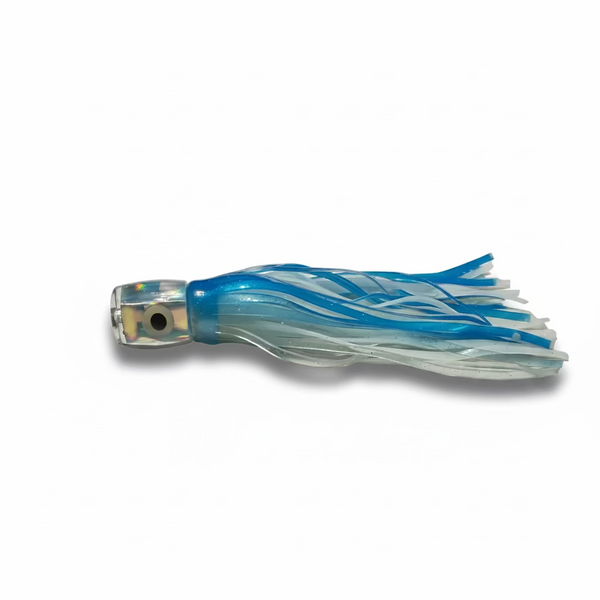
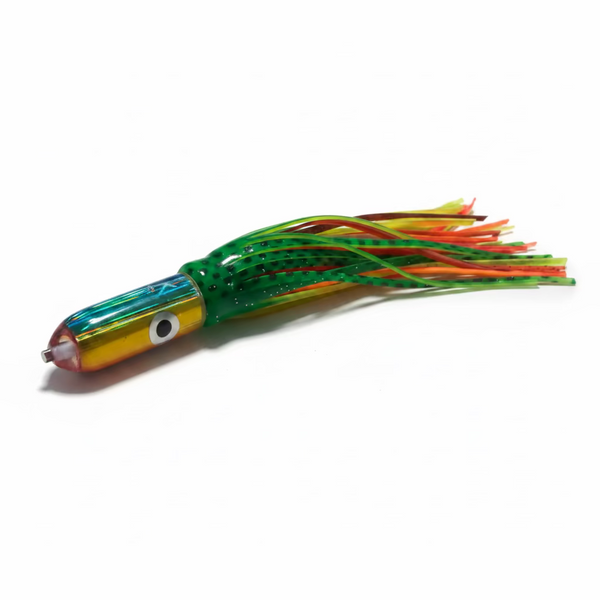
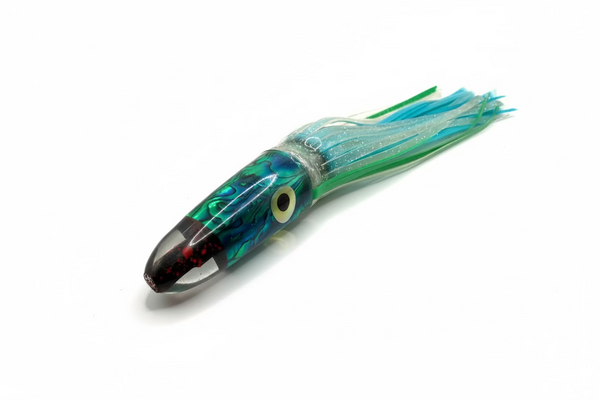
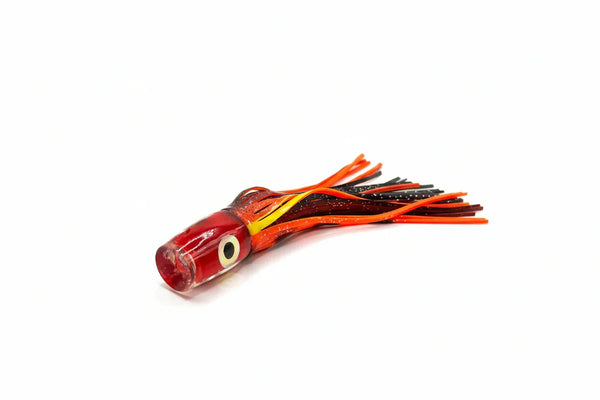
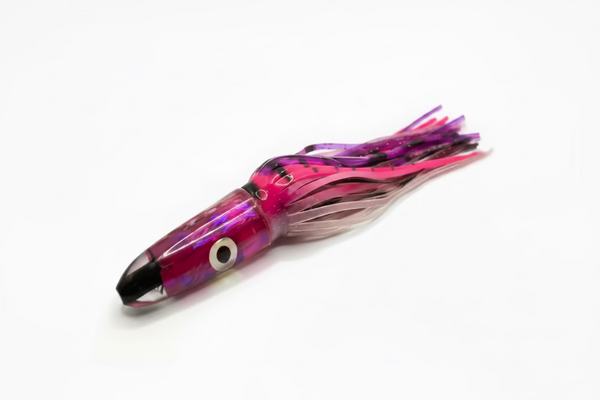
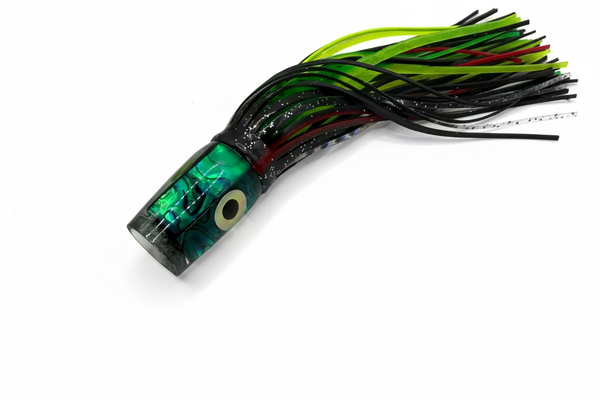
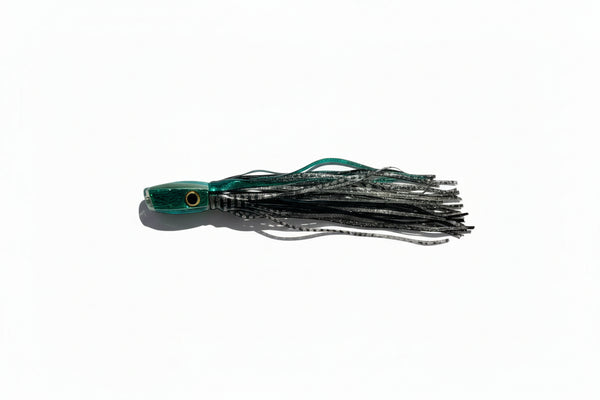
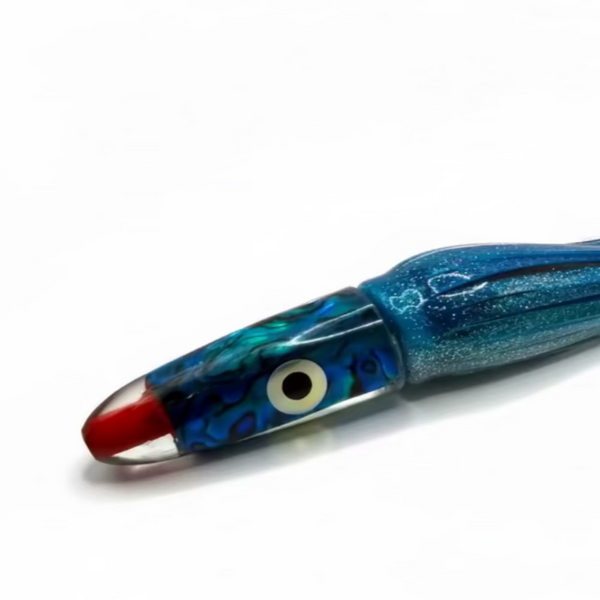
The superior approach is to focus on quality of presentation, not quantity of lures. A well-managed spread of four to six high-performance lures will consistently outperform a cluttered arrangement. This is a fundamental principle of effective offshore trolling techniques. Each lure should be chosen for a specific purpose and placed in a precise position within the wake. For example, a large resin head lure might run on the short corner, a squid chain on the long rigger, and a smaller teaser in the shotgun position. This creates a cohesive and irresistible presentation that draws fish into the spread. A clean, tuned, and strategically designed spread maximizes lure performance and increases the hook-up-to-catch ratio. For a detailed guide on lure placement and patterns, consider our insights on building the perfect offshore trolling spread.
| Factor | Cluttered Spread (8-10 Lines) | Strategic Spread (4-6 Lines) |
|---|---|---|
| Lure Performance | Reduced action due to interference | Optimized, unimpeded action |
| Maneuverability | Slow, wide turns to avoid tangles | Quick, tight turns on fish are possible |
| Tangle Risk | High, especially in rough seas or turns | Minimal, allowing for a clean presentation |
| Hook-up Efficiency | Chaotic, often leading to lost fish | Organized, enabling a clear path to fight the fish |
Mistake 3: Neglecting Pre-Deployment Gear Checks
The moment of the strike is not the time to discover equipment failure. A critical but often overlooked mistake is deploying gear without a meticulous pre-deployment inspection. This lack of discipline is the source of countless lost fish, with failures stemming from dull hooks, frayed leaders, improperly set drags, or damaged lure components. These are preventable errors that compromise performance at the most crucial moment.
A non-negotiable step in a professional operation is the “swim test.” Before letting a lure out to its trolling position, run it alongside the boat at speed. This allows you to verify its action is correct and that it is not spinning or blowing out of the water. This simple check ensures every lure in your spread is performing optimally. Before each trip, implement a strict gear integrity checklist:
- Hooks: Inspect for sharpness and signs of rust. Sharpen or replace as needed.
- Leaders: Check the entire length for nicks, abrasions, or chafing. Re-tie if any damage is found.
- Crimped Connections: Examine for any signs of slippage or corrosion.
- Drag Settings: Verify with a scale to ensure they are set to the correct pressure.
This discipline prevents gear failure from being the reason a trophy fish is lost, and a key part of that is knowing how to properly maintain fishing lures for peak performance.
Mistake 4: Improper Fish-Fighting Technique
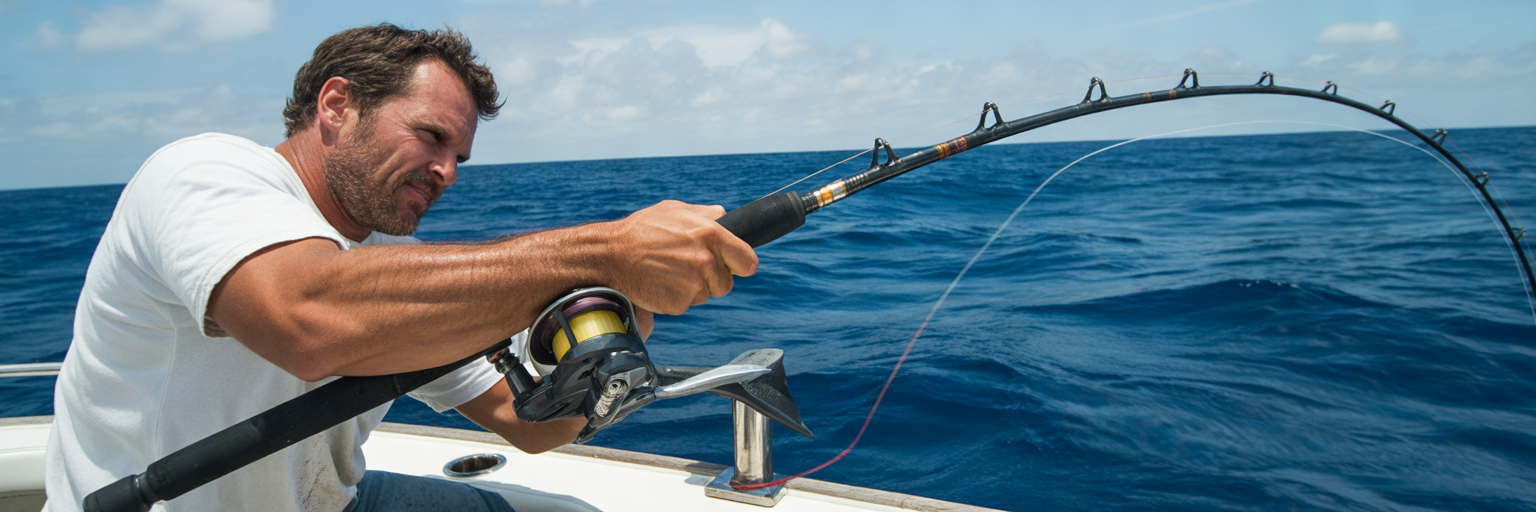
Getting a strike is only half the battle. Converting that strike into a landed fish requires skill, technique, and composure. Many anglers lose fish due to fundamental errors during the fight, such as attempting to reel while the fish is taking drag, allowing slack to develop in the line, or using poor body mechanics that lead to premature fatigue and pulled hooks. These are not just minor issues, they are fight-ending mistakes.
The correct approach is the disciplined “pump and wind” technique. This is one of the most critical big game fishing tips an angler can master. Use the rod to lift the fish’s head with a smooth, powerful motion (the “pump”), then quickly reel down to gain line as you lower the rod tip. This method works with the fish, not against it, conserving angler energy and keeping constant pressure on the hook. Fighting a large pelagic is also a team effort. The captain must actively maneuver the boat to help the angler gain line, maintain a favorable angle on the fish, and prevent it from running under the boat. Proper fighting technique is a learned skill, not an instinct. Mastering this is essential for converting strikes into successful catches, especially when using the best trolling lures for marlin and tuna, which attract powerful strikes.
Mistake 5: Disregarding Natural Environmental Cues
Modern marine electronics are powerful tools, but an over-reliance on them can lead to "screen-staring." This tunnel vision causes anglers to miss crucial signs of life in the surrounding environment. The ocean provides its own set of indicators, and ignoring them means overlooking high-probability opportunities to find feeding fish.
A disciplined crew understands that satellite data gets you to the right neighborhood, but direct observation helps you find the exact address. To improve fishing success, at least one person on board should always be scanning the horizon, preferably with binoculars. Look for these key natural signs:
- Diving Birds: Frantic, focused diving by terns, gannets, or shearwaters almost always signals a bait school being pushed to the surface by predators.
- Weed Lines: Distinct lines of sargassum or other debris create structure and attract baitfish, which in turn attract game fish.
- Surface Slicks: Calm patches on the water can indicate upwellings or the oils released from baitfish being attacked below.
- Visible Bait: Look for showering flying fish or nervous water, which are clear signs that predators are nearby.
Integrating visual scanning with electronic data provides a complete picture of the environment, dramatically increasing your chances of locating actively feeding game fish.
Achieving Consistent Offshore Performance
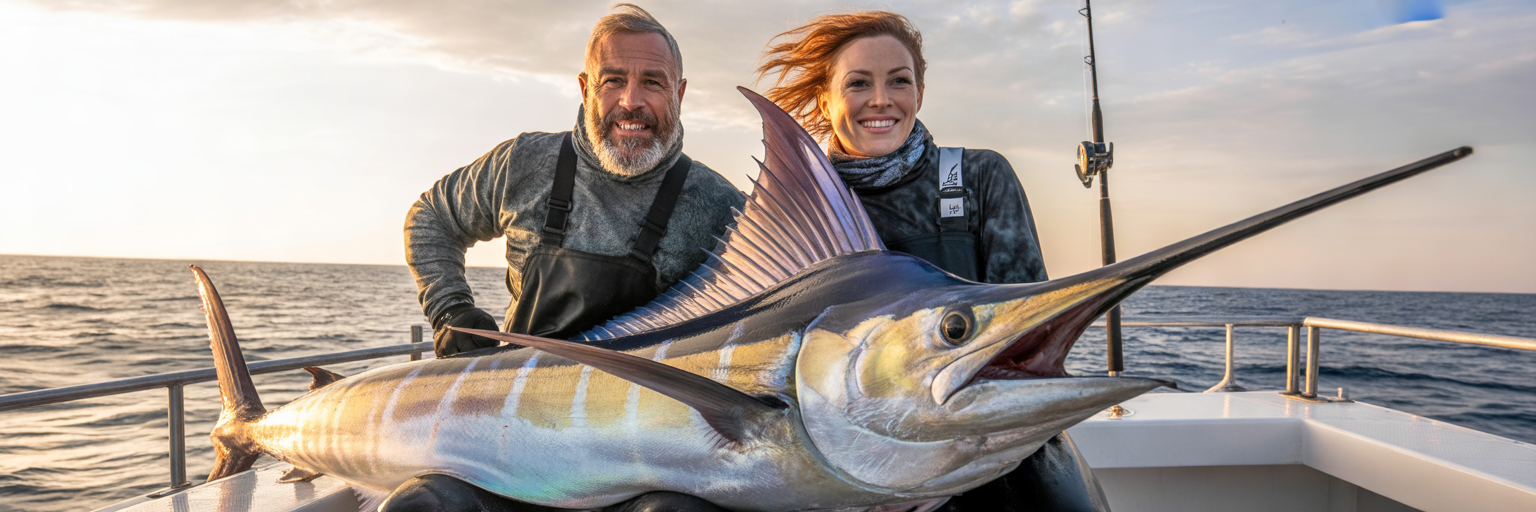
Consistent offshore success is not accidental. It is the direct result of eliminating errors and executing a disciplined strategy. By leveraging real-time data, optimizing your trolling spread, ensuring gear integrity, mastering fighting technique, and observing natural cues, you move from relying on luck to engineering performance. This methodical preparation is the foundation of success in any high-stakes endeavor, much like following your essential guide to acing remote job interviews ensures you are ready for any challenge. The commitment to flawless execution, combined with an investment in high-performance equipment, is what separates the best from the rest. By eliminating these common errors and adopting a professional mindset, anglers can transform their approach, turning potential into proven results with the right gear from K2Fishing.