Why You Must Maintain Fishing Lures
A premium offshore trolling lure is an engineered instrument, designed for a specific hydrodynamic action and reflective signature. For the serious angler, learning to maintain fishing lures is not a chore but a core discipline essential for consistent success. Protecting this investment is as critical as selecting the right bluewater coordinates. The performance of your lure is directly tied to its condition. Even minor degradation, such as corrosion on hooks, UV damage to skirts, or physical scratches on a lure’s head, compromises its intended action and flash. This makes it significantly less attractive to target species like marlin, tuna, and wahoo. A compromised lure fails to produce the precise vibrations and visual cues it was designed for, directly impacting your hook-up ratio. Establishing a systematic maintenance routine, including post-trip cleaning, seasonal inspections, and correct storage, ensures your equipment performs exactly as intended on every trip. This discipline separates proficient anglers from the rest, guaranteeing that your gear is always an asset, never a liability.
Post-Trip Cleaning Protocol for Saltwater
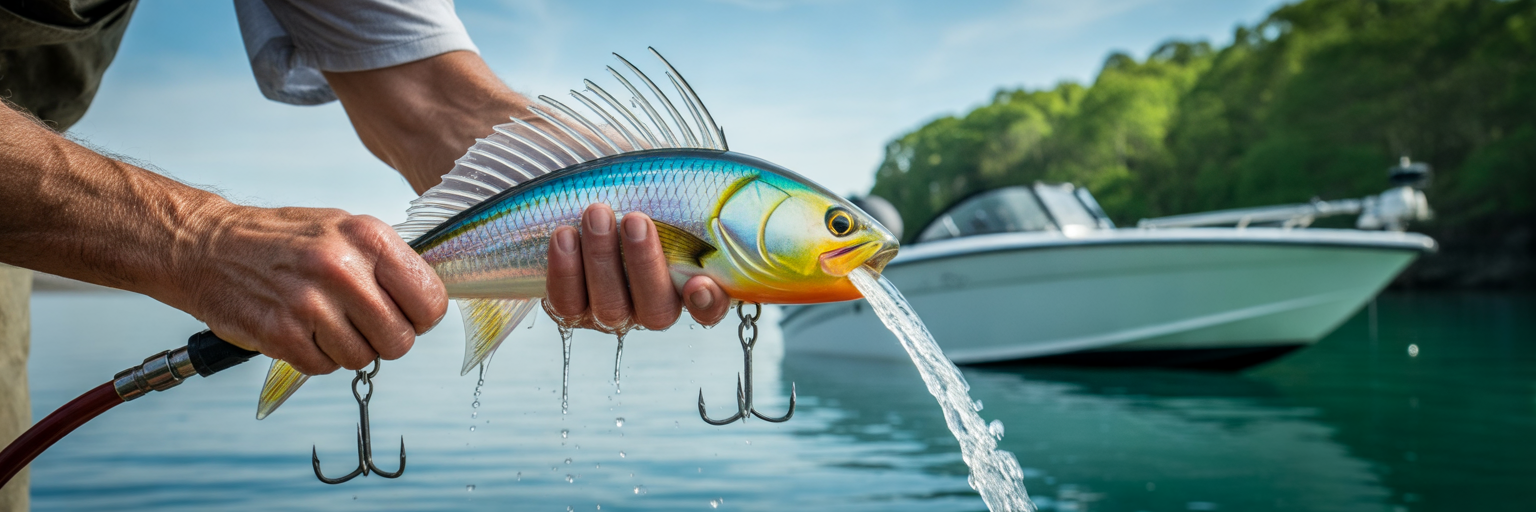
The moments after returning to the dock are critical. Saltwater begins its corrosive attack on metal components and lure finishes almost immediately, making a disciplined post-trip cleaning protocol non-negotiable. As documented in resources like the Texas Parks & Wildlife Department's guide on gear maintenance, this immediate action is essential to prevent long-term damage. Effective offshore trolling lure care is straightforward but requires precision.
Follow this mandatory process for every lure after exposure to saltwater:
- Immediate Freshwater Rinse: Use a gentle, low-pressure stream of fresh water to remove salt crystals and surface debris. High pressure can force water into lure bodies or damage delicate finishes and skirts, so control is key.
- Wash with Mild Soap: A simple rinse is not enough. Gently wash each lure with a mild, non-detergent soap and water solution. This step removes residual salt, fish slime, and other organic matter that can accelerate corrosion and degrade materials over time.
- Thorough Drying: This is the most vital step in the process. A single damp lure can introduce destructive moisture into an entire tackle box. Use a soft, absorbent cloth to dry each lure completely. For intricate areas like hook hangers, split rings, and crevices in resin heads, use compressed air to ensure no moisture remains. Only when a lure is bone-dry is it ready for storage.
Advanced Storage to Prevent Degradation
With your lures clean and dry, the focus shifts to long-term protection. Proper storage is not passive, it is an active strategy to stop degradation before it starts. To prevent lure corrosion on hooks and other metal components, store them in specialized rust-inhibiting tackle trays. For added security in humid environments, place a few desiccant packs inside your storage containers to absorb any ambient moisture.
Soft plastics present a unique challenge. The answer to how to store soft plastic lures correctly is to keep them separated. Different chemical formulas can react with one another, causing them to melt, deform, or bleed colors. Always store them in their original packaging or in tackle trays that keep different types and colors apart.
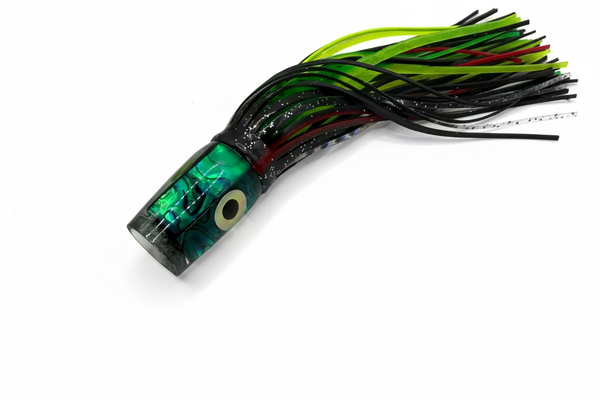
All lures, regardless of type, should be stored in a cool, dark, and climate-controlled environment to prevent UV fading and heat damage. This is especially true for the best trolling lures for marlin and tuna, which often feature complex skirts and heads that require careful storage. High-performance resin-head lures should be kept in breathable lure bags, preferably hanging, to protect the skirt material from being crushed or developing a permanent set, which would ruin their action in the water.
| Lure Type | Primary Risk | Optimal Storage Solution |
|---|---|---|
| Resin-Head Trolling Lures | Scratches, UV Fading, Skirt Damage | Hang in a breathable lure bag in a cool, dark place. |
| Soft Plastic Baits | Melting, Deformation, Color Bleeding | Store in original packaging, separated by type and color. |
| Metal Jigs/Spoons | Corrosion, Rust | Store in a rust-inhibiting tackle tray with desiccant packs. |
| Hard-Body Plugs | Hook Tangles, Finish Scratches | Use tackle trays with individual dividers. |
Hard-Body Lure Finish and Tune Restoration
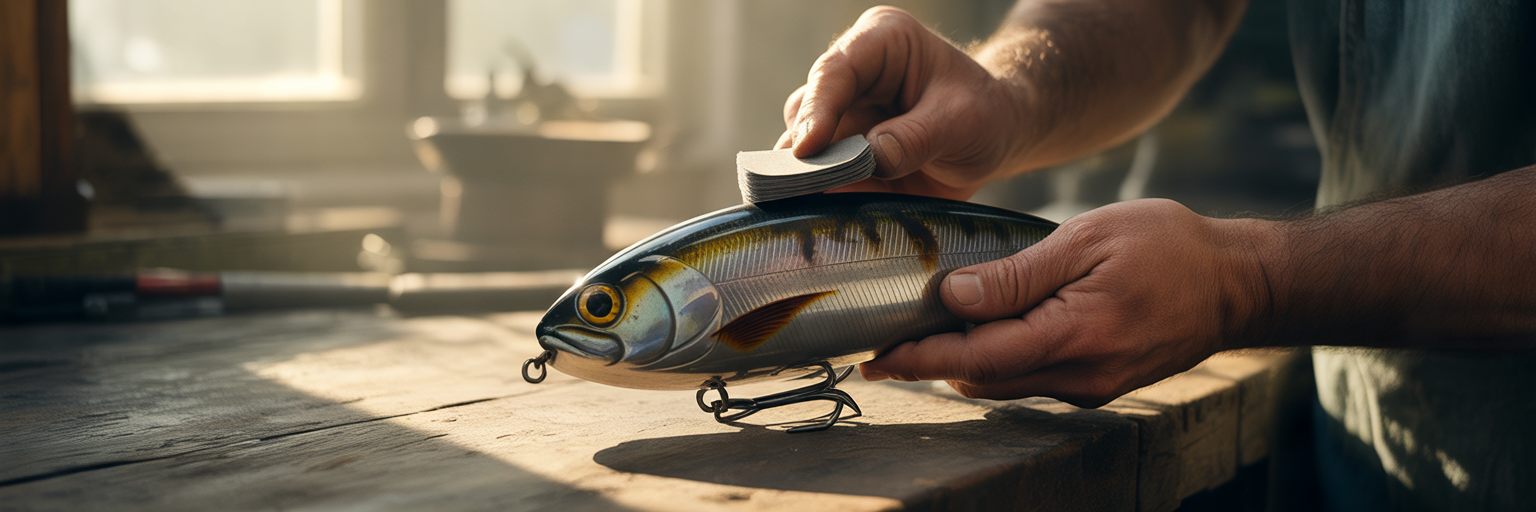
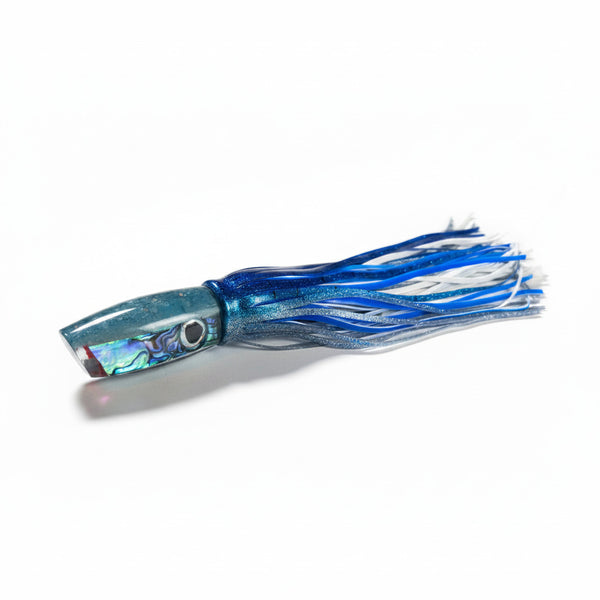
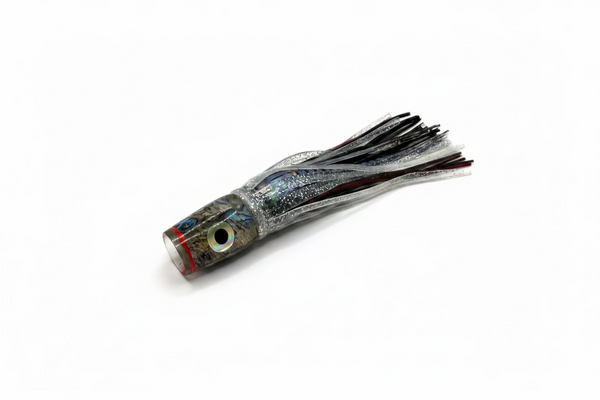
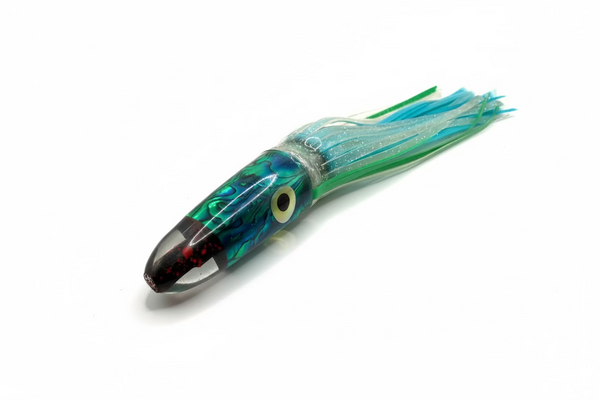
Even with meticulous care, hard-body lures will eventually show signs of battle. These professional fishing lure maintenance tips focus on restoring your lure’s performance when wear and tear occurs. Scratches and scuffs on resin or abalone heads are more than cosmetic flaws, they disrupt water flow and significantly reduce the reflective flash that triggers strikes.
To restore a lure’s finish, use a very fine-grit wet sandpaper (1500-grit or higher) or a dedicated plastic polishing compound. Gently work the surface to smooth out imperfections, which restores both the hydrodynamic profile and the light-reflecting properties of the lure head. For deeper chips, use a marine-grade touch-up enamel to match the color. Follow this with a thin layer of clear coat to seal the repair, protecting the lure body from water intrusion and further damage.
Perhaps the most overlooked aspect of lure maintenance is tuning. A lure that pulls to one side or rolls over is ineffective. To correct this, slightly bend the line tie or eyelet in the opposite direction of the unwanted movement. Make very small adjustments and test the lure in the water until it runs true. A properly tuned lure is essential for achieving the optimal trolling speeds for offshore species, as even a slight misalignment can ruin its presentation and cost you a fish.
Maintaining Hook and Terminal Tackle Integrity
A premium lure is useless if its hooks and connections fail. The integrity of your terminal tackle is paramount, as it represents the final link between you and a trophy fish. The first step is to constantly assess hook sharpness. This simple "fingernail test" is a technique recommended by fishery management agencies like the Fairfax County Park Authority as a quick and reliable assessment: press the hook point lightly against your thumbnail. If it slides without grabbing, it is too dull and requires immediate attention.
Your terminal tackle maintenance should include these key actions:
- Sharpening Hooks: The process of sharpening fishing hooks should be done with a dedicated hook file or stone. Work on each side of the point to create a triangular, cutting edge. This geometry provides superior penetration, especially on the tough, bony mouths of big-game species.
- Managing Rust: Differentiate between treatable surface rust and structural corrosion. Light surface rust can often be removed with a wire brush or a brief soak in vinegar, followed by a thorough rinse and dry. If the rust has caused pitting or weakened the metal, the hook is compromised and must be replaced without question.
- Inspecting Terminal Tackle: Regularly inspect all split rings, swivels, and crimps for signs of rust, deformation, or wear. Any component that appears stretched or corroded should be replaced immediately to prevent failure under load.
Maintaining every component is a core part of the essential trolling setup tips for offshore anglers, as a single failed swivel can cost you the fish of a lifetime.
Extending the Life of Rigged Soft Plastics
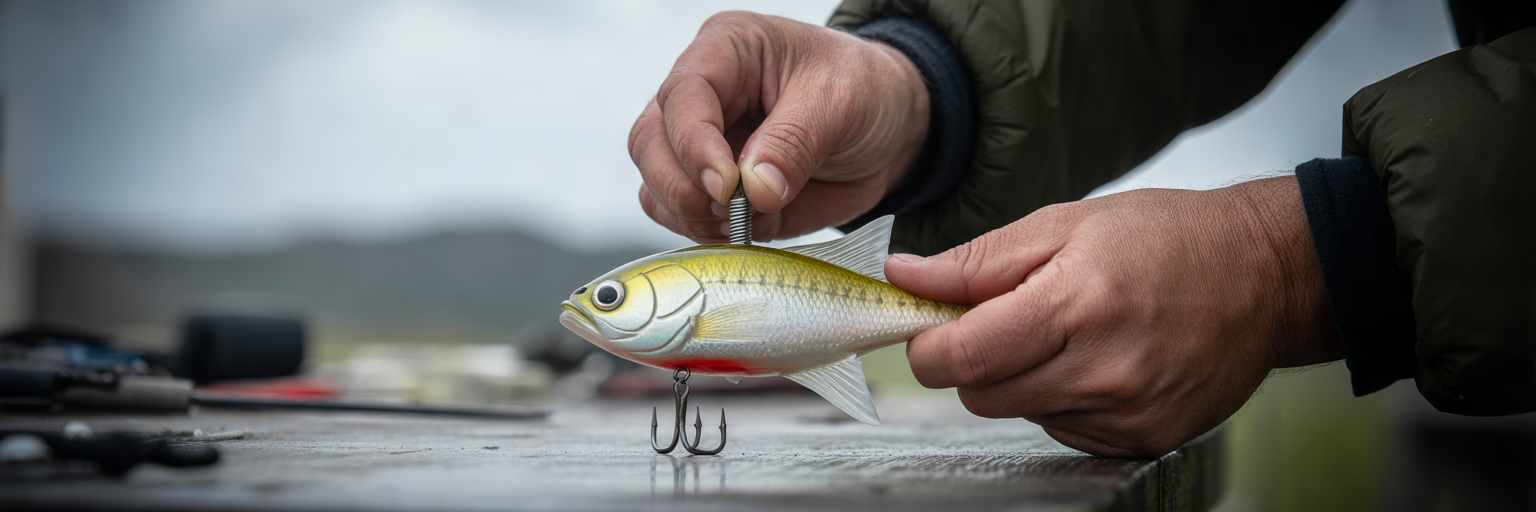
Soft plastic baits are highly effective but notoriously fragile. This section provides specialized techniques to increase their durability during use, a separate discipline from proper storage. The most common failure point is the plastic tearing at the head after a few casts or a single strike, causing it to slide down the hook and ruin the presentation.
To combat this, use hardware-based solutions to anchor the bait securely. Rigging with twist-lock style springs, small wire bait keepers, or even rubber O-rings provides a solid connection point that distributes pressure and prevents the plastic from tearing away from the jig head or hook. These simple additions can dramatically extend the usable life of a single bait.
For an even more robust connection, a simple professional tip is to apply a small dab of super glue to the head of the bait where it meets the jig head. This creates a strong bond that holds the plastic firmly in place through multiple strikes. Using these techniques to keep your bait secure is a key element in mastering offshore fishing presentations. They not only save money on baits but also maximize valuable time on the water by reducing the need to constantly re-rig, keeping your lure in the strike zone longer.