A cheap trolling lure usually looks fine in the tackle tray. The problem shows up at 8 knots, in a cross sea, with a spread full of pressure and one shot at a fish that matters. If you’ve ever asked why are offshore lures so expensive, the short answer is this: the good ones are built to run right, hold together, and keep getting bit when conditions stop being forgiving.
That price tag is not just about paint, shell, or brand name. Offshore lures live in a harder world than most tackle. They get pulled fast, skipped through rough water, chewed by fish with hard mouths and bad attitudes, and left in the sun and salt for long days. A lure that consistently tracks, smokes, pops, and recovers in that environment takes better materials, tighter rigging, and far more testing than most anglers realize.
Why are offshore lures so expensive in the first place?
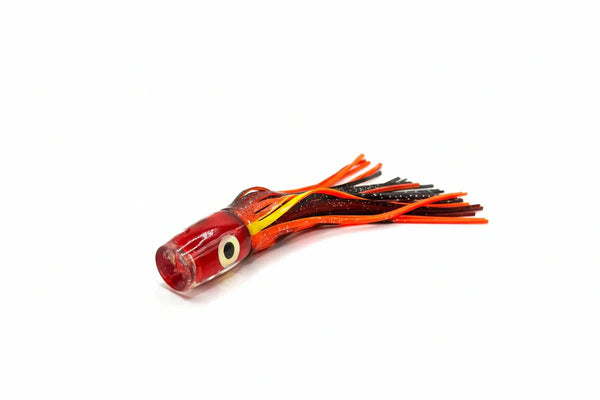
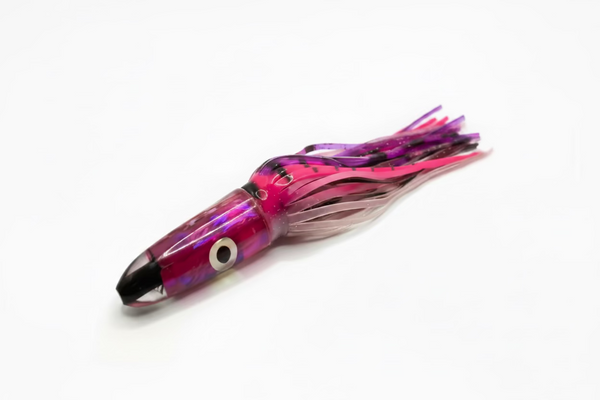
The biggest reason is simple: offshore lure performance is expensive to engineer and expensive to repeat. A bluewater lure is not just a decorative head with a skirt. Head shape, weight, balance, resin density, face angle, skirt drag, hook position, and leader stiffness all change how that lure behaves in clean water and in prop wash.
A lure can look great in a product photo and still be useless in a real trolling spread. If it blows out too easily, spins at speed, tracks sideways, or won’t recover after a surfacing cycle, it wastes time and drags down the whole pattern. Serious offshore anglers are not paying for appearance alone. They are paying for a lure that has a job and does it repeatedly.
That is where the cost starts climbing. Good offshore lures are closer to purpose-built tools than generic tackle. The more consistent the action needs to be, the tighter the tolerances have to be.
Materials drive cost fast
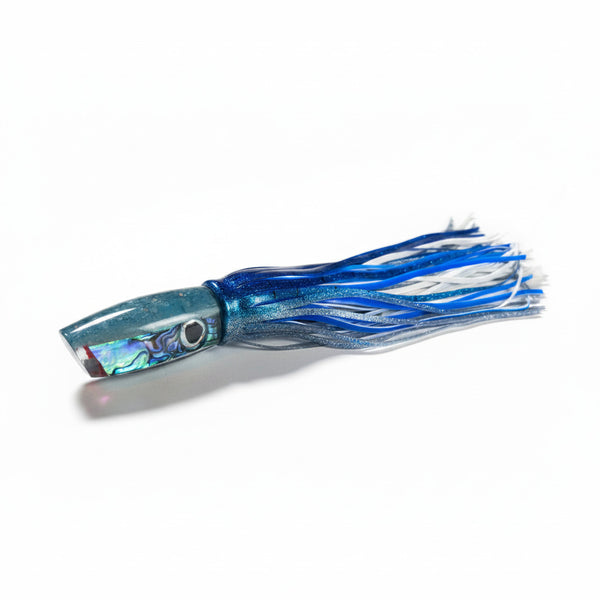
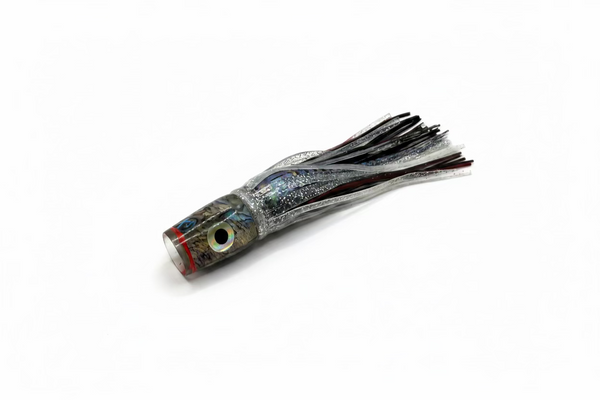
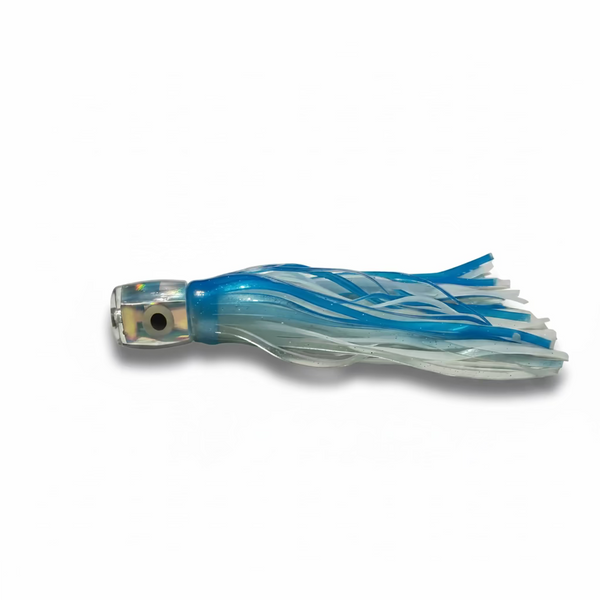
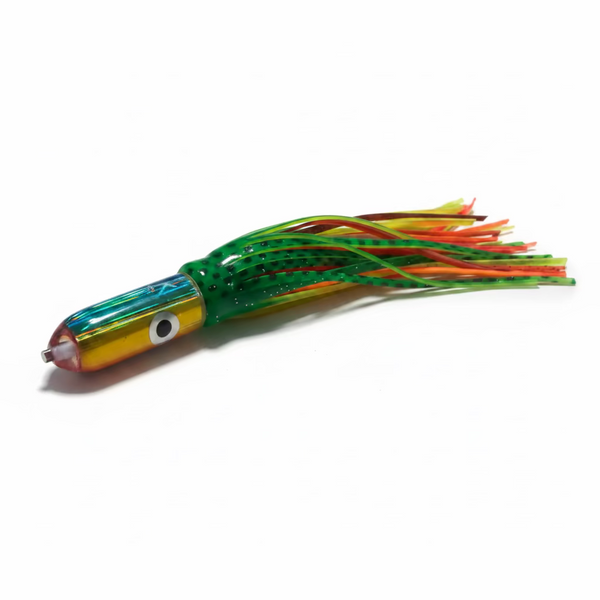
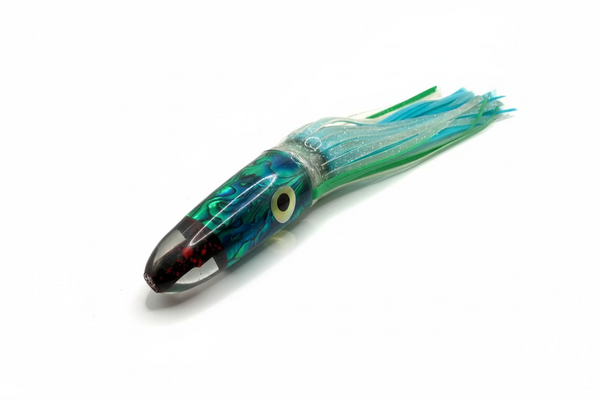
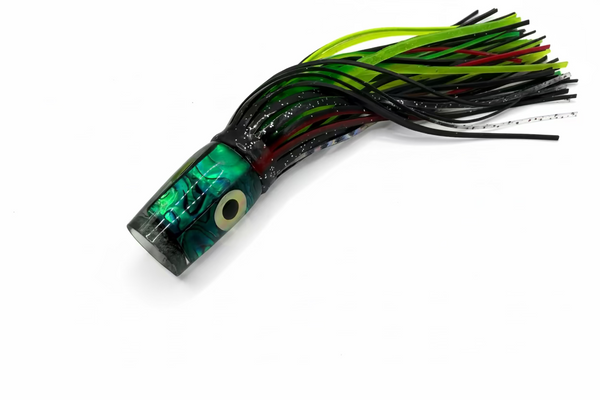
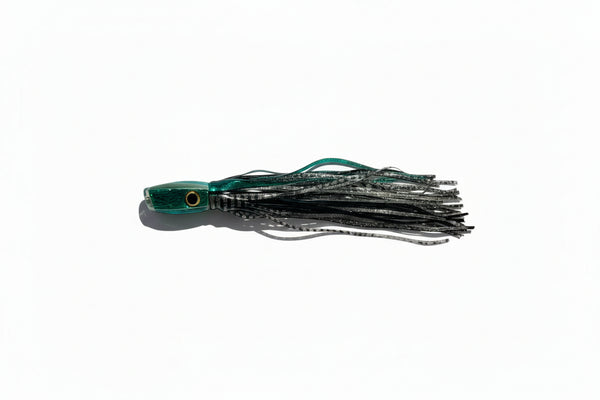
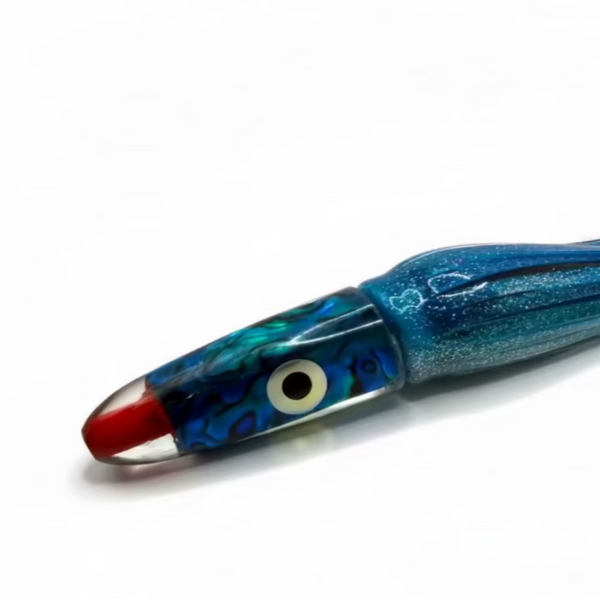
One reason anglers wonder why offshore lures are so expensive is that many of the details are easy to miss until the lure is in your hand. Premium resin work costs more than mass-produced plastic. Shell inserts like abalone add labor, material cost, and visual flash that cheap finishes cannot really match. Better skirt material holds color longer, resists tearing, and pulses more naturally at trolling speed.
Then there is the hardware. Offshore-grade hooks, heavy leader, quality crimps, chafe protection, and properly matched rigging are not cheap parts. On a small inshore bait, you might get away with average terminal gear. On a lure meant for tuna, wahoo, or marlin, weak points get exposed fast.
Durability matters because offshore tackle does not fail gently. A low-grade hook may rust early, open under pressure, or lose its edge. Cheap crimps may slip. Inferior skirts can harden, split, or foul more often. When you spread those costs over multiple trips, the better lure often ends up being the cheaper one to own.
Handcraft and rigging are a real part of the price
A factory can stamp out thousands of low-cost lures. That does not mean those lures are rigged correctly for offshore use. A well-built trolling lure usually needs hands-on work - pouring or finishing the head, setting inserts cleanly, matching skirts to the head profile, and rigging the hookset so the lure runs as intended.
Rigging quality is one of the biggest separators between cheap and premium offshore tackle. The hook orientation has to make sense for the lure size and target species. The leader length has to fit the action. The crimp work has to be clean and secure. Even small mistakes show up on the water.
This is especially true in species-specific trolling. A lure meant for aggressive wahoo at speed is not rigged the same way as a marlin lure expected to cycle, smoke, and leave a clean bubble trail in a long rigger position. A premium lure is often priced around that intended use, not just around the raw materials in the package.
Testing costs money, but guessing costs more
The offshore market is full of lures that catch anglers first and fish second. That is usually where the bargain price comes from. There was little development, little water time, and not much effort to make sure the lure behaves across different positions and sea states.
The better lure makers spend time testing in real conditions. Not bathtub testing. Not a quick pull beside the dock. Real trolling speed, real pressure, real fish, and repeated adjustments until the lure runs the way it should. That process costs fuel, time, tackle, and missed opportunities while patterns get dialed in.
Anglers who fish often know exactly what they are buying when they pay for proven performance. They are buying fewer dead rods in the spread. They are buying confidence that the short corner lure will stay in its window or that the shotgun lure will not spin out when the sea stacks up. That kind of predictability has value, especially when fuel, crew time, and tournament entry fees are already high.
Offshore lures have to do more than just survive
A lot of anglers assume the price difference is mostly about durability. Durability matters, but action is the more important part. A lure that lasts forever but never gets bit is still cheap tackle at the wrong price.
The expensive part is building a lure that combines durability with the right hydrodynamics. It has to track true, breathe correctly, show flash at the right moment, and recover without blowing out. Some heads need to dig. Some need to skip and dive. Some need a longer smoke trail. Some are built to hold speed and stay clean when targeting fish like wahoo and yellowfin.
That is why two offshore lures with a similar size and color can fish very differently. One may be tuned to run well only in calm water. The other may keep working across a wider range of speeds and conditions. Versatility is expensive to build into a lure.
Small production runs raise the price
Most premium offshore lures are not made at the same scale as mainstream freshwater tackle. This is a niche category for anglers who understand spread positions, lure classes, and species behavior. Lower production volume means less economy of scale.
When a lure is built in smaller batches, every piece carries more of the labor and overhead. That includes materials sourcing, finishing time, rigging, quality control, and inventory cost. USA-rigged tackle in particular comes with higher labor costs, but many serious anglers prefer it because the consistency is easier to trust.
That trade-off is worth understanding. If your only goal is to fill a tackle bag cheaply, premium offshore lures will always feel expensive. If your goal is to run a dependable spread where every bait has a reason to be there, the math changes.
Brand markup exists, but it is not the whole story
Yes, some offshore lures are overpriced because of hype. Fancy packaging, aggressive marketing, and limited-drop appeal can inflate price without adding much fishability. That happens in every tackle category.
But it is a mistake to assume every premium lure is expensive for the same reason. In bluewater fishing, a higher price often reflects genuine build quality. The trick is knowing whether you are paying for fishable design or for cosmetics that do not matter once the lure is 80 yards back.
A useful way to judge value is to ask practical questions. Does the lure have a clear role in the spread? Is the rigging built for the target species? Does the head design have a proven action profile? Are the materials likely to last through repeated offshore use? If the answer is yes, the price starts making more sense.
That is the lane serious tackle brands live in. K2Fishing, for example, builds around performance-driven lure design, premium rigging, and visual flash that is meant to trigger bites, not just sell off a screen.
When expensive offshore lures are worth it
They are worth it when you need consistency. They are worth it when you troll enough that failure costs more than the lure. They are worth it when your target species can expose weak tackle in seconds.
For tournament anglers, charter captains, and offshore fishermen who log real hours, lure cost is tied directly to efficiency. A lure that tracks correctly right away saves spread adjustment time. A durable head and skirt save replacement cost. A properly rigged lure saves fish.
But there is an it depends here. Not every position in the spread has to be filled with your highest-dollar lure, and not every day offshore requires boutique gear. There are times when a simpler, cheaper lure can still pull weight, especially as a backup or in lower-risk roles. The key is knowing where you can afford to compromise and where you cannot.
The short version is this: offshore lures get expensive because performance offshore is expensive. Better materials, more exact rigging, real testing, and repeatable action all cost money. When a lure is built to get strikes and stay in the game after the bite, the higher price is usually tied to something real.
If you want to spend smarter, skip the guessing and buy lures based on how they run, how they are rigged, and what they are built to target. That is where cost stops being a mystery and starts looking like insurance for the next bite.