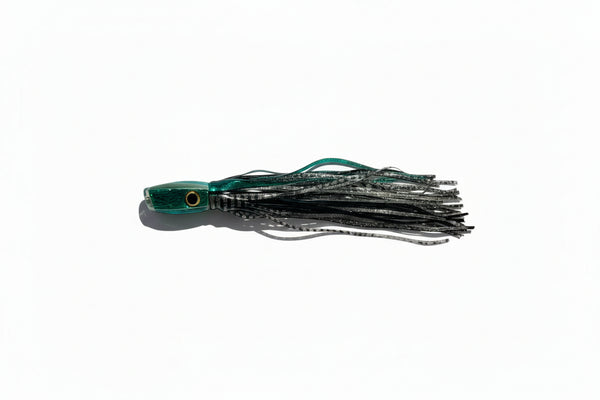
When a school of mahi lights up behind the boat, you do not get much time to be wrong. They can be aggressive one pass, fussy the next, and the difference usually comes down to whether your mahi mahi trolling lures are running clean, throwing the right flash, and matching the speed of the spread.
Mahi are not complicated fish, but they are fast to judge a presentation. They hunt by sight, react hard to contrast and motion, and often show up mixed in with tuna, wahoo, and billfish water. That means the best lure for them is not always the loudest lure in the wake. It is the one that stays in the water properly, tracks true, and keeps producing when conditions change.
What makes mahi mahi trolling lures work
A good mahi lure has to do three things right. It needs enough visual presence to get noticed in blue water, enough stability to hold its action at trolling speed, and enough rigging quality to convert a swipe into a hookup.
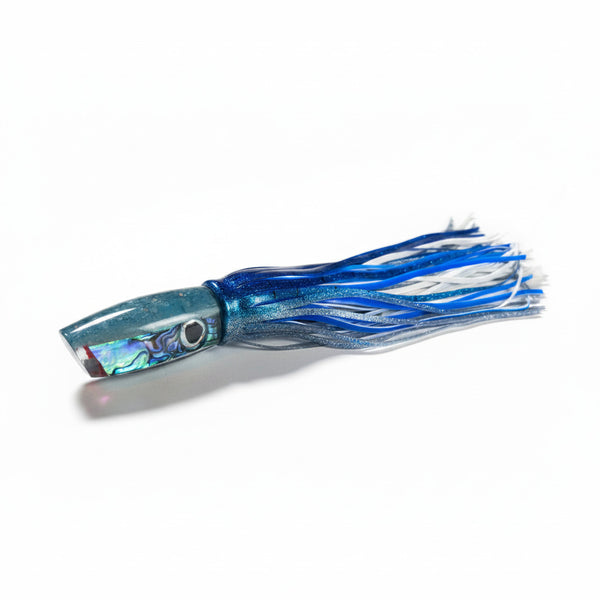
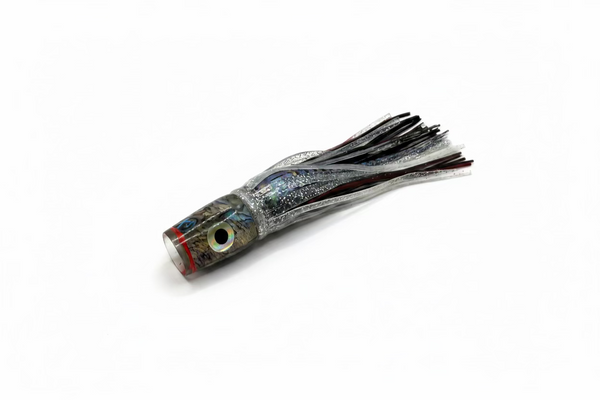
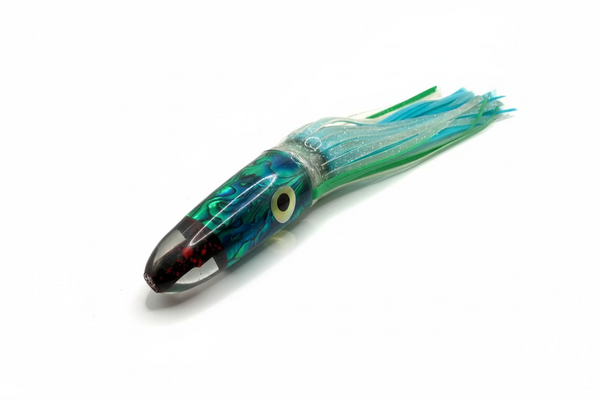
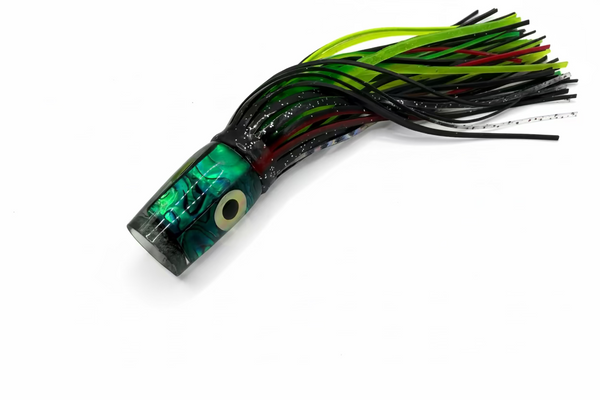
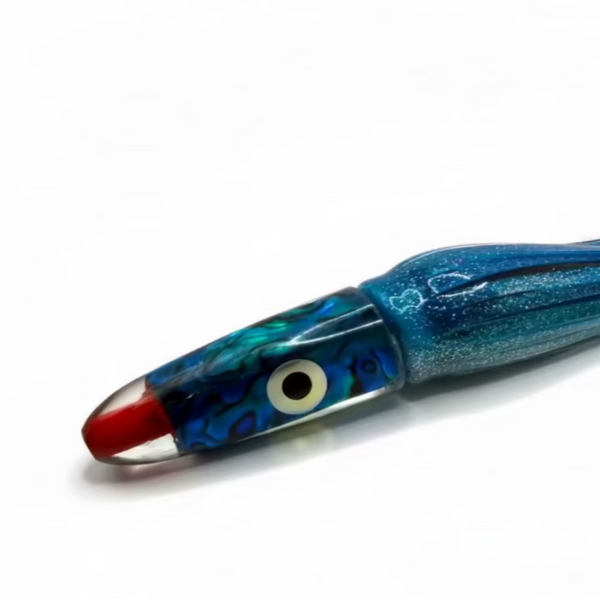
Flash matters with mahi more than a lot of anglers admit. These fish will climb all over a lure that throws light cleanly, especially under bright sun or on clear edges. That is one reason abalone-style flash patterns and resin heads continue to produce offshore. The reflection is sharper and more natural than cheap foil finishes, and it holds up after repeated strikes.
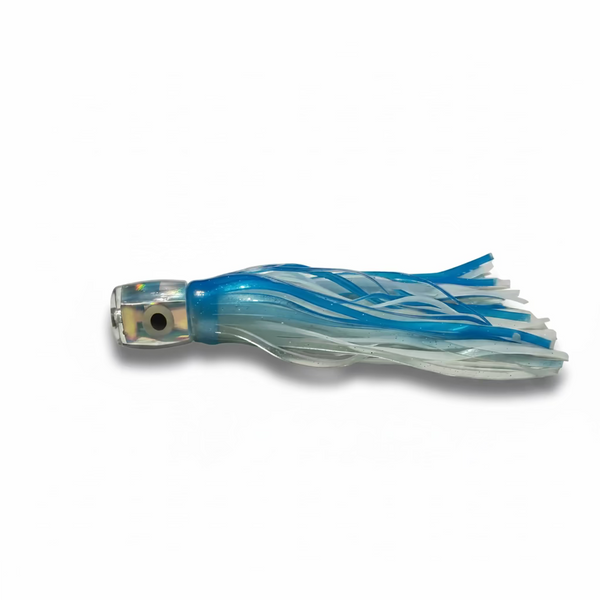
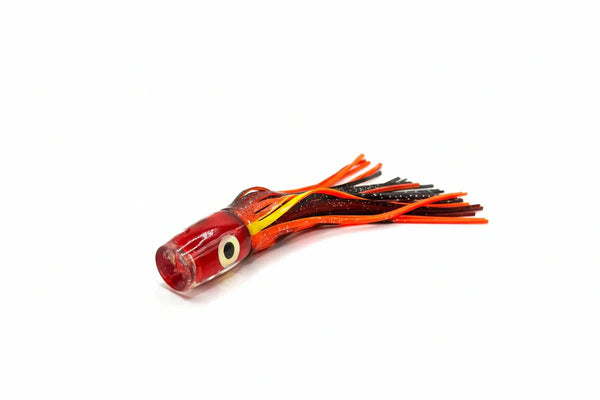
Head shape matters too. Mahi do not need an oversized lure in most situations, but they do respond to a consistent smoke trail and an easy, trackable target. Bullet-style heads, smaller pushers, and clean-running resin heads all have a place. The trade-off is simple. A bullet striker gives you speed and stability, while a more active head can throw extra bubble and commotion that helps in rougher water or lower visibility.
Then there is the part too many anglers overlook - hooks and rigging. Mahi are notorious for slashing at skirts and short-striking lures when they are fired up. A lure with poor balance, weak leader material, or a hook that rides badly will cost fish. Premium rigging is not a luxury in an offshore spread. It is the difference between seeing a charge and putting a fish on the deck.
Choosing mahi mahi trolling lures by water and spread
There is no single best setup every day. Water color, sea state, bait presence, and what else is in the area all change what mahi want to commit to.
In clean blue water with good sunlight, smaller to medium resin lures in blue-white, green-yellow, pink-white, and flying-fish tones tend to get noticed fast. You want enough flash to pull fish in, but not so much head size that the lure becomes clumsy. Mahi will often eat a lure that looks easy to catch before they bother with a larger, more aggressive profile.
If the water is choppy or slightly off-color, step up the visual signal. Brighter skirts, stronger contrast, and a head that pushes a little more water can help fish find the lure sooner. This is where printed resin-dipped lures and high-flash abalone resin patterns can separate themselves. They keep showing color and flash even when the surface is broken up.
When you are trolling a mixed spread for multiple pelagics, mahi often eat what is already there for tuna or small marlin. That does not mean every tuna lure is ideal for mahi. Larger heads can still get bit, especially by bigger bulls, but if mahi are a serious target, it pays to run at least one or two lures with a slightly smaller profile and a cleaner, quicker action.
Best positions for mahi mahi trolling lures
Mahi can show up anywhere in the pattern, but some positions produce more consistently than others.
The long rigger and shotgun are strong places for mahi lures because those baits run clean and give fish a little room to track and accelerate. A medium bullet or resin lure back there often gets crushed by fish that rise into the spread from behind.
The short rigger also produces well, especially if you are running a lure with more smoke and surface presence. That spot gives enough disturbance to attract fish without burying the lure in too much prop wash. In flatter conditions, it can be one of the best places in the pattern for a high-flash lure.
Flat lines can be productive when mahi are aggressive, but lure choice matters more there. Too much head or a lure that blows out at speed is wasted water. If you use a flat line for mahi, keep it stable and easy to track.
Teasers, bird chains, and squid chains can help raise fish, but they are not a replacement for a clean hook bait. Mahi often charge the commotion first, then peel off onto the nearest lure that looks wounded or separated. That is why spread design matters. You are not just pulling individual baits. You are building a system that gives fish something obvious to finish on.
Color matters, but not the way most anglers think

Every offshore fisherman has confidence colors, and confidence counts. But with mahi, color usually works best when it supports visibility and flash rather than acting like a magic answer.
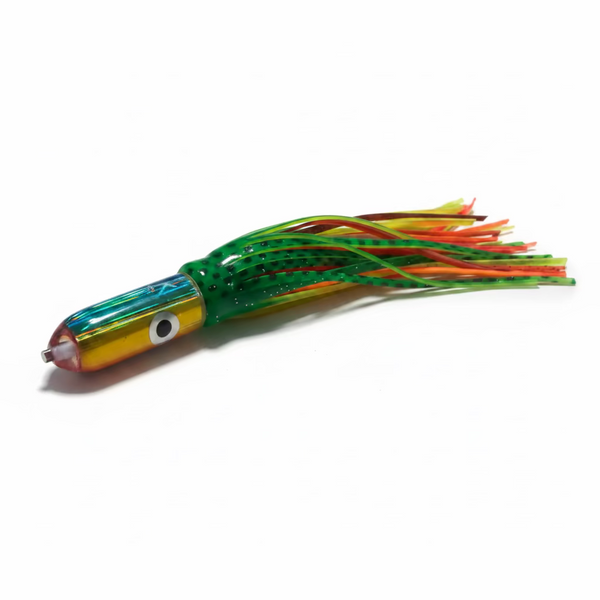
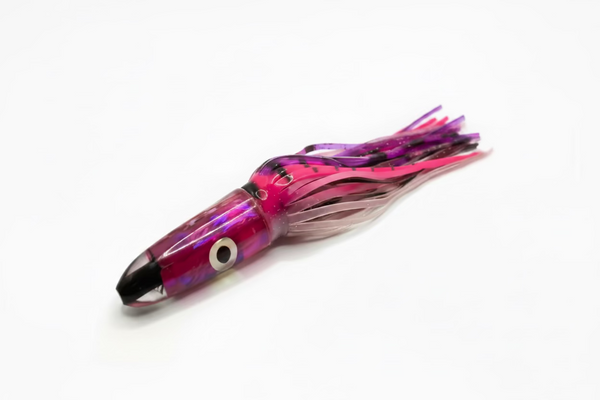
Blue and white stays effective because it looks natural in clear ocean water. Green and yellow remains a staple because it matches the species and stands out at the same time. Pink, purple, and black accents can be excellent when you want added contrast, especially under cloud cover or in changing light.
What matters more than picking one perfect shade is choosing colors that stay visible in your conditions. A lure with depth in the finish, strong contrast in the skirt, and clean reflective flash will generally outfish a flat-looking lure, even if both are technically the same color family.
Speed, action, and why some lures stop getting bit
Most mahi trolling happens in a speed range that overlaps nicely with general offshore trolling, but that does not mean every lure runs well at every speed. Some heads are built to stay clean and stable at faster speeds. Others need a tighter window to smoke properly.
If a lure is spinning, skipping, or blowing out every few seconds, mahi will still inspect it sometimes, but your hookup rate drops. They are visual feeders. They want something they can track. A lure that cycles consistently - dive, smoke, pop, recover - gives them that target.
This is where lure construction earns its keep. A well-balanced resin head, properly matched skirt, and quality rigging package will run predictably across a wider range. That matters on boats where speed changes with sea state, current, or when the captain is also targeting tuna and wahoo.
Bullet strikers are especially useful if you want to maintain speed without sacrificing lure stability. More aggressive heads can be excellent when conditions call for extra commotion, but they need to be placed and tuned correctly. It depends on how your whole spread is built, not just what one lure looks like in your hand.
Why quality construction matters on mahi gear
A lot of anglers think mahi are easy enough that any bright lure will do. That is how money gets wasted.
Cheap skirts wash out, bargain heads crack, and weak hooks cost fish. Offshore, every lure has to survive speed, UV exposure, repeated strikes, and long hours in the wash. If it cannot hold shape, keep its finish, and stay rigged right, it does not belong in a serious spread.
Handcrafted, USA-rigged lures built for bluewater use have an edge because the details are controlled. Hook orientation, leader strength, skirt fit, and head balance all affect how the lure tracks and how it hooks fish. For anglers who troll hard and expect tackle to perform trip after trip, those details are not marketing points. They are the product.
That is also why specialized lure lines tend to outperform generic offshore assortments. A brand like K2Fishing builds around real spread applications instead of random color packs. That makes lure selection easier when you want gear that is built to get strikes, not just fill a tackle tray.
A practical setup that keeps producing
If you want a simple mahi-ready trolling pattern, start with one high-flash medium resin lure on the long rigger, one bullet-style lure on the shotgun, and one smaller active lure on the short rigger. Add a bird or squid teaser if you want more surface signal, especially around current edges, weed lines, or floating debris.
This setup covers the main things mahi respond to - flash, clean tracking, and a separated target. It also keeps the spread useful if tuna or wahoo show up in the same water. You are not overcommitting to one species, but you are still giving mahi something they want to eat.
If fish are raised but not converting, do not immediately swap every lure. First check how they are running. A lure that looked perfect at the dock can be wrong at actual troll speed in real water. Clean action beats constant changes.
Mahi reward anglers who pay attention. Not because they are hard to fool, but because they show you quickly what they want. Run lures that stay clean, throw honest flash, and hold together when the bite turns on. When the school comes charging in green and gold behind the transom, that is not the time to wonder if your spread is built right.