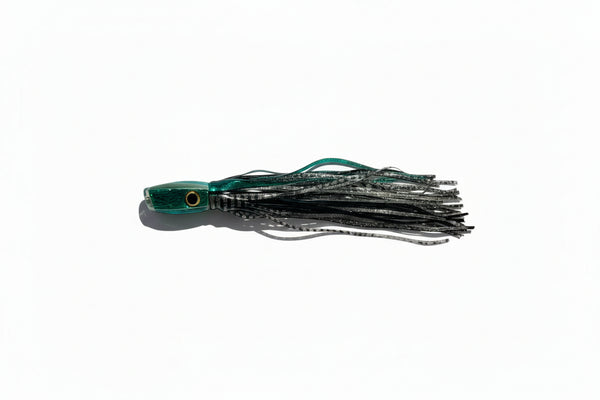
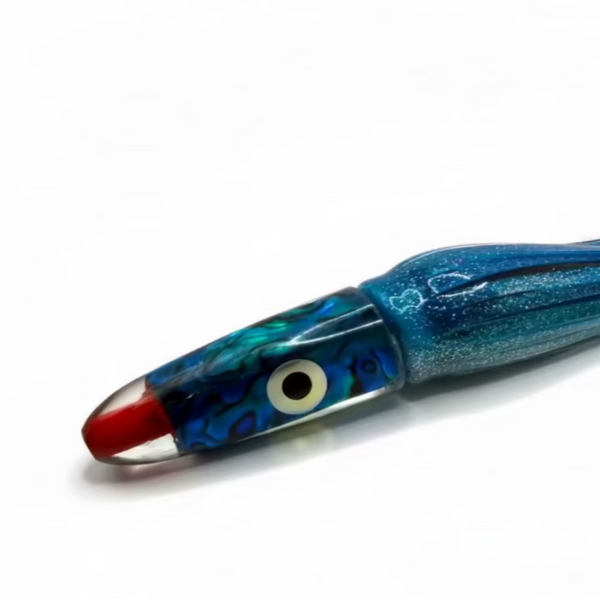
A spread can look perfect at first light and still come back quiet if the lures are wrong for the fish you’re targeting. That is where species specific trolling lures earn their place. Offshore fish do not all respond to the same profile, speed, flash, or head shape, and anglers who treat tuna, marlin, wahoo, and mahi like they eat the same bait the same way usually waste a lot of time.
The difference is not marketing language. It is how a lure tracks in clean water, what kind of smoke trail it leaves, how much flash it throws in changing light, and whether the fish that finds it will commit hard enough to get pinned. When you build a spread around the species instead of around whatever happened to be in the tackle bag, your odds get better fast.
Why species specific trolling lures matter offshore
Bluewater fishing punishes guesswork. You might only get a handful of real opportunities in a day, especially when you’re covering water for better-grade fish. If the lure is running at the wrong speed, carrying the wrong profile, or showing the wrong action, that opportunity is gone before you know it.
Species specific trolling lures work because pelagics feed differently. Wahoo are violent and speed-oriented. Marlin often key in on larger silhouettes and smoke with a clean, aggressive cycle. Tuna can be selective about size, cadence, and how naturally a lure holds in the spread. Mahi are opportunistic, but even they tend to respond better when the lure size and color pattern match the bait they’re pushing.
That does not mean every tuna lure only catches tuna or every marlin lure only catches marlin. Offshore fishing is never that neat. It means certain lure designs consistently produce better for certain fish, especially when they’re placed in the right position and pulled at the right speed.
Matching lure design to target species
The fastest way to improve a spread is to stop thinking only in terms of color. Color matters, but it is rarely the first thing that makes a lure effective. Head shape, face angle, weight, skirt length, overall profile, and rigging all decide whether the lure actually runs the way it should.
Tuna
Tuna lures usually perform best when they stay clean in the water and maintain a dependable cycle. Tuna will eat aggressive lures, but they often reward consistency more than chaos. Medium-sized resin lures, bullet-style heads, and clean-running profiles are strong choices when you want a lure that tracks straight, holds in rougher water, and keeps working at common tuna trolling speeds.
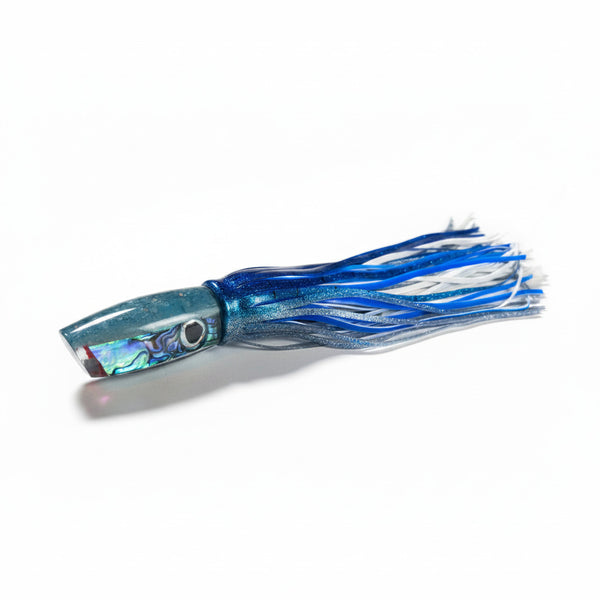
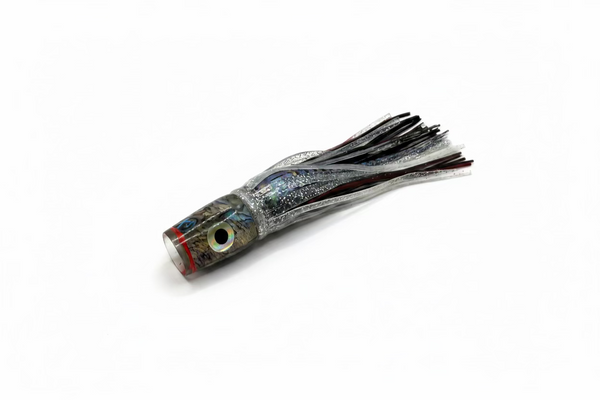
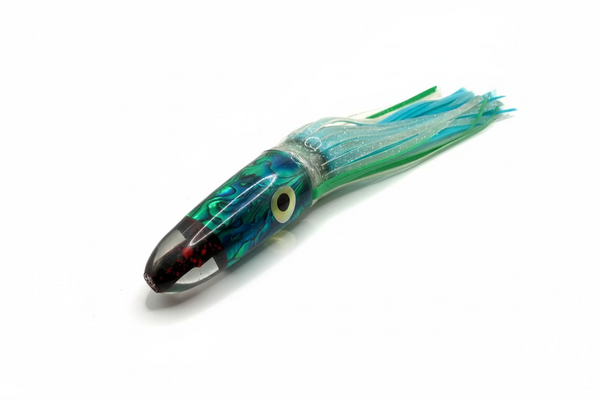
For school fish, oversized marlin-style heads can be too much unless the bait is large. For yellowfin and bigger class fish, stepping up the profile makes sense, especially when flying fish, saury, or hardtails are around. Flash also matters, but not all flash is equal. Abalone resin can be especially effective because it throws a natural, shifting light instead of a flat, painted glare. That kind of flash keeps showing through changing angles and chop.
Marlin
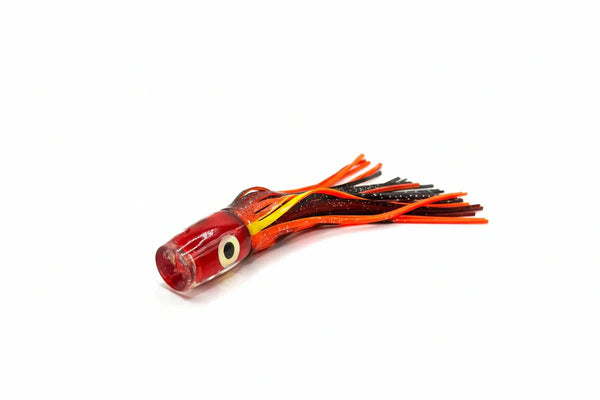
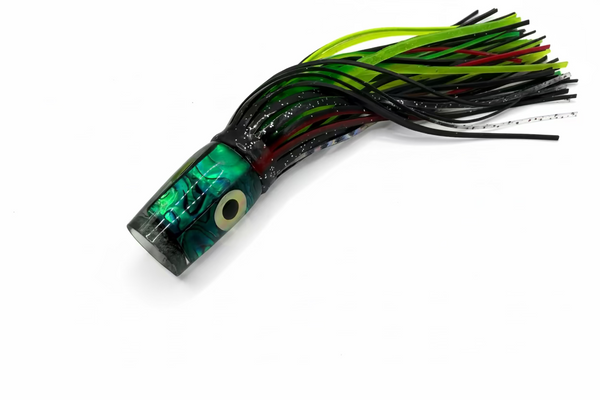
Marlin are built for visual commitment. They often respond to a lure that pushes water, leaves a defined smoke trail, and pops with authority before diving back into a repeatable cycle. Larger resin-coated lures with the right head geometry tend to shine here, especially in short and long corner positions where they can work in heavier water.
The trade-off is that a lure built to raise marlin may be too much for mixed-school tuna days. Big heads need enough drag and water pressure to stay in rhythm, and if you troll too slow or place them too far back in rough conditions, they can blow out and stop fishing. A marlin lure should look powerful, not unstable.
Wahoo
Wahoo force you to care about speed, durability, and hookup quality. They slash, they hit hard, and they punish weak rigging. Bullet strikers and other streamlined heads are proven tools because they track true at higher speeds and give you a compact profile that does not wash out.
This is where premium rigging separates real tackle from throwaway gear. A lure that looks fine in the package but spins, skips, or tears apart after one strike is not a wahoo lure. It is expensive clutter. Species specific trolling lures for wahoo need to run hard and stay together under pressure.
Mahi-mahi
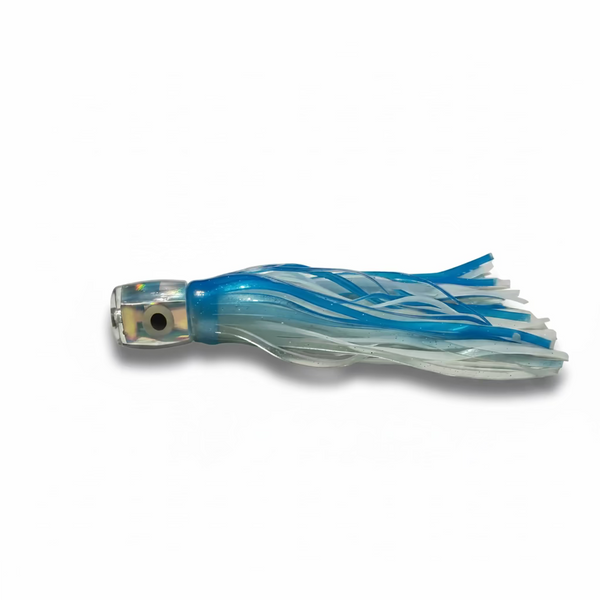
Mahi are less rigid in what they’ll attack, but they still reward smart lure selection. Smaller to medium profiles, bright contrast, and active but controlled action generally produce well. They are often feeding around smaller bait, weed lines, current breaks, and floating structure, so matching the hatch matters more than many anglers admit.
A lure that is too large or too heavy in action can still get noticed, but if you want steady mahi bites, a cleaner, more bait-sized presentation usually gets more consistent results.
Spread position is part of species-specific presentation
A lure is not species-specific just because of the head shape. It also becomes species-specific by where you run it. The same lure can be a producer in one spot and dead weight in another.
Bullets and other straight-tracking heads are ideal farther back where they can stay in cleaner water. That makes them strong options for tuna and wahoo. Larger cupped or angled heads that dig, smoke, and pop can be better closer in, where they can grab rougher water without losing their cycle. That is often where marlin-focused lures do their best work.
If your spread is built without considering position, you’re only doing half the job. A good lure in the wrong lane is still a bad setup.
How flash, color, and finish affect strikes
Color gets plenty of attention because it is easy to talk about. Finish matters more than simple color labels. Offshore fish see flash, contrast, silhouette, and movement before they care what catalog name is on the skirt.
That is why natural light-play can be such an advantage. Resin finishes with abalone shell produce flash that changes as the lure breathes through the water. It does not look static. It looks alive. In clear bluewater, especially on sunny days, that added depth can make a lure stand out without becoming unnatural.
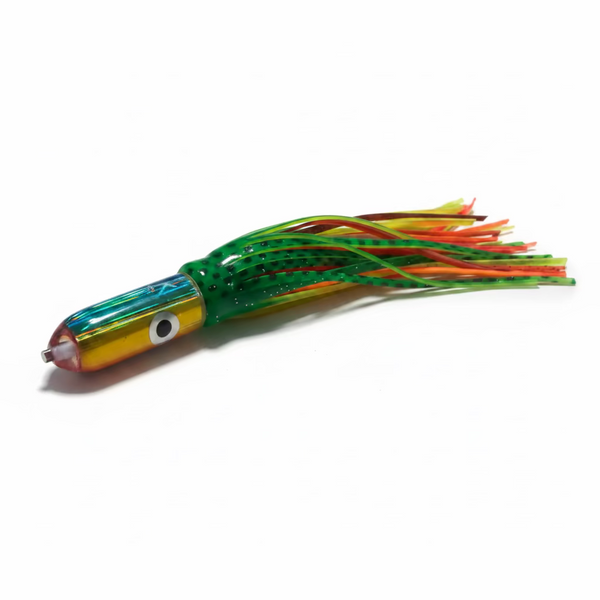
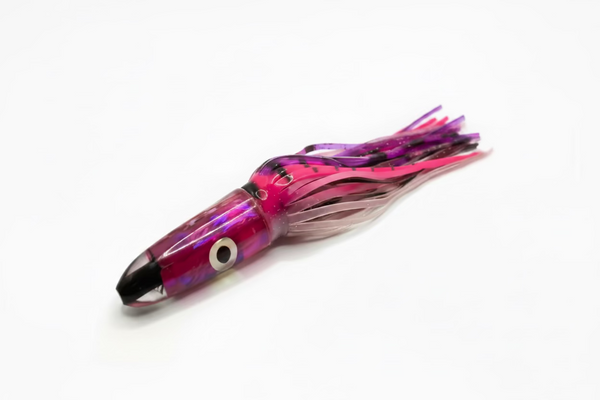
There are still times when darker contrast, stronger purple-black combinations, or brighter greens and pinks get the job done. Low light, dirty water, and heavy overcast all shift the equation. The point is simple: start with the right lure design for the species, then fine-tune the finish for conditions.
When species specific trolling lures are not enough
Good lures cannot fix bad trolling. Speed, sea state, spread balance, hook rigging, and lure maintenance all matter. If your lure is spinning, fouling, or getting washed by prop turbulence, the fish are not seeing what you think they are seeing.
This is where serious anglers separate themselves. They watch every lure. They tune the spread. They pull under real load, not just in flat-calm test water. They know a lure can be right for the species and still wrong for the day if the boat speed is off by one knot or the placement is too close to whitewater.
It also pays to avoid overcomplicating the spread. You do not need ten different lure theories dragging behind the transom. You need a system. Run proven profiles for the species you’re targeting, place them where they can work, and leave enough variety in size and finish to adjust as conditions change.
Choosing the right species specific trolling lures for your program
If your main target is tuna, lean into medium profiles, bullets, and stable resin lures that run clean for long hours. If marlin are the priority, build around larger heads with stronger smoke and a more commanding surface cycle. If you want wahoo, prioritize compact heads, speed tolerance, and rigging strength over visual bulk. If mahi are on the menu, keep a few smaller, lively patterns ready for cleaner, more bait-matched presentations.
That is the real value of a curated trolling lineup. It cuts out random lure buying and replaces it with tackle built around actual offshore use. At K2Fishing, that thinking drives the entire approach - premium USA-rigged lures, proven head designs, and finishes built to get strikes instead of just filling tackle trays.
Offshore success usually comes from a few smart decisions made well. Start with the species, match the lure to how that fish feeds, and let the spread work with purpose instead of hope.