

The Science Behind Abalone Resin Lures
The feeding behavior of pelagic predators is overwhelmingly driven by visual triggers like flash and movement. This fundamental principle dictates the success or failure of any offshore presentation. High-performance abalone resin lures are engineered to exploit this behavior with unmatched precision. These are not simply painted lures. They are constructed with genuine abalone shell, which is carefully encapsulated in a durable, optically clear polymer resin. This process creates a high-performance tool for serious offshore anglers, setting it apart from mass-market alternatives. The effectiveness of these lures rests on three core performance pillars: unparalleled visual attraction, engineered hydrodynamic performance, and exceptional durability. Understanding these pillars is key to appreciating their dominance in the field.
Maximizing Flash: The Power of Iridescence
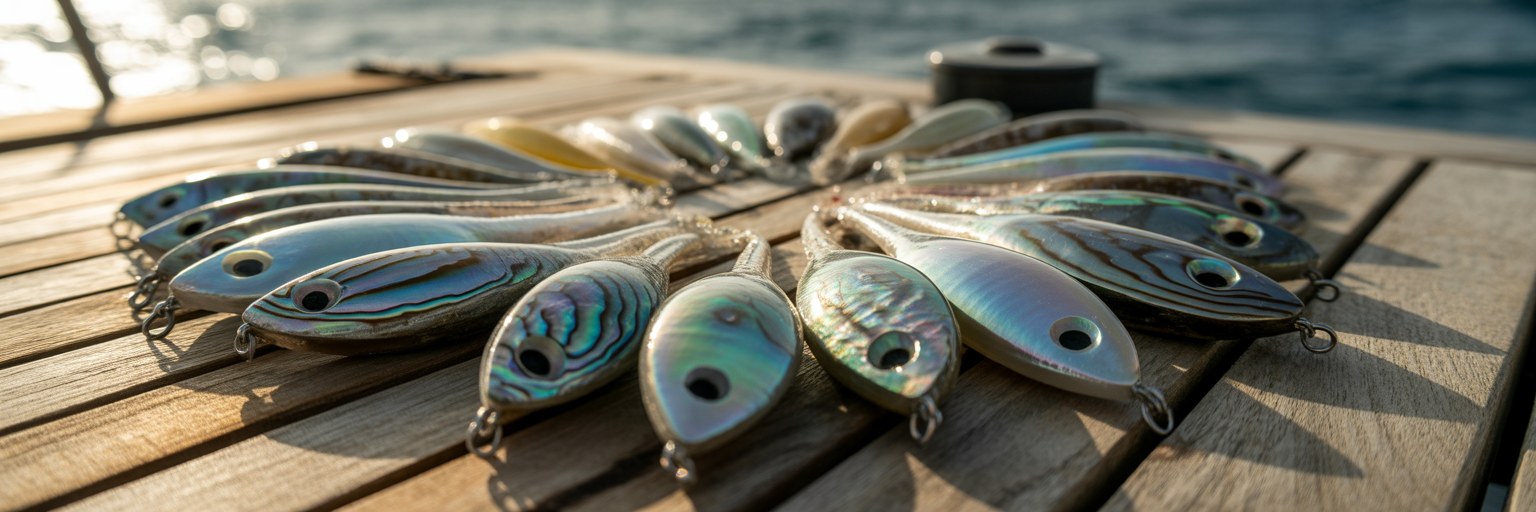
The primary advantage of abalone resin lures lies in the unique optical properties of the natural shell. Unlike glitter, foil, or paint, genuine abalone shell possesses a laminated crystalline structure. This structure refracts light across a spectrum of colors, creating a multi-dimensional, multi-angle iridescence that is impossible to replicate artificially. This intense, dynamic flash directly triggers the predatory response in big-game species. It perfectly mimics the light reflecting off the scales of distressed or fleeing baitfish, a primary feeding signal for marlin, tuna, and wahoo.
The high-gloss resin casing serves a dual function in this process. First, it provides a rugged, protective layer for the delicate shell. Second, it acts as a lens, amplifying the shell's natural flash and creating a sense of depth that makes the lure appear more lifelike. This amplified shimmer ensures the lure is visible from greater distances and in various water clarities, from the clear blue of the open ocean to greener nearshore waters. When contrasted with the flat, one-dimensional look of sticker-based lures, the deep, living shimmer of abalone resin lures demonstrates a clear superiority in visual attraction.
Engineered for Stability at Trolling Speeds
Visual attraction alone is insufficient. A lure must perform correctly at speed to be effective. Stability is a critical hydrodynamic principle for high-speed trolling, ensuring the lure tracks true without spinning or skipping on the surface, a phenomenon known as "blowing out." This is especially important when targeting fast species like wahoo. The density and precise molding of the resin body are engineered to provide this essential stability. The weight and balance of the lure keep it seated in the water, even in choppy conditions.
This stability is complemented by the lure's head shape, whether it is a slant, cup, or jet design. The combination of the head shape and the resin body dictates the lure's specific action, from a side-to-side wobble that mimics a wounded fish to a straight, bubbling smoke trail that suggests a fleeing baitfish. This consistent, engineered action is what appears lifelike and converts follows into decisive strikes. Just as a scientific approach to cold therapy for muscle recovery is used to enhance biological outcomes, a rigorous approach to material science and hydrodynamics is essential for creating top-tier big-game trolling lures. The design of our large resin lures exemplifies these principles, offering consistent performance for bigger targets.
Built to Withstand Aggressive Strikes
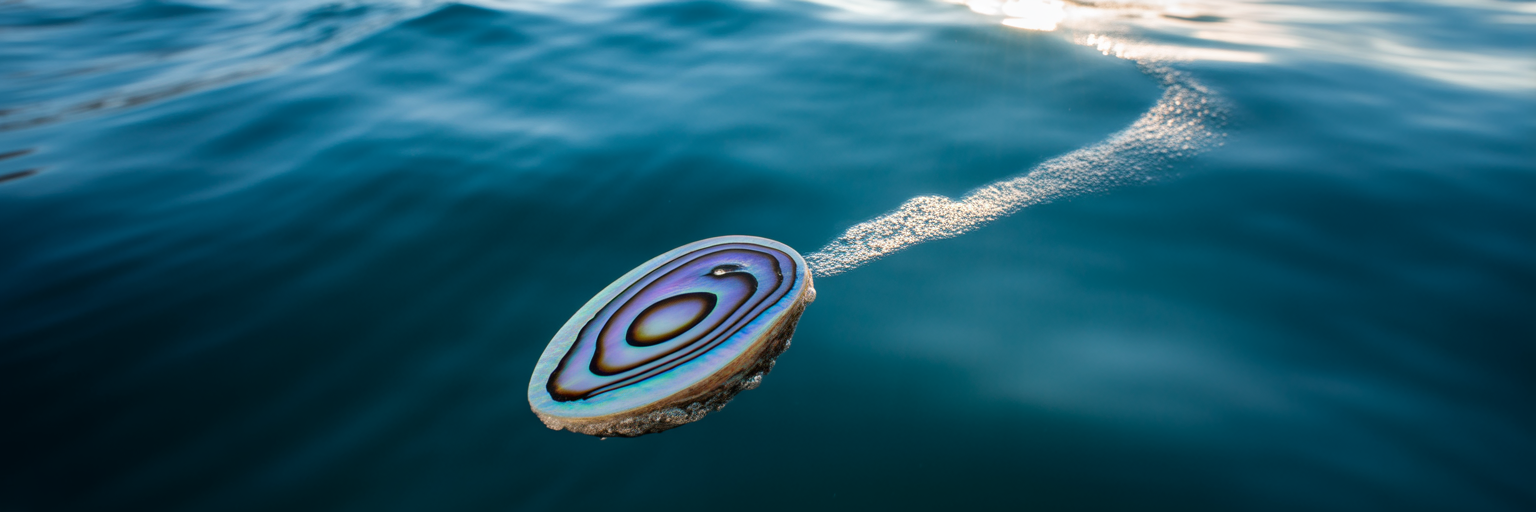
The offshore environment is relentlessly harsh. Lures are subjected to constant UV exposure, saltwater corrosion, and the immense force of strikes from powerful trophy fish. Durability is therefore a critical performance attribute, not a secondary feature. A lure that fails during a fight is a liability. The composite resin material used in our offshore fishing lures provides superior resistance to common points of failure.
- It will not waterlog and lose its engineered action like wooden lures.
- It resists becoming brittle and cracking like lower-grade plastics.
- It maintains its clarity and finish despite prolonged UV and saltwater exposure.
This robust body is integrated with premium components, including through-wire construction and stainless steel hardware, to ensure the entire system holds together under extreme pressure. The importance of material science in creating effective and durable lures is well-documented. A 2022 study on 'Artificial Bait for Tuna' published in the International Journal of Environment and Climate Change noted the importance of material science in creating effective synthetic alternatives. This reinforces that the construction of modern lures is a key factor in their success. For serious anglers seeking reliability, robust construction is a non-negotiable priority.
Strategic Color and Profile Selection
For anglers wondering how to choose trolling lures, the process involves tuning the presentation to specific conditions. While the abalone flash is the primary attractant, color overlays and lure profiles are used to optimize the lure for the target species and environment. The core principle is to "match the hatch" in an offshore context, selecting a lure that mimics the size, shape, and color of predominant local forage like flying fish, mackerel, or squid.
Color selection is dictated by light conditions and water clarity. In bright sun and clear water, lighter colors like the one on our Blue Abalone Lure blend natural flash with a subtle profile. In low light or murky water, darker or high-contrast colors create a more visible silhouette. Similarly, profile selection depends on the target. Some of the best lures for marlin are larger, more aggressive profiles that displace more water, while effective wahoo trolling lures are often faster, bullet-shaped models that track straight at high speeds. To further refine your selection, you can browse lures by target species to find the ideal profile for your next trip.
The following guide provides a framework for selecting the right lure based on conditions.
| Condition | Recommended Color | Primary Target Species | Rationale |
|---|---|---|---|
| Bright Sun, Clear Blue Water | Light Blue, Ghost White | Marlin, Sailfish, Mahi-Mahi | Mimics natural baitfish scales in high-visibility conditions, blending flash with a subtle profile. |
| Overcast, Dawn, or Dusk | Purple, Black, Dark Blue | Tuna, Wahoo | Creates a strong, dark silhouette that stands out against the low-light surface for predators hunting from below. |
| Green or Murky Water | Pink, Chartreuse, Orange | Wahoo, Kingfish | High-contrast colors provide maximum visibility when water clarity is poor. |
| Deep Trolling (80+ ft) | Dark Purple, Black with Red | Bigeye Tuna, Swordfish | Dark profiles are most visible at depth, where light penetration is minimal. |
The Benchmark for Lure Performance
Ultimately, abalone resin lures deliver a superior combination of the three critical elements for success: an intense visual stimulus, predictable hydrodynamic action, and the rugged durability required for big-game fishing. For anglers who prioritize results and demand reliability from their equipment, these lures have become an essential tool rather than a luxury. While lure technology continues to advance, the fundamental principles of attraction that abalone resin masters will remain the benchmark for high-performance design. These are the standards that define the best big-game trolling lures on the market. We encourage you to explore our full collection of performance-oriented lures to see these principles in action.