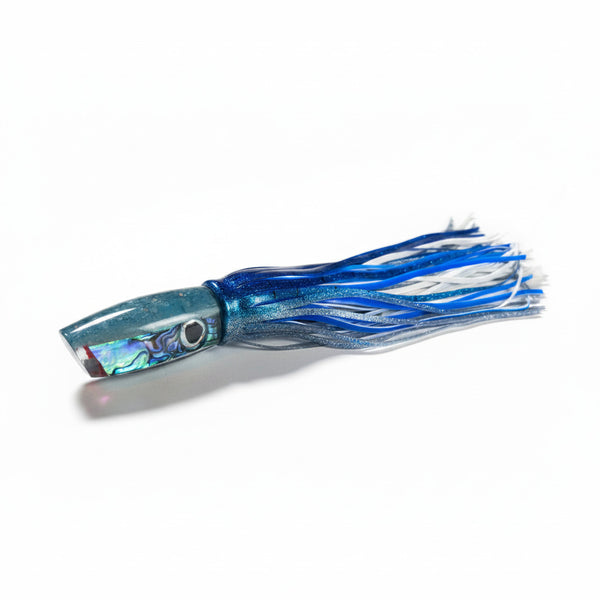
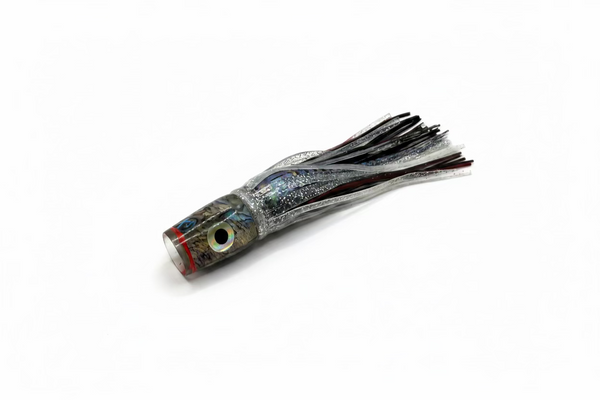
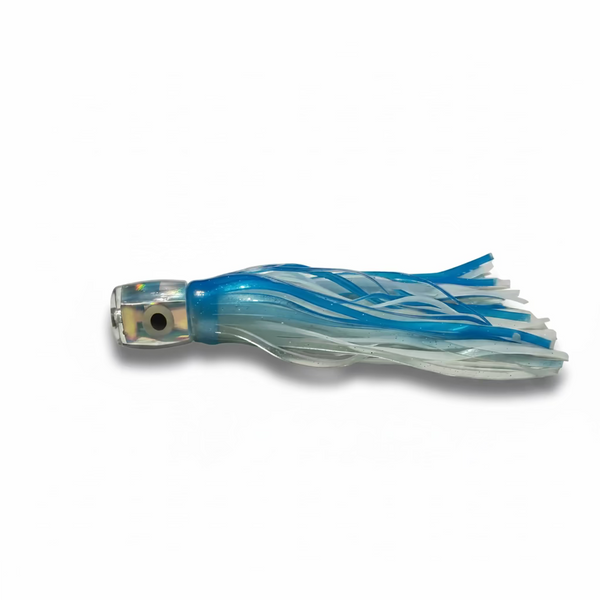
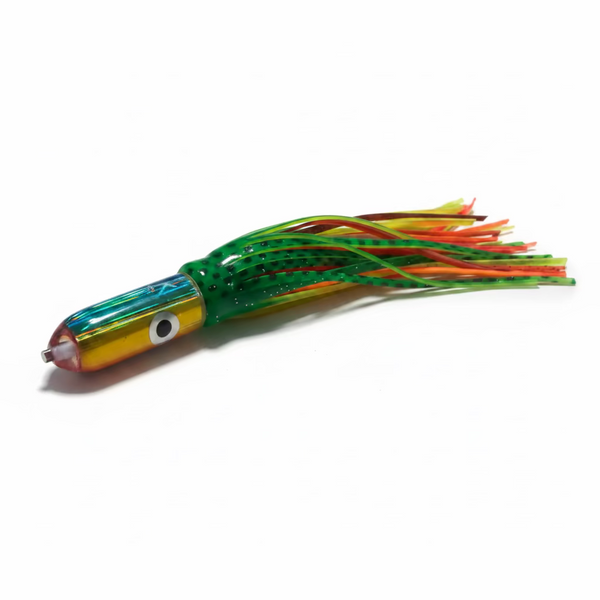
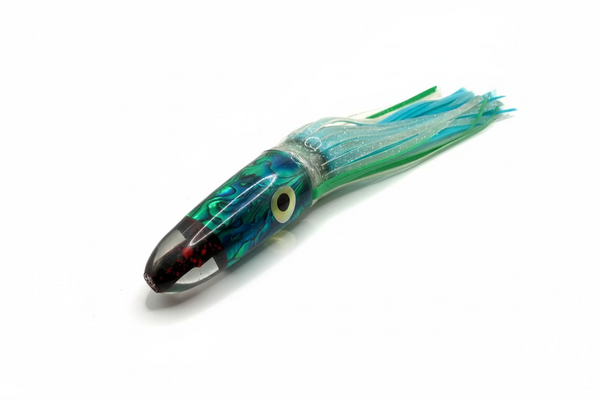
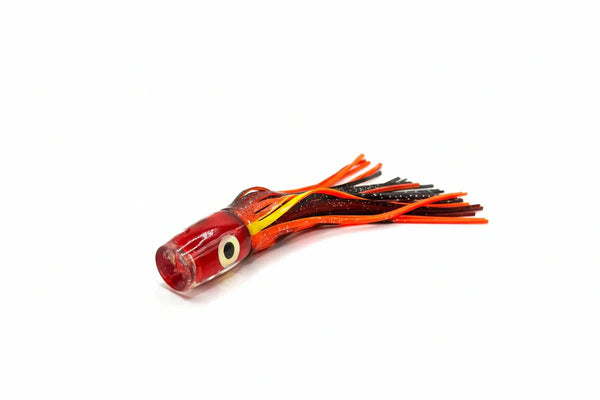
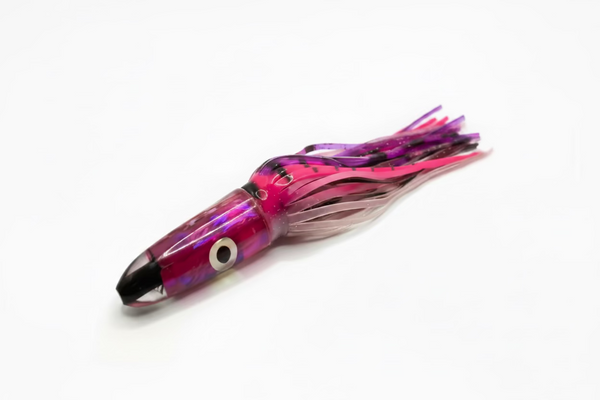
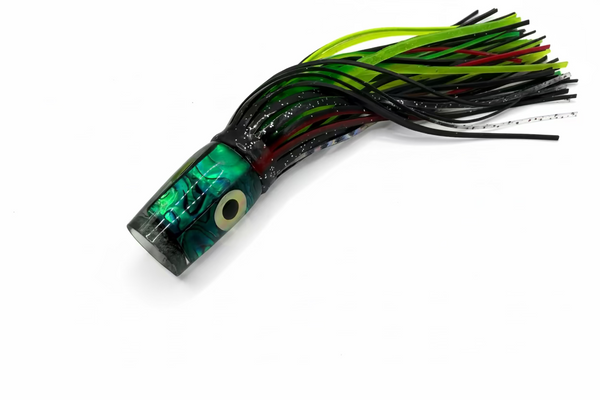
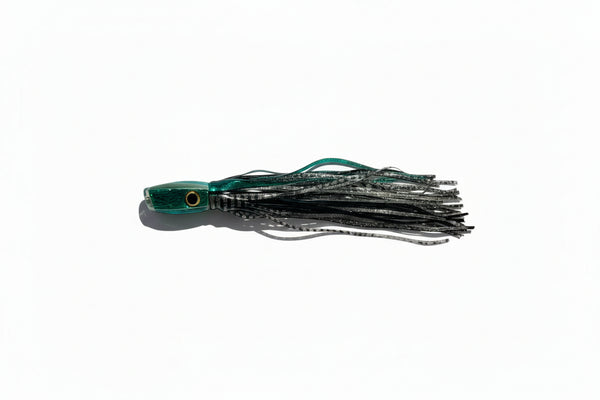
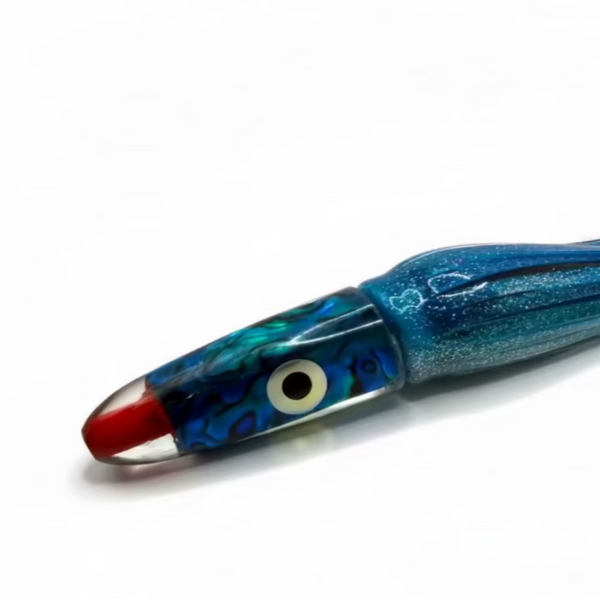
When you're gearing up for offshore fishing, it's easy to think of a trolling fishing pole as just another rod. That's the first mistake. These aren't your typical casting rods. They're the foundation of your entire big-game system, built with one purpose in mind: to win grueling, high-stakes battles against apex predators like marlin, tuna, and wahoo.
A trolling rod is the critical link between you and the fish of a lifetime. It's engineered to handle the relentless drag of pulling heavy lures for hours on end and then absorb the bone-jarring violence of a strike from a fish that can peel off hundreds of yards of line in seconds.
Choosing Your First Trolling Fishing Poles

Making the jump to offshore trolling means changing how you think about your gear. Your trusty inshore spinning rod has no business out here. Taking a standard rod to chase big-game fish is like showing up to a monster truck rally in a family sedan—you're completely outmatched, and something is going to break. It’s not a matter of if, but when.
Think of It Like Heavy-Duty Suspension
The best way I can explain it is to compare a trolling rod to the suspension on a heavy-duty truck. That suspension is built to haul massive loads over rough terrain, absorbing every bump and jolt along the way without failing. A trolling rod does the exact same job.
It's designed to manage the constant load of pulling heavy lures, like the ones we've perfected at K2Fishing, at speed. Then, in an instant, it has to absorb the explosive force of a 300-pound bluefin tuna hitting the gas. That specialized design spreads the shock evenly down the blank, protecting your line, your reel, and your connection to the fish. Your standard rod would just snap.
A true trolling rod is more than just a stick; it’s a shock absorber and a lever, engineered to translate brute force into manageable pressure, giving you the upper hand in any fight.
To help you narrow down the choices, here’s a quick overview of what makes these rods so different.
Trolling Rod Features at a Glance
| Characteristic | What It Means for Trolling | Ideal For |
|---|---|---|
| Heavy Power/Backbone | The rod's "lifting power." This is what allows you to turn a big fish's head and muscle it up from the depths. | Fighting large, powerful species like marlin, swordfish, and giant tuna. |
| Slow to Moderate Action | The rod bends more through the mid-section. This acts as a shock absorber for strikes and headshakes. | Trolling heavy lures, absorbing violent strikes, and preventing pulled hooks during long battles. |
| Robust Components | Everything is overbuilt: heavy-duty guides, aluminum reel seats, and gimbaled butts for fighting chairs/belts. | Withstanding the corrosive saltwater environment and the extreme forces of big-game fishing. |
| Short, Stout Length | Typically 5'6" to 7'. The shorter length provides better leverage for the angler to apply maximum pressure. | Gaining mechanical advantage over a fish, especially when fighting from a chair or stand-up harness. |
These features aren't just arbitrary specs; they're the result of decades of on-the-water experience. They're what separate a purpose-built tool from a piece of gear that's just "good enough."
The Key Differences That Matter
When you boil it down, the difference between a standard rod and a true trolling pole comes down to a few critical design elements. Get these right, and your entire setup—rod, reel, line, and lure—will work together as a single, unified system.
- Immense Power: They have incredible backbone. This is the lifting power you need to control a massive fish and pull it up from the deep.
- Purposeful Action: The bend of the rod is designed specifically to handle the drag from your lure and then cushion the brutal runs and headshakes during the fight.
- Bombproof Construction: Every single component, from the guides to the reel seat and the butt of the rod, is over-engineered for pure strength and to resist the hell that saltwater puts on gear.
By starting with a rod that has these characteristics, you’re building your spread on a solid foundation. When that moment of truth finally arrives and the reel starts screaming, you’ll have the confidence that your gear isn’t going to be the weak link in the chain.
Understanding Rod Power, Action, And Length
Walking into a tackle shop and staring at a wall of trolling fishing poles can be overwhelming. But it all boils down to three things that really matter: power, action, and length. These aren't just specs on a label; they're the DNA of the rod, dictating how it behaves under pressure and how you'll win the fight against a big fish.
Get this trio right, and your lures will swim perfectly while you gain the upper hand in the battle. Let's break down what each of these specs actually means when you're miles offshore.
Unpacking Rod Power
First up is power. Think of it as the rod's backbone—its raw, brute lifting strength. It’s not about how much the rod bends, but how much pressure it takes to make it bend in the first place. For big-game trolling, you'll see power rated in line classes (like 30-50 lb or 50-80 lb) or simply as "Heavy" and "Extra-Heavy."
Imagine trying to pull a stuck truck with a bungee cord. It’s not going to work. You need a heavy-duty tow strap. A rod's power is your tow strap. That heavy or extra-heavy rating is what gives you the leverage to turn a big tuna's head or winch a stubborn grouper off the bottom. Lighter rods just don't have the muscle for that kind of heavy lifting.
Decoding Rod Action
While power is all about strength, action is about flexibility and how the rod responds. Specifically, it describes where the rod bends along its length when you put a load on it. This is probably the most critical piece of the puzzle for trolling, because it directly impacts your lure’s performance and your ability to set the hook.
Here are the three actions you'll run into:
- Fast Action: These rods bend mostly in the top third, right near the tip. They're sensitive and deliver a lightning-fast, powerful hookset—perfect for driving a hook home into the bony mouth of a wahoo.
- Moderate Action (or Medium): The bend here is more gradual, flexing through the top half of the rod. This is the real workhorse for most trolling, giving lures like our K2Fishing resin heads a smooth, natural swimming motion.
- Slow Action: This rod bends in a deep, parabolic arc that goes way down into the butt section. It acts like a giant shock absorber, which is exactly what you need to cushion the violent head shakes of a big marlin and keep the hook from pulling free during a long, grueling fight.
For most trolling applications, a moderate or slow action rod is your best friend. That deep, forgiving bend soaks up the shock of a strike, protecting your leader and keeping constant pressure on the fish so the hook stays buried.
Anglers are getting more serious than ever about fine-tuning their setups. This obsession with optimization is driving major growth in the industry. For example, the global market for boat trolling motors—a key partner to any serious bluewater trolling system—was valued at USD 1.25 billion in 2024 and is projected to hit USD 1.64 billion by 2034. It just goes to show how much emphasis is being placed on having the right tools for the job.
The Role of Rod Length
Finally, let's talk about length. You’ll notice that dedicated offshore trolling fishing poles are short, usually between 5'6" and 7'. This isn't a random choice; it's all about leverage and managing your spread.
Physics doesn't lie. A shorter rod is a shorter lever, giving you a massive mechanical advantage over a fish. When you're strapped into a fighting chair and hooked up to a 400-pound blue marlin, that 5'6" rod lets you apply maximum pressure with far less effort. With a longer rod, you'd be working twice as hard to put the same amount of heat on the fish.
That said, longer rods have a critical role to play in your spread. When you're running multiple lines, longer rods on your outriggers help spread everything out, cover more water, and prevent a tangled mess. They also give you extra clearance over the motors when a fish makes a hard run from one side of the boat to the other.
A good tournament spread always uses a mix—shorter, powerful rods in the corners for leverage, and longer rods on the riggers to create a wide, clean, and effective presentation.
The Anatomy Of A High-Performance Trolling Rod

You can walk into any tackle shop and see a huge price gap between a standard fishing rod and a premium offshore trolling fishing pole. It’s easy to wonder what you’re really paying for. The answer is simple: every single component on that high-performance rod has been over-engineered to survive the absolute chaos of big-game fishing.
Let's break one down from butt to tip. This is where you’ll see why those details are the difference between landing a trophy fish and just having a good story about the one that got away.
The Rod Blank: The Soul Of The Rod
The rod blank is the heart and soul of the rod. It's the core shaft that dictates everything—its power, its action, and most importantly, its breaking point. In the world of offshore trolling, you’re basically looking at three materials, and each one has its own distinct personality on the water.
- E-Glass (Fiberglass): This is the old-school workhorse. E-glass is all about incredible durability and forgiveness. The blanks have a slow, deep, parabolic bend that acts like a massive shock absorber—perfect for soaking up the freight-train strike of a big tuna and keeping the hook from tearing out during a frantic, boat-side battle.
- Graphite: On the other end of the spectrum, graphite is lighter, stiffer, and much more sensitive. It’s not as tough as E-glass, but that stiffness gives you a lightning-fast recovery and serious backbone. This makes it a great choice for things like high-speed wahoo trolling where you need to drive the hook home instantly.
- Composite: This is where modern technology shines, giving you the best of both worlds by blending E-glass and graphite. A composite blank typically gives you the durable, forgiving action of glass in the tip and mid-section, but with the powerful, lightweight lifting power of graphite in the bottom half.
For most bluewater applications, a top-tier composite blank is the way to go. It offers that perfect balance of shock absorption for the strike and raw power to turn a big fish’s head when you need to.
Guides: Managing Friction And Heat
The guides on a trolling rod are doing a lot more than just keeping the line straight. They are a critical system for managing heat and friction. When a blue marlin rips off on a 300-yard run, the friction zipping through those guides can generate an insane amount of heat, which can weaken your line and lead to failure at the worst possible moment.
The single most important job of a trolling rod's guides is to reduce line friction. Under the extreme pressure of a big-game fight, standard guides can generate enough heat to cook your line, dropping its breaking strength and causing it to snap.
This is why high-performance trolling rods use specialized guides. Roller guides feature tiny, ball-bearing rollers that let the line flow with almost zero friction. They drastically cut down on heat buildup and line wear. You’ll always find them on the stripper guide (the one closest to the reel) and the tip-top, where the line pressure is most intense. Yes, they cost more and need a bit of maintenance, but for serious bluewater fishing, they are absolutely non-negotiable.
Choosing the right components is everything when building a reliable offshore setup. To make it clearer, here’s a breakdown of what separates standard gear from premium, big-game-ready options.
Trolling Rod Component Comparison
| Component | Standard Option | Premium (Big-Game) Option | Why It Matters |
|---|---|---|---|
| Guides | Ceramic Ring Guides | All Roller or Roller Stripper/Tip | Rollers drastically reduce line friction and heat, preventing line failure during long, high-speed runs. |
| Reel Seat | Graphite or Plastic | Machined Aluminum | Aluminum won't flex, crack, or fail under the immense torque of a big reel with heavy drag. |
| Butt Section | Straight Butt (EVA Foam) | Machined Aluminum (Straight or Bent) | Aluminum butts offer superior durability and a secure gimbal fit for fighting belts or chairs. |
| Grips | EVA Foam | Hypalon or Custom Leather | Premium grips provide better traction when wet and are far more durable against sun, salt, and abuse. |
Ultimately, investing in premium components is about eliminating potential points of failure. When you're tied to the fish of a lifetime, you don't want to be wondering if your gear can handle it.
The Reel Seat And Butt Section
The reel seat is what clamps your reel to the rod, and on a true trolling rod, it’s got to be rock-solid. A premium rod will have a reel seat machined from a solid block of marine-grade aluminum. A plastic or graphite reel seat will literally flex, crack, or completely shatter under the twisting force of a powerful reel locked into heavy drag. Trust me, it’s not a risk worth taking.
Finally, you have the butt of the rod, which determines how you fight the fish. There are two main designs you’ll see:
- Straight Butts: This is the standard for stand-up trolling rods. They’re designed to lock securely into a fighting belt gimbal, letting you use your legs and core to put pressure on the fish while fighting on your feet.
- Bent Butts: These are purpose-built for fighting fish from a fighting chair. The angle lowers the rod tip and keeps the line flatter to the water, giving the angler a massive mechanical advantage. It translates to more pressure on the fish with less strain on the angler—a game-changer during long, grueling battles with giant tuna or marlin.
Building A Balanced Trolling System
A top-of-the-line trolling pole is a great start, but it's just one piece of the puzzle. Without the right reel and line backing it up, even the best rod is just an expensive piece of fiberglass. Building a balanced offshore setup is like building a high-performance engine; every single part has to work in perfect harmony to handle extreme pressure and put maximum power to the water.
The goal is to create a system where there are absolutely no weak links. From the second a marlin piles on a lure to the final moments of the fight next to the boat, your rod, reel, and line have to function as one cohesive unit. Let's break down how to match these critical components for a truly bulletproof setup.
Matching The Reel To The Rod
This is the most fundamental rule, but it’s also where I see the most mistakes. You have to match your reel to your rod's line class. It’s that simple. You wouldn’t put bicycle tires on a monster truck, and you shouldn’t pair a small, undersized reel with a heavy-duty trolling fishing pole.
An 80-pound class rod demands a reel built to handle the immense drag pressure and line capacity that goes with it. A reel that’s too small will overheat during a long fight, lack the drag power to turn a big fish, and won't hold enough line to survive a blue marlin’s blistering first run. Always check the manufacturer's specs on both the rod and the reel to make sure they’re a perfect match.
The concept of balance is non-negotiable. An 80-pound class rod needs an 80-pound class reel. Mismatching components is just asking for gear failure when you can least afford it.
This idea of a balanced, powerful system isn't just about the rod and reel anymore. Technology is changing how we approach the entire trolling process. For example, the electric trolling motors market, which reached USD 595 million globally in 2023, is a huge part of modern trolling. It’s projected to hit USD 1.05 billion by 2032 as more anglers use these quiet motors to deploy complex spreads for species like tuna and mahi without spooking them.
Choosing The Right Type Of Reel
When you step into the world of offshore trolling, two-speed conventional reels with a lever drag are the undisputed champions. They are purpose-built for the brutal demands of big-game fishing and give you two massive advantages.
- Lever Drag System: This gives you a buttery-smooth, consistent, and incredibly precise drag. You can set your strike drag perfectly and then ease the pressure up or down during the fight without fumbling with a star drag. It’s all about smooth, controlled power.
- Two-Speed Gearing: This is a total game-changer. The high-speed gear lets you pick up line in a hurry when a fish charges the boat, keeping you tight. Then, when the battle turns into a vertical tug-of-war, you can drop it into the low-speed gear and get incredible cranking power to winch a stubborn tuna up from the depths.
Selecting Your Main Line
Your fishing line is the final, critical link in this system. The debate between monofilament and braid will probably go on forever, but for trolling, each has clear strengths.
Monofilament (Mono): For decades, mono was the only choice, and it still shines. Its natural stretch acts like a shock absorber during a violent strike from a wahoo or tuna, which helps prevent pulled hooks. It's also tougher against abrasion and holds knots incredibly well.
Braided Line (Braid): Braid offers incredible strength in a much thinner diameter. This means you can pack way more line onto your reel—a huge advantage when a fish takes a long run. Its near-zero stretch also gives you unmatched sensitivity, letting you feel every headshake. Many of us now run a braided main line with a long monofilament or fluorocarbon topshot to get the best of both worlds: capacity and sensitivity from the braid, with shock absorption from the mono.
How To Rig Your Spread For Target Species
Once you've got your gear balanced and ready, it's time to put it to work. This is where the real art of offshore trolling comes in. Setting a spread isn't just about dragging a bunch of lures behind the boat; it's about creating an illusion—a carefully orchestrated scene of a panicked bait school that predators simply can't ignore.
Think of your boat as a fish-raising machine. Every rod, every lure, and every position has a specific job to do in painting that picture. A well-thought-out spread covers different depths and distances, and when it all comes together, the results speak for themselves.
The Classic Five Rod Trolling Spread
For most offshore boats, the five-rod spread is the gold standard. It gives you fantastic coverage without turning your transom into a tangled nightmare. It's a proven system, and each position plays a critical role in the overall presentation.
Here’s how the classic setup breaks down:
- Short Corner: This is your brawler, the in-your-face position. The lure runs right off the corner of the transom, usually in the second or third wave. It's all about noise and commotion, meant to draw fish in.
- Long Corner: Set back a bit further on the opposite side, this lure swims in cleaner water, often on the face of the fourth or fifth wave. It looks like an easy, isolated target for a predator.
- Short Rigger: Run from the outrigger, this line gets your lure outside the prop wash. It presents a different look to fish that might be a little shy of the boat's wake.
- Long Rigger: On the opposite outrigger and set even further back, this position targets fish that are hanging wide and deep, often the more cautious ones.
- Shotgun: This is your Hail Mary. The shotgun rod is placed in the center and run way, way back—sometimes 100 yards or more. It’s designed to tempt the wariest fish that refuse to commit to the main spread.
This diagram shows how each of these individual setups—the rod, reel, and line—needs to be a cohesive unit to handle the incredible forces of a big-game strike.

It all has to work in perfect harmony, from the tip of the rod to the last foot of line on the spool.
Customizing Spreads For Your Target
The real fun begins when you start tweaking your spread for the specific fish you're after. Big-game species behave differently, and a smart angler adjusts their rod and lure placement to match.
For Marlin: This is when you go big or go home. Marlin are apex predators drawn to large, aggressive, noisy lures. Your heavy-tackle, bent-butt trolling fishing poles are made for this game.
- Corners: Load your heaviest bent-butt combos (80-130lb class) in these power positions. You'll want to pull big, angry chuggers or plungers like our 15" K2Fishing resin heads. The explosive action of these lures is what calls a marlin up from the depths.
- Riggers: Use slightly lighter setups to run medium-sized lures or rigged natural baits like mackerel and small tuna.
- Shotgun: A smaller "stinger" lure run way back is often what seals the deal on a cautious blue marlin that's been window-shopping the spread.
For Tuna: Tuna are notorious for being boat-shy and often hunt in packs. The key is to create the illusion of a whole school of baitfish fleeing for their lives. This means running your lines longer.
- Flat Lines: Lighter stand-up rods (50lb class) are perfect here. Run smaller lures or classic cedar plugs right in the churning prop wash.
- Riggers & Shotgun: This is spreader bar and daisy chain territory. Nothing imitates a school of bait better, and tuna find them absolutely irresistible. Make sure to position them well behind the boat to give those wary fish the confidence to strike.
Your spread is a conversation with the fish. For a marlin, you shout with big, loud lures. For a tuna, you whisper with a deceptive school of smaller baits moving together.
This kind of specialized tactic, which relies on having just the right rod and reel combos, is a major reason why the fishing equipment market is booming. Projections show a USD 2.54 billion increase from 2025-2029 as more anglers invest in dialing in their gear. For a deeper dive into market trends, you can read the complete market analysis about boat trolling motors.
The Secret Weapon: Teasers and Dredges
If you really want to bring your spread to life and get fish fired up, you need to add teasers. These are hookless attractors that run directly off the boat. Their only job is to create the ultimate illusion of chaos and raise fish into your spread.
- Squid Chains: A string of plastic squids dancing on the surface is a classic. Run off a cleat, it creates a visual disturbance that looks just like a group of fleeing squid.
- Dredges: This is the game-changer. A dredge is an umbrella-like frame rigged with dozens of natural baits (like mullet or ballyhoo) that you pull just beneath the surface. It creates a massive baitball signature that predators can spot from a huge distance.
When a big marlin or a pack of mahi shows up and starts attacking the dredge, you pull it away and pitch back a hooked bait from one of your trolling fishing poles. The fish, already in full-on attack mode, switches to the easy meal—and then it's game on.
An offshore setup is a serious investment, and your trolling fishing poles are the backbone of that system. Like any piece of high-performance equipment, they need routine care to stay in fighting shape and prevent a catastrophic failure when you can least afford one. A simple, consistent maintenance routine after every trip is the secret to protecting your gear from the brutal saltwater environment.
The single most critical step is a thorough freshwater rinse. Salt is the enemy, plain and simple. It starts corroding metal components and degrading your rod’s finish the second you pull it from the water. Make sure you flush out the roller guides, the entire reel seat, and the gimbal at the butt of the rod.
Think of saltwater as a slow-acting acid. If you don't wash it off with fresh water after every trip, it will relentlessly eat away at your guides, reel seat, and even the rod’s finish, leading to failures you won't see coming.
Your Post-Trip Maintenance Checklist
After that initial rinse, take five extra minutes for a quick inspection. This is where you spot the small stuff before it becomes a big problem on the water. Trust me, it’s far better to find a cracked guide in the garage than when you’re hooked into a trophy fish 30 miles out.
Follow this simple but non-negotiable routine:
- Rinse and Dry: Use a low-pressure stream of fresh water to wash the entire rod. As you rinse the guides, gently spin the rollers to make sure all the salt gets flushed out. When you're done, wipe the whole thing down with a soft, dry cloth.
- Inspect All Guides: Look over each guide for any cracks, chips, or rollers that feel sticky or seized. A damaged guide will shred your line under pressure, guaranteed. A single drop of quality marine oil on each roller's bearing will keep them spinning freely.
- Clean EVA Grips: If your rods have EVA foam grips, you know they get slick with bait, slime, and sunscreen. A quick scrub with warm, soapy water and a soft brush is all it takes to restore their grip and get them looking new again.
- Check the Reel Seat: Make sure the locking nuts on your aluminum reel seat turn smoothly. A light spray of an anti-corrosion lubricant will keep them from seizing up down the road.
Store Them Right for a Longer Life
How you store your rods between trips is just as important as how you clean them. Bad storage habits can lead to warped blanks, damaged guides, and a whole host of other issues you don't want to deal with. Storing your trolling fishing poles correctly keeps them straight and ready for action.
Whatever you do, don't just lean them in a corner. That's a surefire way to put a permanent bend in the blank over time. The best bet is a vertical or overhead rod rack. This keeps them straight, protects them from getting bumped or stepped on, and allows air to circulate so they can dry completely. It’s a simple habit that protects your investment and ensures your gear is in perfect fighting shape for the next trip.
Common Questions About Trolling Fishing Poles
No matter how much time you spend on the water, there are always questions that pop up when you're trying to dial in your spread. Let’s tackle some of the most common ones I hear from anglers, breaking down the practical stuff that makes a real difference on your next trip offshore.
Can I Use One Type Of Trolling Rod For Everything?
You can, but you really shouldn't. Trying to use one rod for every offshore scenario is like trying to use a single wrench to fix an entire engine—it just doesn't work. That heavy bent-butt rod built for pulling a big marlin lure is complete overkill for high-speed wahoo trolling, where a lighter, faster-action pole is needed to make the lure perform correctly.
The smart move is to build a specialized arsenal over time. Start with a core set to cover your bases:
- A heavy bent-butt pair for your corner positions, pulling large lures and battling giant fish.
- A medium-heavy stand-up pair for your all-around general trolling for species like tuna.
- A lighter-class setup for targeting wahoo or mahi-mahi.
This lets you match your gear perfectly to the fish, the lure, and the trolling speed, which ultimately puts more fish in the boat.
What Is The Difference Between A Stand Up And A Chair Rod?
The biggest differences come down to the rod's length and how the butt section is designed. A stand-up rod is short and stout, usually 5'6" to 6' long, with a straight butt. It's made for an angler fighting a fish while strapped into a harness, and that shorter length gives you a huge leverage advantage.
A chair rod is longer, often 6' to 7'+, and has that signature bent butt. That angle is engineered to keep the rod tip lower to the water when it’s in a fighting chair, which optimizes the line angle for you. It creates a massive mechanical advantage during those long, brutal fights with giant tuna or marlin.
How Do I Know If My Rod Has The Right Action For My Lures?
Getting the action right is what makes your lure look alive. If your rod is too stiff (a "fast" action), it can make your lure jump around erratically instead of swimming naturally. On the other hand, if a rod is too soft (a "slow" action), it’ll feel mushy and won't have the backbone to drive the hook home when you get a strike.
The easiest way to tell is to just watch your rod tip while you're trolling. It should have a steady, rhythmic pulse that's working in sync with your lure's swimming motion.
Watch the tip. A smooth, consistent pulse means your rod and lure are working together. A violent, erratic shake means the rod is too stiff for that particular lure.
This visual feedback is your best indicator. For heavier lures or when you're high-speed trolling, you’ll need that stiffer, moderate-fast action to handle the drag and keep the rod from getting overloaded.
Ready to build a spread that gets noticed? The proven lures and spread systems from K2Fishing are engineered to perform under pressure and trigger strikes from the biggest predators in the ocean. Explore the full collection at https://k2fishing.myshopify.com.
Produced via the Outrank tool