

The pursuit of marlin and wahoo is a technical discipline, demanding more than just time on the water. While these apex predators often inhabit the same bluewater environments, they require fundamentally different approaches. Success with these species is not a matter of chance but a direct result of precision. Mastering advanced offshore trolling techniques hinges on the deliberate control of specific variables. This analysis will dissect the performance-driven factors of speed, lure selection, rigging, and spread design required to consistently and effectively target both marlin and wahoo. It serves as an essential briefing for anglers committed to achieving elite results in big-game fishing.
Mastering Advanced Offshore Trolling Techniques
Targeting marlin and wahoo successfully requires a shift in mindset from recreational fishing to a calculated, strategic operation. These two species represent distinct challenges that test an angler's knowledge and preparation. Marlin, with their cautious inspection of a bait spread, demand a presentation that is both enticing and natural. Wahoo, known for their blistering speed and aggressive strikes, respond to tactics that trigger a predatory reflex. Understanding these behavioral differences is the foundation of effective trolling. The following sections break down the critical components that separate consistently successful offshore anglers from the rest, focusing on the precise adjustments needed to master this demanding sport.
Calibrating Speed for Marlin and Wahoo
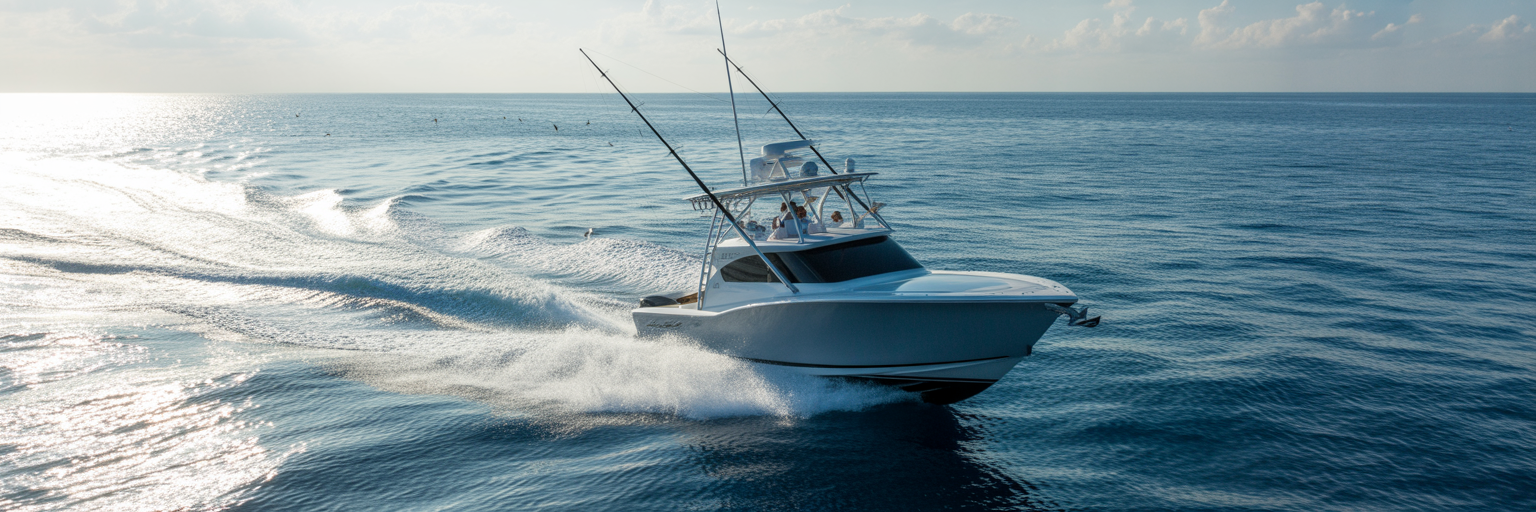
Trolling speed is arguably the most critical variable in differentiating a marlin spread from a wahoo spread. For marlin, the optimal pace is typically between 7 and 9 knots. This speed allows larger, more elaborate lures to perform their intended action, whether it is the rhythmic swimming of a slant-head or the surface commotion of a chugger. The goal is to mimic the appearance of distressed or fleeing prey, creating a visual and sonic signature that draws a marlin into the spread for a closer look.
In stark contrast, the strategy for wahoo involves a significant increase in velocity. Effective high speed wahoo trolling is conducted between 14 and 20 knots. This approach is not simply about covering more ground. The high wahoo trolling speed is designed to trigger an instinctual, aggressive reaction from one of the ocean's fastest predators. As noted in a Sport Fishing Magazine analysis, this velocity range is confirmed by experts as ideal for eliciting strikes. At these speeds, lures must be designed to track straight and true, presenting a fleeting target that a wahoo cannot resist attacking.
Sea conditions dictate necessary adjustments to these baseline speeds. In rough water, it is essential to throttle back to prevent lures from "blowing out" or skipping uncontrollably on the surface, which renders them ineffective. For high-speed tactics, specialized equipment becomes mandatory. Heavy inline trolling weights or planers are used to keep lures submerged and in the strike zone, overcoming the immense hydrodynamic pressure that would otherwise force them to the surface.
| Parameter | Marlin Strategy | Wahoo Strategy |
|---|---|---|
| Optimal Speed (Calm Seas) | 7-9 knots | 14-20 knots |
| Lure Action Goal | Natural swimming, surface splashing | Fast, straight tracking below the surface |
| Response to Rough Seas | Slow down to maintain lure action | Slow down to prevent skipping/tumbling |
| Primary Challenge | Creating enticing, rhythmic action | Keeping lures in the water at high velocity |
Lure Selection and Teaser Strategy
With speed calibrated for the target species, lure selection becomes the next critical decision. The profiles, actions, and materials that attract a marlin are substantially different from those required for wahoo.
Lure Profiles for Marlin
Marlin are drawn to large-profile lures that create significant surface commotion and displacement. Lure types such as pushers, chuggers, and slant-heads are standards in any serious arsenal. These designs generate a bubble trail and surface splash that simulates a panicked baitfish. The best lures for marlin often incorporate materials that provide superior flash and visibility. For instance, the unique iridescence of abalone resin heads is exceptionally effective at capturing and reflecting light deep into the water column. The way light interacts with the material's layers, as detailed in this guide to abalone's properties, creates a natural shimmer that stands out. High-performance designs like our large resin lures are specifically crafted to leverage this visual appeal.
High-Speed Lures for Wahoo
For wahoo, lure design must prioritize hydrodynamic stability. At speeds exceeding 15 knots, lures must track true without tumbling or veering. Bullet-headed and jet-headed lures are engineered for this purpose, cutting through the water with minimal resistance. Darker color combinations, such as black and purple or black and red, are often highly productive, creating a sharp silhouette against the bright surface. Lures like our Blackfin Bullet series are built to withstand these forces and maintain their presentation integrity at high velocities.
The Strategic Role of Teasers
Teasers are non-hooked attractors that play a vital role in building a compelling presentation. Large squid chains, dredges, and bowling pin teasers create the illusion of a bait school, drawing predators into the spread from a greater distance. This commotion can turn a slow day into a productive one by increasing the spread's visual footprint. An advanced tactic is the "bait-and-switch," where a fish raised by a teaser is presented with a pitch bait on a conventional rod. This technique converts a fish's curiosity into a confirmed hookup and is a hallmark of a professional crew.
Terminal Tackle and Rigging Integrity
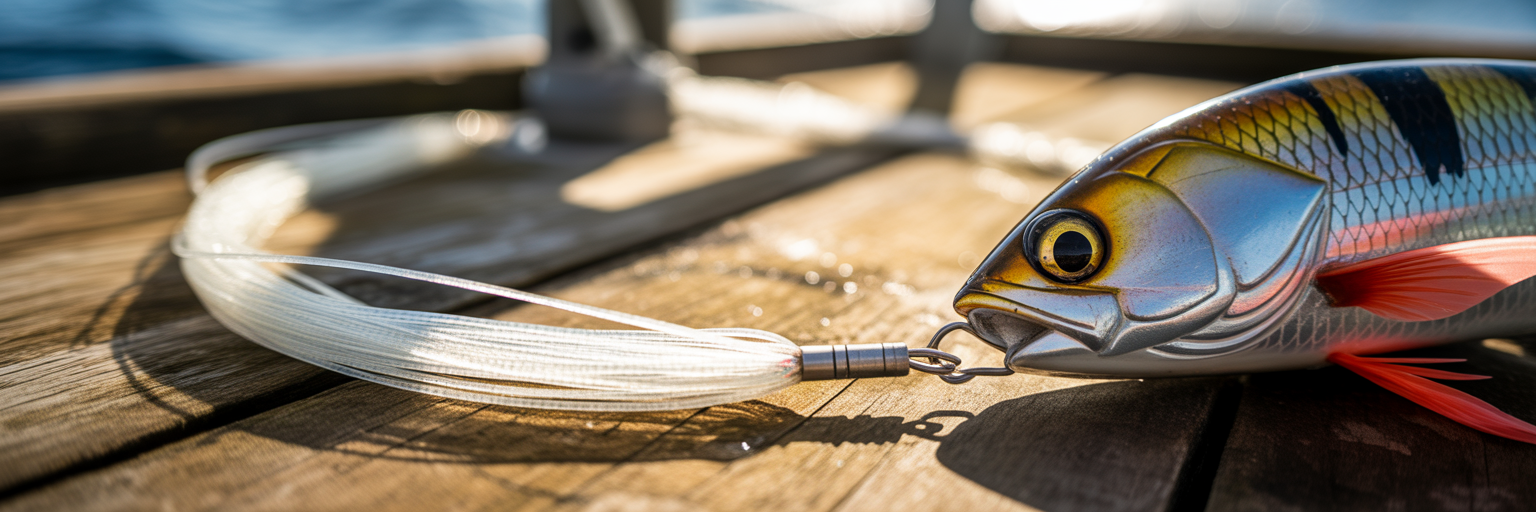
The connection between the angler and a trophy fish is only as strong as its weakest component. In big-game fishing, the integrity of terminal tackle is non-negotiable. Your offshore fishing setups must be meticulously assembled with premium materials purpose-built for the immense forces they will endure.
Leader material choice is a primary example of species-specific rigging. For marlin, a heavy monofilament leader of 300 to 500-pound test is standard. Its diameter provides excellent abrasion resistance against a marlin's rough bill, and its inherent stretch offers crucial shock absorption during powerful runs and head shakes. This elasticity helps prevent pulled hooks during a prolonged fight.
Conversely, a wire leader is an absolute requirement when targeting wahoo. Their razor-sharp teeth can sever the heaviest monofilament in an instant. A short section of high-quality single-strand or multi-strand wire is sufficient to prevent bite-offs without severely impeding the lure's natural action. The key is to use only as much wire as necessary. Furthermore, preventing line twist is critical, especially during high speed wahoo trolling. Using premium ball-bearing swivels is mandatory to ensure lures run true and to eliminate a common point of gear failure. Professionally rigged tackle, with every connection properly crimped and secured, is a prerequisite for success. It ensures lures perform as designed and can withstand the punishment that marlin and wahoo deliver.
Designing a High-Performance Trolling Spread
The art of trolling is in the design of the spread, which involves positioning lures in specific locations within the boat's wake to create a cohesive and irresistible presentation. A standard spread includes positions known as the short corner, long corner, short rigger, long rigger, and the "shotgun," which is the longest line run straight down the middle. Each position serves a purpose, placing a lure in a different part of the wake's harmonic waves.
A methodical approach to spread design is essential for consistent results. Here are two distinct blueprints:
- The Marlin Trolling Spread: This setup focuses on creating maximum commotion close to the boat to attract attention. Aggressive, splashy lures like chuggers or large-faced pushers are run on the short corner and short rigger positions. These lures operate in the turbulent water, acting as teasers that draw fish in. Further back, in the cleaner water of the long corner and long rigger positions, smoother-running lures like slant-heads or jets are placed. The shotgun position is ideal for a smaller lure that mimics a baitfish lagging behind the main school.
- The Wahoo Spread: Designed for high speeds, this spread prioritizes stability and depth. A heavy, bullet-headed lure is often run in the shotgun position, tracking straight and true far behind the boat. To target wahoo holding deeper in the water column, at least one line should feature a deep-diving plug or a lure run behind a trolling planer. This ensures the spread covers multiple depths. The remaining lures are typically bullet or jet heads that can handle the velocity without failing.
A core principle of a professional spread is designing it to be "cleared" efficiently. Lures should be set so that a strike on an inside line does not result in a tangle with the longer lines as the fish is fought. This organized approach is critical for boat management and converting strikes into landed fish.
Executing with Precision for Consistent Results
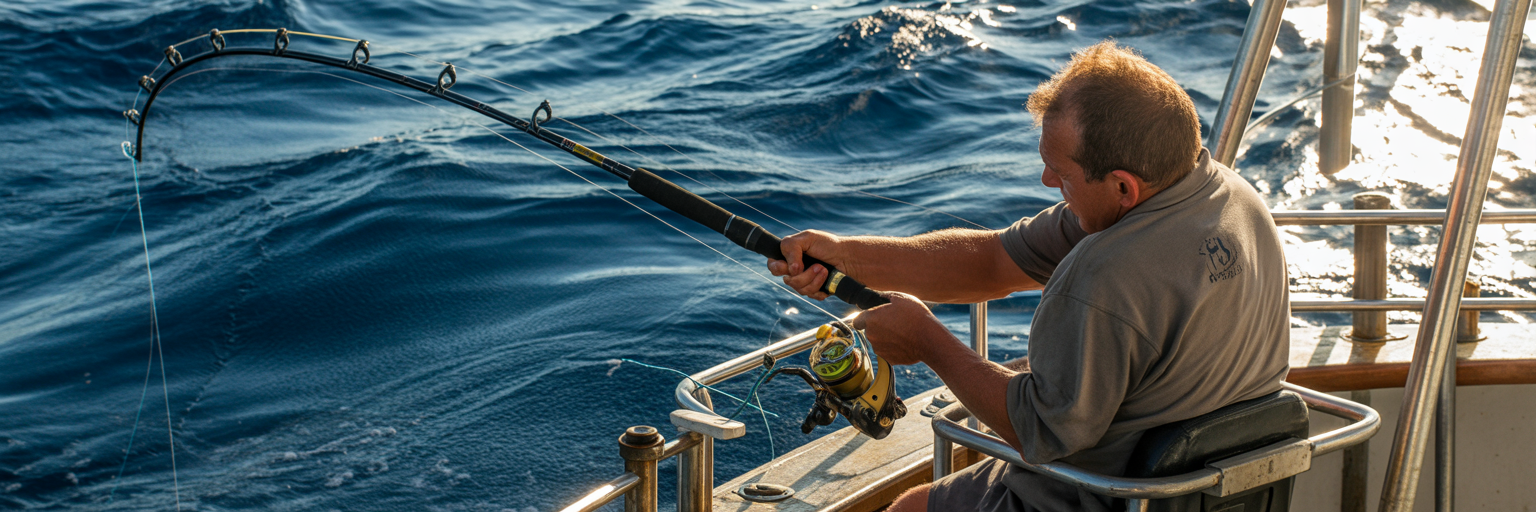
Consistent success with marlin and wahoo is never accidental. It is the direct outcome of a deliberate, methodical application of species-specific offshore trolling techniques. As we have detailed, every variable must work in concert. The chosen speed dictates the lure's action, the lure's design must match the target's feeding behavior, the rigging must withstand extreme forces, and the spread must present a coordinated and enticing picture. Each element is a critical link in a chain that leads to a successful hookup.
For anglers serious about this pursuit, investing in high-quality, performance-tested tackle is a fundamental requirement. This is not about luxury; it is about equipping oneself for success at the highest level of the sport. When your preparation is flawless and your gear is proven, you can fish with the confidence that you are ready for any opportunity. To achieve this, explore our full range of equipment, professionally designed and tested for the demands of big-game fishing.