

What Makes a Mahi Strike
Mahi-mahi, or dolphinfish, are one of the fastest-growing fish in the ocean, capable of reaching maturity in just a few months. This incredible growth rate fuels a voracious, almost constant appetite. Understanding this behavior is the first step in figuring out how to catch dolphinfish effectively. They are visual hunters, using their large eyes to spot prey in clear bluewater environments. This is why speed and flash are not just attractants, they are fundamental triggers for a mahi's predatory instinct.
Their primary diet consists of fast-moving forage like flying fish, ballyhoo, and squid. Any successful lure must convincingly mimic the profile and, more importantly, the movement of these prey items. A lure that skips, darts, or swims erratically looks like a meal trying to escape. Surface commotion acts as a dinner bell, signaling an easy meal from above. The splashing and bubbling created by a well-presented lure can draw fish from a distance, triggering an aggressive feeding response.
Finally, remember their schooling nature. Where there is one mahi, there are almost always more. This competitive social structure explains why multiple hookups are so common and why the action can be frantic. Once a fish is on, the rest of the school often follows, creating a feeding frenzy. This behavior is the key to turning a single strike into a boat full of fish.
Best Trolling Lures for Finding Fish
When you are covering vast stretches of bluewater, your lure selection is about searching efficiently. The goal is to create a presentation that draws attention and locates schools of fish. For offshore trolling for mahi, certain lure types have proven themselves time and again by creating the right kind of commotion and visual appeal. These are the tools for the search phase of the hunt, designed to make mahi reveal their location.
Skirted Chuggers and Popper-Style Lures
These lures are the noise-makers of your spread. A skirted chugger features a cupped or angled face that digs into the water, throwing a spray and creating a distinct "popping" sound. This surface disturbance perfectly imitates a fleeing baitfish. The trailing skirts add a lifelike pulse and silhouette. The combination of sound, splash, and a vibrant bubble trail is often too much for a curious mahi to ignore. The visual appeal is just as critical, and the intense flash from handcrafted resin heads, especially those with abalone shell inlays like you'll find in many of our large resin lures, provides an unmatched visual trigger for these sight-feeding predators.
Flying Fish Imitators
Since flying fish are a primary food source for mahi, a lure that mimics their behavior is a must-have. These lures are designed to be trolled at a speed that allows them to break the surface, skipping and splashing just like a real flying fish trying to escape a predator. Their wing-like appendages catch the air, creating a dynamic, unpredictable action that is highly visible and triggers an instinctive chase response.
Jet-Head Lures
Jet-heads are engineered for speed and sound. These lures have holes or ports drilled through the head, which forces water through them as they are trolled. This creates a long, dense bubble trail that looks like a "smoke" trail in the water. Many also contain internal beads or rattles, adding an audible element to the presentation. This combination of a straight, high-speed track and a thick bubble trail makes them one of the top mahi trolling lures for attracting fish in a variety of sea conditions.
The Classic Cedar Plug
Sometimes, simplicity wins. The cedar plug has been catching pelagic fish for decades for a reason. Its unpainted, natural wood body and simple, lead-head design give it a subtle, consistent wobble just below the surface. It doesn't rely on extreme flash or noise but instead perfectly imitates a small, disoriented baitfish. Its straight-tracking nature makes it a reliable producer, especially when other, flashier lures are not getting attention.
| Lure Type | Primary Action | Ideal Trolling Speed | Key Attraction Method |
|---|---|---|---|
| Skirted Chugger | Surface pop and splash | 6-8 knots | Commotion and bubble trail |
| Flying Fish Imitator | Skips and splashes on the surface | 7-9 knots | Visual mimicry of fleeing prey |
| Jet-Head Lure | Straight run with a bubble trail | 7-10 knots | Audible rattle and 'smoke' trail |
| Cedar Plug | Subsurface wobble | 6-9 knots | Natural profile and consistent action |
Note: This table outlines the general characteristics of each lure type. Performance can vary based on sea conditions and specific lure design.
Casting Lures for Active Schools
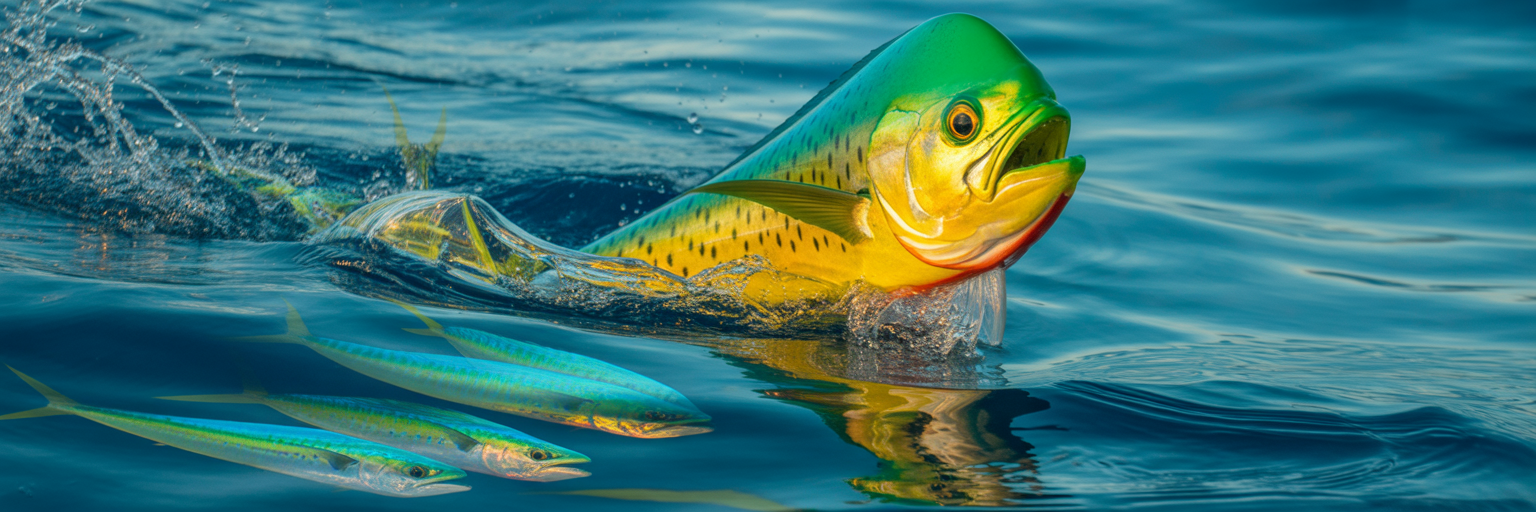
Once you have located a school of mahi, often holding under a weed line or floating debris, the game changes. Trolling is for finding fish; casting is for catching them. When a school is lit up, switching to casting lures for mahi allows you to capitalize on their competitive feeding frenzy. The key here is a fast, erratic retrieve that triggers an immediate reaction strike. Two lure types excel in this scenario: topwater poppers and stick-baits.
Topwater poppers create an aggressive surface disturbance. Their cupped face throws a huge amount of water, and a sharp, rhythmic retrieve makes the lure look like a panicked baitfish flailing on the surface. This visual and audible chaos incites competition among the school, often resulting in explosive surface strikes as multiple fish fight to get to the lure first.
Subsurface stick-baits, on the other hand, imitate a wounded or disoriented baitfish just below the surface. They require a more nuanced retrieve, but the results can be just as deadly. An erratic series of twitches followed by a brief pause causes the lure to dart and glide unpredictably, perfectly mimicking injured prey. This is often the technique that tempts larger, slightly more cautious fish in the school. Having a variety of profiles and colors ready is crucial, and exploring our full catalog of options ensures you are prepared for any situation.
- Topwater Popper Retrieve: Use sharp, downward snaps of the rod tip to create loud "pops" and splashes, followed by a quick crank of the reel to pick up slack. Keep the lure moving constantly.
- Stick-Bait Retrieve: Employ a twitch-twitch-pause cadence. The twitches make the lure dart erratically side-to-side, while the pause allows it to flutter downward like a dying baitfish. Most strikes occur during the pause.
Essential Rigging and Presentation
Having the right lure is only half the battle. How you rig and present it is what separates a frustrating day from a successful one. Small details in your setup can make a huge difference in getting strikes, especially from sharp-eyed predators like mahi. These practical steps will help you properly present your mahi fishing lures for maximum effectiveness.
- Trolling Speed: The optimal speed for most mahi trolling spreads is between 6 and 9 knots. This speed allows chuggers to pop correctly, jets to create a smoke trail, and imitators to skip naturally. Adjust your speed based on sea conditions and what your lures are telling you. They should be running clean and creating their intended action.
- Lure Spacing: A well-designed spread is a productive spread. Stagger your lures both vertically (in the water column) and horizontally (distance from the boat). A good rule of thumb is to space each lure at least 25 feet further back than the one in front of it. This prevents tangles during turns and presents a wider, more appealing bait school profile to incoming fish.
- Leader Selection: For casting lures, leader choice is critical. As noted in a guide by Tackle Room, pro-tier setups often rely on 30-to-40-pound fluorocarbon leaders. Fluorocarbon is nearly invisible underwater and offers excellent abrasion resistance against a mahi's rough mouth. This stealthy presentation ensures the fish is focused on the lure, not the line. Rigging for mahi can differ from other species, and anglers can find more species-specific information to refine their setups.
Finally, let's address the color debate. Yes, popular colors like chartreuse, pink, and blue-and-white work consistently. They mimic common baitfish and stand out in the bluewater environment. However, we stand firm in our belief that lure action, profile, and commotion are far more critical than color. A perfectly colored lure that is not running correctly will be ignored, while a lure with the right action will get bit regardless of its exact hue. Focus on making your lure look alive first, then worry about color.
Advanced Tactics to Maximize Strikes
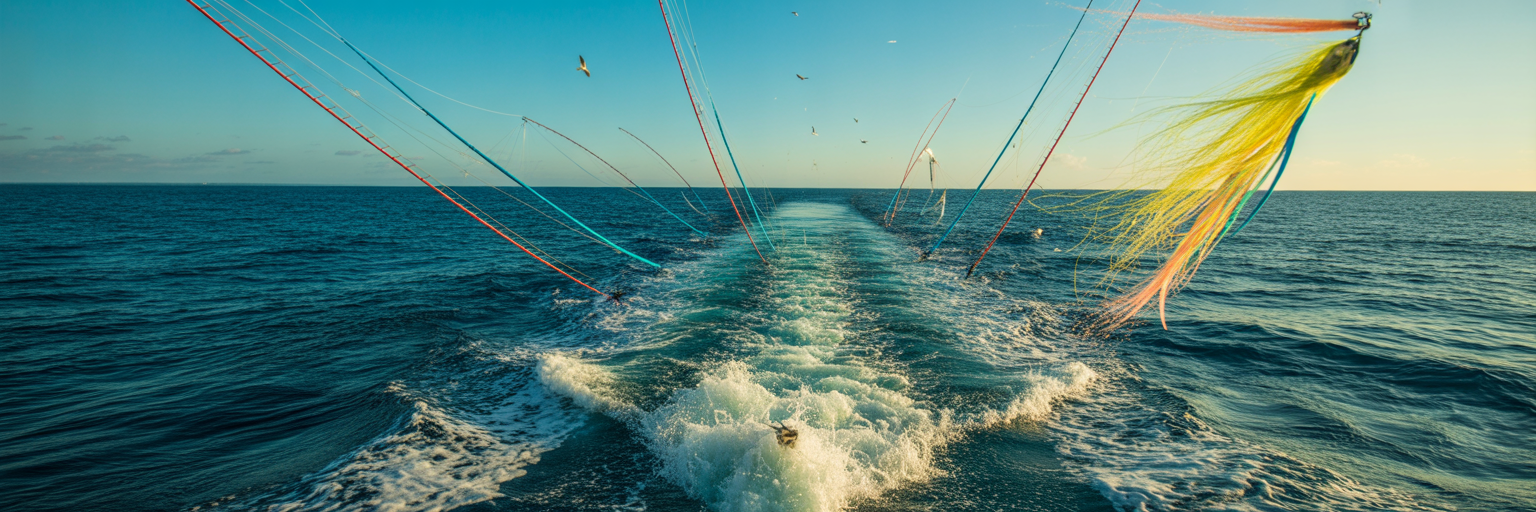
Once you have mastered the basics of lure selection and presentation, a few advanced tactics can turn a good day of mahi fishing into a great one. These techniques are what seasoned anglers use to keep the bite going and target larger, more wary fish in the school. They are designed to exploit the aggressive and competitive nature of dolphinfish.
- The Live Decoy: This is a classic and highly effective technique. When you hook the first mahi, do not immediately boat it. Instead, keep it in the water near the boat on a loose drag. This single fish will hold the entire school close, allowing your fellow anglers to cast into a fired-up group of fish.
- Building the Illusion: Mahi are attracted to commotion because it signals a feeding opportunity. You can create this illusion artificially using teasers and dredges. These non-hooked devices are trolled in the spread to simulate a large bait ball, creating a massive visual footprint that pulls fish in from a distance and makes them more aggressive.
- The Shotgun Position: While most of your spread is set relatively close to the boat, running one of the best lures for mahi mahi way back behind the wake can be a game-changer. This "shotgun" lure, positioned in the clean, undisturbed water 200 to 300 feet back, often tempts the larger, more cautious bull mahi that may be hesitant to enter the chaos of the main spread.
Ultimately, consistent success with mahi is about more than just luck. It is the result of combining the right lures with a strategic presentation that takes advantage of the species' natural behaviors. By understanding why they strike and applying these proven techniques, you put the odds firmly in your favor. For serious anglers looking to refine their approach, having the right gear is the foundation of that strategy. You can explore all our performance-tested options at K2Fishing.com.