

Matching Lures to Pelagic Predators
Success in offshore trolling is not accidental. It is the direct result of a deliberate presentation designed to convince apex predators that your lure is a worthy meal. For species like tuna, marlin, and wahoo, a lure must convincingly imitate the size, profile, and panicked behavior of local forage. This strategic foundation is the core of effective offshore trolling lure selection.
A critical relationship exists between your trolling speed and how a lure performs. Different head shapes are engineered to excel within specific speed ranges. Bullets track straight, plungers dive and surface with aggression, and jets create a bubble trail that attracts attention. Understanding this is fundamental. The primary lure categories we will cover are resin-head lures, metal-head jets, and complex rigs like squid chains, each with a distinct application.
Think of your spread not as a collection of individual lures, but as a dynamic system. The goal is to create a compelling presentation that mimics a scattered and distressed school of baitfish. This appeals to the varied feeding moods of big-game fish, turning curiosity into commitment. Anglers can further refine their approach by consulting resources that break down lure choices for specific targets, ensuring every piece of gear is optimized for the intended species.
Effective Lure Strategies for Tuna
Tuna are known for their exceptional eyesight and a preference for fast-moving prey, demanding a specific approach. Bullet-head resin lures are a primary choice because they track straight and stay just below the surface at the varied speeds often required for tuna fishing. Their subtle action perfectly imitates the small baitfish that tuna relentlessly pursue.
Lure selection should directly correspond to the size of the tuna you are targeting:
- For school-sized yellowfin or blackfin, smaller lures are essential. Lures in the 4 to 7 inch range, such as those found in dedicated collections of tuna trolling lures, are highly effective at imitating the small baitfish and squid these predators pursue.
- For larger bluefin and bigeye, the presentation must change. A shift to larger 8 to 12 inch resin lures presents a more substantial meal, justifying the energy expenditure for a bigger predator.
Strategic use of squid chains and spreader bars can be incredibly productive. These rigs create the powerful illusion of a dense bait ball, which is known to trigger a competitive feeding response in schooling tuna. A typical setup involves multiple teasers followed by a single stinger lure that appears as an easy target. The shotgun position, set far back in the spread, is often the most productive. We recommend using a smaller, darker, or more subtle lure in this position. It mimics a weak or lagging baitfish, which is almost always the first one to be attacked.
High-Speed Tactics for Wahoo
Targeting wahoo presents two main challenges: their blistering speed and razor-sharp teeth. The most productive method is high-speed trolling (HST) at 10 to 18 knots. This technique serves two purposes. It allows you to cover more ground to find scattered fish, and it triggers aggressive, instinctual reaction strikes. The ideal high speed trolling lures for this application are heavily weighted, streamlined bullet heads and metal jet heads. These lures are engineered to handle extreme speeds without tumbling out of the water, staying just below the surface in the wahoo's primary strike zone.
Using a wire leader or heavy, bite-proof cable is non-negotiable. A wahoo’s teeth will sever standard monofilament or fluorocarbon leaders instantly, resulting in a lost fish and lost gear. When it comes to the best lures for wahoo, color patterns that excel at high speeds are those with high contrast. Combinations like black and purple, red and black, or orange and black maintain a strong silhouette against the bright surface. High-contrast patterns like the Flamingo Pink Striker remain highly visible at speed, creating a distinct target that wahoo can easily track and attack. As noted by experts at On The Water magazine, specific lure designs are essential for canyon trolling, where covering ground efficiently is key to locating pelagic species.
| Factor | High-Speed Trolling (10-18 kts) | Conventional Trolling (6-9 kts) |
|---|---|---|
| Lure Weight | Heavy (12 oz +) | Variable (4-16 oz) |
| Head Shape | Streamlined Bullet, Jet Head | Plunger, Chugger, Slant Face |
| Leader Material | Wire or Heavy Cable | Fluorocarbon or Monofilament |
| Target Action | Straight Tracking, Subsurface | Popping, Smoking, Diving |
| Primary Species | Wahoo, Bigeye Tuna | Marlin, Sailfish, Dolphin |
Drawing Aggressive Strikes from Marlin
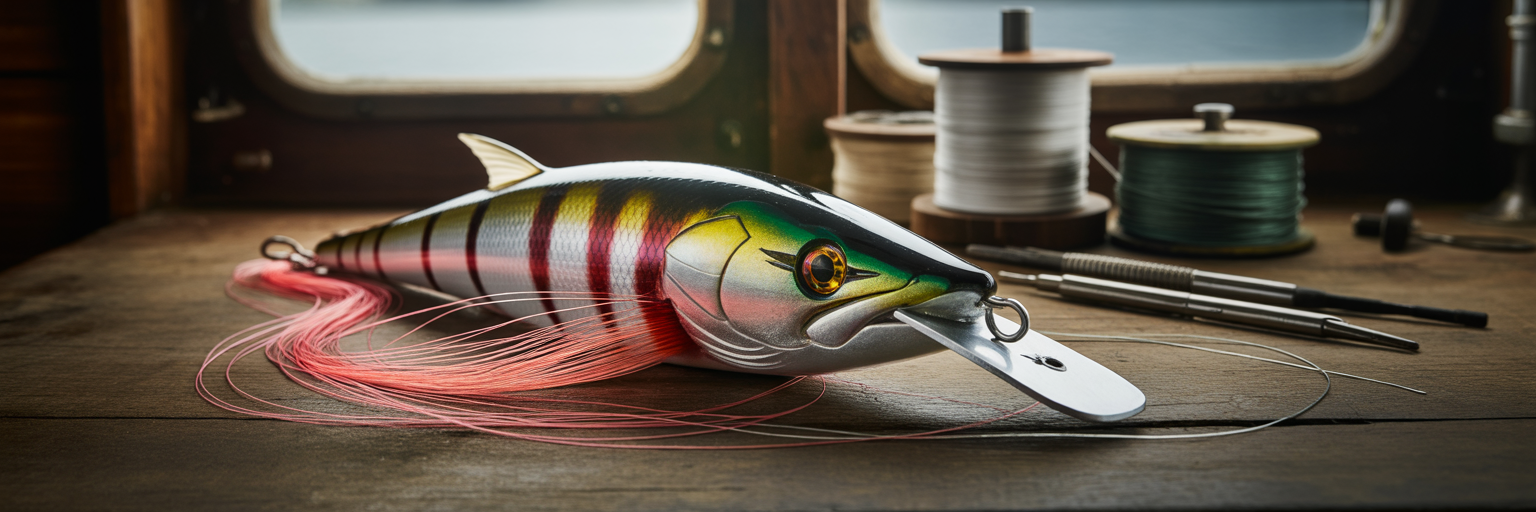
Marlin are apex predators drawn to commotion. Your lure spread should create a scene of organized chaos to attract a fish from a distance. The primary goal of marlin fishing lures is to generate maximum surface disturbance, noise, and a prominent bubble trail that signals a distressed baitfish. This is where plunger-style and chugger-faced lures excel. Their angled or concave faces cause them to dig into the water, pop to the surface, and "smoke," creating a long, enticing bubble trail that a marlin can see and feel.
Positioning these lures correctly in the spread creates a harmonious, rhythmic presentation that is irresistible. A well-balanced spread might look like this:
- Short Corner: A large, aggressive plunger or chugger to create the most commotion close to the boat.
- Long Corner: A slightly smaller lure with a stable but active swimming pattern.
- Short Rigger: A lure with a dynamic side-to-side and diving motion to add another layer of action.
- Long Rigger: A straight-running lure or one with a more subtle action, appearing as an easy outlier.
For targeting blue and black marlin, anglers should look to the large resin lures category, where lures are specifically designed to create the surface commotion needed to attract these apex predators. An advanced technique involves using large, hookless teasers like dredges or spreader bars to "raise" a curious marlin into the spread. The fish is then switched to a hooked lure pitched from the cockpit, a classic and highly effective big-game method.
Optimizing Lure Color, Size, and Flash
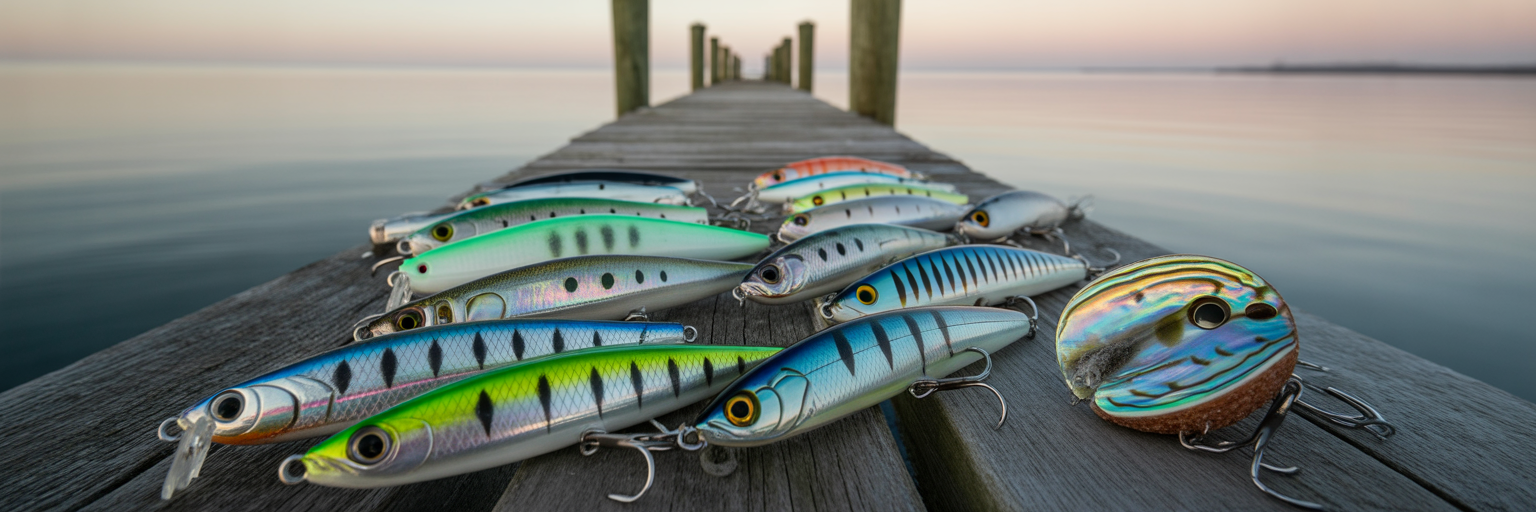
While species-specific tactics are crucial, a few universal rules can optimize your lure's appeal. Color selection should adapt to environmental conditions. On bright, sunny days with clear water, natural patterns like blue and silver or green and yellow mimic common baitfish. In low-light conditions such as overcast days, dawn, or dusk, dark, high-contrast colors like black, purple, and red create a stronger silhouette that fish can easily track.
Lure size also plays a critical role. As a general rule, lures in the 6 to 10 inch range are consistent all-around performers for a variety of species. Larger lures, those 11 inches and up, are typically reserved for targeting trophy-class fish where a bigger profile is needed to attract a bigger bite. However, the most important element for triggering a reaction strike is flash.
Materials that reflect light, such as chrome heads, glitter skirts, and especially abalone fishing lures with genuine shell inserts, create an irresistible flash. This flash mimics the scales of a fleeing or injured baitfish, enhancing visibility and drawing strikes even from fish that are not actively feeding. The iridescent quality of genuine abalone shell, as seen in our Blue Large Resin Abalone lure, creates a lifelike flash that is unmatched by synthetic materials, often triggering strikes when other lures are ignored.