

The Global Pursuit of Pelagic Giants
The pursuit of marlin, tuna, and wahoo has long represented the pinnacle of angling achievement. It is a challenge that tests not just tackle, but an angler's deep understanding of the ocean itself. Targeting these three apex predators is the ultimate test for any serious angler, a blend of skill, patience, and the raw excitement of the chase.
Success in these demanding environments is never accidental. It is the direct result of mastering specific bluewater fishing strategies, knowing the seasonal patterns of each species, and applying localized techniques. The difference between a memorable trip and a frustrating one often comes down to preparation. This guide explores some of the world's most renowned offshore fishing destinations, offering the strategic insights needed to plan an expedition where every detail counts. From current-rich Atlantic ridges to diverse Pacific shelves, each location presents a unique puzzle for anglers to solve.
The Azores: Atlantic Blue Marlin Mecca
For anglers seeking a true giant, the Azores archipelago stands alone. This remote group of volcanic islands in the mid-Atlantic is where oceanographic forces create a legendary fishery. The convergence of the warm Gulf Stream and the Azores Current along the Mid-Atlantic Ridge forms a nutrient-rich environment with a productive thermocline, attracting massive blue marlin.
The peak season, from August to November, consistently produces fish averaging around 600 pounds, with catches of 850 pounds or more being a regular occurrence. This is not a numbers game; it is a hunt for a fish of a lifetime. The primary method involves trolling from modern sport-fishing vessels out of ports like Horta. The region's reputation is so strong that Marlin Magazine named it an Editor’s Choice for big-game fishing in the North Atlantic.
When you are searching for the best places for marlin fishing, your gear must match the challenge. Heavy-duty tackle is non-negotiable. In the deep, clear blue water of the Azores, large lures with exceptional flash are essential for getting a predator’s attention. The intense visual trigger created by abalone resin designs, like those in one of our most effective large resin lures, provides a powerful advantage, mimicking the natural shimmer of baitfish that these giants hunt.
Panama's Diverse Pacific Coast
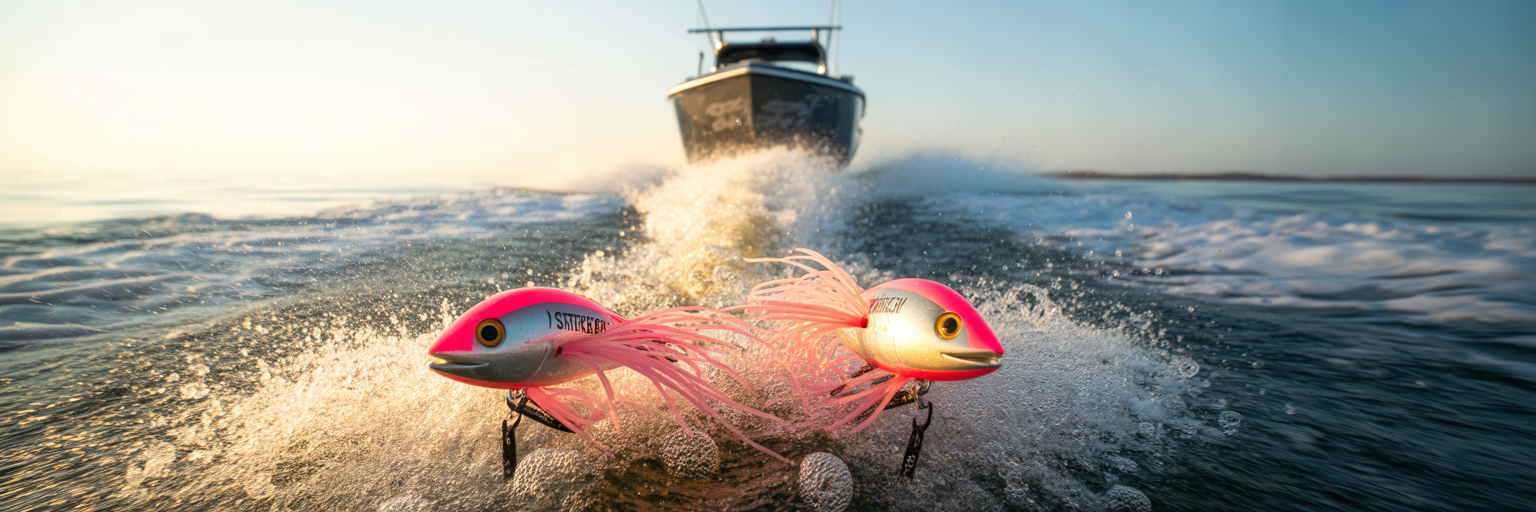
While the Azores is a specialist's destination for giant marlin, Panama offers a different kind of appeal: incredible variety. Its Pacific coast is a year-round, multi-species fishery where an angler can target the "big three" in a single trip. Key areas like the Pearl Islands and the continental shelf edge, known as "The Drop," are magnets for pelagic life.
Success here demands adaptability. The local wahoo trolling techniques involve pulling lures at high speeds of 12 to 16 knots over underwater structure, a method that peaks between August and November. This is a world away from the tactics used at prime yellowfin tuna fishing spots, where captains hunt for schools of porpoises and anglers cast topwater poppers with heavy 80-pound leaders. For marlin, both trolling and live-baiting are effective, especially along the deep-water ledges.
This diversity requires a versatile tackle selection. Your spread must be able to handle the blistering speed of a wahoo strike, the brute force of a yellowfin, and the acrobatic fight of a marlin. Effective teasers like squid chains are crucial for raising fish into the spread. Anglers preparing for Panama should explore a full collection of lures to build a versatile arsenal capable of meeting these varied demands.
| Factor | Yellowfin Tuna | Wahoo | Marlin (Blue & Black) |
|---|---|---|---|
| Primary Technique | Topwater Poppers & Stickbaits | High-Speed Trolling (12-16 knots) | Trolling Lures & Live Baiting |
| Key Location | Around schools of dolphins | Over underwater structure/ledges | Along 'The Drop' (shelf edge) |
| Peak Season | Year-round, peaks in spring | August - November | Year-round, peaks in fall |
| Recommended Gear | Heavy spinning tackle, 80lb leader | Heavy conventional gear, wire leader | 50-80lb class trolling tackle |
This table outlines the distinct strategies required for Panama's primary big-game species. Data is based on common charter captain practices and seasonal fishing reports for the Pacific coast.
Western Atlantic Migratory Hotspots
Some of the most productive fisheries are not permanent habitats but migratory corridors, oceanic highways that pelagic species use to travel between feeding and spawning grounds. Understanding these routes provides a strategic advantage for anglers targeting transient fish. Two North American examples perfectly illustrate this principle.
- Cape Hatteras, North Carolina: Here, the collision of the warm Gulf Stream and the cold Labrador Current creates a "wall" of nutrient-rich water, forming an immense feeding zone. From June to September, blue marlin move through this area in significant numbers. The common local technique is trolling ballyhoo and cedar plugs anywhere from 15 to 40 miles offshore.
- Punta Cana, Dominican Republic: This is a prime summer destination, with a blue marlin peak from June to July as fish migrate through the Mona Passage, a deep channel separating the Dominican Republic from Puerto Rico.
The most important of our big game fishing tips for these locations is the value of a mixed trolling spread. Combining natural baits like ballyhoo with durable, high-action artificial lures increases hook-up ratios significantly. This approach presents different profiles and actions, catering to the varied feeding moods of migratory predators. A vibrant lure like our Flamingo Pink Striker, a standout in our abalone bullet lineup, can be the critical element that triggers a strike from a passing fish.
Kenya's Billfish Slam Frontier
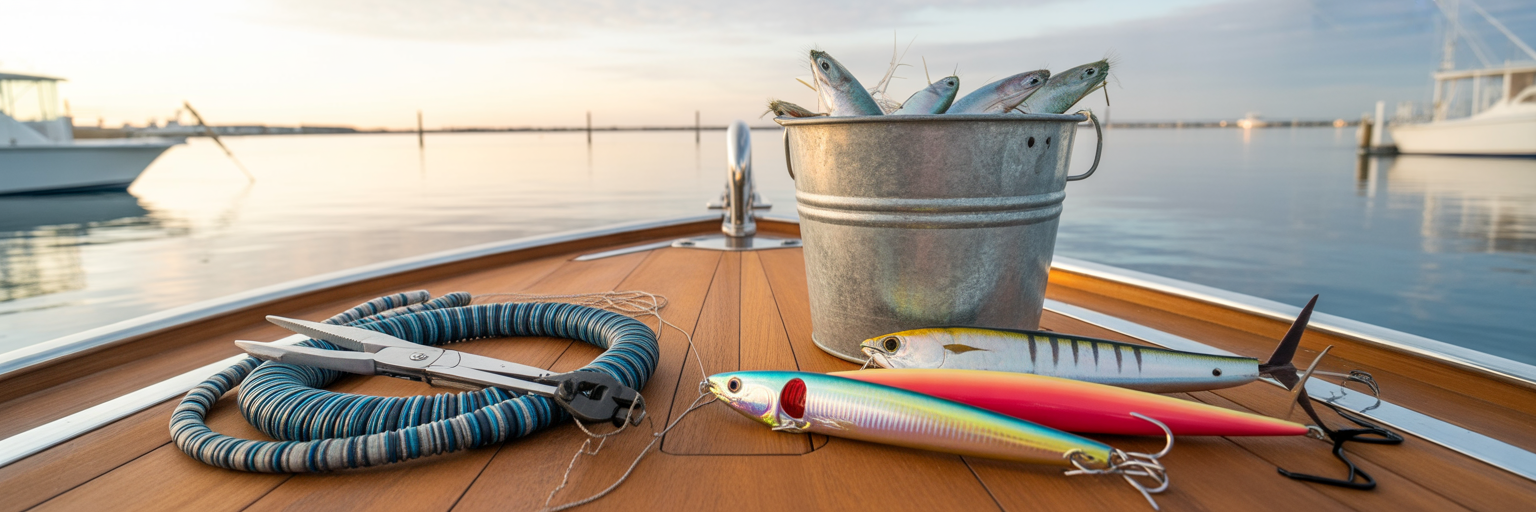
For the angler who has done it all and seeks the ultimate challenge, Kenya's coast offers the chance to achieve a "billfish slam," which involves catching multiple billfish species in a single day. This fishery is unique for its incredible variety, with the potential to encounter up to five different species, including blue marlin, black marlin, striped marlin, sailfish, and broadbill swordfish.
The local strategy is a masterclass in advanced trolling. Captains deploy a highly diversified spread that includes a complex mix of lures, natural strip baits, and live baits simultaneously. This approach is designed to appeal to the different feeding preferences of each species. One lure might attract a sailfish, while another is sized perfectly for a black marlin. This fishery's potential is so renowned that, as reported by Marlin Magazine, Kenya was named its Editor’s Choice for the best destination to achieve a billfish slam.
Tackle considerations are paramount. You need a range of lure sizes and styles, all rigged for maximum durability to withstand aggressive strikes. Managing such a complex spread requires a high level of skill and teamwork, making a successful day here a true mark of an expert angler. Anglers preparing for this challenge can find guidance on selecting the right lure to fish by species to build a spread that covers all possibilities.
Gearing Up for Your Global Quest
Success at the world's best offshore fishing destinations comes down to one core principle: adapting your strategy and gear to local conditions. Whether you are trolling for giant blue marlin in the Azores or running a complex spread off the coast of Kenya, your equipment must be up to the task. On a trip of a lifetime, gear failure is not an option.
Lures, hooks, and leaders must be able to withstand the immense force of a trophy fish and the repeated stress of techniques like high-speed trolling. Investing in durable, handcrafted, and performance-tested tackle is not a luxury; it is a necessity. It provides the competitive edge needed to capitalize on the rare opportunities these elite bluewater arenas offer. Ensure you are prepared for your next expedition by exploring gear from K2Fishing, where every product is built for the demands of the world's toughest fish.