

A lure's performance is a direct result of meticulous rigging and consistent maintenance, not just its inherent design. Even the highest quality lures will fail to produce strikes if rigged improperly, undermining an angler's investment and effort. Understanding how to rig trolling lures correctly begins with recognizing the lure, leader, and hook as a single, integrated system. Any change to one component, such as hook size or leader stiffness, alters the entire system’s action in the water and its effectiveness.
This approach moves beyond simple assembly. It requires a systematic, expert-level methodology to maximize the strike-triggering action and operational lifespan of a high-value lure collection. The objective is to ensure every component works in harmony, allowing the lure to perform exactly as it was engineered to. This guide provides the technical framework for achieving that professional standard.
Optimizing Your Offshore Trolling Lures
A lure's performance is a direct result of meticulous rigging and consistent maintenance, not just its inherent design. Even the highest quality lures will fail to produce strikes if rigged improperly, undermining an angler's investment and effort. Understanding how to rig trolling lures correctly begins with recognizing the lure, leader, and hook as a single, integrated system. Any change to one component, such as hook size or leader stiffness, alters the entire system’s action in the water and its effectiveness.
This approach moves beyond simple assembly. It requires a systematic, expert-level methodology to maximize the strike-triggering action and operational lifespan of a high-value lure collection. The objective is to ensure every component works in harmony, allowing the lure to perform exactly as it was engineered to. This guide provides the technical framework for achieving that professional standard.
Core Principles of Professional Lure Rigging
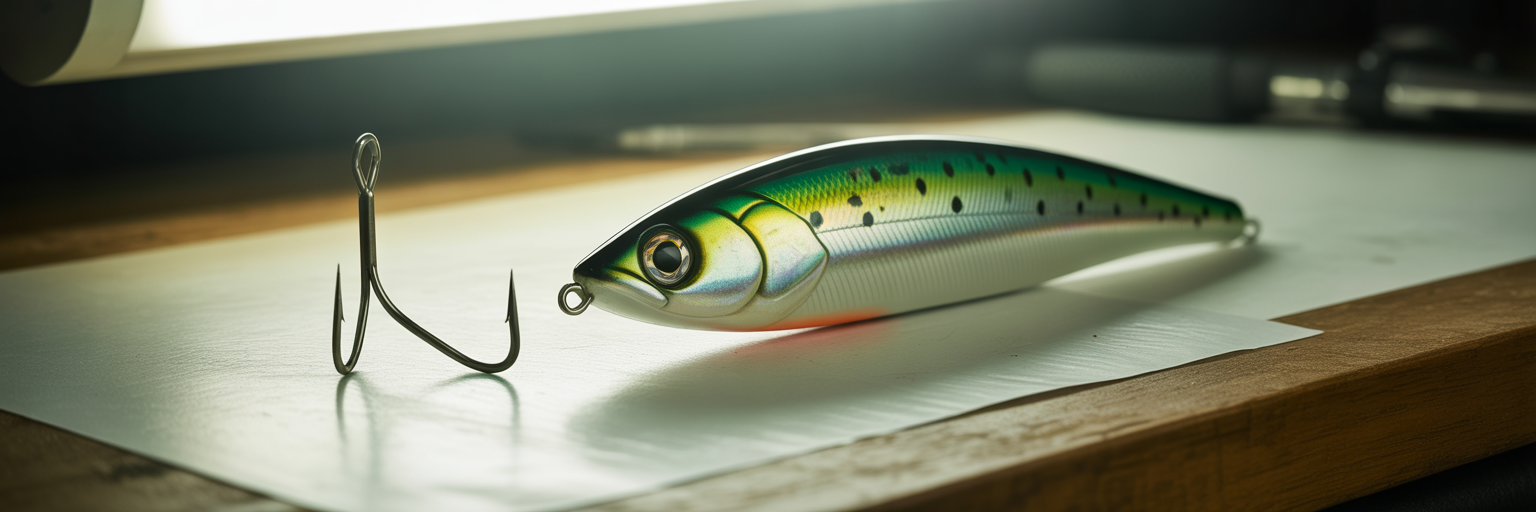
The mechanics of a balanced rig are foundational to its success. Every decision, from hook selection to placement, directly impacts the lure's hydrodynamic properties. Achieving a perfect presentation requires adherence to proven principles that eliminate variables and promote consistent, predictable action in the water.
Achieving Correct Hook-to-Lure Proportion
The most critical element of a professional offshore lure hook setup is achieving the correct proportion between the hook and the lure. A hook that is too large or heavy will deaden a lure’s action, while one that is too small can compromise hook-up rates. The goal is to match the hook size to the lure head's diameter, not its overall length. For example, a 12-inch marlin lure, such as a high-performance model from our collection of large resin lures, typically requires a 10/0 to 12/0 hook to maintain its intended swimming motion.
The Professional Standard: Single-Hook Setups
While double-hook rigs have their place in specific fisheries, the single-hook setup is the professional standard for most offshore trolling applications. A single hook allows for a more natural, unimpeded swimming action, reducing the chances of the lure spinning or fouling. This configuration also improves the hook-up ratio on aggressive strikes, as it provides a single, solid point of connection that is less likely to be thrown during a fight.
Why Straight, Non-Offset Hooks are Essential
Using straight, non-offset hooks is non-negotiable for balanced trolling lure performance. An offset hook introduces an unwanted "keel" effect, causing the lure to list to one side and spin, especially at higher trolling speeds. This unnatural rotation completely negates the lure head's designed action. A straight hook ensures the rig tracks true, allowing the lure to perform its intended dive-and-surface cycle without disruption. The primary objective is to create a balanced system where the lure head dictates the action.
| Lure Size/Type | Recommended Hook Size (Single Hook) | Primary Target Species |
|---|---|---|
| Medium (7.5-inch) Resin Lures | 8/0 - 9/0 | Tuna, Mahi-Mahi, Sailfish |
| Large (12-15 inch) Resin Lures | 10/0 - 12/0 | Blue Marlin, Black Marlin, Large Tuna |
| Blackfin Bullet Lures | 9/0 - 10/0 | Wahoo, Blackfin Tuna, Yellowfin Tuna |
| Flamingo Pink Striker | 8/0 | Mahi-Mahi, White Marlin, Tuna |
Note: This table provides a baseline for achieving optimal lure action. Water conditions and specific trolling speeds may require minor adjustments. Hook sizing is based on J-hooks; circle hook equivalents may vary.
Ensuring Leader and Connection Integrity
The leader and its connections are the most common points of failure in a trolling rig. No matter how well a lure is balanced, a weak connection will inevitably fail under the strain of a big-game fish. Professional rigging demands an uncompromising focus on material selection and assembly technique to build a system capable of withstanding extreme forces.
Leader selection is the first step. A comprehensive marlin lure rigging guide will always specify heavy leaders, typically in the 300 to 600-pound test class for blue marlin. The material and stiffness of the leader also directly influence a lure's action; a stiffer leader can enhance the motion of some plunger-style lures, while a more supple one may be better for others. Proper crimping is a non-negotiable skill. Always use high-quality crimps precisely matched to the leader's diameter and a calibrated crimping tool. An improper crimp is a guaranteed failure point.
To protect connections from abrasion, chafe tubing is essential at the hook eye and the main line loop. Finally, every connection must be physically tested. Put on gloves and pull firmly on the hook and leader to ensure the crimps are secure. This mechanical precision is mirrored in nature; as highlighted by research on the slingjaw wrasse, perfected mechanics are key to predatory success. As a Marlin Magazine article on pro rigging tips reinforces, ensuring every component is perfectly matched is what separates amateurs from professionals.
A Systematic Post-Trip Maintenance Regimen
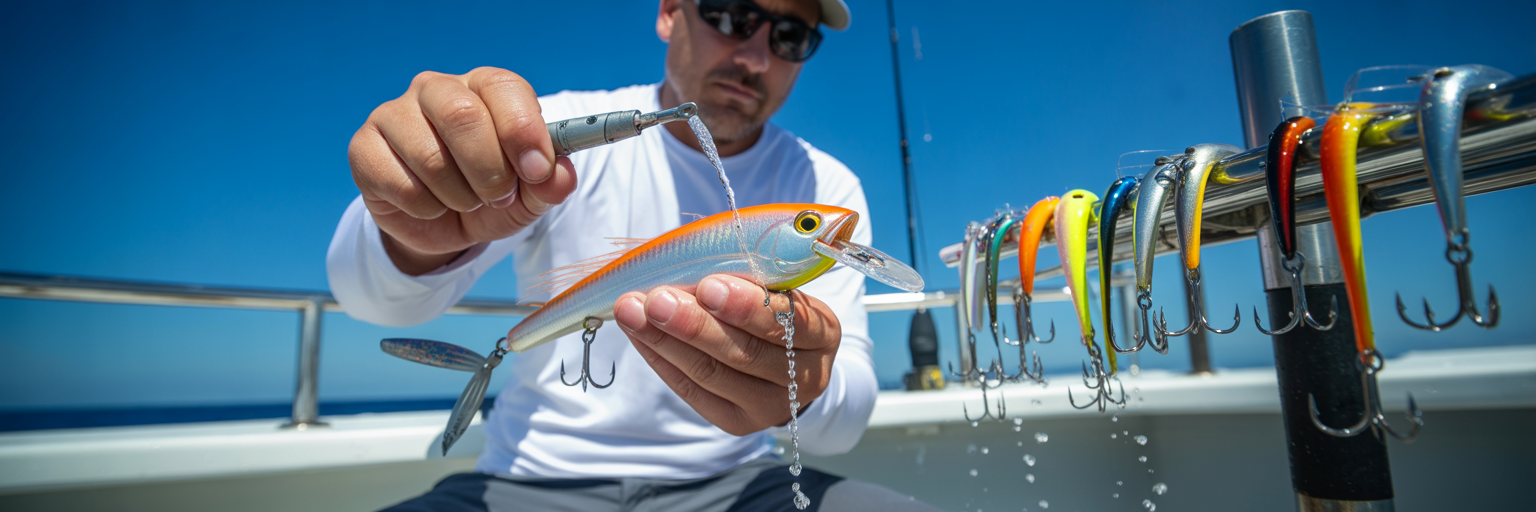
Consistent and disciplined big game fishing lure maintenance is essential for preserving the performance and longevity of your gear. Saltwater is relentlessly corrosive, and neglecting post-trip care will degrade even the highest quality components over time. Adopting a systematic regimen ensures your lures are always ready for deployment.
- Immediate Freshwater Rinse: The most crucial step is a thorough freshwater rinse of all lures, hooks, and leaders immediately after returning to the dock. This removes corrosive salt deposits before they can cause damage.
- Methodical Inspection: Conduct a detailed inspection of each component. Check lure heads, like the Blue Abalone Lure, for any cracks or chips that could compromise their integrity. Examine skirts for tears and leaders for nicks, scuffs, or any signs of abrasion. Any compromised leader should be replaced without hesitation.
- Professional Hook Care: Hooks require specific attention. Check every hook point for sharpness and signs of corrosion. A dull hook can easily cost you a fish. Use a hook file to restore a razor-sharp point, and replace any hooks that show significant rust.
- Proper Storage: Lures must be dried completely before storage to prevent mildew and skirt damage. Store them in dedicated lure bags or rolls to protect skirts from being crushed or tangled, which can permanently alter their action in the water.
Validating Performance with On-Water Testing
Bench rigging is only half the job. The final and most critical test is observing the lure's action at trolling speed. This on-water validation confirms that your rigging choices have produced the desired hydrodynamic performance and allows for fine-tuning before the lure is deployed in the spread.
A properly swimming lure will exhibit a stable track, a consistent dive-and-surface cycle, and a clean smoke trail. In contrast, a poorly rigged one will show immediate signs of trouble, such as spinning, skipping erratically across the surface, or blowing out of the water completely. When you see these issues, follow a professional troubleshooting sequence. First, adjust variables like hook size, leader stiffness, or the lure's position in the wake. For example, some of the best tuna trolling lure tips involve placing lures in different wave positions to find what triggers a strike.
Only after exhausting these adjustments should you conclude a lure itself is faulty. This final validation step is what separates proficient anglers from elite performers. It ensures every lure in your spread is working at its maximum potential. For anglers looking to understand which positions are best for different predators, exploring resources on target species can provide valuable context.
Advanced Setups for Enhanced Presentation

After mastering single-lure rigging, the next step in offshore strategy is incorporating advanced trolling setups. Systems like squid chains, spreader bars, and dredges serve a distinct purpose: to simulate a school of baitfish. This creates a larger, more vibrant profile in the water, which can trigger aggressive, competitive strikes from predators that might ignore a single lure.
However, the effectiveness of these complex systems hinges on the same core principles. The fundamentals of connection integrity, material inspection, and meticulous maintenance become even more critical. A failure in any one of the numerous connections on a dredge or spreader bar can lead to the loss of the entire apparatus. Lures that perform well in these setups, like the Flamingo Abalone Bullet Lure, are chosen for their stability and action within a chain.
The use of teasers and dredges represents a higher level of offshore presentation. It is a strategy best pursued after achieving complete confidence in single-lure performance. By building on a foundation of solid rigging and maintenance, anglers can effectively scale their presentations to attract the largest and most wary game fish.