

The Foundation of Gear Longevity in Saltwater
The saltwater environment is relentlessly unforgiving. Beyond its beauty, it wages a constant chemical assault on your equipment. This is due to a process called galvanic corrosion, where saltwater acts as an electrolyte, aggressively attacking the dissimilar metals in your gear. Think of the high-grade aluminum in your reel frame and the stainless steel in its bearings or your rod guides. When submerged, an electrical circuit is created, and the weaker metal begins to corrode. This isn’t just a cosmetic issue; it’s a direct threat to performance.
Proper fishing gear maintenance is not a chore. It is a critical discipline to prevent equipment failure at the worst possible moment, like when you are connected to a trophy fish. A seized bearing or a corroded guide can mean the difference between a story of a lifetime and a tale of the one that got away. Consistent care is the only way to protect the significant financial investment that quality offshore tackle represents. High-performance equipment is built to last, but only when its owner understands the environment it operates in. You can explore the quality of gear worth protecting by learning more about our approach at K2Fishing.
Your Post-Trip Tackle Care Ritual
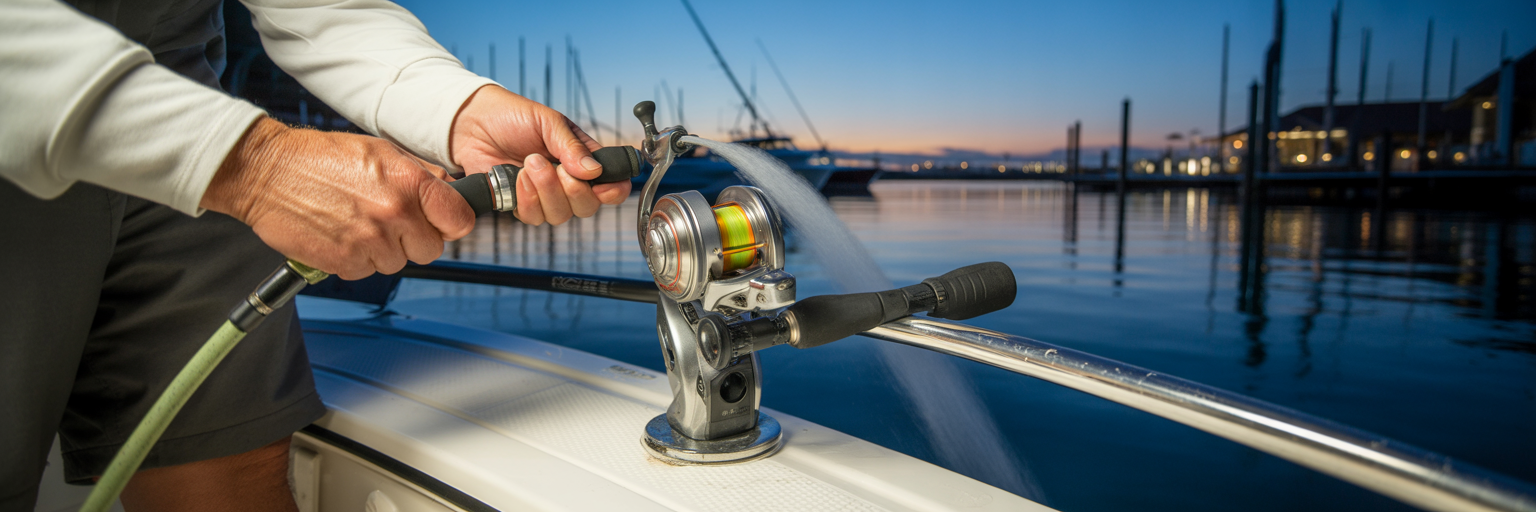
The moments after you return to the dock are the most critical for your gear’s lifespan. What you do here sets the stage for long-term reliability. A disciplined post-trip ritual is one of the most valuable saltwater fishing gear tips an angler can adopt. It’s a simple process that pays massive dividends.
Follow these steps immediately after every trip:
- The Freshwater Rinse: Use a hose with the nozzle set to a gentle mist, not a high-pressure jet. A forceful spray can drive salt, sand, and other grit past the seals and deep into sensitive reel components like bearings. The goal is to dissolve and wash away surface salt, not blast it into the reel’s internals.
- Reel Preparation: Before you rinse, tighten the star drag down completely. This action compresses the drag stack, creating a temporary seal that helps prevent water from intruding and contaminating the drag washers. This single step is crucial for preserving smooth, consistent drag performance.
- Thorough Drying: After the gentle rinse, wipe down every piece of equipment with a clean, dry microfiber cloth. Pay special attention to reel handles, guide feet, and any crevices where water can sit. Once wiped, allow everything to air dry completely in a well-ventilated area before putting it away. Storing gear while it's still damp is an invitation for corrosion.
Maintaining Trolling Lures and Terminal Tackle
While rods and reels get a lot of attention, the business end of your setup requires its own specific care. Your lures and terminal tackle are the direct connection to the fish, and their failure is not an option. Proper upkeep ensures they perform exactly as designed, trip after trip.
When it comes to maintaining trolling lures, the material matters. For our handcrafted resin-head designs, a gentle wash with mild soap and warm water is all that’s needed to restore their signature flash. This removes salt residue without scratching the polished finish that makes them so effective. You can see examples of these in our collection of large resin lures. For metal-head lures, a similar wash followed by meticulous drying is essential to prevent pitting and loss of shine.
Next, conduct a rigorous inspection of all your terminal tackle. Go through this checklist:
- Hooks: Check every hook point for sharpness and any signs of rust. A dull or corroded hook can easily cost you a fish.
- Swivels: Ensure every swivel spins freely. A stiff or gritty swivel will fail to prevent line twist and can compromise your entire presentation.
- Split Rings and Crimps: Examine split rings for any signs of being stretched or deformed. Inspect crimped connections for any indication of slippage or corrosion.
Our conviction is simple: if any component shows the slightest sign of weakness, rust, or damage, replace it immediately. These small, inexpensive parts are the most common points of failure in offshore tackle care, and their integrity is non-negotiable when big-game species are the target.
A Deeper Dive into Reel Mechanics
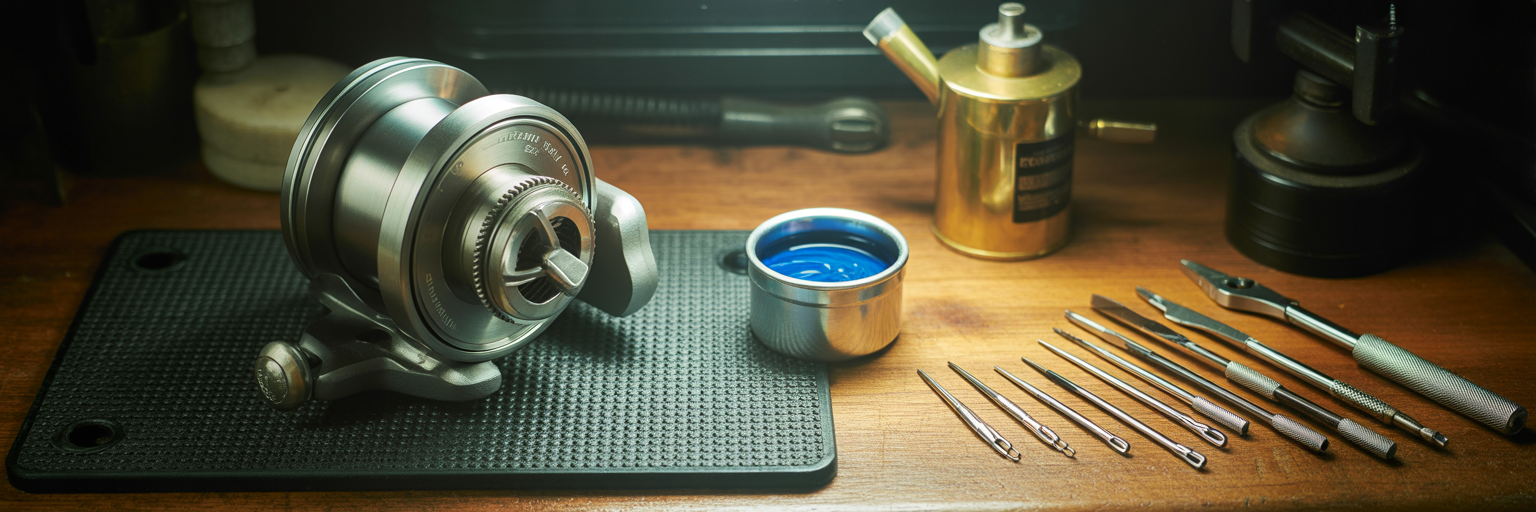
Beyond the daily rinse, periodic, more intensive reel service is fundamental to long-term performance. This level of fishing equipment upkeep ensures the internal mechanics remain in peak condition, ready to handle the strain of powerful bluewater predators. It’s about moving from surface-level cleaning to protecting the heart of the machine.
Establishing a Maintenance Schedule
Consistency is key. After every few trips, apply a single drop of high-quality oil to handle knobs, line rollers, and any visible bearings. This keeps high-speed parts moving freely. At the end of the season, a more thorough disassembly for deep cleaning and re-lubrication is recommended. This off-season service is your chance to inspect internal components and address any wear before it becomes a problem.
Oil vs. Grease: The Right Lubricant for the Job
Understanding the roles of oil and grease is crucial. Think of it this way: oil is for parts that move fast, while grease is for parts that are under heavy load. Lightweight oil belongs on high-speed components like spool bearings and handle bearings. Marine-grade grease should be applied as a thin coat on main gears, pinion gears, and drive shafts to protect them under pressure. Greasing screw threads also prevents them from seizing due to corrosion.
A Basic Reel Service Walkthrough
For a basic annual service, carefully remove the reel’s side plate. Use a small, soft brush and a degreaser to gently clean away all the old, dirty grease from the main gear and internal housing. Once clean and dry, apply a fresh, light coat of specialized reel grease to the gear teeth. Lightly grease the screw threads before reassembly to ensure easy removal next time. For a more comprehensive visual guide, the Offshore Rod and Reel Winterization Guide from On The Water offers an excellent resource. This detailed attention protects the entire arsenal of an angler's gear.
Proper Off-Season and Long-Term Storage
How you store your gear during the off-season is just as important as how you clean it after a trip. Long-term storage is about preventing the slow, silent degradation that can occur over months of inactivity. Proper offshore tackle care during this period ensures your equipment is ready to perform flawlessly on day one of the new season.
Follow these best practices to protect your gear when it’s not in use:
- The Ideal Environment: Store your equipment in a cool, dry, and climate-controlled space. Avoid sheds, garages, or attics where extreme temperature swings and humidity can accelerate corrosion and damage lines.
- Rod Storage: The best way to store rods is vertically in a rack. Leaning them in a corner for months can cause the blank to develop a permanent, performance-robbing bend and puts unnecessary stress on the guides.
- Reel Storage: After a final cleaning and lubrication, back the drag off completely. This relieves pressure on the drag washers, preventing them from compressing and losing their effectiveness. Storing reels in protective neoprene cases will also shield them from dust, moisture, and accidental impacts.
- Line Protection: Monofilament and fluorocarbon lines are susceptible to UV degradation, which weakens them over time. Store your rods and any spare spools of line out of direct sunlight to preserve their strength and integrity.
Assembling Your Essential Maintenance Kit
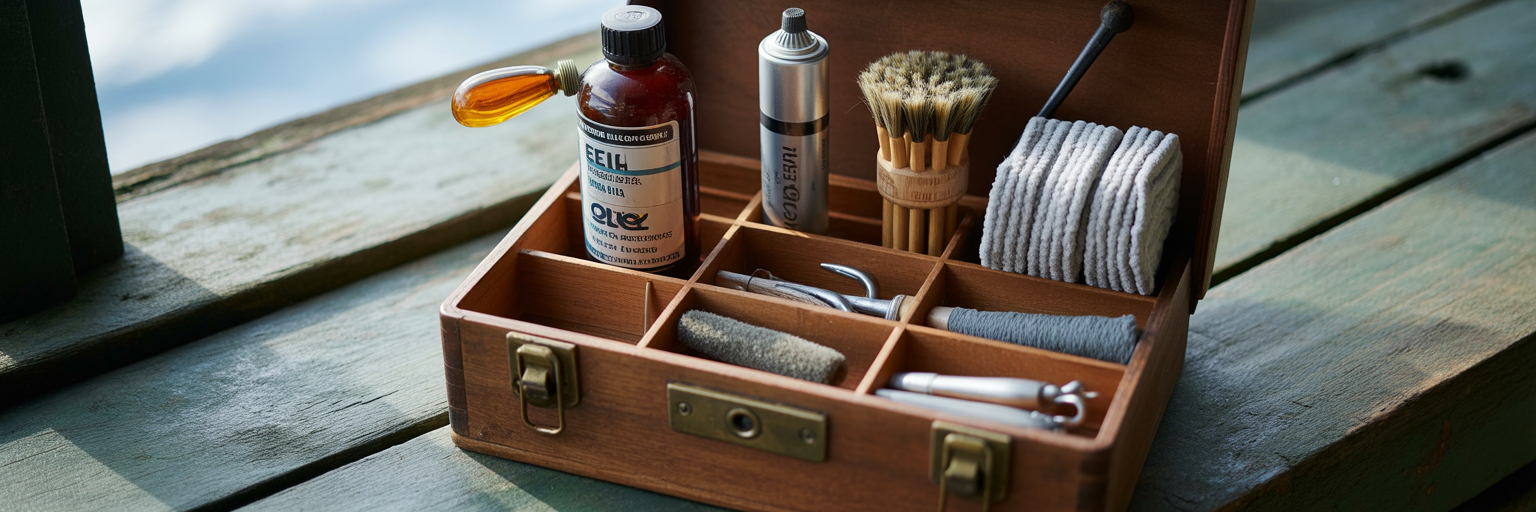
A well-organized kit transforms routine fishing gear maintenance from a chore into a simple, efficient habit. Having the right tools and supplies on hand makes it easy to care for your equipment properly after every outing and during the off-season. This kit is the foundation for protecting your valuable gear and ensuring it never lets you down.
Here is a guide to building your essential offshore maintenance toolkit.
| Tool / Supply | Primary Use | Pro-Tip |
|---|---|---|
| Hose with Adjustable Mist Nozzle | Rinsing salt off rods, reels, and lures | Avoid high-pressure settings that can force water into sensitive components. |
| Mild, pH-Neutral Soap | Cleaning lure bodies and rod grips | Choose a soap that won't strip protective coatings or damage resin finishes. |
| Assorted Soft-Bristle Brushes | Cleaning tight areas like guide feet and reel crevices | An old toothbrush works well for scrubbing without scratching surfaces. |
| High-Quality Reel Oil | Lubricating high-speed parts (bearings, handle knobs) | Use a precision oiler for accurate application and to avoid over-lubricating. |
| Marine-Grade Reel Grease | Protecting gears, shafts, and screw threads | Apply a thin, even coat; too much grease can slow the reel down. |
| Precision Screwdriver Set | Disassembling reels for service | Invest in a set that perfectly matches your reel's screw heads to avoid stripping. |
| Hook Sharpener / File | Maintaining sharp points on all hooks | A diamond-coated file provides a quick and effective edge. |
| Microfiber Cloths | Wiping down and drying all equipment | They are highly absorbent and won't leave lint behind. |
This proactive approach to equipment care is what separates dedicated anglers from the rest. If you have specific questions about caring for your lures or other tackle, please feel free to get in touch with us.